


We may earn a commission when you buy through links on this page, at no extra cost to you. Learn more.
This cupcake wine review finds that Cupcake Vineyards is a versatile choice for approachable, fruit-forward wines, with sweet Moscato, crisp Sauvignon Blanc, smooth California reds, and Italian Prosecco offering options for different tastes and occasions. Its strongest appeal is variety rather than a single signature style. Sweet-wine drinkers can start with California Moscato or Moscato d’Asti, while shoppers who prefer drier bottles can consider Sauvignon Blanc, Pinot Grigio, Chardonnay, or Prosecco. The best selection depends on how much sweetness, acidity, body, and structure you enjoy.
Cupcake Vineyards occupies a familiar place in American wine retail: a recognizable label with a broad selection that makes choosing a bottle relatively straightforward. Its wines cover several grape varieties and origins, from California and Washington to Marlborough in New Zealand and the Veneto region of Italy. However, the brand’s range means that one bottle should not be treated as representative of every other bottle. A sweet Moscato and a dry Sauvignon Blanc deliver very different experiences, even though they share the same producer name. This guide explains the differences, identifies the bottles worth considering for different preferences, and provides practical advice for choosing, serving, and pairing them.
Who This Is For: Everyday Wine Drinkers and Curious Beginners
Cupcake Vineyards is particularly suitable for shoppers who want recognizable grape varieties, accessible fruit flavors, and several sweetness levels without having to learn complicated regional classifications. Its collection includes California Moscato, Monterey County Chardonnay, Marlborough Sauvignon Blanc, Italian Pinot Grigio, and several California red wines, giving newcomers a useful starting point for exploring wine styles.

Sweet-wine drinkers have several options. California Moscato offers peach and honey characteristics, while Moscato d’Asti adds gentle effervescence and an Italian origin. Peach Moscato provides another fruit-oriented direction. These wines are natural starting points for people who enjoy sweeter drinks, fruit-forward aromas, and relatively uncomplicated serving occasions. They can work particularly well for informal gatherings, brunch, and fruit-based desserts.
Drinkers who prefer less sweetness can explore Sauvignon Blanc, Pinot Grigio, and Chardonnay. These styles offer more emphasis on acidity, citrus, orchard fruit, and texture than the Moscato selections. Sauvignon Blanc is a useful choice for someone who likes lively acidity and refreshing citrus flavors. Pinot Grigio generally offers a lighter, uncomplicated experience, while Chardonnay gives drinkers a fuller texture and a different balance of fruit and oak influences.
Red wine beginners may find Cupcake’s California Pinot Noir or Red Velvet approachable starting points. Pinot Noir emphasizes strawberry and cherry, while Red Velvet combines Merlot, Zinfandel, and Petite Sirah for a richer profile featuring mocha, blackberry, and chocolate. Cabernet Sauvignon and Merlot are additional options for shoppers who want to explore more traditional red grape varieties.
The range also makes sense for households with different preferences. One person might enjoy Moscato after dinner, another might prefer Pinot Grigio with seafood, and someone else might choose a red blend with grilled food. Having distinct styles available under one brand can simplify shopping, although it remains important to select according to the actual wine rather than the label alone.
However, Cupcake is not necessarily the ideal choice for every wine enthusiast. Someone searching for highly specific vineyard expressions, unusual winemaking techniques, or complex cellar-worthy bottles may want to explore producers specializing in particular appellations. Cupcake is more useful as an accessible introduction to familiar wine categories than as a substitute for every specialist producer.
Key Factors to Compare Before Choosing a Bottle
The most useful way to compare Cupcake wines is to consider sweetness, grape variety, origin, body, acidity, and intended occasion. These factors matter more than the brand name because the difference between a 10% ABV Moscato and an 11% ABV sparkling Prosecco is not simply a difference in alcohol content; their sweetness, bubbles, and overall drinking experiences are also distinct.
| Wine or style | Origin | Key characteristics | Best starting point |
|---|---|---|---|
| California Moscato | California, USA | Peach, honey, sweet fruit | Sweet-wine beginners |
| Moscato d’Asti | Asti, Italy | Nectarine, honey, gentle bubbles | Sweet sparkling wine fans |
| Sauvignon Blanc | Marlborough, New Zealand | Citrus, lively acidity, fresh fruit | Dry white wine drinkers |
| Pinot Grigio | Delle Venezie, Italy | Pear, citrus, refreshing character | Light white wine drinkers |
| Chardonnay | Monterey County, California | Orchard fruit, creamy texture | Fuller white wine preferences |
| Red Velvet | California, USA | Mocha, blackberry, chocolate | Rich, fruit-forward red drinkers |
| Pinot Noir | California, USA | Strawberry, cherry, silky texture | Lighter red wine drinkers |
| Prosecco | Italy | White peach, honeydew, bubbles | Brunch and celebrations |
Sweetness should be the first consideration. California Moscato is explicitly described by Cupcake as sweet and smooth, and its fruit profile includes peach and honey. Moscato d’Asti is also sweet, but its gentle effervescence gives it a different character. By comparison, Sauvignon Blanc and Pinot Grigio are more appropriate starting points for people who prefer dry white wine.
Prosecco deserves separate consideration because the word Extra Dry can be confusing. In traditional sparkling-wine terminology, Extra Dry is sweeter than Brut. The standard sweetness sequence runs from Brut Nature and Extra Brut through Brut, Extra Dry, Dry, Demi-Sec, and Doux. Consequently, Extra Dry Prosecco is not the driest sparkling style available. This distinction matters if you usually select wines based on sweetness descriptions.
Alcohol content is another practical comparison point. Retailer information lists Cupcake California Moscato at 10% ABV and its Prosecco at 11% ABV. These figures describe the respective listed products, not the entire portfolio. Different varieties and bottlings can have different alcohol levels, so comparing the specific wine is more useful than assuming that every Cupcake bottle has a similar strength.
Body and acidity influence how a wine feels with food. Sauvignon Blanc typically has high acidity, Pinot Noir generally has lower-to-medium tannin and relatively high acidity, and Cabernet Sauvignon usually has more substantial tannin. Chardonnay generally has medium acidity, although the precise experience depends on the wine’s style. These structural differences help explain why a light white works differently with seafood than a fuller red does with a grilled burger.
Origin also provides useful context. Cupcake’s Marlborough Sauvignon Blanc, Italian Pinot Grigio, California Moscato, and California Pinot Noir represent different growing environments and grape traditions. The producer’s official wine collection is a useful reference for checking the available varieties and their listed origins before choosing a bottle.
Step-by-Step: How to Choose the Right Cupcake Wine
A simple selection process helps narrow the range without getting distracted by attractive labels or unfamiliar wine terminology. Start with sweetness, then decide between white, red, and sparkling wine before considering food, occasion, and serving temperature.
-
Decide how sweet you want the wine.
Choose California Moscato if you enjoy pronounced sweetness, peach, and honey. Select Moscato d’Asti if you want a sweet wine with gentle bubbles. If you generally prefer dry wines, begin with Sauvignon Blanc or Pinot Grigio instead. This first decision eliminates several styles that may not suit your palate.
-
Choose between still and sparkling wine.
Still wine is generally the more flexible choice for a regular dinner. Sparkling Prosecco works well for brunch, appetizers, and celebrations. Moscato d’Asti occupies an interesting middle ground because it combines noticeable sweetness with gentle effervescence.
-
Pick the grape variety that matches your preferences.
Sauvignon Blanc is suitable for citrus and high-acidity preferences. Chardonnay makes more sense if you enjoy a fuller white wine. Pinot Noir is a good starting point for lighter red wine, while Cabernet Sauvignon suits drinkers who enjoy more tannin and structure. Red Velvet offers a fruit-forward blend rather than a single-grape expression.
-
Consider where the wine comes from.
Try Marlborough Sauvignon Blanc if you want to explore New Zealand’s recognizable Sauvignon Blanc style. Consider Italian Pinot Grigio or Prosecco for a European option. California selections such as Moscato, Chardonnay, and Pinot Noir provide another direction for familiar American wine styles.
-
Think about the meal.
Match Sauvignon Blanc with goat cheese, seafood, or herb-forward dishes. Pinot Grigio is a practical option for lighter seafood meals. Chardonnay can complement chicken with cream sauce or richer fish preparations. Pinot Noir can accompany roasted poultry and mushroom dishes, while Red Velvet makes sense with burgers and chocolate-oriented desserts.
-
Consider the number of people and the occasion.
A standard 750 ml bottle provides approximately five 5-ounce glasses. For a gathering of 10 adults, two bottles provide about 10 standard servings, although individual consumption and pouring sizes vary. Sparkling wine may suit a toast, while still wine may be easier to incorporate throughout dinner.
-
Serve the wine at an appropriate temperature.
Chill sparkling wine to approximately 40–50°F, light whites to 45–50°F, fuller whites to 50–55°F, and light reds to 55–60°F. These ranges help preserve freshness while allowing the wine’s fruit and texture to show more clearly.
This process is particularly helpful when purchasing multiple bottles. Rather than selecting several wines that all have similar sweetness and body, choose contrasting styles. A dry white, a fruit-forward red, and a sweet Moscato provide more variety for guests with different preferences than three nearly identical wines.
Tip: If you are unsure which style you prefer, compare one dry white, such as Sauvignon Blanc, with one sweet white, such as California Moscato. Their contrasting sweetness and acidity make it easier to identify the flavor direction you enjoy before purchasing more bottles.
Types and Styles Explained: Whites, Reds, and Sparkling Wines
Cupcake’s selection covers several distinct wine categories, and understanding their differences makes the brand considerably easier to shop. The biggest distinctions are between sweet and dry whites, lighter and fuller reds, and sparkling wines made for casual celebrations.
Sweet White Wines
California Moscato is one of the clearest choices for people who enjoy sweet wine. Cupcake describes it as smooth, with peach and honey characteristics, and recommends serving it chilled with mixed berries. Its fruit-forward character makes it suitable for informal gatherings, light desserts, and occasions where a strongly dry wine might not appeal to everyone.
Moscato d’Asti offers a related but different experience. It comes from the Asti area of Italy and has nectarine and honey notes. Its gentle bubbles distinguish it from still California Moscato. This is a useful selection for someone who wants sweetness without choosing a conventional sparkling Brut wine. It also makes sense alongside fruit tarts and other fruit-based desserts.
Riesling is another option in the brand’s portfolio. However, Riesling can range from dry to very sweet depending on the specific bottling. It should not automatically be treated as equivalent to Moscato. The variety is naturally high in acidity, which can provide balance in wines with noticeable sweetness.
Dry and Fuller White Wines
Sauvignon Blanc is a strong candidate for shoppers who prefer freshness over sweetness. Cupcake’s Marlborough selection gives drinkers an opportunity to explore a New Zealand expression of the variety. Sauvignon Blanc generally features lively acidity, citrus, and herbal or tropical fruit characteristics. It is especially useful with seafood, fresh goat cheese, salads, and dishes featuring herbs.
Pinot Grigio offers another refreshing direction. Cupcake lists an Italian Delle Venezie DOC selection as well as a California Citruskissed Pinot Grigio. The Italian style is a reasonable choice for people seeking a straightforward white with fresh fruit and citrus character. The California variation offers an alternative within the same grape family.
Chardonnay provides a different experience because it usually has more body than light Pinot Grigio or Sauvignon Blanc. Cupcake lists a Monterey County Chardonnay and a separate Butterkissed Chardonnay. The Monterey bottling is described by retailers with apple, lemon, pear, and subtle vanilla characteristics. It is a suitable direction for people who enjoy a rounder white wine with richer food.
California Red Wines
Pinot Noir is a useful introduction to red wine for people who dislike heavily tannic bottles. Cupcake describes its California Pinot Noir with strawberry and cherry notes and a silky, elegant character. The producer also identifies cool fermentation and French and American oak aging in its winemaking notes. These details provide context for the wine’s fruit-forward presentation.
Red Velvet is a more distinctive option. It combines Merlot, Zinfandel, and Petite Sirah, with the producer highlighting mocha, blackberry, and chocolate flavors. The Merlot contributes softness and blackberry characteristics, Zinfandel contributes ripe red fruit, and Petite Sirah supplies additional color and structure. This combination makes it a logical choice for drinkers who want a richer red without selecting a conventional single-variety Cabernet Sauvignon.
Cabernet Sauvignon and Merlot offer two other useful directions. Cabernet Sauvignon generally has higher tannin and a firmer structure, making it suitable for richer meals and people who enjoy substantial reds. Merlot is usually softer, with medium tannin, making it a potentially easier transition for someone moving from lighter reds to fuller styles.
Sparkling Wines
Cupcake Prosecco is an Italian sparkling wine made with Glera grapes. Its production description identifies the Charmat method, in which secondary fermentation occurs in stainless steel tanks. This method is commonly associated with fresh, fruit-forward Prosecco styles rather than the bottle-fermented approach used for Champagne and Cava.
The brand’s Prosecco is described with white peach, grapefruit, and honeydew aromas, together with a toasted brioche finish. Retailer information identifies a listed bottling at 11% ABV and Extra Dry sweetness. It is a useful choice for brunch, appetizers, and casual celebrations. The brand also lists Sparkling Rosé, providing another option for people who enjoy bubbles but prefer a different fruit profile.
For a closer look at the brand’s Moscato options, the Cupcake Moscato selection provides a more focused starting point. People interested in sparkling wine can also compare the Cupcake Prosecco style with other Italian sparkling wines before deciding which sweetness level suits their preferences.
Common Mistakes When Buying Cupcake Wine
The most frequent purchasing mistake is assuming that all wines from one brand have a similar flavor profile. Cupcake offers sweet, dry, light-bodied, fuller-bodied, still, and sparkling wines, so choosing based on the label alone can produce an unexpected result.
Confusing Fruit Flavors With Sweetness
A wine can smell strongly of peach, pear, blackberry, or tropical fruit without containing enough residual sugar to taste sweet. Aromas and perceived sweetness are separate characteristics. For example, Sauvignon Blanc can have intense tropical fruit aromas while remaining dry. Moscato, on the other hand, is explicitly described by Cupcake as sweet.
This distinction matters particularly when choosing wines for people who usually drink sweet cocktails or dessert wines. A fruit-forward dry white may smell appealing but taste much sharper and less sweet than expected. Choosing based on the actual style is more reliable than relying on tasting-note words alone.
Assuming Extra Dry Means the Least Sweet
Extra Dry is a traditional sparkling-wine category that is sweeter than Brut. A shopper expecting bone-dry bubbles might be surprised by the perceived sweetness of an Extra Dry Prosecco. Brut is generally a more appropriate starting point for someone specifically seeking a drier sparkling wine.
Moscato d’Asti should also not be confused with a dry sparkling wine. It has a sweet profile and gentle effervescence, making it quite different from a traditional dry sparkling Brut. Understanding these distinctions helps avoid disappointment when buying wine for a particular meal or celebration.
Choosing a Red Without Considering Tannin
Not all red wines have the same structure. Cabernet Sauvignon typically has high tannin, whereas Pinot Noir generally has low-to-medium tannin. Merlot is usually softer, and Syrah can have medium-plus to high tannin. Someone who finds strongly structured reds unpleasant may prefer starting with Pinot Noir or Merlot rather than choosing Cabernet Sauvignon immediately.
Red Velvet is also not simply another name for Cabernet Sauvignon. Its combination of Merlot, Zinfandel, and Petite Sirah gives it a different fruit and texture profile. A shopper who likes smooth, fruit-oriented reds may find it more appealing than a more structured Cabernet, although individual preferences will vary.
Pairing Wine With Food That Is Too Sweet or Spicy
Sweet desserts can make dry wines taste sour, thin, and less balanced. A sweet Moscato or Moscato d’Asti is generally more suitable with fruit tarts and sweet desserts than a dry Sauvignon Blanc. A useful principle is to choose a wine at least as sweet as the dessert.
Spicy food creates a different challenge. Alcohol can intensify the perception of chili heat, while tannin can make the combination feel harsher. A lighter, lower-alcohol wine is often a more practical choice for spicy dishes than a strongly structured red. For food pairing, the Virginia Tech guide to matching table wines with foods explains how sweetness, acidity, fat, protein, and tannin influence the experience.
Ignoring the Serving Temperature
Serving every bottle directly from the refrigerator is another common mistake. Very cold temperatures can suppress aromas and make some wines seem less expressive. Conversely, serving sparkling wine or a light white too warm can make it feel less refreshing.
Light reds also benefit from a little cooling. Pinot Noir is often more enjoyable around 55–60°F than at a warm indoor room temperature. Fuller reds generally work better around 60–65°F. Adjusting temperature by style is a simple way to improve the experience without changing the bottle.
Care and Storage Tips for Better Drinking
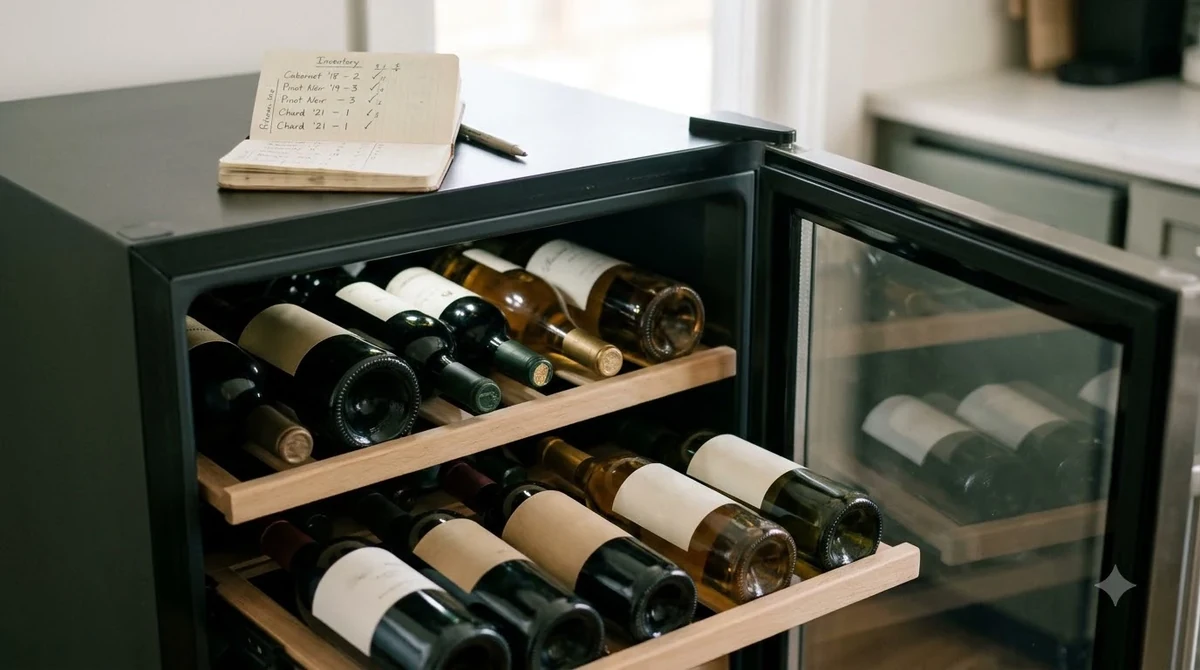
Proper storage helps preserve fruit character and freshness after purchasing a bottle. Cupcake wines are generally suited to regular drinking rather than extended cellaring, so keeping them at a stable temperature, away from direct light, and in appropriate conditions is more important than building a long-term collection.
Store Unopened Bottles Correctly
For longer storage, keep wine in a cool, dark location near 55°F with minimal temperature fluctuations. Avoid placing bottles beside ovens, radiators, sunny windows, or other heat sources. Repeated temperature changes can affect wine quality and accelerate unwanted aging.
Traditional cork-sealed bottles are generally stored on their sides so the cork remains in contact with the wine. This helps prevent the cork from drying out. Bottles with screw caps do not require horizontal storage for cork preservation, although keeping them in a stable, dark environment remains useful.
Do not assume that every bottle improves with age. Many approachable Moscato, Pinot Grigio, Sauvignon Blanc, and Prosecco selections are intended to be enjoyed while their fresh fruit characteristics are prominent. Purchasing a bottle for an occasion and drinking it within a reasonable period is generally more practical than storing it for years.
Chill Different Styles at Different Temperatures
Serving temperature should reflect the style rather than the color of the wine alone. A sparkling Prosecco benefits from a colder serving temperature, while a fuller Chardonnay is better slightly warmer than a light Sauvignon Blanc. A sweet Moscato should also be served well chilled to keep its sweetness and fruit character refreshing.
| Wine style | Serving temperature | Practical serving advice |
|---|---|---|
| Prosecco and sparkling wine | 40–50°F | Chill thoroughly before opening |
| Sweet Moscato | 43–50°F | Serve chilled with fruit desserts |
| Light whites and rosé | 45–50°F | Serve cool but not icy |
| Fuller Chardonnay | 50–55°F | Allow a little warming after refrigeration |
| Pinot Noir and light reds | 55–60°F | Briefly chill before serving |
| Full-bodied reds | 60–65°F | Avoid serving too warm |
Preserve Opened Bottles
After opening a still wine, replace its closure and refrigerate it, even if it is a red wine. Most opened still wines remain enjoyable for approximately three to five days under suitable storage conditions. The exact period depends on the wine’s structure, exposure to oxygen, and storage conditions.
Opened sparkling wine is more sensitive to losing carbonation. Use a proper sparkling-wine stopper and refrigerate the bottle. A reasonable expectation is approximately one to three days of useful freshness, although the bubbles may gradually become less lively.
For serving at a gathering, avoid leaving an opened bottle sitting on a warm table for several hours. Pour smaller amounts and return the bottle to a cooler environment between servings. This is especially useful for Moscato and Prosecco, where freshness and temperature contribute substantially to the drinking experience.
Use Suitable Glassware and Pour Sizes
A standard 750 ml bottle contains approximately five 5-ounce servings. This makes it relatively easy to estimate how many bottles a gathering requires. A smaller pour also leaves room in the glass for swirling and allows aromas to develop rather than filling the glass to the rim.
Use a white wine glass for Sauvignon Blanc, Pinot Grigio, Chardonnay, and Moscato. A standard red wine glass is suitable for Pinot Noir, Cabernet Sauvignon, and Red Velvet. Prosecco can be served in a flute or a tulip-shaped sparkling wine glass. The latter provides additional room for aromas while retaining the wine’s visual appeal.
For everyday storage and serving, consistency is more useful than complicated equipment. A refrigerator, suitable bottle stopper, basic wine glasses, and a thermometer provide most of what a casual wine drinker needs to keep Cupcake bottles in good condition.
Frequently Asked Questions
Is Cupcake Vineyards an American wine brand?
Yes. Cupcake Vineyards is an American wine brand, and its website identifies Ripon, California, in its corporate footer. Its portfolio is not limited to American-grown grapes, however. Individual wines can originate from California, New Zealand, Italy, Washington, and other listed wine-producing locations.
Who is the winemaker behind Cupcake Vineyards?
Cupcake’s product pages identify Jessica Tomei as its winemaker. Her winemaking notes appear on the producer’s Moscato, Pinot Noir, and Red Velvet pages. These descriptions provide insight into the grape selection, fermentation, and aging decisions behind individual wines.
Does Cupcake Vineyards make nonalcoholic wine?
The brand lists an alcohol-removed Sauvignon Blanc in its Low & No Alcohol collection. It also lists several Lighthearted wines in lower-alcohol and lighter-style categories. Alcohol-removed wine and lower-alcohol wine are different product categories, so shoppers seeking a specific alcohol level should compare the individual product descriptions.
Is Cupcake wine suitable for making wine cocktails?
Cupcake Prosecco is specifically described in its product information as versatile enough for mimosas and other cocktails. Its fruit-forward sparkling character makes it a practical base for a traditional orange-juice mimosa or a simple sparkling fruit drink. Moscato can also be used in informal fruit-based wine punches where its sweetness is appropriate.
Does Cupcake Vineyards offer wine in smaller bottle formats?
Some Cupcake selections have appeared in smaller formats in retail listings, although availability depends on the specific variety and retailer. A standard 750 ml bottle remains the common format across much of the collection. Checking the bottle size before purchasing is particularly useful when buying for a small gathering or when comparing serving quantities.
Overall, Cupcake Vineyards is a practical brand to consider if you want accessible wines across several sweetness levels and styles without committing to a single grape variety. California Moscato and Moscato d’Asti are sensible starting points for sweet-wine drinkers, while Sauvignon Blanc, Pinot Grigio, Pinot Noir, and Prosecco provide alternatives for different meals and occasions. Choose according to your preferred sweetness, body, and food pairing rather than the label alone, and you will have a much better chance of finding a bottle that suits your taste.
More in Wine Brands
 Underwood Wine Price: Compare Bottles, Cans, and Pack SizesUpdated Nov 21, 2026
 Zenato Wine Price: Compare Styles and Choose the Right BottleUpdated Nov 21, 2026
 Zuccardi Wine Price: Compare Bottles and Find the Right RangeUpdated Nov 21, 2026
 Yellow Tail Moscato Review: Taste, Sweetness and Serving TipsUpdated Nov 21, 2026
 Wolf Blass Yellow Label Review: Choose Your Best StyleUpdated Nov 21, 2026
 Wolffer Estate Rose Review: Choose the Right Bottle for Your TableUpdated Nov 21, 2026