


We may earn a commission when you buy through links on this page, at no extra cost to you. Learn more.
The best duck decanter is a novelty glass decanter shaped like a duck, and it works best as a gift or a display piece rather than a serious aerating tool. A decanter of any shape does the same basic job: it holds wine after it leaves the bottle, separates sediment, and lets air reach the wine. The duck shape changes the look far more than the function, so the right pick depends on whether you want a conversation piece, an everyday red wine carafe, or something small enough to travel with.
Duck-shaped decanters show up often on gift lists, at holiday markets, and in wine accessory shops. They are charming, but they are also easy to buy for the wrong reason. This roundup sorts the options by the job each one actually does well, so you can match a duck decanter to a real use: a host who wants a playful centerpiece, a red wine drinker who pours a glass most nights, or a shopper who needs a small gift with little counter space. Read the comparison first, then the sections that match your situation.
Quick Comparison of Duck Decanter Styles
Most duck decanters fall into a few broad types. The table below compares them by use, pouring, and the main trade-off, so you can see the differences before reading the individual picks.
| Style | Best use | Pouring and aeration | Main drawback |
|---|---|---|---|
| Figural glass duck | Gifts and display | Narrow neck slows the pour; wine gets little surface contact | Hard to clean inside |
| Duck body with wide base | Everyday red wine | Wider body gives more air contact; easier pour control | Shape can be bulky on a shelf |
| Crystal or lead-free duck | Special occasions | Clear body lets you judge color; similar pour to glass | Heavier and more fragile |
| Small travel duck | Picnics and small gifts | Holds one bottle or less; quick to rinse | Limited capacity for a full table |
| Budget gift duck | Stocking stuffers and themed parties | Basic glass; pours adequately for casual use | Thin walls and simpler finish |
Best for Gift-Givers Who Want a Playful Centerpiece
A figural duck decanter is the classic choice when the goal is to make someone smile. It works well as a housewarming or birthday present, especially for someone who already keeps a bar cart or enjoys hosting. The shape gives the piece personality on its own, so you do not need to add much else to make the gift feel finished.
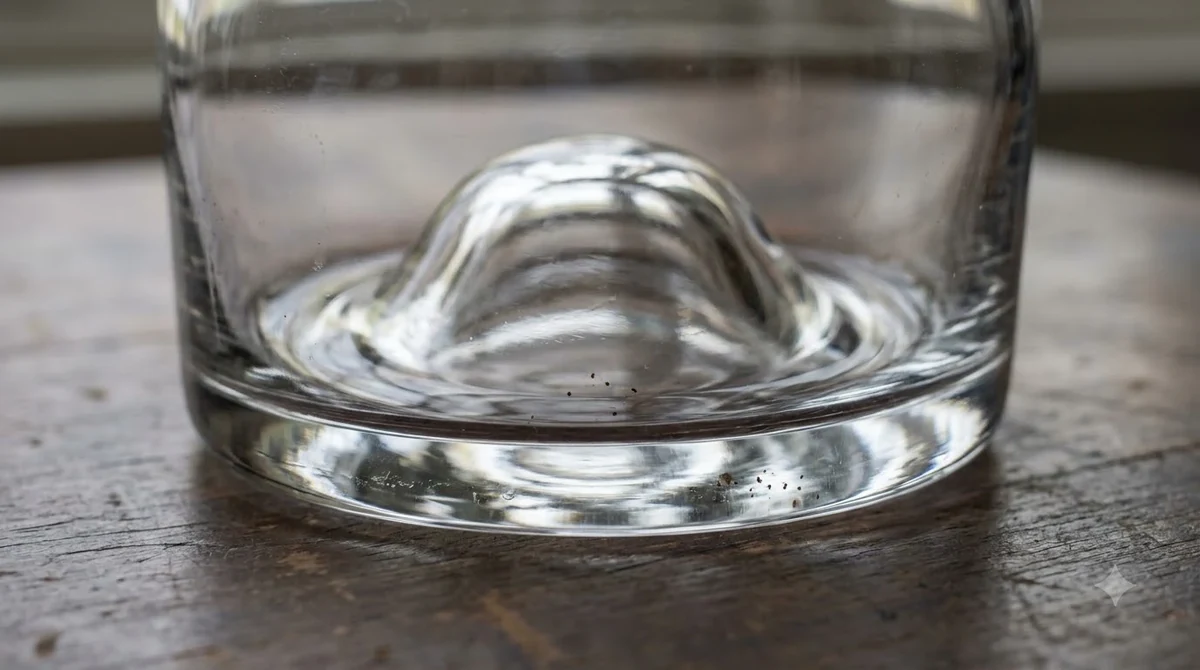
The trade-off is function. Many figural designs have a narrow neck and an uneven body, which makes the pour slower and the wine harder to swirl. The sediment-separating purpose that decanters were built for is still there, but a figural shape may not give the wine the broad surface contact that a plain carafe provides. Think of this style as decor that happens to hold wine.
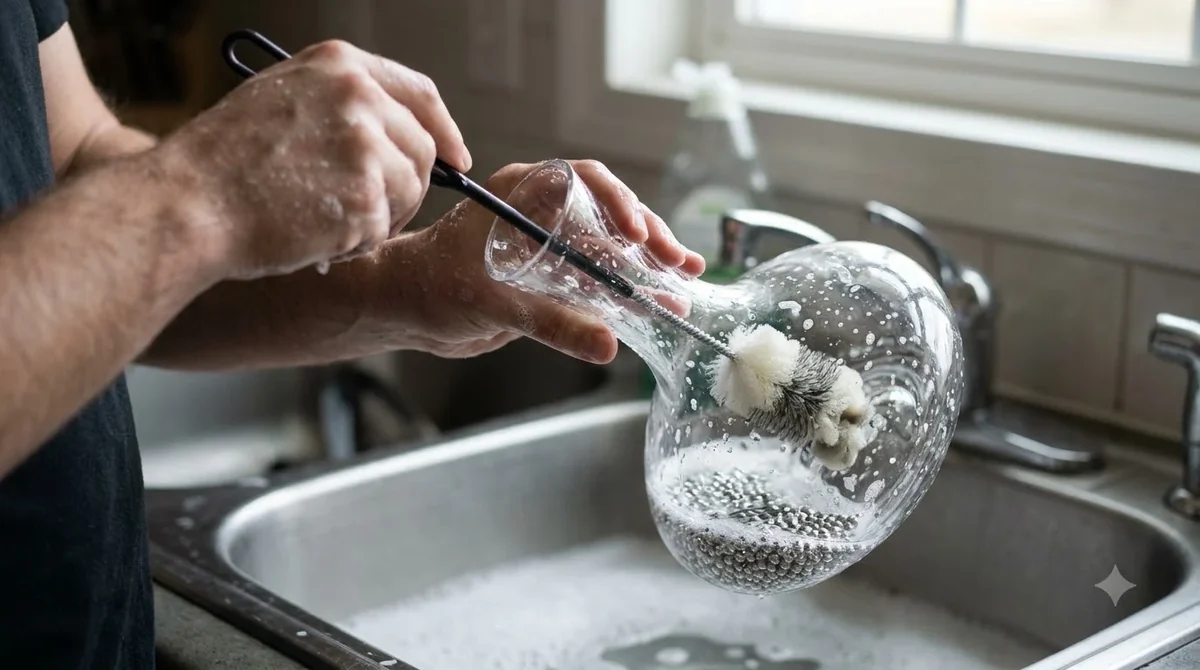
Cleaning is the other practical point. A duck body with a small opening can be hard to reach inside, so a long-handled brush or a rinse-and-dry routine helps prevent residue from building up. Choose a design with a stopper that fits snugly, because it keeps dust out between uses.
Keep in mind: the novelty shape is the main selling point, so choose the figure you think the recipient will like rather than the one with the most detail.
Best for: gifts, themed dinners, and shelf display where the decanter is seen more than it is used every night.
Best for Everyday Red Wine Drinkers
If you drink red wine regularly, a duck-styled decanter with a wider body and a clear base is the more useful option. The main purpose of decanting is to separate wine from any sediment that formed in the bottle, and a broad body makes it easier to pour slowly and leave the last sediment-heavy part behind.
The idea of aeration is worth understanding before you rely on a decanter for it. Decanting lets wine breathe and can soften some sharp qualities, but the effect is debated, and reference material notes that a few hours in a decanter does not soften tannins. A wide decanter exposes more of the wine to air, which can help a young red open up over an hour or so, but it will not transform a poor bottle.
For daily use, the most important feature is a stable base and a pour spout that does not drip. A wider body is easier to set down without tipping, and it fits more easily into a dishwasher-free routine when you rinse it by hand after each use.
Keep in mind: a wider duck body takes up more shelf space, so measure your cabinet before buying.
Best for: people who pour red wine several nights a week and want the duck look without giving up pouring control.
Best for Special Occasions and Display
A crystal or lead-free glass duck decanter suits a formal table, a holiday gathering, or a bar shelf that is meant to be seen. The clear body lets you judge the color of a red wine or the clarity of a white, which is useful when you want to show a bottle off as it is poured. The heavier material also gives the piece a weight that feels more deliberate on the table.
Crystal is more delicate than standard glass. It can chip at the rim or along the base if it is knocked against a hard surface, and it should be washed by hand. Over the years, the traditional materials for decanters were glass and crystal, and that long history is part of why they feel like a formal serving piece. A well-made crystal duck can last for decades if it is handled with care.
Because these pieces are often bought as statement items, check the stopper carefully. A loose or poorly fitted stopper can let the wine lose freshness faster, especially if you leave the decanter out for an evening.
Keep in mind: a heavy crystal piece is harder to pick up with one hand when full, so consider the weight when the table is crowded.
Best for: hosts who want a formal serving piece and people who like the decanter to be part of the room’s decor.
Best for Small Kitchens and Travel
A compact duck decanter that holds one bottle or less is the practical choice for a small kitchen, a dorm, a boat, or a picnic. It is easy to rinse, takes little space in a cabinet, and makes a good gift for someone who lives in a small apartment and still wants a nice way to serve wine.
The limit is capacity. A small decanter cannot hold a full table’s worth of wine, so it works best for one or two people, or for a single bottle opened for a short meal. Because of the size, it also needs refilling more often if you pour several glasses, which can make it less convenient at a dinner party.
Look for a design with a fully sealed stopper if you plan to carry it. A secure closure keeps wine from spilling in a bag and keeps out dust and insects outdoors.
Keep in mind: the small size is an advantage for storage but a limit for entertaining, so choose based on how many people you usually pour for.
Best for: single-person households, couples, travelers, and anyone who needs a compact serving piece.
Best for Budget Gifts and Themed Parties
A basic glass duck decanter is the simplest way to add a themed touch to a party or a stocking. It handles casual pours well enough and gives you the playful look without a premium price tag, which is why it is often used for themed events, bird-themed dinners, or quick hostess gifts.
Basic glass has thinner walls and a simpler finish than crystal, so it is more likely to show wear or small scratches over time. It is still fine for everyday use if you wash it by hand and store it upright. The lighter weight also makes it easier to carry and pour from, which some people prefer for casual gatherings.
When comparing budget pieces, check the stopper seal and the glass clarity against the photos. Cheap glass can look cloudy or have seams that trap residue. A clear, even body is a sign of better manufacturing, even at a lower price.
Keep in mind: thinner glass needs gentler handling, so avoid the dishwasher unless the maker says it is safe.
Best for: stocking stuffers, themed parties, and first decanters for people who are not sure they will use one often.
How to Choose a Duck Decanter
Start with the job you want the decanter to do, then choose the shape and material that fit it. The table below lists the criteria that matter most for a duck-styled piece.
| Criteria | What to look for | Why it matters |
|---|---|---|
| Opening and neck | Wide enough to rinse with a brush | Residue hides in narrow necks |
| Body and base | Stable base, broad body for red wine | More air contact and less tipping |
| Material | Glass for daily use, crystal for occasions | Durability and weight differ |
| Stopper | Snug fit, clean seal | Keeps out dust and limits air |
| Capacity | Match to how many people you pour for | Avoids constant refilling |
Tip: decant red wine only shortly before serving, and wash the decanter right after use so wine stains do not dry inside the neck.
If you are not sure whether to buy a novelty piece at all, consider a standard decanter first and add a duck-shaped one later as a second piece. Many people find that a plain carafe handles everyday pouring better, while the figural design earns its place on the shelf or in the gift pile.
Frequently Asked Questions
Does a duck decanter work as well as a plain decanter?
For pouring and holding wine, a plain carafe with a wide body usually works better. A duck shape mainly changes the look. If you want a decanter for regular red wine, choose a wide, stable body and treat the figural design as a bonus.
Is decanting really needed for red wine?
Decanting is useful for separating sediment from older bottles and can let a young red breathe. The effect on aeration is debated, and reference material notes that a few hours in a decanter does not soften tannins, so it is a helpful step rather than a required one.
How should I clean a duck decanter with a narrow neck?
Rinse it right after use with warm water and a long-handled brush. Dry it upside down or on a rack so no water sits inside. Avoid harsh abrasives that can scratch glass or crystal.
Are duck decanters a good gift?
They are a popular gift because the shape is playful and easy to understand. Choose the material and size based on the recipient: a small glass piece for a casual gift, or a crystal one for a formal occasion.
A duck decanter is a fun addition to a wine setup as long as you buy it for the right reason. Match the style to how you drink, check the neck and stopper, and keep the piece clean after each use. For a broader view of decanter shapes and sizes, see wine decanter options, and if you want a matching set for a table, decanter set ideas are a good next step. Read more about how decanters have been used historically to understand why the basic shape has changed so little over the centuries.
More in Decanters & Aerators
 Best Whiskey and Wine Decanter: Choosing One Vessel for Both DrinksUpdated Nov 18, 2026
 Best Tower Decanter: How to Pick the Right Shape for Your WineUpdated Nov 18, 2026
 Best Cleaning Brush Decanter Options for Narrow Necks and Deep BowlsUpdated Nov 19, 2026
 Best U Shaped Decanter Picks for Aerating Bold Red WineUpdated Nov 18, 2026
 Best Electric Decanter Styles for Faster, Smoother Wine PoursUpdated Nov 18, 2026
 Best Hand Blown Decanter Styles for Every Bottle and TableUpdated Nov 18, 2026