

We may earn a commission when you buy through links on this page, at no extra cost to you. Learn more.
The kirkland champagne price usually falls around $20 to $30 for a 750 ml bottle at U.S. Costco locations, a range supported by Warehouse Runner’s recent report across 539 warehouses; prices vary by state and retailer. Kirkland Signature NV Brut is Champagne from France, rather than a domestic sparkling wine using the name loosely. It is listed at 12% alcohol by volume, and wine coverage describes a fresh profile built around apple, citrus, apricot, and light toast.
Costco’s Kirkland Signature label can make Champagne seem more approachable, but the useful buying question is not simply whether the bottle is inexpensive. It is whether the price, style, and occasion line up with what you want from traditional-method French sparkling wine. Here is how to assess the bottle, what to compare before paying, and how to serve it so the bubbles stay lively.
Who This Is For
Kirkland Signature Brut Champagne suits shoppers who want a recognizable French Champagne appellation without moving into prestige-cuvée territory. It is a practical choice for a casual toast, a holiday gathering, or a dinner where sparkling wine will be poured with food rather than treated as the centerpiece.
Costco shoppers should treat a shelf tag as a local quote rather than a national promise; warehouse selection and delivery listings can differ by area. The price spread is useful for planning, but the amount charged at the local warehouse is the deciding figure.
The style suits people who enjoy citrus and orchard-fruit character. Decanter’s review notes green apple, citrus, good acidity, and freshness, with restrained lees-derived character. Expect an easygoing aperitif and food wine rather than the deep brioche or layered complexity of a prestige bottling.
Shoppers seeking a vintage-dated wine or pronounced aged-toast profile may prefer to compare other producers. For more on the label’s sparkling bottling, see the page on Kirkland Champagne before judging the bottle currently available at the warehouse.
Key Factors to Compare
Four practical details matter most: the Champagne appellation, the Brut sweetness level, the blend, and the bottle’s condition. A 750 ml format and 12% ABV make the bottle straightforward to plan around, but those specifications do not tell the whole story of freshness or style.
| Factor | Kirkland Signature Brut | Why It Matters |
|---|---|---|
| Origin | Champagne, France | The name refers to a protected French wine region, not a general sparkling-wine style. |
| Style | Non-vintage Brut | Brut indicates a dry style; non-vintage means the bottling is not presented as a single-harvest vintage. |
| Bottle size | 750 ml | A standard bottle provides about five 5 oz pours. |
| Alcohol | 12% ABV | A useful planning figure when comparing sparkling wines with similar serving sizes. |
| Grape blend | Chardonnay, Pinot Noir, and Pinot Meunier | The three main Champagne grapes contribute freshness, structure, and fruit. |
| Producer named by wine sources | Manuel Janisson, Verzenay | Producer information helps distinguish this wine from other private-label sparkling bottlings. |
| Serving temperature | 40–50°F | Chilling keeps the wine refreshing and helps preserve its lively mousse. |
The origin is a meaningful distinction. Under Comité Champagne’s rules, Champagne must come from a defined area and undergo its second fermentation in the bottle. Those rules separate Champagne from Prosecco, Cava, and other sparkling wines, even when all three are sold as dry sparkling options.
The blend helps explain its brisk but rounded style. The Comité Champagne associates Pinot Noir with body and structure, Chardonnay with freshness and citrus or floral character, and Meunier with roundness and supple fruit. CostcoWineBlog identifies all three in the Kirkland bottling, with lemon, green apple, apricot, toast, and lively acidity among its notes.
For additional context on how the appellation is protected, consult the Comité Champagne’s explanation of the Champagne appellation. The main point for a shopper is simple: a Kirkland bottle bearing the Champagne appellation is a French regional wine made under defined production rules, not just any sparkling wine with a celebratory label.
Step-by-Step: Buying Kirkland Champagne
A good purchase starts with the shelf tag and ends with a quick inspection of the bottle. Use these steps to decide whether the available bottle is worth taking home at the price in front of you.
- Confirm the bottle and size. Look for Kirkland Signature Brut Champagne from France in the 750 ml format. This distinguishes the French appellation bottle from Kirkland sparkling wines made in other regions.
- Compare the local price with a realistic range. Use the multi-warehouse range above as a reference, not a national promise. Prices vary by state and retailer, so compare the shelf tag at your own warehouse instead of assuming every Costco charges the same amount.
- Read the front and back label. Confirm that the bottle says Champagne and Brut, and note the stated alcohol level. The Costco listing gives 12% ABV. If the back label names a producer, use that information to distinguish one bottling from another rather than assuming every store-brand wine comes from the same source forever.
- Inspect the bottle before checkout. Choose a bottle with an intact foil, an undamaged neck, and no signs of leakage or seepage around the cork. Avoid bottles that have been stored in direct sunlight or beside a warm window, because heat and light can work against freshness.
- Match the style to the event. Brut is dry enough for aperitif pours and many savory foods. For a sweet dessert course, select a wine at least as sweet as the dessert; a dry Brut can taste sharp beside very sugary pastries or fruit tarts.
- Plan for transport and chilling. Keep the bottle out of a hot car and refrigerate it before serving. A gradual chill is easier to manage than leaving the bottle in a freezer until it is nearly forgotten.
For a first purchase, one bottle is enough to decide whether its citrus profile and restrained toast suit your preferences. For a gathering, plan on one 5 oz serving per guest: a 750 ml bottle yields about five standard pours, with a little extra allowance useful when guests prefer a top-up.
Warehouse availability can vary seasonally, and a delivery listing may reflect a local fulfillment area rather than a nationwide shelf price. Use the product description to identify the wine, but rely on the current shelf tag for the amount charged at your store.
Types or Styles Explained
The Kirkland bottle is a non-vintage Brut Champagne, so its key style cues are a dry finish, traditional Champagne origin, and a blend built from the region’s three familiar grapes. Understanding those terms helps set expectations before opening the cork.
Champagne versus sparkling wine: Champagne comes from northeastern France and follows appellation rules that include bottle fermentation. Prosecco is an Italian sparkling wine most commonly made from Glera using the tank method, while Cava is Spanish sparkling wine made by bottle fermentation. The production differences shape texture and aroma, so Cava or Prosecco is not automatically a like-for-like replacement.
Brut versus sweeter styles: Brut is dry, but Brut Nature and Extra Brut are drier. The sweetness sequence continues through Extra Dry, Dry, Demi-Sec, and Doux; the names can be counterintuitive because Extra Dry is sweeter than Brut. Non-vintage versus vintage: A non-vintage Champagne is not presented as the expression of one harvest year. Producers may blend wines from different harvests to maintain a recognizable style, whereas a vintage Champagne is tied to one declared year. CostcoWineBlog identifies the Kirkland bottling as non-vintage, so a harvest year is not its defining feature.
For another budget-minded sparkling option, Andre Champagne may appear in the same shopping conversation, but it is not Champagne from the French appellation. Compare regional origin, production method, sweetness, and occasion rather than relying on the shared word “champagne.” For a wider view of the retailer’s selection, the overview of Kirkland Signature wine covers its range of regions and styles, while the Wine Brands reference explains the difference between private-label bottlings and winery-owned brands.
Common Mistakes
The biggest buying mistake is assuming that every sparkling wine is interchangeable with Champagne. Another is expecting a value-priced non-vintage Brut to deliver the same depth and aged character as a more expensive bottle that spends longer developing complex savory notes.
Do not judge the bottle only by the Kirkland name. The actual producer matters, and independent coverage has identified Manuel Janisson of Verzenay as the maker of the bottling described in its review. CostcoWineBlog also connects the wine with Janisson. Private-label supply arrangements can change, so check the label once when you buy rather than treating one producer attribution as a permanent guarantee for every future bottle.
A second mistake is confusing Brut with a completely sugar-free wine. Brut is a dry sweetness category, not a promise that no dosage has been used. If a guest prefers sweeter bubbles, a Demi-Sec or Doux style is a better place to look. At the other extreme, a shopper who wants the driest possible profile should compare Brut Nature or Extra Brut before purchasing.
Food pairing also requires care: high acidity suits salty or fried foods, shellfish, and creamy cheeses, but chili heat can feel stronger beside alcohol. Very sweet desserts can make a dry wine seem sour, while strongly flavored sauces can cover delicate citrus and apple notes. Do not read too much into one critic’s tasting note or one warehouse price; bottle condition, serving temperature, and food all shape the experience.
Care and Storage Tips
Serve Kirkland Champagne cold but not painfully icy, and keep the bottle away from heat before opening. The recommended serving range for sparkling wine is 40–50°F; that range preserves freshness while still allowing the apple, citrus, and subtle toast notes to show.
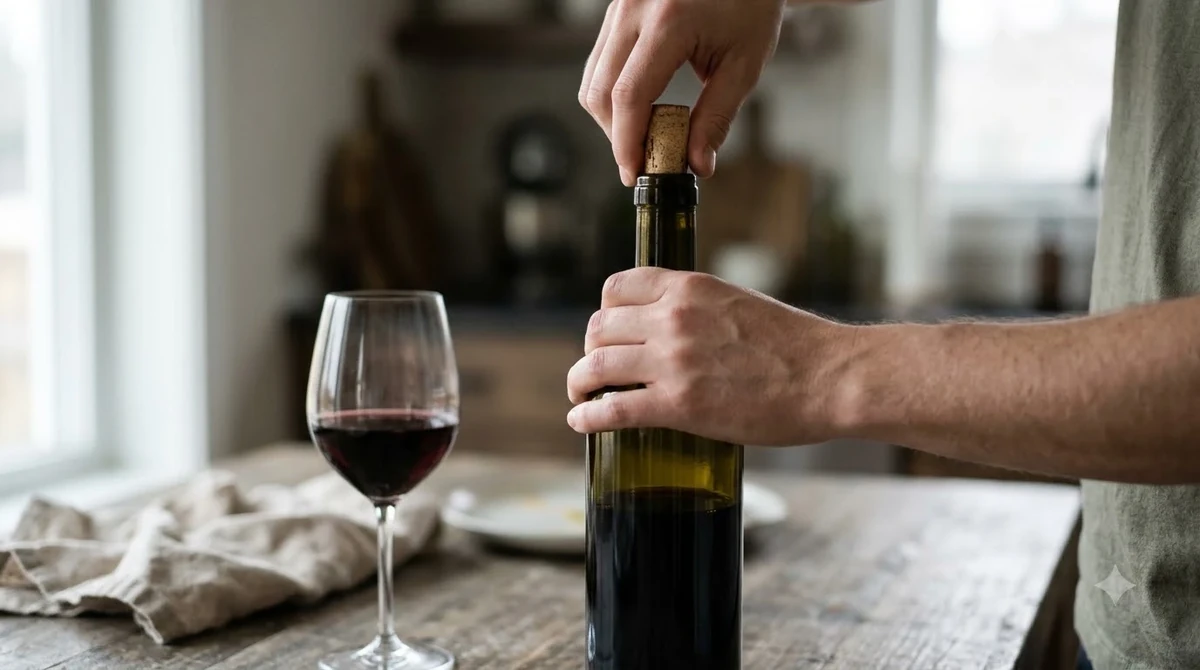
Refrigerate the bottle for several hours before serving, or use an ice bucket with ice and water for a faster chill. Open it carefully with one hand controlling the cork and the other turning the bottle, then pour slowly into clean glasses. A tulip-shaped sparkling glass gathers aromas while retaining bubbles better than a broad coupe; a white-wine glass also works if aroma matters more than maximum fizz.
For longer storage, keep unopened bottles in a cool, dark place near 55°F and lay them on their sides. Avoid a kitchen counter above an oven, a sunny shelf, or the trunk of a parked car. Once opened, refrigerate the remaining wine with a proper sparkling-wine stopper and aim to finish it within one to three days; carbonation gradually fades, and a regular flat-wine stopper will not preserve bubbles as well.
Tip: Chill the bottle to 40–50°F, keep a sparkling-wine stopper ready, and pour 5 oz servings. That gives a 750 ml bottle about five standard glasses and makes it easier to estimate how many bottles a dinner or toast requires.
Frequently Asked Questions
These quick answers cover details that are easy to miss when comparing store-brand Champagne. The legal, technical, and identification points below add context beyond the bottle’s basic 750 ml format and Brut style.
How many grape varieties are legally allowed in Champagne?
The Champagne appellation permits seven grape varieties, not only the three most common in blends. The five less common varieties are Arbane, Petit Meslier, Pinot Blanc, Pinot Gris, and Chardonnay Rose. Together, these five account for only a very small share of the region’s plantings.
How long must non-vintage Champagne age before release?
The appellation rules require non-vintage Champagne to age in the cellar for at least 15 months, while vintage Champagne must age for at least 36 months. These are minimum production requirements rather than a guarantee that extra years of home storage will improve a retail bottle.
What does Costco item number 942108 identify?
Costco’s product listing and wine-specialist coverage associate item 942108 with the Kirkland Signature Brut Champagne in the 750 ml bottle. The number is a retail product identifier, not a vintage, producer code, or quality grade. It can help when searching warehouse inventory, though availability still depends on the local store.
Can a Champagne producer buy grapes from other growers?
Yes. The Comité Champagne defines a négociant-manipulant as a producer who may buy grapes, must, or wines in addition to using fruit from its own vines. By contrast, a récoltant-manipulant makes Champagne from grapes sourced exclusively from its own vineyards.
How much sugar can a Brut Champagne contain?
The Comité Champagne defines Brut as containing less than 12 grams of sugar per liter. Extra Brut is lower, at 0 to 6 grams per liter, while Brut Nature contains less than 3 grams per liter or has no added sugar.
Kirkland Signature Brut is most compelling when the local shelf price feels fair for a fresh, dry French sparkling wine and the occasion suits its crisp style. Compare the region, producer information, and sweetness style before buying, then serve it well chilled and enjoy it while the bubbles are lively.
More in Wine Brands
 Underwood Wine Price: Compare Bottles, Cans, and Pack SizesUpdated Nov 21, 2026
 Zenato Wine Price: Compare Styles and Choose the Right BottleUpdated Nov 21, 2026
 Zuccardi Wine Price: Compare Bottles and Find the Right RangeUpdated Nov 21, 2026
 Yellow Tail Moscato Review: Taste, Sweetness and Serving TipsUpdated Nov 21, 2026
 Wolf Blass Yellow Label Review: Choose Your Best StyleUpdated Nov 21, 2026
 Wolffer Estate Rose Review: Choose the Right Bottle for Your TableUpdated Nov 21, 2026