

We may earn a commission when you buy through links on this page, at no extra cost to you. Learn more.
Kirkland Signature wine is the private-label wine line sold under Costco’s own brand, positioned as name-brand quality at a lower price. The label has existed since Costco launched its Kirkland Signature brand in 1995, and it covers a range of everyday wines that shoppers often pick up at Costco warehouses and online.
If you have seen Kirkland Signature wine in a Costco cart and wondered whether it is worth buying, this guide explains what the label is, how the brand works, what to look for on the bottle and how to pick a good everyday bottle from the range.
What Kirkland Signature Wine Is
Kirkland Signature is Costco’s store brand, and wine is one of the categories under it. The name comes from Kirkland, Washington, the location of Costco’s original headquarters. The brand launched in 1995 and has grown into one of the largest private-label programs in retail, covering food, household goods and beverages as well as wine. The Kirkland Signature overview describes the brand’s history and scale.
The stated aim is simple. Costco says the brand is meant to deliver quality that matches well-known names at a discounted price, and its Kirkland Signature page states that the brand means quality and value. Because the wine is sold through a large warehouse network, the selection changes more often than a typical grocery shelf, and a bottle you liked may not be on the shelf the next time you visit.
For a wider look at how wine producers and labels compare on the market, the wine brands guide covers the names you will see next to store-brand bottles.
How the Kirkland Signature Wine Range Works
Store-brand wine ranges are built to cover the everyday needs of a household. A typical lineup includes a few reds, whites and sparkling options, and the mix shifts as buyers and producers change the selection. The table below sums up how to think about the range when you shop.
| Type of bottle | What to look for | Best use |
|---|---|---|
| Everyday red | Fruit-forward style, moderate tannin | Weeknight dinners and casual gatherings |
| Crisp white | Bright acidity and a clean finish | Seafood, salads and warm-weather meals |
| Sparkling wine | Dry or off-dry labeling, fine bubbles | Celebrations and brunch |
| Blends and regional bottles | Listed region on the label | Trying a new style without a large commitment |
Labels can change from one season to the next, so the region and grape listed on the back of the bottle are a better guide than the product name alone.
What Quality to Expect
Store-brand wine is judged mostly on value and consistency. The goal is a dependable bottle that tastes like what it says on the label, not a showpiece wine. Expect a clean, approachable style with fruit forward flavors and balanced acidity in most bottlings.
That does not mean every bottle will match a pricier wine from a boutique producer. Structured reds, complex aged wines and single-vineyard bottlings usually come from smaller estates with more specific goals. For a weeknight table, though, the clean, easy-drinking style of a store-brand red or white is often exactly what people want.
Check the alcohol percentage and the region on the label. A lower alcohol wine tends to feel lighter and easier to drink with food, while a higher alcohol bottle usually has more body and warmth.
Shoppers who buy a lot of wine at once often find that the house style is more important than any single vintage. If you enjoy a soft, easy red one month, the next batch may taste a little different because the producers and sources can change. Keeping notes on bottles you like, with the region, grape and year printed on the label, makes it much easier to repeat a good buy.
It also helps to be realistic about what a store-brand bottle can do. It will usually offer clean fruit, a pleasant texture and a fair finish for the price, but it will rarely show the layered complexity of a small-production wine. Judging it by the right standard, as a reliable table wine, leads to more satisfied purchases.
How to Serve Kirkland Signature Wine
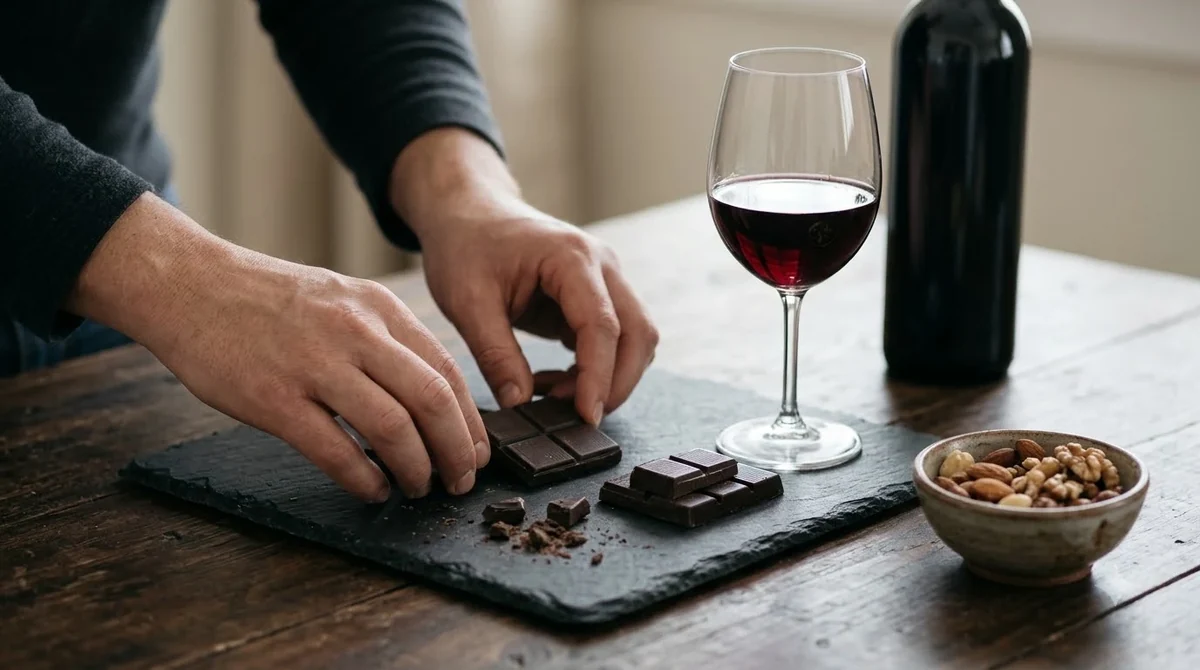
Serving temperature has a bigger effect on taste than most people realize. Whites and sparkling wines should be chilled, while most reds taste best slightly cool rather than warm. A short rest in the refrigerator is enough for many reds.
Glassware helps too. A medium-sized glass lets the aromas collect and makes the wine easier to smell and taste. Decanting is rarely needed for everyday store-brand reds, though a short period of air can soften a young, tannic bottle.
Once opened, reseal the bottle and refrigerate it if it is white or sparkling. Most reds keep for a few days when stored in a cool place, but sparkling wine loses its fizz quickly, so finish it the same day or use a sealed stopper.
Food Pairings That Suit Store-Brand Wine
The easiest rule is to match weight with weight. Lighter, crisp whites suit fish, chicken and salads, and fruit-forward reds handle burgers, roast chicken and tomato-based pasta. A sparkling wine works with a broad range of foods, from fried snacks to brunch dishes.
Reds with moderate tannin also pair well with cheese. A semi-hard cheese such as cheddar or Gouda tends to match everyday reds without overpowering them. Fresh fruit and light desserts suit a sweeter sparkling bottle.
When in doubt, pick a food you already enjoy and choose a wine from the same style family. That approach works better than trying to find a complicated match for a simple bottle.
How to Choose a Good Everyday Bottle
Start with the occasion. For a casual dinner, a fruit-forward red or a crisp white is a reliable choice. For a party or holiday meal, a sparkling wine or a slightly more structured red gives a bit more variety for guests.
Next, read the label. The region, grape and vintage tell you more about the taste than a product name does. If you enjoy a particular style, look for the same grape or region on the next visit, since the Kirkland Signature selection can rotate.
Finally, try a few bottles before committing to a case. Buying in bulk makes sense once you know which bottles you enjoy. Until then, a mixed selection lets you compare styles without a large commitment. Other store-style brands such as Barefoot wine or Stella Rosa wine are useful reference points if you want to compare styles, though they are sweeter and lighter than many reds.
Common Mistakes When Buying Store-Brand Wine
The most common mistake is judging a whole range by one bottle. Store-brand wines can vary from year to year, so a single disappointing bottle does not mean the line has changed for good. Try the same label again before writing it off.
Another mistake is serving reds too warm or whites too cold. Both can hide the flavor you paid for. A little time in the refrigerator for reds and a short rest for whites usually fixes the problem.
Frequently Asked Questions
Is Kirkland Signature wine good?
It is designed to offer dependable quality for everyday drinking, and many shoppers find it a good value. Judgments vary by bottle and by year, so it helps to try a few options and see which styles suit your taste.
Who makes Kirkland Signature wine?
Kirkland Signature is Costco’s private-label brand, so the wine is produced for Costco under its own label. Specific producers and regions can change, so the label on the bottle is the most reliable place to check the source.
Can I buy Kirkland Signature wine online?
Availability depends on the product and your location. Costco sells Kirkland Signature products through its warehouses and online store, and the selection can change, so check the current listing before planning a purchase.
What wine pairs with a Costco rotisserie chicken?
A crisp white with good acidity works well with roast chicken, and so does a lighter red with soft tannin. Choose the wine based on the seasoning, since a herb-heavy chicken pairs well with a fresh white.
Kirkland Signature wine gives everyday drinkers a simple way to explore styles without a big commitment. Start with a few bottles, note the ones you enjoy, and check the label for the region and grape. For more on how store brands compare with other labels, see the wine brands guide.
More in Wine Brands
 Underwood Wine Price: Compare Bottles, Cans, and Pack SizesUpdated Nov 21, 2026
 Zenato Wine Price: Compare Styles and Choose the Right BottleUpdated Nov 21, 2026
 Zuccardi Wine Price: Compare Bottles and Find the Right RangeUpdated Nov 21, 2026
 Yellow Tail Moscato Review: Taste, Sweetness and Serving TipsUpdated Nov 21, 2026
 Wolf Blass Yellow Label Review: Choose Your Best StyleUpdated Nov 21, 2026
 Wolffer Estate Rose Review: Choose the Right Bottle for Your TableUpdated Nov 21, 2026