

We may earn a commission when you buy through links on this page, at no extra cost to you. Learn more.
Andre Champagne is a budget sparkling wine from Gallo, the California winery company. Gallo introduced it in 1966 alongside Eden Roc, and the company describes André as the largest-selling sparkling wine brand in the United States. It is made for everyday celebrations rather than as a prestige bottle, and it is usually served well chilled.
If you have seen André on a grocery shelf and wondered what it is, or whether it is worth bringing to a party, this guide covers the brand’s background, its general style, how to serve it, and what to pair it with. The aim is to help you decide when it fits and when a different bottle might suit better.
Where the brand comes from
André belongs to the wider story of E. & J. Gallo Winery, a company founded in 1933 in California. According to the company’s own history page, Gallo introduced its first sparkling wines in 1966, and André was one of them, launched alongside Eden Roc. The page describes André as the largest-selling sparkling wine brand in the country, and it notes that Gallo has been recognized as the largest winery in the United States by sales volume.
Those milestones explain why the brand is so common. A sparkling wine that has been on shelves for decades, sold through large retail chains, becomes a familiar choice for people buying a bottle for a birthday, a holiday, or a simple toast. Familiarity is part of the appeal, even for shoppers who would never describe themselves as wine enthusiasts.
| Detail | What to know |
|---|---|
| Producer | Gallo, a California winery company |
| Wine type | Sparkling wine |
| Launch | 1966, introduced with Eden Roc |
| Market position | Often cited as the best-selling sparkling wine brand in the U.S. |
| Typical serving | Well chilled, in a flute or a standard wine glass |
| Best suited to | Everyday celebrations, parties, and mixed drinks |
Style and taste profile
Budget sparkling wines of this kind are generally made to be approachable and easy to drink. They tend to lean toward fruit-forward flavors, with the lighter notes of apple, pear, or citrus that many people associate with sparkling wine. Sweetness levels vary by bottling, so the label and the producer’s description are the best guides if you want a drier or sweeter bottle.
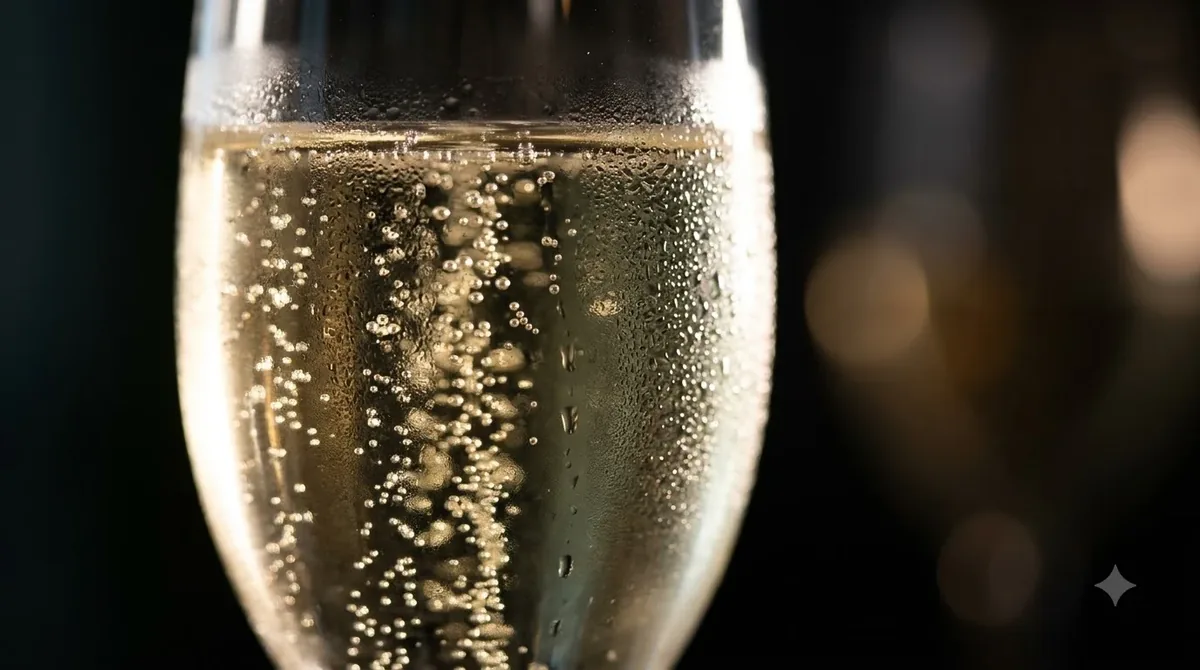
When you taste it, think of the bottle as a bright, simple drink first. The bubbles are the main event, and the fruit comes through without much oak or aging character. That is a common pattern for sparkling wines made to be consumed soon after bottling, and it explains why these bottles suit mixing and casual drinking as well as a glass on their own.
Expectations matter here. A bottle at this price will not show the layered complexity of a traditional-method sparkling wine from a small producer, and it is not meant to. What it offers is a reliable, bright, bubbly drink that works in the moment, which is exactly what many buyers want from a party bottle.
How to serve it well
Serve André cold. Sparkling wine loses its lift and aroma when it is warm, and a cold bottle also keeps the bubbles lively for longer. Chill the bottle in the refrigerator until it is thoroughly cold, or stand it in an ice bucket with water and ice for a while before you open it.
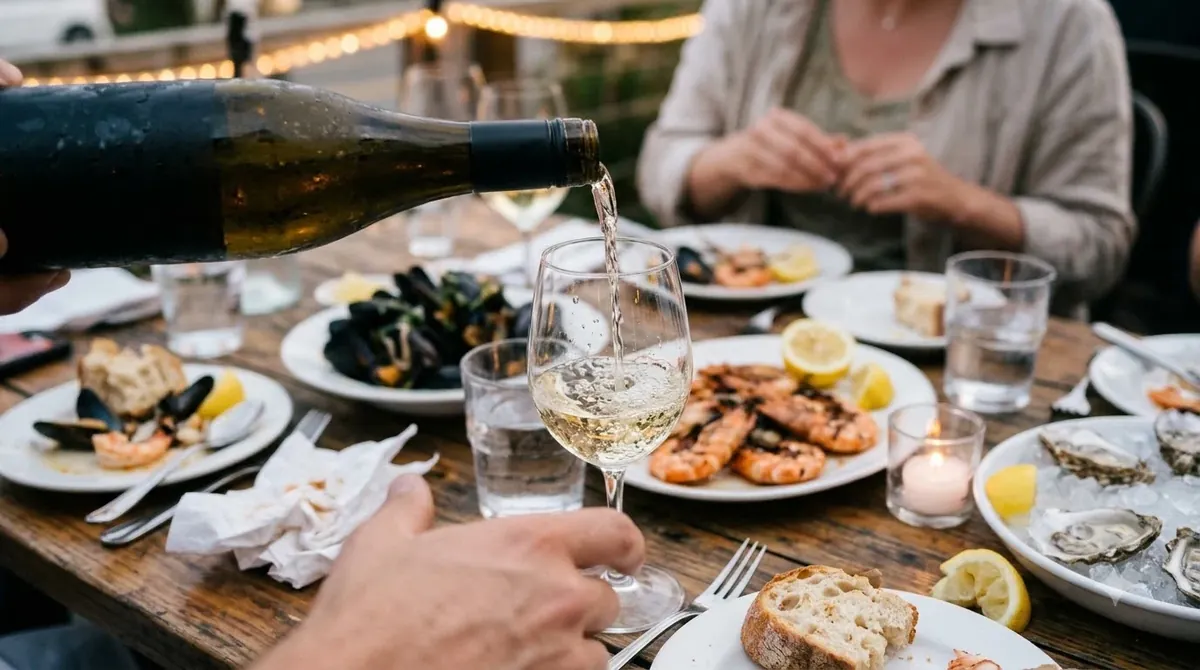
Serving well is mostly about temperature and glassware. A cold glass keeps the wine crisp, while a warm one tends to taste flat and sweet. If you are serving a group, open the bottle right before people sit down, and keep the rest chilled in the refrigerator or an ice bucket so later glasses taste as good as the first.
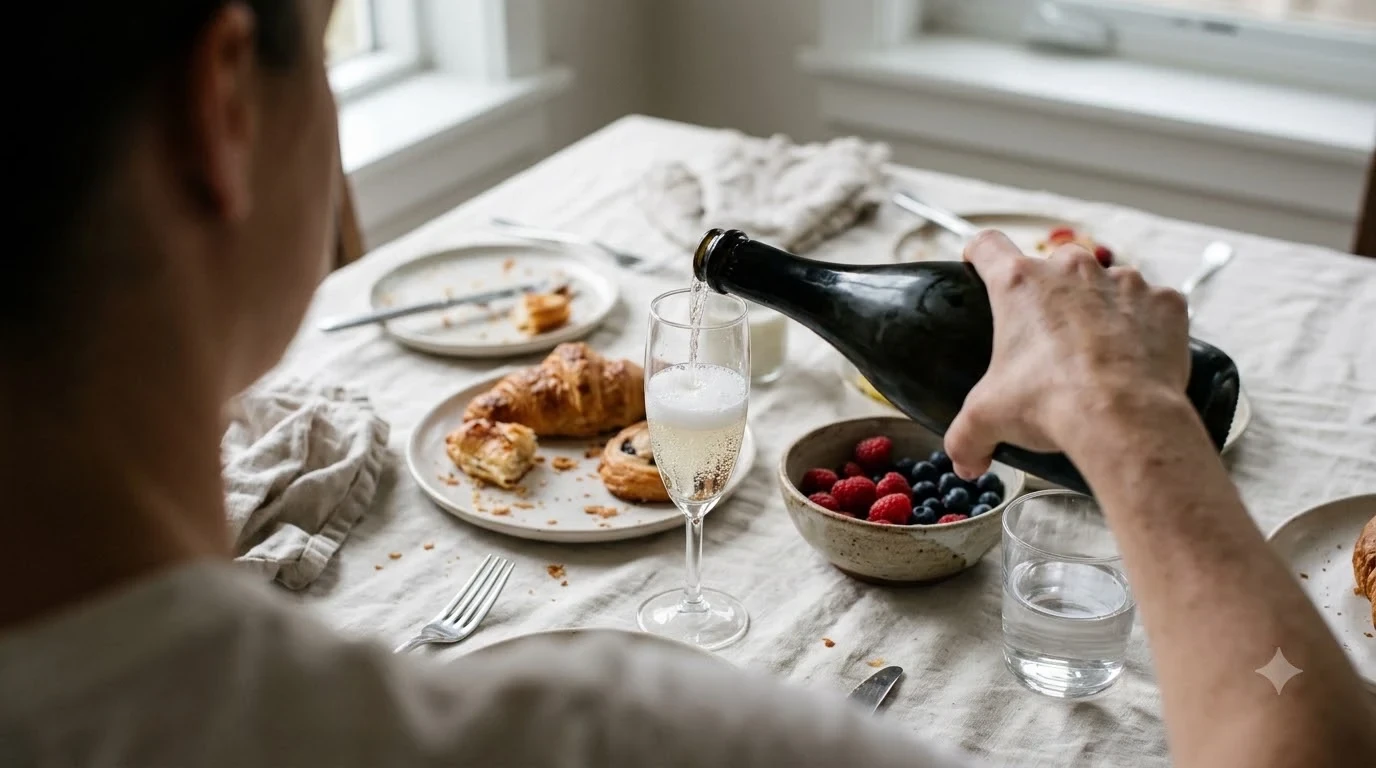
Open it gently. Remove the foil, keep a thumb over the cork, and turn the bottle rather than the cork until the cork eases out. Pour slowly into a flute or a standard wine glass, tilting the glass at first to limit the foam. Filling the glass only part of the way leaves room for the aromas to gather.
Sparkling wine is also useful for mixing. A splash of it can make a simple cocktail lighter, though a bottle used for mixing does not need to be opened as carefully as one you want to sip.
What to pair it with
Light, salty, and fried foods are natural partners for sparkling wine, because the bubbles and acidity clean the palate between bites. Popcorn, potato chips, fried chicken, and soft cheeses are easy choices. Fresh fruit and light desserts also work, especially if the bottle leans sweeter.
Pairing a casual sparkling wine is less about formal rules and more about balance. The wine is light and lively, so it works best with food that is equally easy going. Think of it as a companion for snacks, lunch-style plates, and desserts that are not overly sweet.
The safest rule for a budget sparkling wine is to pair it with food that is simple and not too heavy. Rich sauces and very spicy dishes can overwhelm a light bottle, so save those for a wine with more body. For an introduction to how wine styles are grouped, the wine brands hub on this site compares many well-known labels side by side.
How it compares with other sparkling wines
A budget sparkling wine like André sits in a different place from a Prosecco or a traditional-method bottle. Prosecco is typically made by a tank method and is often fresh and fruity, while a traditional-method bottle usually has more toasty, yeasty notes from extended aging on the lees. Neither style is better overall, but they suit different occasions.
If you are looking for a sweet, easy sparkling wine, you may also want to compare it with other popular labels from the same price range. The La Marca Prosecco profile on this site covers an Italian option, and Barefoot wine explains another widely sold American brand that many shoppers compare with André.
Who should choose it, and who might skip it
André is a good fit for a crowd, a potluck, or a holiday table where you need a reasonably priced bottle that everyone will enjoy. It also works well for people who want a bubbly drink without a serious study of wine. The brand’s long presence on shelves means it is easy to find in most American stores.
Think about the occasion before you buy. For a birthday, a backyard gathering, or a holiday brunch, a familiar sparkling wine can be the right tool for the job. For a dinner where the wine is part of the conversation, a bottle with more character may make a better impression.
Skip it if you are buying a sparkling wine to impress a serious wine drinker or to serve as a reference for a special occasion. A bottle from a smaller producer or a traditional-method sparkling wine will usually show more depth. If you are also thinking about where to buy, the producer’s own page on gallo.com gives the company’s history and product information in its own words.
Frequently Asked Questions
What is Andre Champagne?
It is a sparkling wine made by Gallo, introduced in 1966. It is a budget, widely sold bottle used for everyday celebrations and parties.
Who makes Andre Champagne?
Gallo, the California winery company founded in 1933, makes the brand. The company’s history page describes André as one of its first sparkling wines.
How should you serve Andre Champagne?
Serve it well chilled, in a flute or a standard wine glass. Open it gently and pour slowly to keep the foam under control.
Is Andre Champagne sweet or dry?
Sweetness can vary by bottling, so check the label or the producer’s description. Budget sparkling wines are generally approachable and fruit-forward rather than very dry.
André is a familiar, easy-to-find sparkling wine with a long history behind it. Serve it cold, pair it with simple foods, and choose it when you want a crowd-pleasing bottle rather than a serious tasting. For something more complex, a traditional-method sparkling wine is the next step.
More in Wine Brands
 Underwood Wine Price: Compare Bottles, Cans, and Pack SizesUpdated Nov 21, 2026
 Zenato Wine Price: Compare Styles and Choose the Right BottleUpdated Nov 21, 2026
 Zuccardi Wine Price: Compare Bottles and Find the Right RangeUpdated Nov 21, 2026
 Yellow Tail Moscato Review: Taste, Sweetness and Serving TipsUpdated Nov 21, 2026
 Wolf Blass Yellow Label Review: Choose Your Best StyleUpdated Nov 21, 2026
 Wolffer Estate Rose Review: Choose the Right Bottle for Your TableUpdated Nov 21, 2026