


We may earn a commission when you buy through links on this page, at no extra cost to you. Learn more.
A duckhorn wine review points most buyers toward the Napa Valley Merlot first: it is the estate’s signature style, balancing ripe dark fruit with polished structure and enough freshness to work at the dinner table. Duckhorn also makes Cabernet Sauvignon, Sauvignon Blanc, Chardonnay, and distinctive vineyard-designated bottlings, so the right bottle depends on how much body, tannin, and oak you enjoy. This guide explains the differences between the core wines, the Three Palms name, and the separate Decoy label so you can choose with a clear idea of what is in the glass.
Duckhorn Vineyards has a specific place in Napa Valley wine history because founders Dan and Margaret Duckhorn backed premium Merlot at a time when many local wineries treated it mainly as a blending grape. That history informs the range, but the right bottle still depends on your preferred grape, vineyard designation, and meal.
Who This Is For
Duckhorn suits wine drinkers who want Napa Valley character and a recognizable producer across several classic varieties, particularly Merlot and Cabernet Sauvignon. It suits buyers who want a structured red for grilled food or a white wine with more texture than a simple patio pour.
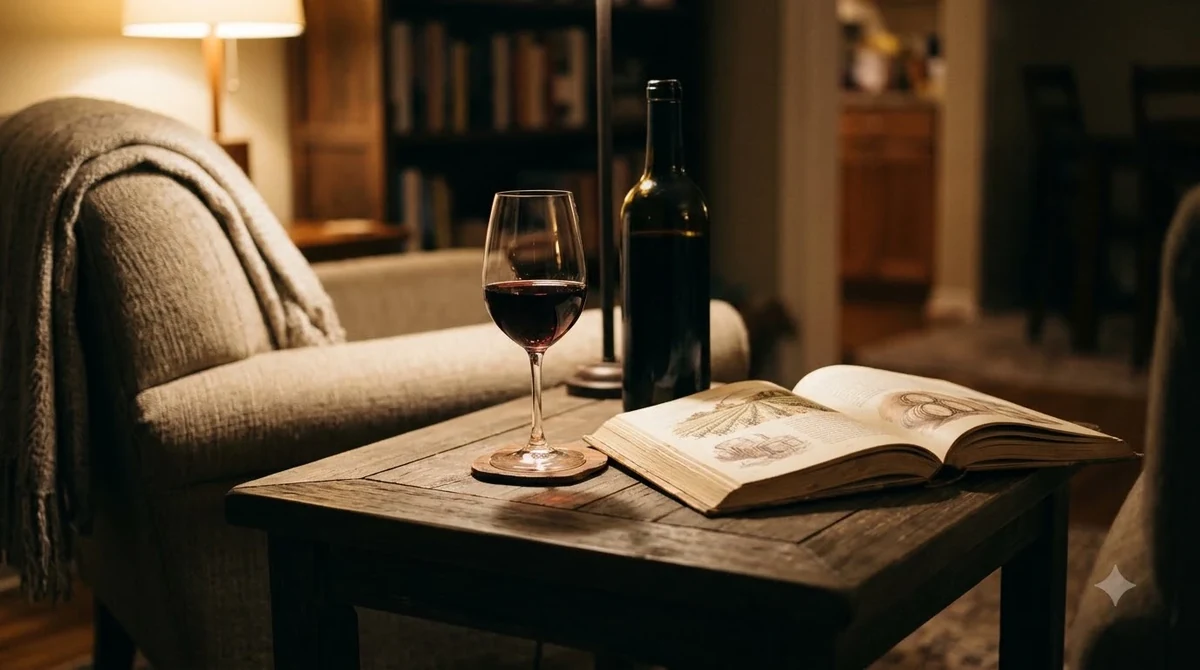
Merlot is the natural starting point if you like plum, black cherry, and a softer tannin profile than Cabernet Sauvignon. Wine Enthusiast’s review of the Duckhorn Vineyards 2023 Napa Valley Merlot describes dark cherry, chocolate, balsamic, mint, black pepper, and a palate lifted by acidity; it is a useful snapshot of how the estate can combine generosity with freshness rather than making a flat, jammy red. That is a useful profile to keep in mind, although each vintage differs.
Cabernet Sauvignon makes more sense for drinkers who prefer firmer grip and a darker, more structured finish. Duckhorn’s Napa identity also appeals to people who enjoy wine with a sense of place: the estate’s official vineyard map includes sites in areas such as Calistoga, St. Helena, and Howell Mountain, each with different soils, elevations, and growing conditions. A bottle that names a vineyard or sub-appellation gives you more detail than a broad regional label.
Duckhorn may not suit drinkers seeking a very light red or an inexpensive everyday bottle; its focus is varietal expression and Napa fruit. To compare a separate label in the wider family, see the Duckhorn Decoy wine label rather than assuming every bottle with a related name is the same tier or style.
Key Factors to Compare
The most useful comparison is the grape first, followed by the vineyard designation and the role you want the wine to play at the table. Merlot typically brings medium, softer tannin; Cabernet Sauvignon brings high tannin; and Sauvignon Blanc usually has higher acidity than Chardonnay.
| Wine or label | Typical structure | Site or history detail | What to compare | Good buying cue |
|---|---|---|---|---|
| Napa Valley Merlot | Medium tannin; medium to full body | Duckhorn’s first harvest was 1978 | Plum, dark cherry, baking spice, oak, freshness | Signature starting point for a balanced Napa red |
| Three Palms Vineyard Merlot | More concentrated, age-worthy structure | 73.66 acres; 357 feet elevation | Named vineyard, mineral detail, depth, tannin | Choose when vineyard identity and cellar potential matter |
| Cabernet Sauvignon | High tannin; firm structure | Stout Vineyard: 2,080 feet in Howell Mountain | Dark fruit, oak influence, grip, finish | Choose for steak, lamb, or a more assertive red |
| Sauvignon Blanc | High acidity; bright profile | Marlee’s Vineyard: 16.43 acres; 246 feet elevation | Citrus, tropical fruit, herbal notes, texture | Choose for seafood, salads, and fresh cheeses |
| Chardonnay | Medium acidity; broader texture | Napa Valley debut: 2012 | Pear, citrus, oak, lees-derived texture | Choose for roast chicken, richer fish, or creamy dishes |
| The Discussion | Structured red blend | Cabernet Sauvignon and Merlot in the blend | Grape proportions, site, oak, and finish | Choose when you want a more ambitious estate red |
Choose the grape before comparing bottlings. Merlot is the softer red choice; Sauvignon Blanc’s higher acidity suits lemon or vinaigrette, while Chardonnay offers a broader texture. Duckhorn describes French oak barrel fermentation and lees stirring as part of its Napa Valley Chardonnay approach, so it is not simply a neutral, unoaked white.
Vineyard names add useful context, although they do not guarantee a personal favorite. Duckhorn describes nine estate vineyards with differences in soil, terrain, microclimate, and exposure. Three Palms in Calistoga is a warm, up-valley site with lean soils and volcanic stones; the estate lists it at 73.66 acres and 357 feet in elevation, planted to Merlot and other Bordeaux varieties.
Step-by-Step: How to Choose a Bottle
Start with the occasion and preferred structure rather than the grandest vineyard name. These five steps narrow the choice to a style that fits your meal.
- Choose red or white. Choose Merlot or Cabernet Sauvignon for red, and Sauvignon Blanc or Chardonnay for white. The winery’s white program is a distinct part of its range.
- Decide how much tannin you want. Choose Merlot for softer tannin and Cabernet for a firmer, more structured finish. Merlot is usually the gentler introduction.
- Set the level of specificity. Napa Valley is the broadest designation. Three Palms names one site, while Howell Mountain signals a mountain-growing environment.
- Match the bottle to the food. Pair Merlot with roast beef, burgers, or mushrooms; Cabernet with steak or lamb; Sauvignon Blanc with goat cheese or oysters; and Chardonnay with roast chicken or seafood in butter sauce.
- Check the exact label and vintage. Confirm whether the bottle says Duckhorn Vineyards, Three Palms Vineyard, or Decoy, and note the vintage. These identify the core estate, a named vineyard wine, or a separate brand.
After narrowing the choice, compare the producer’s varietal description with an independent note. The winery’s estate vineyard overview explains why Three Palms, Marlee’s, and Stout are not interchangeable. For a recent Merlot reference, the Wine Enthusiast Duckhorn Merlot review identifies fruit and savory notes beyond a generic description of richness.
The standard Napa Valley Merlot is a sensible introduction; a single-vineyard wine suits buyers interested in a particular site. For more context, browse the wider Wine Brands directory and compare producers by region and principal grape.
Types or Styles Explained
Duckhorn’s range is not one uniform red-wine style: the main grape varieties lead to different levels of tannin, acidity, and weight. Merlot anchors the story, Cabernet Sauvignon offers more structure, and the white wines provide fresher or broader alternatives for different meals.
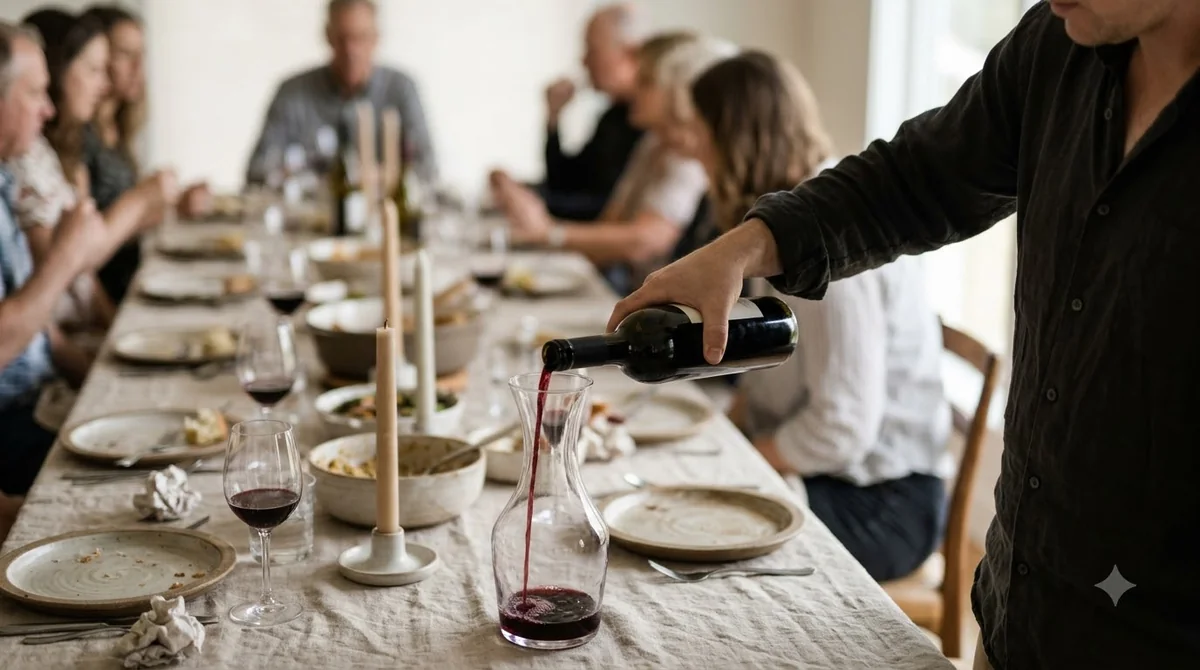
Merlot: the signature route in
Merlot is the clearest starting point. Founded in 1976, Duckhorn’s first harvest in 1978 included 800 cases of Three Palms Merlot alongside 800 cases of Cabernet Sauvignon. Dan Duckhorn’s commitment to premium varietal Merlot helped give the grape a more prominent place in Napa Valley. The standard Napa Valley bottling introduces the house style; Three Palms is the site-specific expression.
Expect plum and cherry, spice, and polished tannins. Merlot generally has medium tannin and a rounder feel than Cabernet Sauvignon, though oak and blending can add weight. Serve a fuller Merlot at 60 to 65 degrees Fahrenheit with savory food that can meet its concentration.
Three Palms Vineyard Merlot: a site-led selection
Three Palms has a special position because Duckhorn has made a vineyard-designated bottling from the site since 1978 and acquired the vineyard in 2015. The winery describes lean soils, volcanic stones, deep-rooted vines, and a warm up-valley Calistoga location, producing an intense, age-worthy wine with fruit and mineral layers.
Choose this label when the vineyard itself is part of the appeal. It is not just a different package for standard Merlot: the fruit comes from one named site and is intended to show concentrated character. It is a logical pick for comparing terroir and cellar development.
Cabernet Sauvignon and blends: more structure
Cabernet Sauvignon suits drinkers who enjoy firm tannins, dark fruit, and a substantial finish. Duckhorn’s first harvest included Cabernet from Stag’s Leap District and Howell Mountain, and its later portfolio included site-specific wines from Howell Mountain. Look for Cabernet or a red blend led by the grape.
The Discussion is an estate blend built around Cabernet Sauvignon and Merlot. It suits someone who enjoys both grapes and wants Cabernet’s structure with some of Merlot’s rounder texture. A blend is not automatically softer than a varietal wine; grape proportions, sites, vintage, and oak all affect balance.
Sauvignon Blanc and Chardonnay: two different white-wine paths
Sauvignon Blanc is the brighter white, with higher acidity and citrus, tropical-fruit, or herbal notes. Duckhorn introduced its Napa Valley Sauvignon Blanc in 1982, using Marlee’s Vineyard and other sites. Marlee’s remains central to the white-wine program, with well-drained sandy-loam soils near the Napa River.
Chardonnay is broader in texture, with medium acidity. Its Napa Valley debut came in 2012; Duckhorn describes French oak barrel fermentation and lees stirring as techniques for balancing richness and complexity. Choose Sauvignon Blanc for shellfish or goat cheese, and Chardonnay for roast poultry, creamy sauces, or richer fish.
Duckhorn Vineyards versus Decoy
Duckhorn Vineyards and Decoy are separate brands in the same wider collection. The collection’s directory lists them independently alongside other labels. A Decoy bottle should therefore be evaluated as Decoy, not assumed to be a lower-tier version of a particular Duckhorn Vineyards wine.
Choose Duckhorn Vineyards for the Napa estate identity, vineyard designation, or Merlot tradition. Consider Decoy as a distinct label in the collection. Learn more about Duckhorn wine. Readers focused on the signature grape can compare Duckhorn Merlot styles.
Common Mistakes
Do not treat every bottle associated with Duckhorn as the same wine or tier. Napa Valley Merlot, Three Palms Merlot, Cabernet Sauvignon, and Decoy can differ in grape, site, structure, and intended occasion.
Do not assume Merlot must be simple or low in structure. It generally has softer tannins than Cabernet Sauvignon, but a concentrated Napa Valley example can still feel substantial and age-worthy. Duckhorn describes Three Palms in terms of intensity and mineral layers. Explore the specific Merlot range rather than relying on the variety name alone.
Do not buy a red solely because its label names a prestigious appellation. Style also depends on grape, vintage, blending, and winemaking. Someone who prefers lower tannin may be happier with Merlot than a mountain Cabernet, while Sauvignon Blanc can better match acidic foods than a richer Chardonnay.
Do not serve red wine too warm or pair it automatically with the most expensive dish. Warmth can exaggerate alcohol, while tannin can seem harsher with lean food. Salt and fat soften tannin; spicy food can make alcohol and tannin seem more pronounced.
Care and Storage Tips
Good storage matters most if you plan to keep a structured Merlot, Cabernet Sauvignon, or single-vineyard bottle. Store bottles on their side in a cool, dark place near 55 degrees Fahrenheit, away from vibration.
Avoid temperature swings and sunlight; a shelf beside an oven or a sunny counter is unsuitable. For extended storage, a temperature-controlled wine refrigerator is more reliable than a standard refrigerator, which is colder than the usual target. The storage target is near 55 degrees Fahrenheit, with bottles resting on their sides.
Serving temperature changes the wine’s balance. Pour light whites and rosé at 45 to 50 degrees Fahrenheit, fuller whites at 50 to 55 degrees, light reds at 55 to 60 degrees, and full reds at 60 to 65 degrees. A young, full-bodied red can benefit from 30 to 60 minutes in a decanter.
Tip: Chill a full-bodied Duckhorn red briefly before serving if the room is warm. Starting near 60 degrees Fahrenheit is usually more successful than pouring it at a room temperature of 70 degrees or higher, which can exaggerate alcohol and make the finish feel less balanced.
A standard pour is 5 ounces, so a 750 ml bottle provides about five servings. Refrigerate opened still wine with a suitable closure and aim to finish it within 3 to 5 days; bring red wine back toward its serving temperature before pouring. Do not assume every Duckhorn wine has the same aging window: a concentrated vineyard Merlot or structured Cabernet differs from a fresh Sauvignon Blanc, so base cellaring decisions on the specific bottling.
Frequently Asked Questions
These details help distinguish the winery’s history and bottlings when comparing labels.
When did Duckhorn release its first Napa Valley Merlot?
The winery’s first Napa Valley Merlot vintage was 1979. Its inaugural 1978 harvest had already included Merlot from Three Palms Vineyard, so the vineyard’s early role and the first Napa Valley Merlot release are related but distinct milestones.
Can visitors taste at Duckhorn Vineyards right now?
The Duckhorn Vineyards tasting room closed for a year-long renovation beginning in April 2026, with a planned reopening in spring 2027. During the work, Napa Valley Vintners says guests are being hosted at The Duckhorn Collection at Paraduxx for anniversary-year tastings, so visitors should confirm the current booking location before making the trip.
What is The Discussion red wine?
The Discussion is an estate red blend that brings together Cabernet Sauvignon and Merlot. Duckhorn produced its debut vintage in 2006, positioning it as a pinnacle expression of the estate program rather than a basic entry-level red.
When did Duckhorn first make a Howell Mountain appellation wine?
Duckhorn produced its first Howell Mountain appellation-designated wine in 1989. The decision reflected the winery’s interest in the distinct character of Napa Valley mountain vineyards rather than treating the valley as one uniform growing area.
Why is the Three Palms Vineyard named that way?
The site takes its name from three distinctive palm trees. The winery says the vineyard’s volcanic stones absorb daytime warmth and radiate it back toward the vines at night, helping protect against frost and supporting ripening.
For most buyers, Napa Valley Merlot is the clearest introduction to Duckhorn’s identity, while Three Palms is the more focused choice for exploring vineyard character. Choose Cabernet for firmer structure, the white wines for brighter or broader pairings, and keep Decoy distinct from Duckhorn Vineyards when comparing the wider collection.
More in Wine Brands
 Underwood Wine Price: Compare Bottles, Cans, and Pack SizesUpdated Nov 21, 2026
 Zenato Wine Price: Compare Styles and Choose the Right BottleUpdated Nov 21, 2026
 Zuccardi Wine Price: Compare Bottles and Find the Right RangeUpdated Nov 21, 2026
 Yellow Tail Moscato Review: Taste, Sweetness and Serving TipsUpdated Nov 21, 2026
 Wolf Blass Yellow Label Review: Choose Your Best StyleUpdated Nov 21, 2026
 Wolffer Estate Rose Review: Choose the Right Bottle for Your TableUpdated Nov 21, 2026