

We may earn a commission when you buy through links on this page, at no extra cost to you. Learn more.
Duckhorn Merlot is a Napa Valley red from a winery founded in 1976, and it is built around ripe plum and cherry flavors with softer tannins than many Cabernet Sauvignons. The style is medium to full-bodied and works well with everyday meat dishes, mushrooms and roasted vegetables. Its approachable profile is the main reason many shoppers pick Merlot over bolder reds.
Merlot is one of the most popular red grapes in the United States, and Duckhorn is one of the producers most people think of when they look for a premium California bottle of it. The brand’s wines come from Napa Valley, where the estate has been based for decades. This guide explains what the Merlot tastes like, where the grape comes from, how to serve it and which foods make the best partners.
Where Duckhorn Merlot comes from
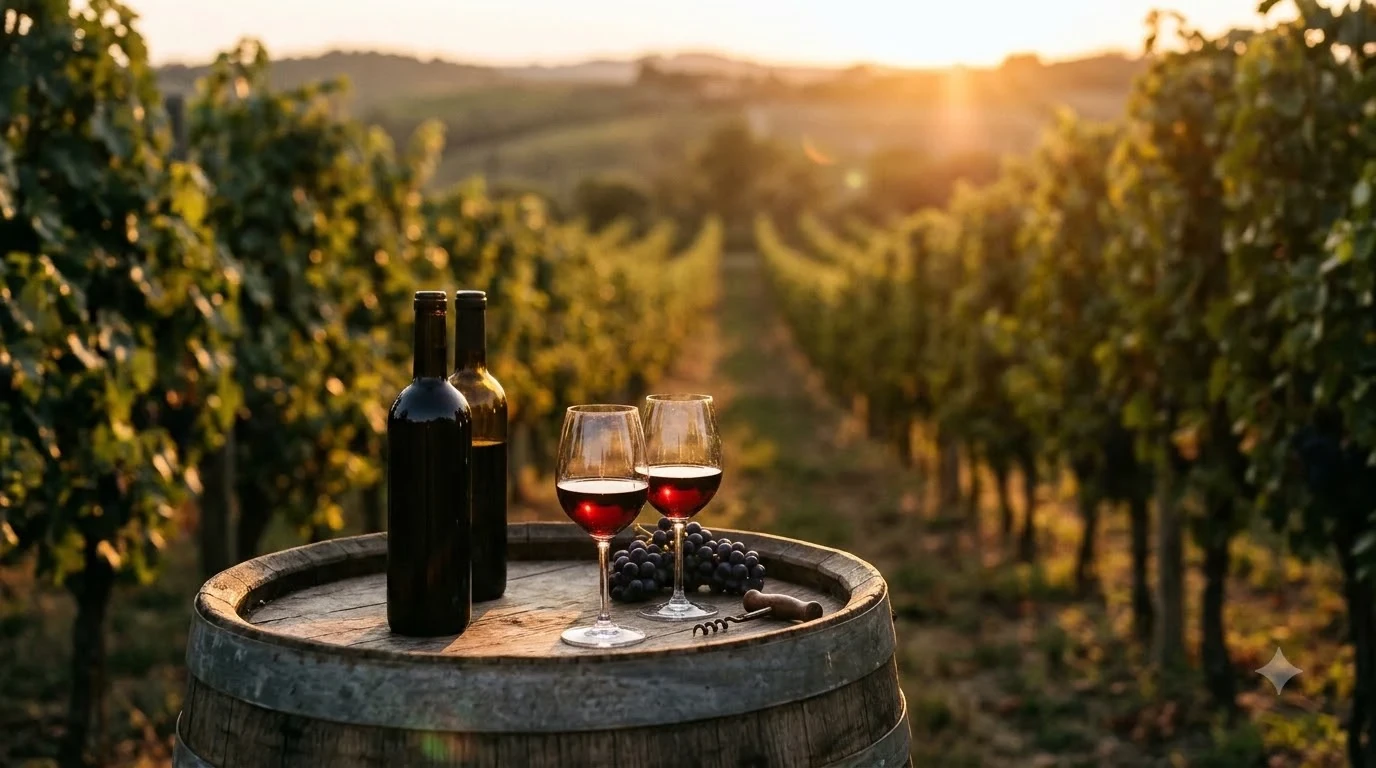
Duckhorn describes itself on its official website as a Napa Valley winery, and the site dates the company to 1976. The winery is based in St. Helena, in the heart of the valley, and the brand presents Napa as the foundation of its identity. Its website describes the company as “Rooted in Napa Valley,” and it recently marked a fifty-year anniversary with a special collection.
Napa Valley is a natural home for Merlot because its warm days and cool nights give the grapes enough ripeness for generous fruit without losing structure. Many Napa Merlots are blended or sold as single-vineyard wines, so the vintage and any vineyard name on the label are the clearest clues to the style. The company also sells other varietals, including Cabernet Sauvignon, Cabernet Franc and Chardonnay, so Merlot is one part of a wider range.
What Merlot tastes like
As Wine Folly’s Merlot guide lists it, the grape’s primary flavors include cherry, plum, chocolate and vanilla, with a bay leaf or herbal note in some bottles. Cooler-climate Merlot tends to show fresh red plum and cherry, while warmer regions produce baked blackberry and fruitcake aromas. Napa Merlot sits between those extremes, with ripe fruit, a soft texture and enough acidity to keep the wine lively at the table.
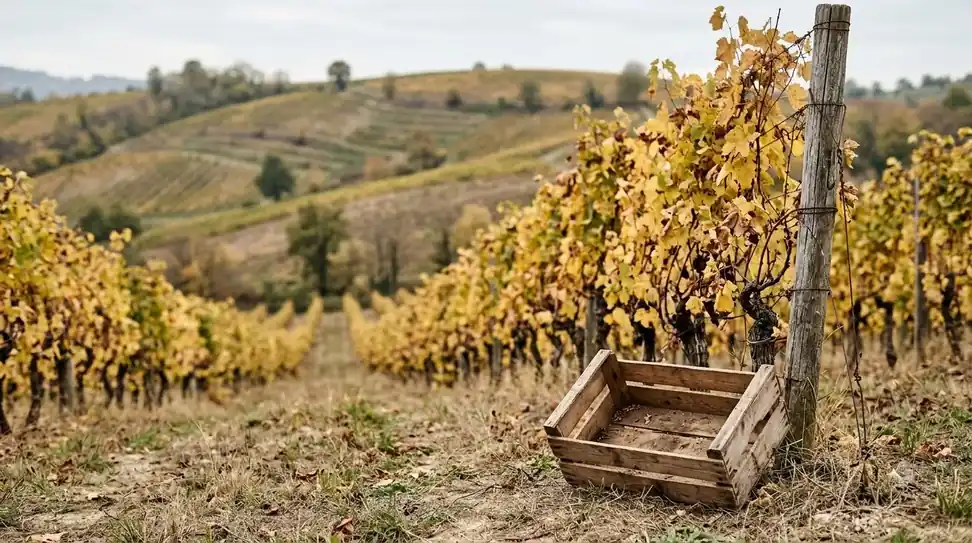
The grape’s history is tied closely to Bordeaux, where it makes up about 60 percent of the appellation’s vineyard plantings. Worldwide, Merlot ranks as the second most planted red grape behind Cabernet Sauvignon, so the style is found in almost every wine region, from Chile and Italy to California and Washington. That spread is one reason the flavor can vary so much from one bottle to the next.
Merlot is generally softer and less astringent than Cabernet Sauvignon. Its tannins are rated in the medium-high range by Wine Folly, but they tend to feel rounder and less grippy, which is why many people find it easier to drink with a meal. The body is usually medium to full, and alcohol often falls between about 13.5 and 15 percent by volume, depending on the vintage and the producer’s harvest decisions.
| Merlot style | Typical flavors | Good with |
|---|---|---|
| Cool-climate, lighter | Red plum, cherry, bright acidity | Pizza, pasta with tomato sauce |
| Napa Valley, full | Ripe blackberry, chocolate, vanilla | Grilled steak, roast lamb |
| Bordeaux-style blend | Dark fruit, herbs, firm structure | Roast turkey, beef short rib |
How to serve Duckhorn Merlot
Serving temperature makes a noticeable difference with Merlot. A good range is 60 to 68 degrees Fahrenheit, which is slightly cooler than a warm room. Wine that is too warm can taste heavy and alcoholic, while a bottle that is a little cool opens up as it sits in the glass.
Decanting for about 30 minutes is a useful step for a young or full-bodied bottle, because it lets the fruit and oak aromas develop. A large red wine glass gives the aromas more room, and it helps if you pour no more than about a third of the bowl so the wine can release its scent.
Tip: If the bottle tastes closed when you first open it, leave it in the glass for 15 to 20 minutes before judging. Merlot often gains a rounder, more open character as it breathes.
Food pairings that suit Merlot
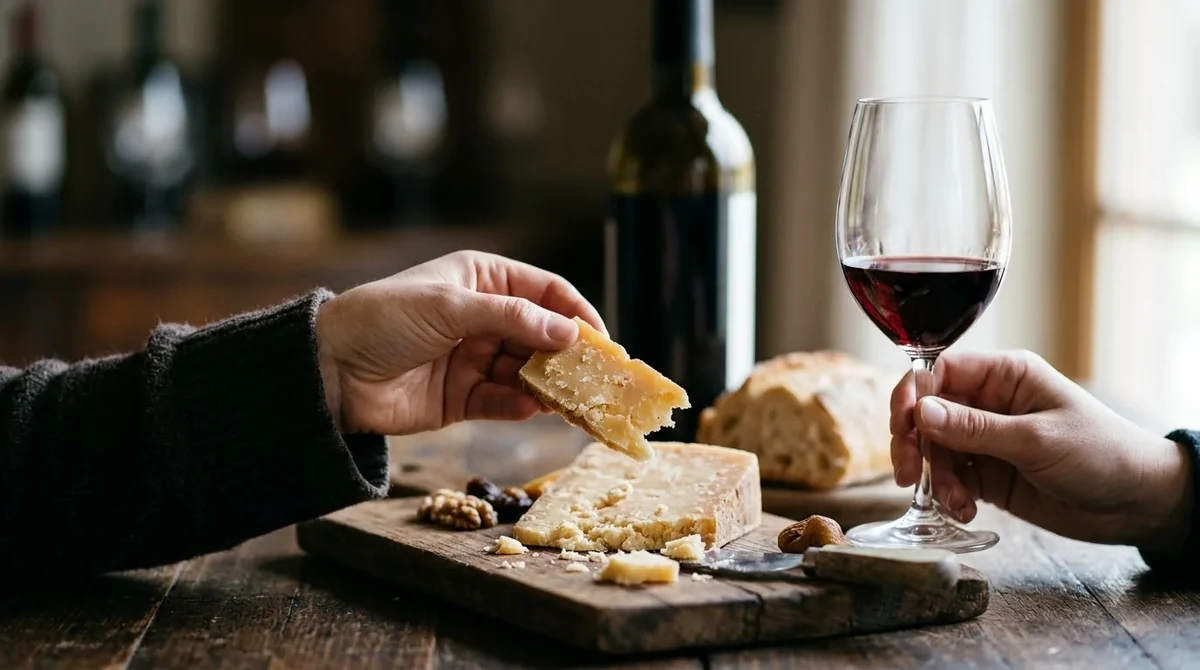
Merlot is one of the easiest red wines to match with food. Simple, fruit-forward styles work with pizza, barbecue chicken and pasta alla Boscaiola, where the wine’s fruit complements the tomato, smoke and cured meat. Its softness also makes it a good partner for mushroom dishes and roasted root vegetables, since it does not overpower delicate flavors.
Bordeaux-style blends and Napa Merlots handle richer food. Roast turkey, beef short rib and rustic ratatouille all suit the wine’s medium-full body. For a special meal, a fuller Merlot can pair with lamb, veal or a peppercorn sauce, where its dark fruit and structure stand up to the richness of the dish.
How Duckhorn Merlot compares with other reds
Shoppers comparing Merlot with Cabernet Sauvignon usually notice the difference in structure first. Cabernet tends to feel firmer and more tannic, while Merlot feels rounder and easier to drink young. That is one reason Merlot became a popular everyday red in the United States. If you want to see how a brand with a similar name approaches the style, the duckhorn wine guide covers the broader range from the same producer.
Merlot also appears in many mass-market blends and value brands. If you are comparing a premium bottle with a lower-priced one, look at the producer’s region and whether the label names a vineyard. Those details often explain the difference in texture and fruit more clearly than the price on the shelf. Producers that work with one appellation and a single grape usually show a more consistent style from year to year, which is useful if you want to buy the same bottle again for a regular dinner.
Choosing a bottle of Merlot
Start with the style you want. A lighter, cool-climate Merlot is a good choice for casual dinners and for drinkers who prefer red wine with less weight. A Napa Valley bottle suits a richer dinner or a gift, since it shows more fruit and oak. A Bordeaux-style blend works when you want a structured wine that can handle roasts and hearty stews.
When you read the label, check the vintage and the appellation first. Napa Valley is a recognized American appellation, and a bottle that names it tells you the grapes were grown in that region. Some producers also list alcohol content on the label, which helps you judge how heavy the wine will feel.
Frequently Asked Questions
Is Duckhorn Merlot a dry wine?
Yes. Merlot from this producer is made in a dry style, with fruit flavors rather than sweetness. The wine is best described by its body and tannin rather than sugar.
What food goes best with Merlot?
Pizza, pasta with tomato sauce, roast chicken and mushroom dishes are reliable matches. A fuller Napa Merlot also suits grilled steak and lamb.
Should I decant Duckhorn Merlot?
A short decant of about 30 minutes can help a young or full-bodied bottle open up. Lighter bottles can be poured straight from the bottle without any problem.
How is Merlot different from Cabernet Sauvignon?
Merlot is usually softer, with less astringency and rounder fruit, while Cabernet Sauvignon tends to feel firmer and more tannic. Both can age well, but Merlot is generally easier to enjoy young.
Duckhorn Merlot is a practical choice for anyone who wants a dependable Napa red with approachable fruit. Start with a bottle to see how the grape’s softness works with your favorite foods, then compare it with a Cabernet from the same region. The wine brands guide on this site lists other producers worth comparing.
More in Wine Brands
 Underwood Wine Price: Compare Bottles, Cans, and Pack SizesUpdated Nov 21, 2026
 Zenato Wine Price: Compare Styles and Choose the Right BottleUpdated Nov 21, 2026
 Zuccardi Wine Price: Compare Bottles and Find the Right RangeUpdated Nov 21, 2026
 Yellow Tail Moscato Review: Taste, Sweetness and Serving TipsUpdated Nov 21, 2026
 Wolf Blass Yellow Label Review: Choose Your Best StyleUpdated Nov 21, 2026
 Wolffer Estate Rose Review: Choose the Right Bottle for Your TableUpdated Nov 21, 2026