

We may earn a commission when you buy through links on this page, at no extra cost to you. Learn more.
This barefoot wine review finds that Barefoot is a good choice for casual wine drinkers who want approachable, fruit-forward wines in familiar styles, with options ranging from sweet Moscato to drier Sauvignon Blanc and fuller Cabernet Sauvignon. Its biggest advantage is variety: the brand offers red, white, pink, sparkling, and flavored wine-based selections. However, sweetness and structure differ considerably between bottles, so choosing by grape variety and flavor preference is more useful than choosing by label color alone.
Barefoot is a familiar name in American wine retail, particularly among shoppers looking for uncomplicated bottles for parties, casual dinners, and everyday occasions. Its selection includes recognizable grape varieties alongside sweeter blends and sparkling options. That range makes the brand accessible, but it also means two Barefoot bottles can deliver very different experiences. Understanding the sweetness, acidity, tannin, and intended serving style of each wine will help you find a bottle that actually suits your preferences.
Who This Is For
Barefoot is best suited to shoppers who value accessible flavors, familiar grape varieties, and flexibility across different occasions. Its selection includes options for people who enjoy sweet wine as well as those who prefer a crisper or more traditional dry style.
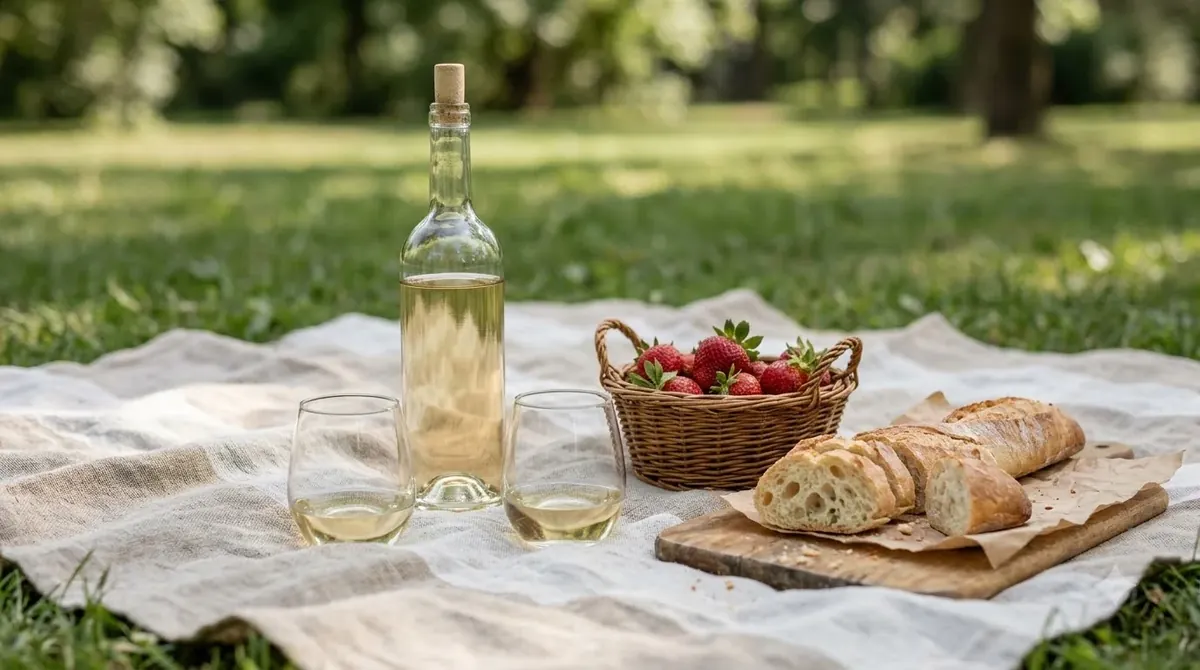
New wine drinkers may appreciate how recognizable the individual styles are. Moscato offers a sweet, aromatic introduction, Pinot Grigio provides a lighter alternative, and Merlot gives red wine drinkers a softer starting point than a strongly tannic Cabernet Sauvignon. These differences make it easier to explore personal preferences without immediately moving into unfamiliar regional or specialty wines.
Barefoot also suits hosts who need several wine styles for a mixed group. A gathering with people who enjoy sweet whites, dry whites, and fruit-forward reds can be easier to accommodate with a selection from the same brand. Its official wine portfolio overview identifies red, white, pink, bubbly, Fruitscato, and sweet wine categories, providing several directions for casual entertaining.
There are also reasons some shoppers may prefer another producer. Wine enthusiasts seeking distinctive vineyard expressions, complex aging potential, or detailed regional character may find the range less compelling than wines from specialized producers. Barefoot is primarily an accessible, everyday choice rather than a brand focused on collectible bottles or elaborate terroir expression.
Consider Barefoot if you:
- Prefer approachable fruit flavors over challenging or highly structured wines.
- Want sweet, semi-dry, and dry choices under one familiar brand.
- Need different styles for parties, picnics, and casual meals.
- Are learning the differences between varieties such as Moscato, Chardonnay, Merlot, and Cabernet Sauvignon.
- Want to experiment with smaller bottle formats before committing to a larger purchase.
If your priority is discovering more producers and regional styles, the broader selection in our guide to Wine Brands provides a useful starting point for comparing different approaches to winemaking.
Key Factors to Compare Before Choosing
The most important factors are sweetness, grape variety, body, acidity, and serving occasion. These characteristics explain why Barefoot Moscato and Barefoot Cabernet Sauvignon should not be treated as interchangeable choices.
Start with sweetness because it has a major influence on how a wine tastes alongside food. Moscato is a sweet option, while Sauvignon Blanc is positioned as a dry white. Chardonnay sits in a different category, offering a smoother profile with more restrained sweetness. Red selections also vary, with Sweet Red Blend and Red Moscato offering fruit-forward experiences compared with the more structured Cabernet Sauvignon.
The following comparison summarizes the main styles and their practical uses. The descriptions distinguish general grape characteristics from the particular flavor descriptions published by Barefoot.
| Wine or style | Sweetness direction | Typical character | Good pairing |
|---|---|---|---|
| Moscato | Sweet | Peach, pineapple, honey, floral aromas | Fresh fruit and mild desserts |
| Pink Moscato | Sweet | Juicy red-fruit character | Strawberries and spicy appetizers |
| Pinot Grigio | Generally dry | Light, crisp, citrus-oriented | Seafood and salads |
| Sauvignon Blanc | Dry | Fresh melon, citrus, herbal notes | Goat cheese and grilled vegetables |
| Chardonnay | Generally dry | Apple, peach, honey, vanilla | Roast chicken and creamy pasta |
| Merlot | Dry | Soft plum and dark-fruit character | Burgers and roasted poultry |
| Cabernet Sauvignon | Dry | Black fruit and firmer tannins | Steak and grilled beef |
| Sweet Red Blend | Sweet | Raspberry, plum, and cherry | Barbecue and casual appetizers |
Alcohol content is another useful comparison point. Different grape varieties and wine styles can have substantially different alcohol levels, so there is no single figure that describes the entire Barefoot portfolio. For example, Wine Enthusiast lists 9% ABV for its reviewed Barefoot Moscato and 13.5% ABV for its reviewed Cabernet Sauvignon. These examples illustrate why comparing individual bottles is more useful than assuming every variety has the same strength.
Body and tannin also affect the experience. Cabernet Sauvignon generally has high tannin, creating a firmer, more drying sensation, while Merlot typically has medium tannin and a softer texture. Pinot Noir usually has low-to-medium tannin and relatively high acidity. These grape characteristics can help shoppers predict how a red wine will feel even before considering the producer’s particular style.
For a practical example, a person who enjoys juicy fruit and minimal bitterness may prefer Moscato or Sweet Red Blend. Someone who wants a savory dinner wine may be more satisfied with Cabernet Sauvignon or Merlot. Comparing these characteristics is more reliable than assuming that all inexpensive wines taste alike.
Step-by-Step: How to Choose the Right Barefoot Bottle
A simple selection process can narrow the range considerably. Decide how sweet you want the wine, match the grape variety to your meal, and then select a bottle format and serving temperature.
-
Decide whether you want sweet or dry wine.
Start with this distinction rather than the color of the bottle. Moscato and Pink Moscato are suitable starting points for people who enjoy noticeable sweetness. Sauvignon Blanc and Chardonnay are better directions for shoppers who prefer dry white wines.
-
Choose between red, white, pink, and sparkling.
White wines work particularly well with lighter meals, while red wines generally suit richer savory dishes. Pink wines can provide a middle ground for casual occasions, and sparkling selections are useful for celebrations and brunch.
-
Match the grape to your flavor preference.
Try Pinot Grigio if you prefer crisp, lighter whites. Choose Chardonnay for a rounder white profile, Merlot for softer red fruit and tannin, or Cabernet Sauvignon for more structure and intensity.
-
Consider the food before purchasing.
For seafood, consider Sauvignon Blanc or Pinot Grigio. For burgers and roasted meats, consider Merlot. Cabernet Sauvignon is a stronger candidate for steak, while sweet Moscato is more suitable for fruit-based desserts.
-
Select an appropriate bottle size.
A standard 750 ml bottle provides approximately five 5 oz servings. Smaller formats can help with individual occasions, while larger formats make sense when several people will be drinking the same wine.
-
Plan the serving temperature.
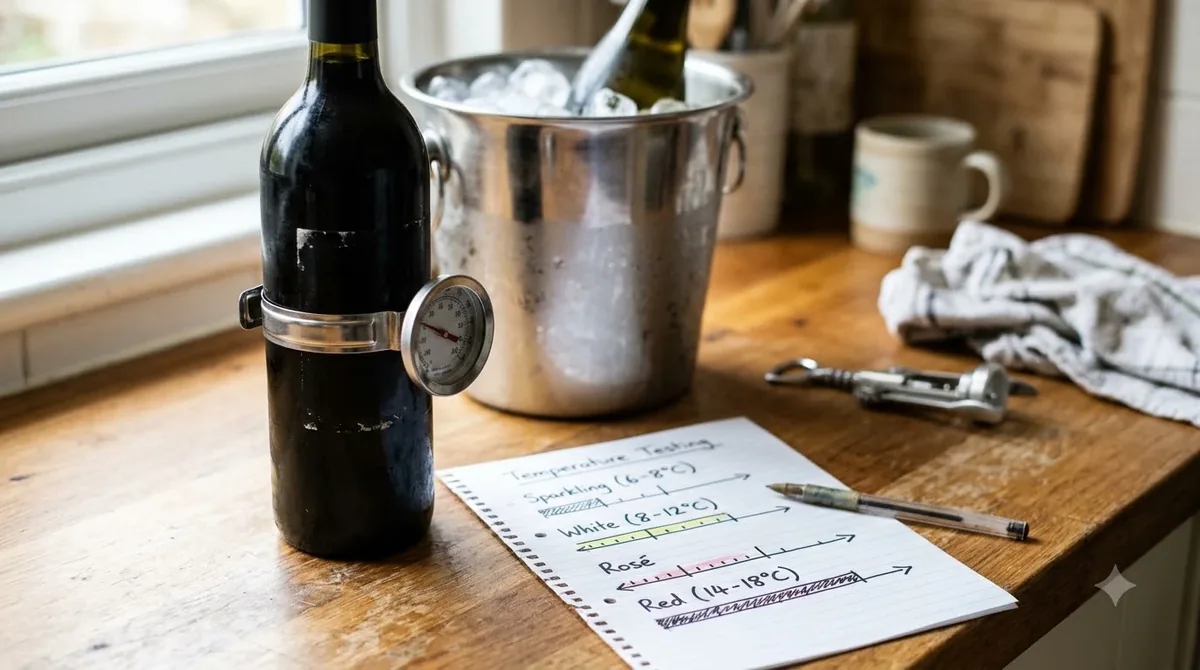
Chill light whites and rosé to approximately 45–50°F, serve full-bodied whites around 50–55°F, and keep full-bodied reds around 60–65°F. Sweet whites generally work well at 43–50°F.
-
Buy according to the occasion.
A small Moscato format may be practical for a single dessert pairing, whereas a larger format can be more convenient for a gathering. Consider how much wine you expect to serve and whether guests share the same taste preferences.
One useful approach is to begin with two contrasting bottles rather than purchasing several similar wines. For example, pairing a Moscato with a Pinot Grigio gives you a clear comparison between sweetness and crisp dryness. Trying Merlot alongside Cabernet Sauvignon can also reveal how tannin and body change the experience of red wine.
Tip: If you are unsure which Barefoot wine to choose, start with the sweetness level you already enjoy in other drinks. People who like sweet fruit-forward beverages may prefer Moscato, while those who prefer crisp, less-sweet flavors may find Sauvignon Blanc or Pinot Grigio more satisfying.
Barefoot Wine Types and Styles Explained
Barefoot’s portfolio covers several distinct categories, including conventional grape wines, sparkling wines, and fruit-flavored selections. Understanding these categories makes it easier to choose a bottle that fits your preferred flavor profile.
Sweet white wines: Moscato
Moscato is one of the brand’s most recognizable sweet styles. Barefoot describes its Moscato as a lively white wine with pineapple and orange blossom aromas, alongside peach, honey, and lemon zest flavors. Its light, crisp acidity provides some freshness against the sweetness.
This is a practical option for people who do not enjoy the sharper, drier characteristics of many traditional white wines. It can accompany fresh strawberries, peaches, fruit salads, and lighter desserts. For dessert pairings, remember that the wine should generally be at least as sweet as the food. A very sugary cake can make a less-sweet wine seem sour or thin.
Those considering this style can compare the options in our dedicated Barefoot Moscato guide.
Pink wines: Pink Moscato and White Zinfandel
Pink wines offer a fruit-forward alternative to conventional white and red selections. Pink Moscato is especially suitable for people who enjoy noticeable sweetness, while White Zinfandel is another recognizable option for shoppers interested in approachable pink wines.
Barefoot describes Pink Moscato as having sweet layers of red fruit. Cherry, raspberry, and pomegranate are among the flavor notes associated with the style. Its sweetness can work with spicy appetizers, fresh strawberries, and casual party foods.
Pink Moscato should not be confused with a traditional dry rosé. The two styles can look similar in the glass, but sweetness levels and flavor profiles may be substantially different. A shopper looking for a dry, crisp rosé should compare the individual product descriptions rather than assume every pink wine has the same characteristics.
Our Barefoot Pink Moscato article provides a more focused explanation of this sweeter option.
Dry white wines: Pinot Grigio and Sauvignon Blanc
Pinot Grigio is a sensible option for people who want a lighter white wine. Its typical profile emphasizes citrus, green apple, and refreshing acidity. It can pair with shrimp, grilled fish, salads, and simple vegetable dishes.
Sauvignon Blanc usually offers more pronounced acidity, making it useful with foods that have fresh citrus, herbs, or tangy dressings. Barefoot describes its version with honeydew melon and nectarine notes, complemented by jalapeño and sweet lime on the finish. These characteristics make it an interesting alternative to sweeter white selections.
Chardonnay: A smoother white option
Chardonnay provides a different experience from the sharper profile of Sauvignon Blanc. Barefoot describes its Chardonnay with green apple, peach, honey, and vanilla notes, presenting it as more dry than sweet. This makes it a practical option for people who prefer a rounder white wine without moving into an overtly sweet style.
Chardonnay pairs well with roast chicken, creamy pasta, and richer seafood dishes. Its medium acidity makes it versatile, although the weight of the dish should still influence the choice. A heavily buttered sauce generally works better with a fuller white than an extremely delicate seafood preparation.
Red wines: Merlot and Cabernet Sauvignon
Barefoot’s red range includes familiar grape varieties that offer different levels of tannin and body. Merlot is generally softer, with medium tannin and approachable dark-fruit flavors. It is useful for people who enjoy red wine but do not want an especially firm or drying finish.
Cabernet Sauvignon is typically more structured. Its higher tannin level makes it a natural companion for grilled beef, steak, and other protein-rich dishes. Salt and fat can soften the perception of tannin, which is why a well-seasoned steak can work better with Cabernet than a delicate fish dish.
Pinot Noir provides another alternative for shoppers who want red fruit and more noticeable acidity without the same tannic weight. It can pair with roasted poultry, mushrooms, and grilled salmon. Tannic red wines are generally less suitable for oily fish because the combination can produce an unpleasant metallic impression.
Sweet red blends and sparkling selections
Sweet Red Blend is designed for people who want red-fruit flavors and a softer finish. Its blend includes Zinfandel, Pinot Noir, Barbera, Grenache, and Petite Sirah, according to Target’s product description. Raspberry, plum, and cherry are the main fruit notes associated with the selection.
Barefoot also offers sparkling wines, including Bubbly Moscato Spumante and other bubbly styles. Sweet sparkling wines can work well with fruit desserts and celebrations, while drier sparkling wines offer more flexibility with savory appetizers. Sparkling wines are best served chilled, generally around 40–50°F.
The Fruitscato category deserves separate consideration because it includes wine-based blends with added natural flavors. These are different from conventional single-varietal wines, and shoppers should consider them as flavored alternatives rather than direct substitutes for traditional Chardonnay or Pinot Noir.
Common Mistakes When Buying Barefoot Wine
The most frequent mistake is assuming that every Barefoot wine is sweet. Another is selecting a bottle based on its color or familiar grape name without considering the food, acidity, alcohol, and tannin.
Assuming all Barefoot wines taste alike
The brand includes sweet Moscato, dry Sauvignon Blanc, smooth Chardonnay, and more structured Cabernet Sauvignon. Their flavor profiles differ considerably. Someone who dislikes sweet wine may be disappointed by Moscato but perfectly happy with Sauvignon Blanc.
Likewise, a shopper who expects all red wine to be dry may be surprised by Sweet Red Blend or Red Moscato. The word red identifies the wine’s broad style, not its sweetness level.
Confusing fruit flavors with residual sugar
Fruit-forward does not automatically mean sweet. A dry Cabernet Sauvignon can have strong blackberry or cherry aromas without tasting sugary. Similarly, a wine with citrus or peach aromas can still have a dry finish.
Residual sugar is the actual sugar remaining in the finished wine, while fruit aromas describe its smell and perceived flavor. These characteristics can overlap, but they are not identical. Understanding the distinction prevents shoppers from rejecting a dry wine simply because its description mentions ripe fruit.
Ignoring acidity and food pairing
Sweetness is only one part of food compatibility. Acidic dishes such as tomato-based pasta, lemon-seasoned fish, and vinaigrette salads generally need wines with equal or higher acidity. A low-acid wine can taste flat beside these foods.
Salt and fat can soften the perception of tannin, making Cabernet Sauvignon a good candidate for a fatty steak or grilled beef. Conversely, pairing a high-tannin red with oily fish can create a less pleasant combination. Sauvignon Blanc or Pinot Grigio is generally a better starting point for delicate seafood.
Choosing sweetness that clashes with dessert
A dessert can make a wine taste less sweet than it actually is. If the food contains concentrated sugar, a relatively dry wine may seem sour by comparison. Moscato can work well with fresh fruit and lighter desserts, while richer and sweeter desserts require careful matching.
Serving every bottle at refrigerator temperature
Very cold temperatures can mute aromas and make some wines seem less expressive. Light whites and rosé benefit from chilling, but full-bodied whites usually show more character at slightly warmer temperatures. Red wine also should not automatically be served at a warm room temperature, particularly in a heated home.
Use approximately 45–50°F for light whites, 50–55°F for fuller whites, 55–60°F for lighter reds, and 60–65°F for fuller reds. These ranges provide a better starting point than serving every style at the same temperature.
Care and Storage Tips for Better Wine
Proper storage and serving practices can improve the experience of an everyday bottle just as much as they can improve a more expensive wine. Keep unopened wine away from heat and sunlight, serve each style at an appropriate temperature, and refrigerate opened bottles.
Store unopened bottles consistently
For bottles with cork closures, horizontal storage helps keep the cork in contact with the wine. A cool, relatively stable environment near 55°F is a useful target. Avoid locations beside ovens, radiators, sunny windows, or other sources of temperature fluctuation.
Temperature stability is particularly important. Repeated exposure to heat can accelerate unwanted changes in wine, while direct sunlight can affect aromas and flavor. A dark cupboard or dedicated wine refrigerator is generally preferable to a kitchen counter exposed to afternoon sunlight.
Use the correct serving temperature
Chilling a wine does not mean making it as cold as possible. The goal is to retain freshness without suppressing aroma and texture.
- Sparkling wine: 40–50°F.
- Light white wines and rosé: 45–50°F.
- Full-bodied white wines: 50–55°F.
- Light-bodied red wines: 55–60°F.
- Full-bodied red wines: 60–65°F.
- Sweet white wines: 43–50°F.
A bottle of Moscato should generally be chilled before serving, while a Cabernet Sauvignon is better served slightly cooler than a typical warm room. A short period in the refrigerator can help bring an overly warm red into a more suitable range.
Preserve opened wine
Once opened, wine comes into contact with oxygen. This gradually changes its aromas and flavors, so resealing and refrigeration are important. Replace the original closure or use a suitable wine stopper, then place the bottle in the refrigerator even if it is a red wine.
Typical storage windows after opening are:
- Sparkling wine: approximately 1–3 days with an appropriate sparkling-wine stopper.
- Still white and rosé wines: approximately 3–5 days.
- Still red wines: approximately 3–5 days.
- Fortified wines: several weeks, depending on style and storage.
- Bag-in-box wines: approximately 4–6 weeks after opening, depending on the packaging and storage conditions.
These are practical estimates rather than guarantees. Wine may lose its freshness before the end of the suggested period, particularly if it was exposed to heat or left open for extended periods.
Know when decanting helps
Most approachable everyday wines do not require extensive decanting. A young, full-bodied red can benefit from approximately 30–60 minutes of aeration, especially if its tannins seem firm or its aromas initially appear restrained.
For a casual bottle of Merlot or Cabernet Sauvignon, simply opening it shortly before dinner may be sufficient. Delicate Pinot Noir generally needs less aeration than a more powerful red. Sweet Moscato and sparkling wines should not be treated like young tannic reds because their freshness and aromatic character are important parts of the experience.
Ultimately, storage and serving practices should be practical rather than complicated. A properly chilled bottle, a clean glass, and a suitable food pairing will usually make a more noticeable difference than unnecessary wine accessories.
Frequently Asked Questions
Is Barefoot wine considered good quality?
Barefoot is positioned primarily as an accessible everyday wine brand rather than a specialist producer focused on collectible bottles. Independent evaluations vary by bottle: Wine Enthusiast’s review of Barefoot NV Moscato describes a light-bodied, semisweet wine with peach, pineapple, and apple flavors, while its Cabernet review describes a more structured profile with black fruit and spice. These individual assessments are more useful than assigning one quality judgment to the entire brand.
Does Barefoot wine contain sulfites?
Many wines contain naturally occurring sulfites, and additional sulfur dioxide may be used during winemaking to help protect freshness. Target identifies sulfites in its product information for Barefoot Sweet Red Blend. People who need specific ingredient or allergen information should consult the individual bottle’s labeling and the producer’s customer service rather than assume every variety has identical ingredients.
Can Barefoot wine be used for cooking?
Yes, suitable dry Barefoot wines can be used in sauces, marinades, and braised dishes. Sauvignon Blanc or Chardonnay can work in white-wine sauces, while Merlot or Cabernet Sauvignon can add depth to beef stews and red-wine reductions. Avoid using a strongly sweet Moscato in savory recipes unless the recipe specifically calls for sweetness, because its sugar can change the balance of the finished dish.
How many calories are in a standard glass of Barefoot wine?
The exact calorie content depends on the wine’s alcohol level, residual sugar, and serving size. A standard wine serving is approximately 5 oz, but individual Barefoot varieties do not necessarily have the same nutritional profile. For an accurate figure, consult the nutrition information associated with the specific bottle rather than applying one calorie estimate to the entire brand.
Does Barefoot produce organic or vegan wine?
Organic certification and vegan suitability are separate product attributes, and neither should be assumed across an entire wine portfolio. Organic certification concerns grape-growing and production standards, while vegan suitability can depend on processing aids used during clarification. Shoppers who require either characteristic should seek confirmation for the specific product from the producer rather than relying on the Barefoot brand name alone.
Barefoot is a practical option for people who want familiar grape varieties, approachable fruit flavors, and several sweetness levels without making wine selection unnecessarily complicated. Moscato and Pink Moscato are sensible choices for sweeter preferences, while Sauvignon Blanc, Chardonnay, Merlot, and Cabernet Sauvignon offer alternatives for different meals and tastes. The best bottle is the one whose sweetness, structure, and flavor profile match the occasion, not simply the one with the most familiar label.
More in Wine Brands
 Underwood Wine Price: Compare Bottles, Cans, and Pack SizesUpdated Nov 21, 2026
 Zenato Wine Price: Compare Styles and Choose the Right BottleUpdated Nov 21, 2026
 Zuccardi Wine Price: Compare Bottles and Find the Right RangeUpdated Nov 21, 2026
 Yellow Tail Moscato Review: Taste, Sweetness and Serving TipsUpdated Nov 21, 2026
 Wolf Blass Yellow Label Review: Choose Your Best StyleUpdated Nov 21, 2026
 Wolffer Estate Rose Review: Choose the Right Bottle for Your TableUpdated Nov 21, 2026