

We may earn a commission when you buy through links on this page, at no extra cost to you. Learn more.
Barefoot Pink Moscato is a sweet, fruity, pink-tinted moscato from Barefoot Cellars, the Modesto, California brand known for approachable, easy-drinking wines. It is built on the floral and fruity profile of the Muscat grape family, so most drinkers notice perfume, light fruit, and sweetness before anything else. It is meant to be served cold and enjoyed young, and it suits casual drinking rather than serious cellaring.
Pink moscato is one of the most common sweet wines on American shelves, and Barefoot’s version is often the bottle people reach for when they want something light and sweet. This guide explains what barefoot pink moscato tastes like, how its sweetness compares with the standard moscato, how to serve it, and which foods work with it. It also covers who will enjoy it and who may prefer a drier style.
What Barefoot Pink Moscato is
Barefoot Pink Moscato belongs to the moscato family, a group of wines made from Muscat-type grapes. The name describes the style and the color more than a single vineyard or clone. The brand’s own site describes Barefoot as a wine brand of Barefoot Cellars in Modesto, California, and it highlights a range of wines in convenient formats, including portable, resealable mini boxes.
The brand’s website gives little technical detail about the Pink Moscato itself, so specific sweetness levels and tasting notes should be checked on the label or with the retailer. What is consistent across the category is the idea that moscato is sweet, aromatic, and light, and that a pink version adds a fruity, berry-leaning character to that base.
Flavor and sweetness of barefoot pink moscato
The aroma usually comes first. Moscato wines are known for perfumed notes such as orange blossom, honeysuckle, mandarin orange, and ripe pear, with tropical fruit in the background. The floral scent comes from linalool, a natural aroma compound that also appears in mint, citrus flowers, and cinnamon. In pink versions, Wine Folly’s guide notes a touch of strawberry, which fits the wine’s rosy color.
On the palate, the wine is light and easy, with a soft body and little tannin. Sweetness is the main feature, and a fresh, fruity finish keeps it from tasting heavy. Because the aromatics are so expressive, many people perceive a moscato as sweeter than its sugar content alone would suggest. That effect is part of why the style works so well for people who do not usually order wine.
| Style | Typical sweetness | Typical character |
|---|---|---|
| Barefoot Pink Moscato | Sweet | Berry and citrus fruit, floral aroma, light body |
| Standard moscato (still) | Sweet | Orange blossom, pear, light body |
| Moscato d’Asti (lightly sparkling) | Sweet | Mandarin and Meyer lemon, gentle fizz |
| Dry Muscat | Dry | Grapey, floral, firmer structure |
Alcohol level and how it changes the experience
Moscato is generally lower in alcohol than most table wines. Wine Folly’s moscato guide puts Moscato d’Asti at about 5.5 percent alcohol by volume, while it describes a typical wine as around 13 percent. Still moscato styles sit higher than the sparkling Asti, but they remain much lighter than a dry red or a full-bodied white. The lower alcohol keeps the wine refreshing across a long afternoon or evening, which is one reason it is popular at brunch and summer gatherings.
Because the wine is light, it also tends to be served in small pours. Drinkers who want a wine that will not overwhelm a meal often find that moscato fills that role well. For a closer look at the brand’s standard bottling, see the barefoot moscato guide, which compares the still style in more detail.
How to serve barefoot pink moscato
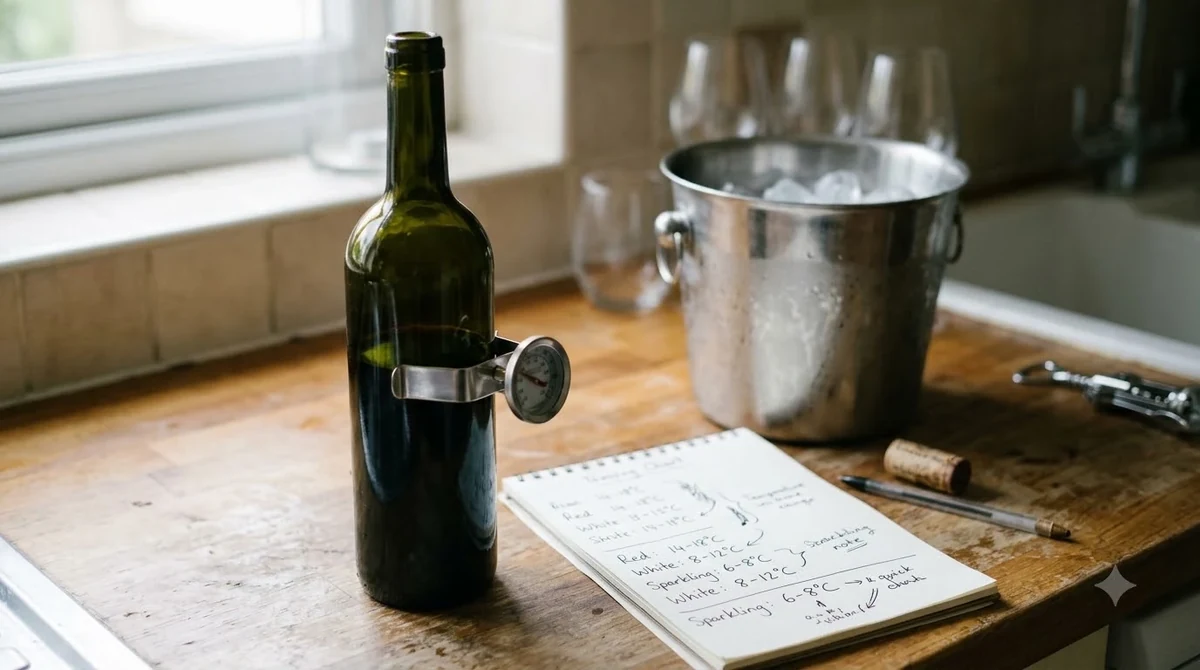
Serve it well chilled. Cold temperatures keep the sweetness in balance and bring out the fruit and freshness, so a few hours in the refrigerator is usually enough. Warm moscato tastes flatter and sweeter, and a bottle left in a sunny spot or on a counter during a party loses much of its appeal.
Glassware can be simple. A standard white wine glass lets the floral aroma collect, and a tall flute works well if you want a lighter presentation. Moscato does not need decanting. Open the bottle and pour, and treat the wine as something to enjoy young. Leftovers keep in the refrigerator for a few days with the cap replaced, but the fruit fades over time, so it is best finished soon.
Storage matters more than many people expect. Keep unopened bottles in a cool, dark place and avoid heat, since high temperatures can dull the aroma of any light, fruity wine. Once a bottle is open, the refrigerator is the right place for it. Moscato is also sold in boxes and larger formats, and the same serving advice applies to all of them.
Food pairing with pink moscato
Sweetness is a useful tool in food pairing, and moscato’s sweetness makes it a good partner for spicy and savory dishes. The wine cools heat and balances salt. Wine Folly recommends Asian cuisines in particular, especially Sichuan, Thai, and Vietnamese cooking, because the low alcohol and sweetness handle spicy food without adding heat of their own. Aromatic spices such as ginger, cinnamon, cardamom, and chile peppers are also natural partners.
For proteins, lighter dishes suit the wine best. Chicken, light flaky fish, and shrimp are common choices, and medium to firm cheeses made from sheep’s or cow’s milk work well alongside it. Fresh fruit such as strawberries, mango, or pineapple echoes the wine’s flavors, and a bowl of berries is an easy way to make a simple dessert match.
Richer desserts can be a harder match. A chocolate cake or a heavily buttered pastry can make a sweet wine taste thin, so pair moscato with lighter sweets such as fruit tarts, sorbet, or a plate of fresh berries. Matching sweetness to sweetness is the general rule: the dessert should be no sweeter than the wine, or the wine will seem flat.

Who barefoot pink moscato suits and who might skip it
This wine suits people who want an easy, pleasant white or blush for casual sipping. It works well for guests who do not usually order wine, for brunch, picnics, and summer gatherings, and for anyone who enjoys sweet, fruity flavors. Its wide availability and approachable style make it a practical choice for a crowd.
It may not suit drinkers who prefer dry wine, since it will taste sweet next to a crisp sauvignon blanc or a dry rosé. Wine enthusiasts who want a more specific expression of place or grape often look to smaller producers. If you are shopping for a bottle to age or to bring to a formal dinner, a drier wine from a specific region will usually be a better fit. For a broader view of the brand’s range, the Barefoot Wine official site lists its current wines, and the barefoot wine guide covers the wider lineup.
Frequently Asked Questions
Is Barefoot Pink Moscato sweet?
Yes. Moscato is a sweet style of white wine, and the pink version keeps that sweetness with a fruity, berry-leaning character. Most drinkers describe it as easy and approachable rather than syrupy.
How should I serve barefoot pink moscato?
Serve it well chilled, in a standard white wine glass or a flute. Keep it out of the sun during a party, and finish any open bottle within a few days.
What food goes well with pink moscato?
Spicy Asian dishes, especially Sichuan, Thai, and Vietnamese, are a strong match. Fresh fruit, light seafood, and medium to firm cheeses also pair well with its sweetness.
Is pink moscato the same as regular moscato?
They share the same Muscat-based style and sweetness. The pink version usually shows more red fruit, such as strawberry, while standard moscato leans toward orange blossom and pear. Check the label for the exact sweetness level.
Barefoot Pink Moscato is a practical, easy choice when you want a sweet, fruity wine that is simple to serve and simple to share. Chill it well, pair it with spicy or fresh foods, and it will fit a casual table without much fuss. For more options, browse the wine brands guide to compare other popular bottles.
More in Wine Brands
 Underwood Wine Price: Compare Bottles, Cans, and Pack SizesUpdated Nov 21, 2026
 Zenato Wine Price: Compare Styles and Choose the Right BottleUpdated Nov 21, 2026
 Zuccardi Wine Price: Compare Bottles and Find the Right RangeUpdated Nov 21, 2026
 Yellow Tail Moscato Review: Taste, Sweetness and Serving TipsUpdated Nov 21, 2026
 Wolf Blass Yellow Label Review: Choose Your Best StyleUpdated Nov 21, 2026
 Wolffer Estate Rose Review: Choose the Right Bottle for Your TableUpdated Nov 21, 2026