


We may earn a commission when you buy through links on this page, at no extra cost to you. Learn more.
Barefoot moscato is a sweet, lightly fruity white wine from the Barefoot brand, which E. & J. Gallo acquired in 2005 and now sells as one of the most recognizable entry-level moscatos in the United States. It is made to be easy to drink, with floral aromas, soft sweetness, and a relatively low alcohol level compared with table wine. Most buyers reach for it as an approachable dessert-style white for brunch, parties, or a casual evening.
Moscato is one of the most popular sweet wines in America, and Barefoot’s version is often the first bottle people try. This guide explains what barefoot moscato tastes like, how it fits within the broader moscato family, how to serve it, and which foods pair well with its sweetness. It also covers how to decide whether it suits your taste or whether a drier style would be a better choice.
What barefoot moscato is
Barefoot is a wine brand owned by E. & J. Gallo Winery, the large family-owned producer based in Modesto, California. According to the company’s history, Gallo acquired Barefoot in 2005, and the brand now offers a broad range of varietals and blends, including moscato, pinot grigio, zinfandel, merlot, and chardonnay, along with sparkling options. Moscato is one of the labels that drives the brand’s reputation for simple, fruit-forward wines.
The name points to the grape family rather than to one specific clone. Moscato is made from Muscat-type grapes, and the fruit gives the wine its strong floral and citrus aroma. Barefoot’s moscato is marketed as a sweet white rather than a dry one, which is why the label and the glass tend to read as “sweet” on the first sip.
Flavor and sweetness of barefoot moscato
The aroma usually comes first. Expect notes of orange blossom, honeysuckle, and ripe pear, with citrus and tropical fruit in the background. Because the aroma is so perfumed, many people perceive the wine as sweeter than it is. Sweet, fruity aromatics can make even a dry moscato taste sweet, and wine guides note that the floral compound linalool is largely responsible for that perfumed character.
On the palate, barefoot moscato is light and easy, with a soft body and little tannin. Sweetness is the main feature, balanced by a fresh acidity that keeps the wine from tasting heavy. Compared with a dessert wine, it is far lighter, so it can be enjoyed on its own over a long afternoon without feeling syrupy.
Moscato is also made in fizzy styles. Italy’s Moscato d’Asti is a lightly sparkling version that the Wine Folly moscato guide places around 5.5 percent alcohol by volume, which is well below the roughly 13 percent typical of regular table wine. Barefoot’s product is positioned as a still, easy-drinking white, so check the label for the exact alcohol level and sweetness before you buy.
| Style | Sweetness | Typical character |
|---|---|---|
| Barefoot moscato (still) | Sweet | Orange blossom, pear, light body |
| Moscato d’Asti (lightly sparkling) | Sweet | Mandarin, Meyer lemon, gentle fizz |
| Dry Muscat | Dry | Grapey, floral, firmer structure |
| Dessert moscato | Very sweet | Rich honey and ripe stone fruit |
How to serve barefoot moscato
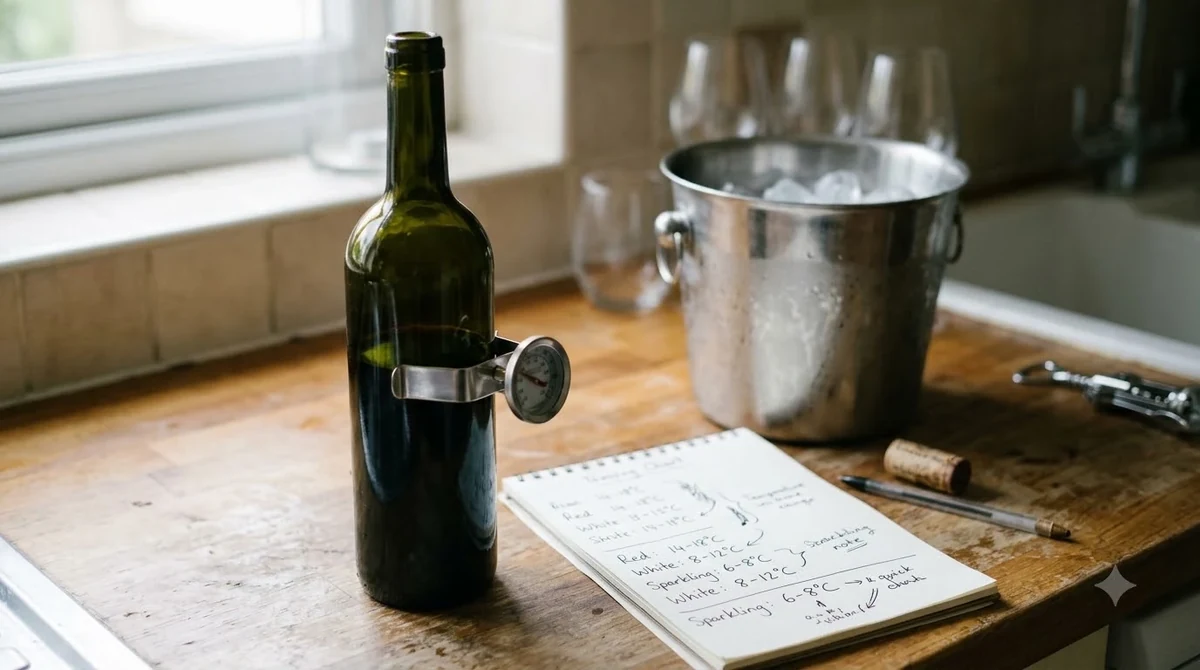
Serve barefoot moscato well chilled, since cold temperatures bring out its freshness and keep the sweetness in balance. A fridge chill of a few hours is usually enough. Serve it in a standard white wine glass or a tall flute, and avoid letting it warm in a sunny spot, because heat makes sweet wines taste flatter and more cloying.
Moscato does not need decanting or special handling. Open the bottle and pour; the wine is meant to be enjoyed young. Leftovers keep in the refrigerator for a few days with the cork or cap replaced, though the fruit fades over time and the wine is best finished within that window.
Food pairing with moscato
The sweetness of moscato makes it a good partner for spicy and savory food, because the wine cools the heat and balances salt. Wine guides often recommend it with Asian dishes, especially Sichuan, Thai, and Vietnamese cooking, as well as dim sum. Cinnamon, ginger, cardamom, and chili peppers all work well, as does basil and mint in fresh salads.
For meats and seafood, lighter dishes suit it best. Chicken, turkey, shrimp, crab, and flaky white fish are common choices, and barbecue pork pairs nicely with its fruit. Medium to firm cheeses from sheep’s or cow’s milk are a good match, and fresh fruit such as mango, pineapple, and orange is a natural dessert companion. Avoid pairing it with heavily tannic red meat, because the sweetness can clash with bold, dry flavors.

Who barefoot moscato suits and who might skip it
Barefoot moscato suits people who want an easy, pleasant white for casual drinking. It works well for guests who do not usually order wine, for brunch and summer gatherings, and for anyone who likes sweet, fruity flavors. Because it is widely available and approachable, it is also a practical choice for mixing into sangria-style drinks or spritzers.
It may not suit drinkers who prefer dry wine, since it will taste overly sweet next to a crisp sauvignon blanc or a dry rosé. Serious wine enthusiasts often prefer moscato made by smaller producers, where the sweetness and aroma reflect a more specific vineyard or style. If you are drinking for a special occasion, it helps to match the wine to the food rather than assuming that sweeter is always better.
Reading the label before you buy
Moscato labels vary more than many buyers expect. Some bottles are still and lightly sweet, while others carry a gentle sparkle. The label usually states the alcohol content and sometimes uses terms such as “sweet” or “semi-sweet” to describe the style. Those words matter, because a dessert-style moscato can be far sweeter than a standard bottle, and it may be better saved for after a meal rather than served as an aperitif.
Vintage matters less for moscato than for structured reds, since the wine is generally made to be drunk within a year or two of bottling. Check the bottling date if it is printed, and choose the freshest bottle you can find on the shelf. Fresh moscato keeps its floral lift, while an older bottle can taste flat and overly syrupy.
How barefoot moscato compares within the brand
Barefoot offers several moscato-style options alongside its standard range, and the flavor differences are easy to notice. The standard moscato leans toward floral and citrus, while pink versions add red berry character and a little more color. Comparing two Barefoot bottles side by side is a quick way to see how much the fruit and sweetness change. The barefoot pink moscato guide covers the rosé-style option in more detail.
Barefoot also produces a non-moscato line that covers wines such as pinot grigio, merlot, and chardonnay, as the Barefoot Wine article on Wikipedia describes. If you enjoy the brand’s approachable style but want something drier, a pinot grigio from the same range is a logical next step. The barefoot wine overview lists the main varietals and how they differ.
Frequently Asked Questions
Is barefoot moscato sweet?
Yes. Barefoot moscato is a sweet white wine, and its perfumed aroma makes the sweetness stand out even more. If you prefer a drier style, look for a dry Muscat or a pinot grigio instead.
What does barefoot moscato taste like?
Expect floral and citrus notes such as orange blossom and ripe pear, with a light body and fresh acidity. The sweetness is the dominant feature, so it tastes like a soft, fruity dessert wine rather than a heavy one.
How should barefoot moscato be served?
Serve it well chilled in a white wine glass or flute. Avoid leaving it in a warm room, since heat makes sweet wines taste cloying. There is no need to decant it.
What food goes well with barefoot moscato?
Spicy Asian dishes, fresh fruit desserts, lighter poultry, shrimp, and medium-firm cheeses all pair well. Its sweetness cools heat and balances salt, which makes it a good match for spicy and savory food.
Barefoot moscato is an easy, approachable way to enjoy a sweet white wine. Check the label for sweetness and alcohol, serve it cold, and match it with lighter, spicy, or fruity food. Once you know your preference, you can explore related styles and decide whether a drier white or a sparkling moscato better fits your next bottle.
More in Wine Brands
 Underwood Wine Price: Compare Bottles, Cans, and Pack SizesUpdated Nov 21, 2026
 Zenato Wine Price: Compare Styles and Choose the Right BottleUpdated Nov 21, 2026
 Zuccardi Wine Price: Compare Bottles and Find the Right RangeUpdated Nov 21, 2026
 Yellow Tail Moscato Review: Taste, Sweetness and Serving TipsUpdated Nov 21, 2026
 Wolf Blass Yellow Label Review: Choose Your Best StyleUpdated Nov 21, 2026
 Wolffer Estate Rose Review: Choose the Right Bottle for Your TableUpdated Nov 21, 2026