

We may earn a commission when you buy through links on this page, at no extra cost to you. Learn more.
Is Yellow Tail wine good? Yes, Yellow Tail is a good choice for casual wine drinkers who want approachable Australian wines with familiar fruit flavors, straightforward styles, and easy food pairings. It is particularly appealing to beginners and people who prefer uncomplicated bottles for everyday meals and informal gatherings. However, it is not consistently comparable to more complex, premium wines, and individual varieties perform differently depending on personal taste.
Yellow Tail has become one of the most recognizable Australian wine brands in American stores, offering everything from Shiraz and Cabernet Sauvignon to Chardonnay, Sauvignon Blanc, Moscato, and sparkling wines. Its broad selection makes choosing a bottle relatively simple, but popularity alone does not establish quality. The more useful question is whether its flavor, structure, and overall drinking experience match what you want from a wine. This guide examines its strengths, limitations, popular varieties, and practical buying considerations so you can decide whether Yellow Tail deserves a place at your table.
Who This Wine Is For
Yellow Tail is best suited to people who appreciate approachable fruit flavors, familiar grape varieties, and uncomplicated drinking experiences. Its range makes it particularly accessible to beginners, casual red wine drinkers, and households that want several recognizable styles without needing specialist wine knowledge.

The brand was developed by John Casella in 2001, with the intention of making wine easy to choose, understand, and enjoy. According to Casella Family Brands, the family originally migrated from Sicily to Australia in 1957, and the winery producing Yellow Tail is located in Yenda, New South Wales. The brand’s first US launch substantially exceeded its original ambition: rather than selling 25,000 cases, it sold more than one million cases during its first year. These details help explain why Yellow Tail became such a familiar name in American supermarkets.
Its strongest appeal is consistency of style and accessibility. Someone who enjoys ripe fruit, relatively straightforward aromas, and wines that do not require extensive decanting or specialist glassware will generally understand what the range is trying to deliver. A bottle of Shiraz can accompany burgers, grilled sausages, or pizza, while Chardonnay offers a familiar white wine option for chicken and creamy dishes.
However, Yellow Tail may disappoint drinkers who prioritize detailed regional character, layered aromas, restrained oak, or long finishes. Wine enthusiasts who regularly compare individual vineyard sites or seek particularly distinctive examples of Cabernet Sauvignon may find the range too straightforward.
There is also a difference between choosing wine for a casual gathering and selecting a bottle for a special occasion. Yellow Tail can work well for a relaxed dinner with friends, a family barbecue, or an informal celebration. For an important anniversary dinner or a meal centered on a carefully selected wine, a more distinctive producer may be preferable.
For additional background on the range, the Yellow Tail wine overview provides another useful starting point. Readers comparing different producers can also explore our broader Wine Brands coverage.
Key Factors to Compare Before Buying
The best way to evaluate Yellow Tail is to compare grape variety, flavor profile, tannin, acidity, and alcohol content rather than judging the entire brand from one bottle. Two wines from the same producer can deliver noticeably different experiences, especially when comparing a fruity white with a structured red.
| Wine variety | Typical ABV | General style | Good food matches |
|---|---|---|---|
| Shiraz | 13.5% | Rich, fruity, lightly spicy | Burgers, barbecue, lamb |
| Cabernet Sauvignon | 13.5% | Full-bodied, dark fruit, firmer tannins | Steak, beef stew, aged cheddar |
| Merlot | 13.5% | Soft, smooth, fruity | Roast chicken, meatballs, pork |
| Pinot Noir | 13.5% | Red fruit, lighter body | Roast chicken, mushrooms, salmon |
| Chardonnay | 13% | Rich, smooth, rounded | Roast chicken, pasta, seafood |
| Sauvignon Blanc | 11.5% | Fresh, crisp, citrus-driven | Salads, shellfish, goat cheese |
| Pinot Grigio | 11.5% | Light, fresh, fruity | White fish, vegetables, appetizers |
| Moscato | 7.5% | Sweet, aromatic, fruity | Fruit desserts, mild cheeses |
The alcohol figures above come from Yellow Tail’s US nutritional information. They describe the listed standard varieties rather than guaranteeing the composition of every vintage or specialty bottling. The table is intended to help compare general styles, not to suggest that alcohol content determines wine quality.
Start with sweetness. A wine can taste fruity without actually being sweet, and this distinction matters when choosing between red and white varieties. Moscato is the obvious choice for someone who enjoys a sweeter style, while Sauvignon Blanc generally offers a crisper, more refreshing experience. Standard Chardonnay is richer, but richness should not automatically be confused with residual sugar.
Next, consider tannin and acidity. Cabernet Sauvignon generally has higher tannin than Merlot, which helps explain why it can feel firmer and more drying. Pinot Noir usually has lower-to-medium tannin and higher acidity, making it an attractive alternative for someone who finds Cabernet too powerful. Sauvignon Blanc and Riesling generally provide more pronounced acidity than Chardonnay.
Oak influence is another important consideration. Oak can contribute vanilla, toast, spice, and a rounded impression, but too much can overshadow the fruit. Wine Enthusiast’s review of Yellow Tail’s 2021 Cabernet Sauvignon specifically noted prominent sweet vanillin oak alongside ripe dark berries and drying tannins. That observation provides a useful indication of the style some drinkers may encounter, although a review of one vintage should not be treated as a verdict on every bottle.
Finally, consider the finish. A wine with a short finish may be perfectly acceptable for an informal meal, but someone looking for a wine that develops over several minutes may prefer a more complex alternative. Quality is not simply a question of whether a wine tastes pleasant immediately; balance, texture, and persistence also matter.
Step-by-Step: How to Choose a Yellow Tail Bottle
Choosing the right bottle becomes easier when you begin with your preferred flavor rather than the label color or grape name alone. Follow these six steps to narrow the range down to a style that suits your preferences and meal.
-
Decide between red, white, rosé, and sparkling.
Begin by identifying the kind of wine you actually want. Choose a red for a grilled beef dinner, a crisp white for lighter seafood dishes, rosé for a relaxed afternoon meal, or sparkling wine for a celebratory occasion. Yellow Tail offers all four broad categories, so there is no reason to select a red simply because it is the brand’s most familiar category.
-
Choose your preferred sweetness level.
If you enjoy sweet, aromatic wine, Moscato is a logical starting point. If you prefer dry or crisp wine, consider Sauvignon Blanc or Pinot Grigio. For red wine, Shiraz, Cabernet Sauvignon, and Merlot are more appropriate choices than a sweeter red blend if you prefer a conventional dry red profile.
-
Match the body and tannin to your taste.
Choose Merlot when you want a softer red, Cabernet Sauvignon when you enjoy a firmer structure, and Pinot Noir when you prefer a lighter-bodied red with brighter acidity. Shiraz offers another option for people who enjoy richer fruit and spice. Remember that tannin creates a drying sensation, which can be appealing in a full-bodied red but unpleasant for someone who prefers smooth, gentle wines.
-
Consider the meal.
Think about the dominant flavors in the food rather than matching wine to a single ingredient. Cabernet Sauvignon can work with beef and aged cheese, while Chardonnay suits roasted chicken and creamy pasta. Sauvignon Blanc is useful with acidic dressings, herbs, and shellfish. For spicy food, choose a lower-alcohol, fruit-forward wine rather than a strongly alcoholic, tannic red.
-
Check the particular bottling.
Look for the grape variety, alcohol percentage, and any sweetness or style descriptions. Yellow Tail sells multiple Chardonnay styles, for example, including its standard Chardonnay and Buttery Chardonnay. These should not be treated as identical wines simply because both use the same grape. The same principle applies to its standard wines and Light & Bright offerings.
-
Choose a bottle for the occasion.
For a casual dinner with several guests, a familiar Shiraz or Chardonnay can be a practical option. For a dessert course, Moscato may be more suitable. If you are choosing wine for a more formal dinner, consider whether the wine’s simplicity matches the importance of the occasion.
One useful approach for first-time buyers is to compare two contrasting styles rather than buying several similar bottles. For example, a Sauvignon Blanc and a Chardonnay will demonstrate how acidity, body, and texture differ. Comparing a Merlot with a Cabernet Sauvignon can also help clarify whether you prefer softer tannins or a firmer red wine structure.
Tip: If you are unsure where to begin, choose the variety you already enjoy from another producer. Familiarity with Shiraz, Chardonnay, or Sauvignon Blanc is a more reliable starting point than selecting a bottle solely because its label is popular.
Types and Styles Explained
Yellow Tail offers considerably more variety than its familiar red kangaroo branding might suggest. Its range includes several classic grape varieties, lighter-alcohol alternatives, sparkling wines, and sweeter options, making the individual style more important than the brand name.
Shiraz: A Rich, Fruity Red
Shiraz is among the most recognizable styles associated with Australian wine. Yellow Tail describes its version as rich with a hint of spice. Expect a general profile centered on dark fruit, ripe berry characteristics, and a fuller impression than lighter reds.
Wine Enthusiast’s review of the 2021 Yellow Tail Shiraz described plum preserves, Christmas cake spices, sweet woody aromas, tangy freshness, and drying tannins. The publication gave that particular wine 85 points. Its assessment placed the bottle in the publication’s 83–86-point category, which it describes as good and suitable for everyday consumption. The Wine Enthusiast review of Yellow Tail 2021 Shiraz provides additional detail about that specific bottling.
This is a reasonable indication of the brand’s everyday positioning. It suggests a wine that can deliver recognizable fruit and spice without necessarily offering the complexity or long finish expected from more ambitious Shiraz. Serve a fuller Shiraz around 60–65 F, alongside grilled beef, burgers, or lamb.
Cabernet Sauvignon: Firmer and More Structured
Yellow Tail Cabernet Sauvignon is aimed at drinkers who enjoy full-bodied red wine with darker fruit flavors. Compared with Merlot, Cabernet Sauvignon generally has higher tannin and a firmer mouthfeel. It is therefore more appropriate for someone who enjoys a dry, structured red rather than a particularly soft one.
The 2021 bottling reviewed by Wine Enthusiast received 85 points. The reviewer described ripe dark-berry and graphite aromas, powerful sweet vanillin oak, and a rich palate with drying tannins and noticeable wood influence. These comments illustrate both the appeal and potential limitation of the style: ripe fruit and body are accompanied by a relatively pronounced oak impression.
Cabernet Sauvignon works particularly well with grilled steak, roast beef, and aged cheddar because protein and fat can soften the perception of tannin. Serve it around 60–65 F rather than at an excessively warm room temperature.
Readers who specifically enjoy this grape can explore our separate guide to Yellow Tail Cabernet for a closer look at its characteristics and food matches.
Merlot: A Softer Red Alternative
Merlot is worth considering if Cabernet Sauvignon feels too firm or drying. Yellow Tail describes its Merlot as soft, smooth, and fruity, making it an accessible option for drinkers who want a red wine without especially aggressive tannins.
Merlot generally has medium tannin and a softer structure than Cabernet Sauvignon. Its fruit-forward character can make it suitable for meatballs, roast chicken, pork, and tomato-based pasta. It also provides a useful middle ground for people who enjoy red wine but do not necessarily want a particularly powerful bottle.
Chardonnay: The Main White Wine Choice
Yellow Tail’s standard Chardonnay is described as rich and smooth, while its Buttery Chardonnay has a richer, more luscious positioning. This distinction matters because Chardonnay can take several different stylistic directions depending on its production and blending decisions.
Someone who enjoys rounded texture and ripe fruit may prefer the standard bottling. A drinker seeking a more pronounced buttery impression may be drawn to the Buttery Chardonnay. However, those looking for very crisp, high-acid white wine may prefer Sauvignon Blanc or Pinot Grigio instead.
Chardonnay is versatile with roast chicken, creamy pasta, grilled shrimp, and moderately rich seafood dishes. Serve a fuller white around 50–55 F to retain freshness while allowing its texture to show.
Our separate Yellow Tail Chardonnay article is useful for readers deciding between its different Chardonnay styles.
Sauvignon Blanc and Pinot Grigio: Fresher Whites
Sauvignon Blanc generally offers more pronounced acidity than Chardonnay, making it an attractive choice for drinkers who like citrus, herbal notes, and refreshing finishes. Yellow Tail describes its standard Sauvignon Blanc as crisp and refreshing, while its Light & Bright version is associated with passionfruit and grapefruit characteristics.
Pinot Grigio is another option for someone who wants a light, straightforward white wine. Yellow Tail describes its version as fresh, fruity, and zesty. It can accompany simple appetizers, salads, grilled vegetables, and mild seafood dishes.
Moscato, Rosé, and Sparkling Wine
Moscato is the natural starting point for someone who prefers sweetness and aromatic fruit. Yellow Tail’s US nutritional information lists its standard Moscato at 7.5% ABV, making it distinct from the brand’s standard full-strength red varieties. Its sweeter style works with fruit desserts and mild cheeses, although the wine should be at least as sweet as the dessert to avoid tasting excessively sharp.
Rosé offers a different option for drinkers who want something refreshing without choosing a conventional white. Yellow Tail describes its rosé as crisp and delicate. It is particularly suitable for informal lunches, salads, light grilled dishes, and summer gatherings.
The sparkling range and Prosecco provide additional choices for celebrations. These wines should be served colder than still wines, generally around 40–50 F, to preserve their refreshing character and carbonation.
Common Mistakes When Buying Yellow Tail
Most disappointing purchases happen because shoppers assume every Yellow Tail wine tastes similar or expect a casual everyday bottle to deliver the complexity of a premium wine. Understanding a few basic differences can prevent these mismatches.
Assuming Every Red Is Smooth
Shiraz, Merlot, Pinot Noir, and Cabernet Sauvignon do not have the same structure. A Cabernet Sauvignon can feel noticeably more drying than Merlot because Cabernet generally has higher tannin. A drinker who dislikes that sensation may conclude that the entire brand is unsuitable when a different variety would be a better match.
Similarly, Pinot Noir generally has lower-to-medium tannin and brighter acidity than Cabernet Sauvignon. It can be a more suitable choice for someone who wants red fruit character without an especially firm structure.
Confusing Fruitiness With Sweetness
A wine that smells like ripe berries or tropical fruit is not necessarily sweet. Aromatic intensity and residual sugar are different characteristics. A dry Sauvignon Blanc can smell strongly of passionfruit and citrus while still having a crisp, dry finish.
Moscato is a more appropriate selection for someone who specifically wants sweetness. If you prefer a conventional dry wine, choose according to grape variety and style rather than relying on fruit descriptions alone.
Expecting Premium Wine Complexity
Yellow Tail’s central appeal is accessibility rather than detailed expressions of vineyard location or long-term aging potential. A wine designed for straightforward enjoyment should not be judged exclusively by the standards used for collectible Cabernet Sauvignon or prestigious regional Chardonnay.
The Wine Enthusiast reviews of the 2021 Shiraz and 2021 Cabernet Sauvignon both awarded 85 points. Those scores suggest respectable everyday performance within that publication’s scale, but they do not establish that every wine in the range is equally successful.
Choosing Wine Without Considering Food
A powerful Cabernet Sauvignon can overpower delicate white fish, while a light Pinot Grigio may disappear beside heavily seasoned beef. Matching the wine to the intensity and texture of the meal improves the overall experience.
Acidity is especially important with food. A highly acidic tomato dish generally benefits from wine with comparable acidity. Salt and fat can soften the perception of tannin, making Cabernet Sauvignon more suitable for a fatty steak than for a delicate vegetable dish.
Spicy food requires additional care. Alcohol and tannin can amplify chili heat, so a fruit-forward wine with lower alcohol may be more comfortable alongside heavily spiced dishes.
Buying According to the Label Alone
Brand recognition is useful, but it does not replace reading the wine’s grape variety and style. The difference between standard Chardonnay and Buttery Chardonnay is a good example. Both belong to the same producer, yet they are positioned toward somewhat different preferences.
Also, do not assume every product is vegan simply because many wines in the range carry vegan-friendly identification. Yellow Tail says that some wines use milk, egg, or fish products during fining, while qualifying vegan-friendly bottles are identified with a symbol.
Care and Storage Tips
Proper storage and serving temperature make a meaningful difference to Yellow Tail’s drinking experience. Even an approachable bottle can taste less balanced if it is served too warm, left open for several days without protection, or stored in a hot kitchen.
Serve Each Variety at the Right Temperature
Red wine is often served too warm, especially in heated homes. A full-bodied Cabernet Sauvignon or Shiraz is generally better around 60–65 F than at a warm 72 F. Slightly cooler temperatures help preserve freshness and keep alcohol from becoming overly prominent.
For lighter reds such as Pinot Noir, aim for 55–60 F. This helps maintain the fruit and acidity that make the variety appealing. A brief period in the refrigerator before serving can be useful if the bottle has been kept at room temperature.
White wines need different treatment. Serve Sauvignon Blanc and Pinot Grigio around 45–50 F, while fuller Chardonnay generally works around 50–55 F. Moscato is best served colder, around 43–50 F, particularly when its sweetness is a central part of the experience.
Sparkling wine should generally be served around 40–50 F. Colder temperatures help preserve its refreshing character and make the bubbles feel more controlled when pouring.
Store Unopened Bottles Correctly
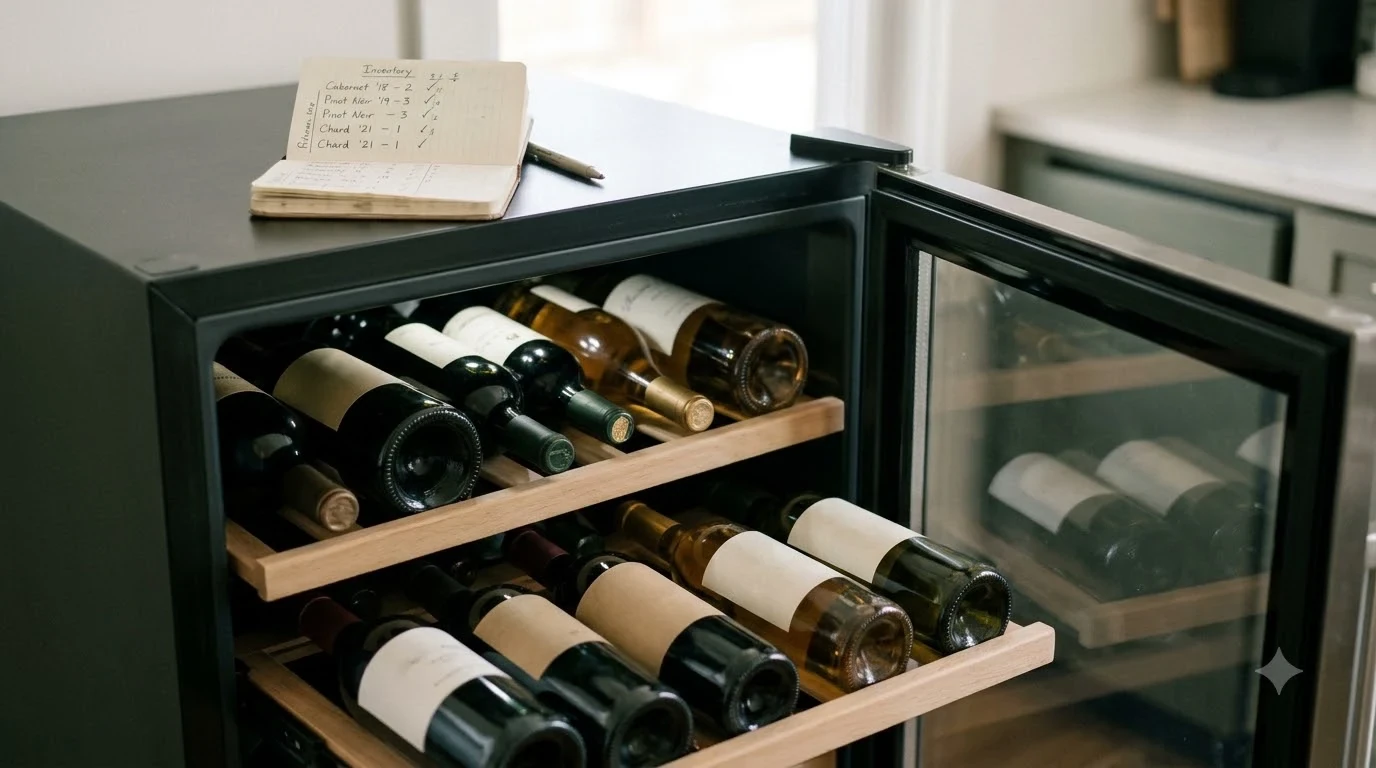
Keep unopened wine in a cool, dark location away from direct sunlight and significant temperature fluctuations. A storage temperature near 55 F is a useful general target. Bottles with traditional cork closures are generally stored on their sides to keep the cork from drying out.
Avoid leaving wine in a car, beside an oven, or near a sunny window. Repeated exposure to heat can damage aromas and create an unpleasant cooked-fruit character. Yellow Tail’s everyday-oriented wines generally do not require long-term cellaring, so there is little reason to purchase them with the intention of storing them for many years.
Preserve Opened Bottles
After opening, reseal the bottle and place still wine in the refrigerator. Even red wine benefits from refrigeration after opening because cooler storage slows the deterioration caused by oxygen exposure. Allow red wine to warm slightly before pouring the next glass.
As a general guideline, opened still wines remain enjoyable for approximately 3–5 days when properly refrigerated and resealed. Sparkling wines generally last around 1–3 days with an appropriate sparkling-wine stopper. These are practical estimates rather than guarantees, since wine condition, storage temperature, and oxygen exposure all affect how quickly a bottle changes.
A standard 750 ml bottle provides approximately five servings when poured at 5 oz each. For a gathering, this is a useful planning figure when estimating how many bottles to purchase. Pouring smaller tasting portions also allows guests to compare different Yellow Tail varieties without committing to a full glass of each.
Decanting and Glassware
Most Yellow Tail wines can be served directly from the bottle without decanting. A young, particularly full-bodied red may benefit from 30–60 minutes of aeration if it seems tight or dominated by alcohol and oak, but extensive decanting is rarely necessary for a straightforward everyday bottle.
A standard wine glass is sufficient for most varieties. A larger red wine bowl can make it easier to appreciate Shiraz and Cabernet Sauvignon, while a smaller white wine glass can help maintain the temperature of Sauvignon Blanc and Chardonnay. Sparkling wines are best served in appropriate sparkling wine glasses that preserve their carbonation.
The goal is not to turn an informal bottle into a complicated tasting exercise. A clean glass, suitable temperature, and correct food pairing are generally more useful than elaborate serving equipment.
Frequently Asked Questions
Is Yellow Tail considered a cheap wine brand?
Yellow Tail is positioned as an accessible Australian wine brand rather than a prestige or collectible producer. Its commercial success has helped make the brand widely recognizable in the United States. Its reputation is built around approachable varieties and familiar styles rather than limited-production wines.
Is Yellow Tail wine made in Australia?
Yes. Casella Family Brands identifies Yenda in New South Wales as the location of its Yellow Tail winery. The brand’s family history traces back to founders Filippo and Maria Casella, who migrated from Sicily to Australia in 1957.
Does Yellow Tail use screw caps or natural cork?
Yellow Tail packaging can vary across different wine products and markets. A screw cap is a closure choice rather than an indicator of inferior wine quality. It can also make an everyday bottle convenient to open and reseal without a corkscrew.
Can Yellow Tail wine be used for cooking?
Yes. Dry Shiraz, Cabernet Sauvignon, and Merlot can be used in beef stews, pan sauces, and red wine reductions. Chardonnay can work in creamy chicken sauces, while Sauvignon Blanc is suitable for certain seafood and vegetable preparations. Choose a wine whose flavor complements the finished dish rather than using a bottle that tastes unpleasant on its own.
Does Yellow Tail make non-vintage wine?
Yes. Yellow Tail explains that a bottle without a year displayed on the front label is non-vintage. Such a wine may combine grapes or wine from multiple vintages, allowing the producer to maintain a more consistent house style between bottlings.
Yellow Tail is a worthwhile choice if you want accessible Australian wine with recognizable grape varieties, fruit-forward character, and uncomplicated food pairings. Shiraz, Merlot, Chardonnay, and Sauvignon Blanc are useful starting points, while Cabernet Sauvignon and Moscato suit more specific preferences. Choose the variety that matches your palate and occasion, and judge the individual bottle rather than assuming every wine in the range delivers the same experience.
More in Wine Brands
 Underwood Wine Price: Compare Bottles, Cans, and Pack SizesUpdated Nov 21, 2026
 Zenato Wine Price: Compare Styles and Choose the Right BottleUpdated Nov 21, 2026
 Zuccardi Wine Price: Compare Bottles and Find the Right RangeUpdated Nov 21, 2026
 Yellow Tail Moscato Review: Taste, Sweetness and Serving TipsUpdated Nov 21, 2026
 Wolf Blass Yellow Label Review: Choose Your Best StyleUpdated Nov 21, 2026
 Wolffer Estate Rose Review: Choose the Right Bottle for Your TableUpdated Nov 21, 2026