

We may earn a commission when you buy through links on this page, at no extra cost to you. Learn more.
Is barefoot wine good? Yes, Barefoot is a good choice for approachable, fruit-forward everyday wine, particularly if you enjoy easy-drinking styles without complicated flavors. Its strongest appeal is variety: the range includes sweet Moscato, crisp white wines, fruity pink wines, familiar reds, and sparkling options. It is not generally aimed at collectors seeking depth, unusual vineyard character, or wines built for extended cellaring, but it can be a satisfying choice for casual dinners, gatherings, and relaxed evenings.
The important distinction is that Barefoot is a brand with several different wine styles, not a single flavor profile. Someone who enjoys semisweet Moscato might love one bottle while finding its Cabernet Sauvignon too dry or its Fruitscato too sweet. Understanding the differences between its wines makes choosing a bottle considerably easier.
Who This Is For
Barefoot is best suited to wine drinkers who value accessibility, recognizable fruit flavors, and straightforward drinking over complexity. Its wines are generally intended to be approachable without requiring detailed knowledge of grapes, regions, aging, or winemaking techniques. That makes the brand particularly useful for casual occasions and people still learning what they enjoy.
It is a reasonable starting point for someone who prefers sweet or fruit-forward wine. Barefoot offers Moscato, Pink Moscato, and Red Moscato, as well as flavored Fruitscato options. The reviewed Moscato described by Wine Enthusiast is a particularly clear example of the brand’s accessible approach: it received 86 points and was described as light-bodied and semisweet, with floral and tropical fruit characteristics. That is a respectable everyday result, although a single review should not be treated as a judgment on every wine in the collection.
People who prefer traditional dry wine also have options. The brand identifies Sauvignon Blanc as a dry white choice, while Pinot Grigio and Chardonnay offer alternatives for drinkers who want something less sweet. Cabernet Sauvignon and Pinot Noir provide familiar red wine styles. For a broader overview of the Barefoot wine selection, it helps to compare individual bottles rather than assume every variety tastes alike. The brand’s official wine collection is useful for identifying the available categories.
Barefoot is less appropriate for someone whose main priority is an elaborate tasting experience. A wine enthusiast seeking pronounced oak influence, detailed vineyard expression, distinctive regional character, or substantial aging potential will probably find the range fairly simple. That is a question of purpose rather than an automatic sign of poor quality: a straightforward wine can still be enjoyable when it delivers the flavors and drinking style someone wants.
Key Factors to Compare
The most useful comparison points are sweetness, grape variety, body, and the occasion for which you plan to open the bottle. Alcohol content and packaging can also matter, especially when comparing different product formats.
| Wine or style | Sweetness and character | Specific detail | Good match for |
|---|---|---|---|
| White Moscato | Semisweet, floral, fruity | 9% ABV and 750 ml in the Wine Enthusiast-reviewed bottling | Sweet wine drinkers and fruit desserts |
| Pink Moscato | Sweet, red-fruited | Cherry, raspberry, and pomegranate notes | Spicy appetizers and sweet desserts |
| Pinot Noir | Medium-dry, relatively soft | Red cherry, raspberry jam, and dark cherry notes | Salmon, lamb, and creamy pasta |
| Chardonnay On Tap | More dry than sweet | 3 liters; four 750 ml bottles; 30-day freshness claim after opening | Apple, peach, and vanilla white wine preferences |
| Sauvignon Blanc | Dry, crisp style | White wine variety listed by Barefoot | Drinkers who prefer a less-sweet white |
These descriptions are more helpful than judging the brand by its label design or reputation. For example, the Wine Enthusiast-reviewed Moscato was listed at 9% ABV, but that figure belongs to the specific reviewed bottling rather than serving as a universal alcohol percentage for every Barefoot wine. Alcohol levels differ between varieties, so comparing the individual bottles is more useful than applying one number to the entire collection.
Packaging deserves attention as well. A standard 750 ml bottle is convenient for a meal or a small gathering, while the manufacturer’s 3-liter Chardonnay On Tap format contains the equivalent of four standard bottles. Barefoot states that this particular boxed Chardonnay stays fresh for 30 days after opening. That is a product-specific claim, not a storage promise for every Barefoot wine or every type of packaging.
Finally, consider sweetness before anything else. A person who usually drinks dry Sauvignon Blanc may not enjoy a sweet Moscato, even if both come from the same producer. Matching the bottle to your established preference is the simplest way to get a satisfying result.
Step-by-Step: How to Choose a Barefoot Wine
You do not need advanced wine knowledge to choose a suitable Barefoot bottle. Start with sweetness, move to grape variety, and then consider food, serving temperature, and bottle size.
- Decide how sweet you want your wine. Choose Moscato or Pink Moscato if you like noticeable sweetness. Sauvignon Blanc is the better starting point for someone who prefers a dry white. Pinot Noir offers a middle ground in the red category because Barefoot describes it as medium-dry.
- Choose the color and style. White wines are useful for lighter meals and casual sipping, pink wines are popular for fruit-forward occasions, and reds suit dishes that benefit from more body. Bubbly is the sparkling option when you want something with carbonation.
- Match the grape to your usual preferences. If you usually enjoy Pinot Noir, try Barefoot Pinot Noir before moving to the more tannic Cabernet Sauvignon. If you prefer crisp white wine, compare Sauvignon Blanc and Pinot Grigio rather than immediately choosing a sweet Moscato.
- Think about the food. For seafood or a light salad, consider a crisp white. For creamy pasta or lamb, Pinot Noir is one of the manufacturer’s suggested matches. For sweet desserts, choose a wine at least as sweet as the food.
- Choose the right format and occasion. A 750 ml bottle is practical for a smaller meal, while a 3-liter boxed Chardonnay is more suitable for occasions when a larger quantity is needed. For sparkling wine, plan to serve it cold and reseal it promptly after pouring.
Once you have selected the wine, serve it at a temperature that suits its style. Sweet whites are generally best around 43–50°F, while light whites and rosé are usually served at 45–50°F. Full-bodied reds are more enjoyable around 60–65°F than at excessively warm room temperature. These differences can noticeably change how sweet, acidic, and alcoholic a wine seems.
Also, resist the temptation to buy a bottle simply because someone else recommends the variety. People who enjoy rich Cabernet Sauvignon do not necessarily enjoy sweet Moscato, and a person who likes sparkling wine may prefer Bubbly to every still wine in the range. Your own taste is the most useful guide.
Tip: When you are unsure, choose one bottle in the sweetness category you already enjoy rather than buying several unfamiliar styles. A dry-wine drinker can begin with Sauvignon Blanc, while someone with a preference for sweet drinks can begin with Moscato.
Types or Styles Explained
Barefoot’s range covers several distinct preferences, from sweet aromatic whites to familiar red grapes and sparkling wines. Understanding the basic differences between these categories helps explain why opinions about the brand can vary so widely.
Sweet Whites and Pink Wines
Moscato is among the most recognizable choices for people who enjoy sweet wine. It is typically light-bodied and aromatic, with floral and fruity characteristics. Wine Enthusiast’s review of Barefoot NV Moscato describes lychee, honey, and honeydew melon flavors alongside floral aromas. The reviewer also recorded a semisweet impression and gave the wine an 86-point score. That assessment places the reviewed bottle in the publication’s Good category for everyday consumption.
For a closer look at the sweetness and fruit profile, compare Barefoot Moscato with the pink variation. Barefoot Pink Moscato adds cherry, raspberry, and pomegranate notes, making it a natural choice for drinkers who enjoy a sweeter, red-fruit character. Its suggested pairings include spicy appetizers, Chinese takeout, fresh strawberries, and whipped cream. The Barefoot Pink Moscato option is especially relevant for someone who wants fruit-forward wine rather than a crisp, dry style.
Red Moscato is another sweet direction for people who want red-fruit character without moving immediately into a dry red. Fruitscato is different again: Barefoot describes this category as wine with added natural flavors. These products are better viewed as flavored, casual drinking options than as traditional expressions of a single grape variety.
Dry and Refreshing White Wines
Sauvignon Blanc is the more obvious choice for a drinker who prefers dry, refreshing wine. It is generally known for high acidity, which makes it useful with foods that have citrus, herbs, or fresh vegetables. Barefoot specifically distinguishes its Sauvignon Blanc from its sweet Moscato, an important reminder that the brand does not make every bottle sweet.
Pinot Grigio is another style to consider if you want a lighter white with fresh, citrus-oriented character. Chardonnay offers a different experience, usually with a rounder texture and less pronounced acidity. Barefoot describes its Chardonnay On Tap with green apple, peach, honey, and vanilla notes. The manufacturer calls it more dry than sweet, making it a practical option for drinkers who want fruit character without a dessert-wine impression.
Red Wines
Cabernet Sauvignon, Merlot, and Pinot Noir serve different red wine preferences. Cabernet Sauvignon generally has high tannin, creating a firmer, more drying sensation. Merlot has medium tannin and is usually softer, while Pinot Noir tends toward low-to-medium tannin and higher acidity. These familiar differences matter more than whether all three bottles carry the same brand name.
Barefoot’s Pinot Noir is described as medium-dry, with red cherry, raspberry jam, dark cherry, and a hint of molasses. The manufacturer suggests pairing it with lamb, grilled salmon, and creamy pasta. Cabernet Sauvignon makes more sense for people who like firmer red wines and darker fruit flavors. Someone who dislikes a drying sensation should generally begin with Pinot Noir or Merlot rather than choosing Cabernet Sauvignon automatically.
Bubbly and Sparkling Options
Barefoot Bubbly offers a sparkling alternative to the brand’s still wines. Carbonation makes sparkling wine useful for celebrations, informal gatherings, and aperitif-style occasions. The bubbles also change how the wine feels on the palate, so it can be more refreshing than an equally fruity still wine.
Serve sparkling wines around 40–50°F. The colder serving temperature helps retain a crisp impression and keeps the bubbles refreshing. Bubbly is not automatically dry simply because it is sparkling, so check the sweetness designation of the particular bottle before choosing it for someone who dislikes sweet wine.
Common Mistakes When Buying Barefoot
The biggest purchasing mistake is assuming every Barefoot bottle tastes similar. The range includes both dry and sweet whites, several different red varieties, pink wine, flavored options, and sparkling wines. Choosing based only on the brand name can lead to a bottle that does not match your preferences.
Another frequent mistake is confusing fruitiness with sweetness. A wine can have aromas of peach, cherry, or berries while still tasting dry. Fruit aromas describe the smells and flavors associated with the wine; sweetness describes how much residual sugar remains and how sweet the wine tastes. Barefoot’s Sauvignon Blanc is a useful example of why this distinction matters: the manufacturer classifies it as dry even though the brand broadly emphasizes fruit-forward wines.
It is also easy to overlook tannin when choosing a red. Cabernet Sauvignon usually creates a firmer, drier mouthfeel than Pinot Noir because its tannin level is higher. That does not necessarily mean Cabernet Sauvignon is sweeter or less fruity. It means the wine interacts differently with the palate. Someone who prefers a soft red should start with Pinot Noir or Merlot rather than expecting every red wine to have the same texture.
Food pairing can also change how a wine tastes. High-tannin reds can feel especially harsh with spicy dishes, and alcohol can amplify chili heat. Oily fish generally pairs poorly with tannic reds, whereas light whites or suitable low-tannin reds are often more comfortable choices. Salt and fat can soften the impression of tannin, which helps explain why some reds work better with grilled meats and richer dishes than with delicate seafood.
Finally, do not serve every bottle at the same temperature. A sweet Moscato served too warm can seem heavy, while a full-bodied red served too cold can appear particularly firm and closed. A few degrees of difference can make the wine more balanced and enjoyable.
Care and Storage Tips
Good storage and serving habits can make an affordable everyday wine more enjoyable. Barefoot does not require specialized equipment, but temperature, light exposure, closure, and the time between opening and drinking still matter.
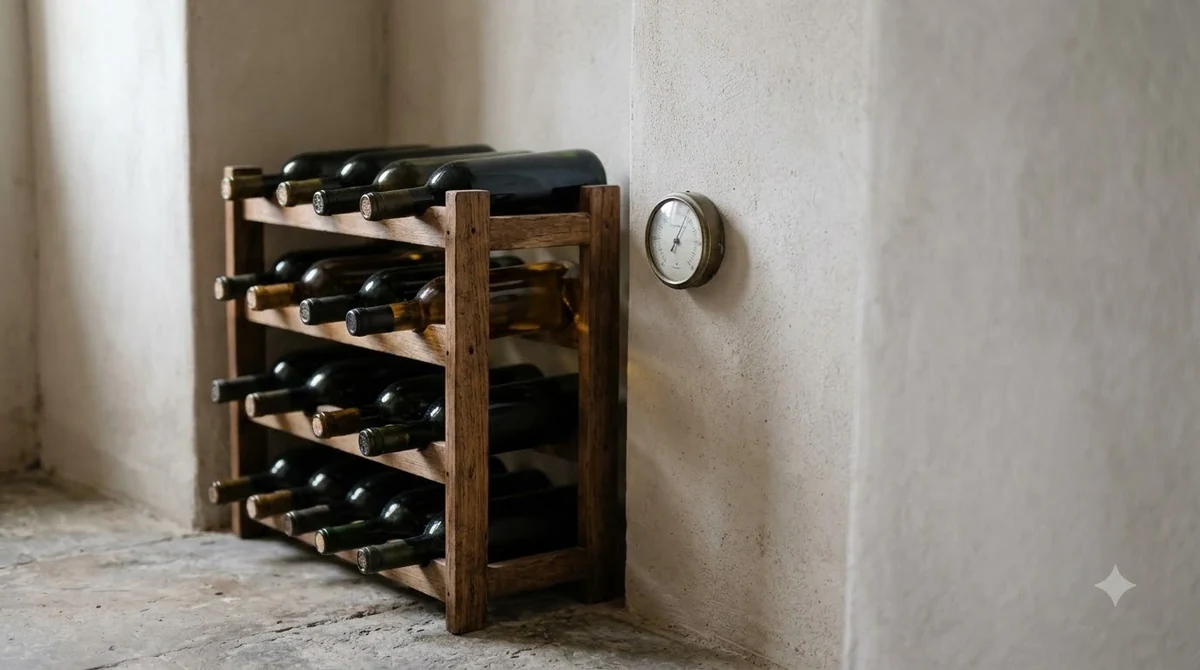
For unopened bottles, aim for a cool, dark storage area around 55°F with minimal temperature fluctuation. Bottles with natural cork closures are generally stored on their sides to keep the cork from drying out. Avoid placing wine next to a radiator, in direct sunlight, or in a kitchen cupboard that regularly becomes hot. Heat and repeated temperature changes can damage wine even when the bottle has never been opened.
Serving temperature should depend on the wine. Sparkling wine is best around 40–50°F. Light whites and rosé generally suit 45–50°F, fuller whites around 50–55°F, light reds around 55–60°F, and fuller reds around 60–65°F. Sweet whites such as Moscato are generally most refreshing around 43–50°F. If a red has been stored in a warm room, a short period in the refrigerator can help bring it closer to its ideal serving range.
Measure pours rather than filling large glasses to the rim. A standard serving is about 5 ounces, and a 750 ml bottle contains approximately five such glasses. That is a useful planning figure for dinner parties and helps prevent a bottle from being emptied more quickly than expected.
After opening, refrigerate still wine and generally aim to finish it within 3–5 days. Sparkling wine usually retains its best qualities for approximately 1–3 days when properly resealed and refrigerated. Fortified wines can remain enjoyable for several weeks after opening, while bag-in-box wine may stay fresh for 4–6 weeks depending on the product and storage conditions. Barefoot’s specific Chardonnay On Tap has a separate manufacturer freshness claim of 30 days after opening, so it should not be confused with a universal rule for all boxed wine.
Use a suitable wine stopper to reduce air exposure, and keep opened bottles upright in the refrigerator. If the aroma changes noticeably toward vinegar, bruised apple, or stale fruit, the wine may have deteriorated. Refrigeration slows the process but does not stop oxidation indefinitely.
Frequently Asked Questions
These final details provide some background on the brand and its product range beyond the practical buying and serving advice above.
Who owns Barefoot Wine?
Barefoot is owned by E. & J. Gallo Winery. Gallo’s corporate history records its purchase of the Barefoot Cellars brand in 2005. The acquisition made Barefoot part of a much larger wine and beverage portfolio.
Where did the Barefoot Wine name originate?
The brand traces its beginnings to California winemaker Davis Bynum, who created Barefoot Bynum Burgundy in his garage in 1965. The original name referred to crushing grapes barefoot, an unconventional winemaking image that became part of the label’s identity.
When was Barefoot Bubbly introduced?
Barefoot introduced its Bubbly collection in 1998. The range extended the brand beyond still wines and gave it a sparkling option for celebrations and social occasions.
How many Fruitscato flavors does Barefoot offer?
Barefoot’s official website describes Fruitscato as a collection available in nine flavors. The category combines the brand’s wine with added natural flavors, distinguishing it from a conventional single-variety wine.
Why does Barefoot use a footprint on its label?
The footprint design became part of the brand’s identity when Michael Houlihan and Bonnie Harvey took over in 1986 and renamed it Barefoot Cellars. They developed the recognizable branding associated with the modern label.
So, is Barefoot wine good? For affordable, approachable everyday drinking, it can be a worthwhile choice, especially when you select the right style for your sweetness and body preferences. Start with Moscato for sweetness, Sauvignon Blanc for a dry white, or Pinot Noir for a softer red, and judge each bottle on its own merits rather than expecting every wine in the range to taste alike.
More in Wine Brands
 Underwood Wine Price: Compare Bottles, Cans, and Pack SizesUpdated Nov 21, 2026
 Zenato Wine Price: Compare Styles and Choose the Right BottleUpdated Nov 21, 2026
 Zuccardi Wine Price: Compare Bottles and Find the Right RangeUpdated Nov 21, 2026
 Yellow Tail Moscato Review: Taste, Sweetness and Serving TipsUpdated Nov 21, 2026
 Wolf Blass Yellow Label Review: Choose Your Best StyleUpdated Nov 21, 2026
 Wolffer Estate Rose Review: Choose the Right Bottle for Your TableUpdated Nov 21, 2026