

We may earn a commission when you buy through links on this page, at no extra cost to you. Learn more.
When comparing chianti vs syrah, Chianti is a medium-bodied, high-acid Tuscan red wine led by Sangiovese with bright tart cherry and dried herb flavors, while Syrah is a full-bodied, opaque red wine from France’s Rhône Valley and beyond known for dark blackberry, black pepper, and smoked meat notes. Chianti relies on zesty acidity and firm, powdery tannins to cut through tomato sauces and olive oil, whereas Syrah delivers denser fruit weight, lower acidity, and velvety-to-firm tannins built for grilled meats. Both are dry red wines, yet their climates, grape genetics, and winemaking traditions create two distinct experiences in the glass.
Choosing between these two classic reds comes down to whether dinner calls for mouthwatering brightness or dark, savory richness. Understanding how each wine is made, how their structures compare side by side, and which dishes bring out their best traits makes picking the right bottle straightforward.
Grape Origins and Wine Regions
Chianti is a geographically protected Italian red blend anchored by Sangiovese in central Tuscany, while Syrah is a single French grape variety cultivated worldwide under both the Syrah and Shiraz names. Though both wines carry deep Old World roots, one is defined by strict Italian appellation blending laws and the other by a globe-trotting varietal identity.
According to the Consorzio Vino Chianti, Sangiovese accounts for 11% of Italy’s total vineyard area and must make up 70% to 100% of any bottle labeled Chianti DOCG. Winemakers may blend in up to 30% complementary Tuscan-authorized varieties such as Canaiolo or Colorino, with Cabernet Sauvignon and Cabernet Franc capped at 15% combined and white grapes capped at 10%. Within the historic Chianti Classico DOCG zone between Florence and Siena, regulations require at least 80% Sangiovese and prohibit white grapes altogether. Beyond Classico, the broader Chianti appellation spans seven official subzones, including high-altitude Rufina, where vineyards climb up to 400 meters on limestone and marl slopes northeast of Florence.
Syrah traces its genetic origin to southeastern France’s Savoie and Ardèche regions rather than Persia or Sicily, and today it covers more than 140,000 hectares globally. In France’s Rhône Valley, Syrah represents 29.11% of vineyard plantings and serves as the sole permitted red grape in northern Rhône appellations like Cornas, while sharing top billing in Côte-Rôtie and Hermitage. Outside Europe, warm-climate producers in South Australia’s Barossa Valley and McLaren Vale bottle the exact same grape as Shiraz, whereas cooler-climate regions like California’s Sonoma Coast and Washington’s Walla Walla Valley keep the French name Syrah to signal a leaner, more savory style.
Chianti vs Syrah: Side-by-Side Comparison
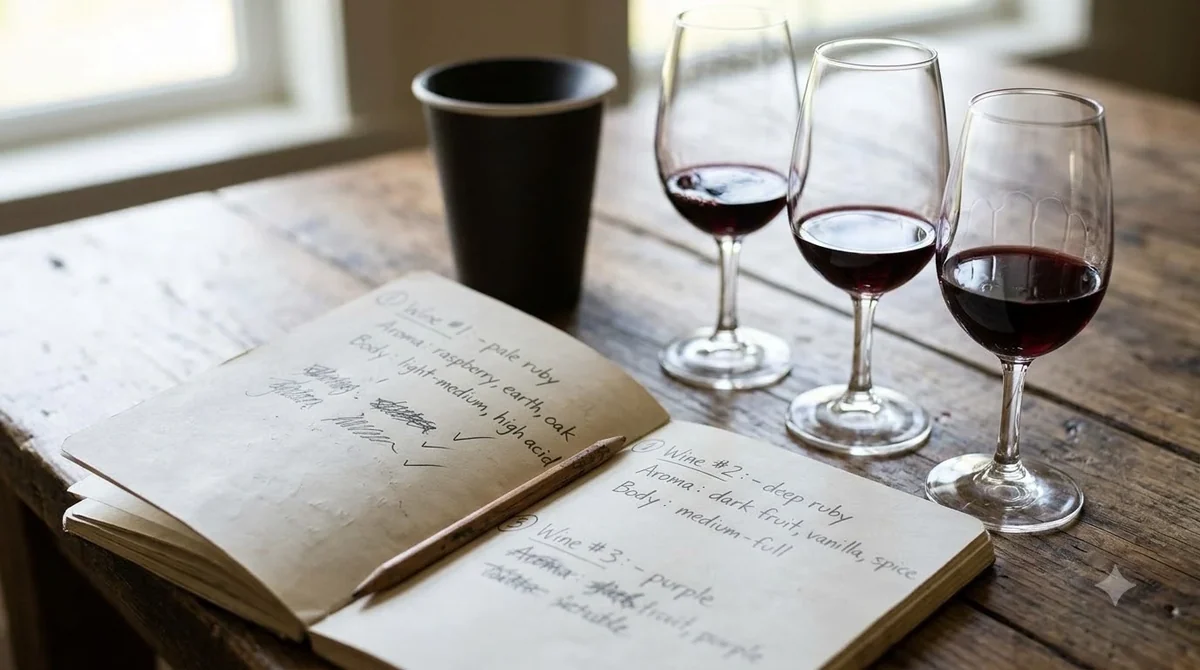
Chianti sits in the medium-bodied, high-acid camp with a translucent ruby color, whereas Syrah pours nearly opaque purple with fuller body, higher typical alcohol, and deeper dark-fruit concentration. Looking at their structural numbers side by side highlights why these two dry reds behave so differently on the palate.
| Attribute | Chianti (Sangiovese-Based) | Syrah / Shiraz |
|---|---|---|
| Primary Grape | 70%–100% Sangiovese (80%+ in Classico) | 100% Syrah (or Rhône blends) |
| Color in Glass | Translucent ruby red, turning garnet with age | Deep, opaque ruby-purple |
| Body | Medium | Full |
| Acidity | High | Medium to medium-plus |
| Tannins | Medium-plus to high, firm and powdery | Medium-plus to high, dense and velvety |
| Typical Alcohol (ABV) | 12.5%–14% | 13%–14.5% (Syrah); 14%–15.5% (Shiraz) |
| Core Fruit Flavors | Sour cherry, red plum, cranberry | Blackberry, black plum, blueberry |
| Savory & Spice Notes | Dried oregano, tomato leaf, leather, violet | Black pepper, smoked meat, bacon, licorice |
| Ideal Serving Temp | 55°F–60°F | 60°F–65°F |
Color alone offers an immediate visual clue before the first sip. Sangiovese has relatively thin skins, producing a bright, see-through ruby glass that develops brick-orange edges after a few years in bottle. Syrah berries have thick, deeply pigmented skins that yield an inky, dark purple wine noticeably darker than Cabernet Sauvignon. That pigment concentration mirrors the wine’s weight on the tongue, where Syrah coats the palate with plush dark fruit while Chianti feels brisk, linear, and refreshing.
If you are exploring how Sangiovese stacks up against neighboring Italian reds before deciding, comparing chianti vs montepulciano shows a similar contrast between high-acid snap and plush, dark-fruited softness.
Flavor Profile, Acidity, and Tannin Structure
Chianti delivers tart red fruit, dried Mediterranean herbs, and lip-smacking acidity, while Syrah centers on ripe blackberries, cracked black pepper, and smoky, cured-meat depth. Both wines are fermented dry with negligible residual sugar, yet their acid-to-tannin balance steers the tasting experience in opposite directions.
What Chianti Tastes Like
A classic glass of Chianti opens with aromas of fresh sour cherry, red plum, and sweet violet, layered over savory notes of dried oregano, thyme, tomato leaf, and cured salami. Because Sangiovese ripens late—typically harvested from the second half of September into mid-October—cool Tuscan autumn nights lock in sharp, vibrant acidity. On the palate, that high acid triggers immediate salivation, balanced by firm, dusty tannins that grip the gums without feeling syrupy or heavy. Extended oak aging in Riserva (aged at least 2 years) or Chianti Classico Gran Selezione (aged at least 2.5 years) adds subtle layers of tobacco, leather, and balsamic spice.
What Syrah Tastes Like
Syrah swaps Chianti’s tart red-fruit snap for lush black fruit and unmistakable peppercorn spice. Cooler-climate Syrah from the northern Rhône or coastal California leans savory and structured, combining blackberry and black cherry with black pepper, smoked bacon fat, olive tapenade, and floral violet notes. Warm-climate Shiraz from South Australia pushes ripeness further, trading some herbal restraint for jammy blueberry, dark chocolate, licorice, and sweet baking spice from oak barrels. Across both styles, Syrah carries medium to medium-plus acidity and generous, thick-skinned tannins that feel rounder and broader across the mid-palate than Sangiovese’s brisk grip.
Tip: When buying Syrah, look at the grape name and alcohol percentage on the front label to predict the style. Bottles labeled “Syrah” at 13% to 14% ABV generally taste leaner, earthier, and more pepper-driven, while bottles labeled “Shiraz” at 14.5% to 15.5% ABV deliver riper, jammy dark fruit.
Aging Tiers and Regional Styles
Chianti is officially organized by aging duration and subzone boundaries, whereas Syrah is defined primarily by climate and regional naming traditions rather than mandatory barrel-aging tiers. Knowing how each bottle is classified prevents surprises when shopping across different price points.
Italian wine law divides Chianti into distinct quality and aging levels. Standard Chianti DOCG requires just 6 months of aging before release, resulting in a bright, everyday red built for immediate drinking. Chianti Superiore extends aging to 1 year for smoother tannins and slightly deeper concentration. Stepping up to Chianti Classico brings stricter vineyard rules inside the original Tuscan heartland, with Annata bottles aged 12 months, Riserva aged 24 months, and single-estate or single-vineyard Gran Selezione aged at least 30 months. Subzones such as Chianti Rufina—Italy’s smallest Chianti sub-region at 750 cultivated hectares—produce high-elevation, age-worthy reds capable of evolving in the cellar for decades.
Syrah relies on geography rather than aging tiers to signal style. In the northern Rhône Valley, steep granite slopes along the river produce benchmark appellations: Côte-Rôtie is prized for aromatic, violet-scented elegance, Hermitage delivers dense, long-lived power, and Crozes-Hermitage offers approachable, everyday peppery fruit. Meanwhile, southern Rhône blends pair Syrah with Grenache and Mourvèdre for warmer, sun-drenched richness—a stylistic split explored further in our grenache vs syrah guide. In New World wine regions across California, Washington, and Australia, winemakers have wide freedom with oak aging and ripeness, making regional climate the single strongest predictor of how bold the bottle will taste.
Food Pairing: Tomato Acidity vs. Grilled Meats
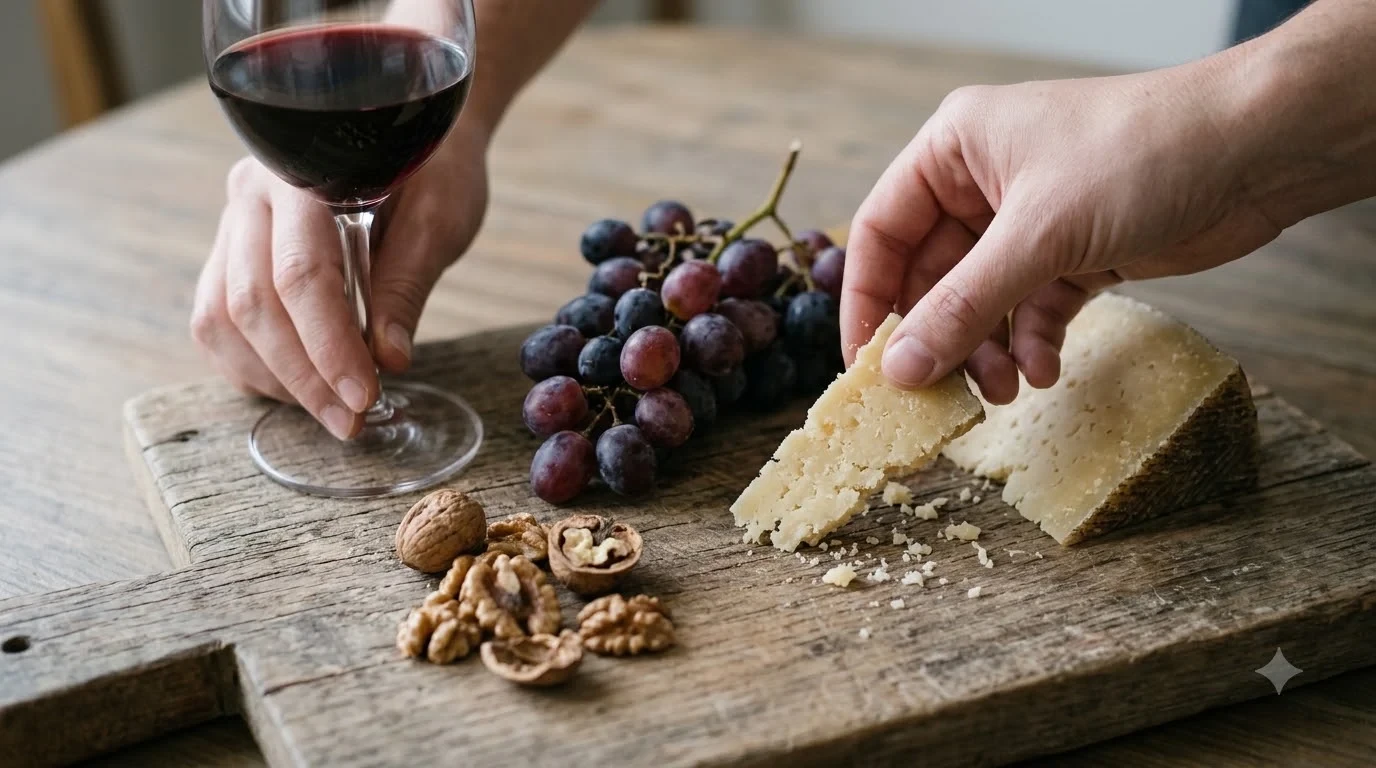
Chianti excels alongside tomato-based dishes, olive oil, and hard aged cheeses, while Syrah is built for charred red meats, smoky barbecue, and rich game. Matching the wine’s acid and weight to the dominant sauce or cooking method on the plate keeps either bottle from tasting sour or heavy.
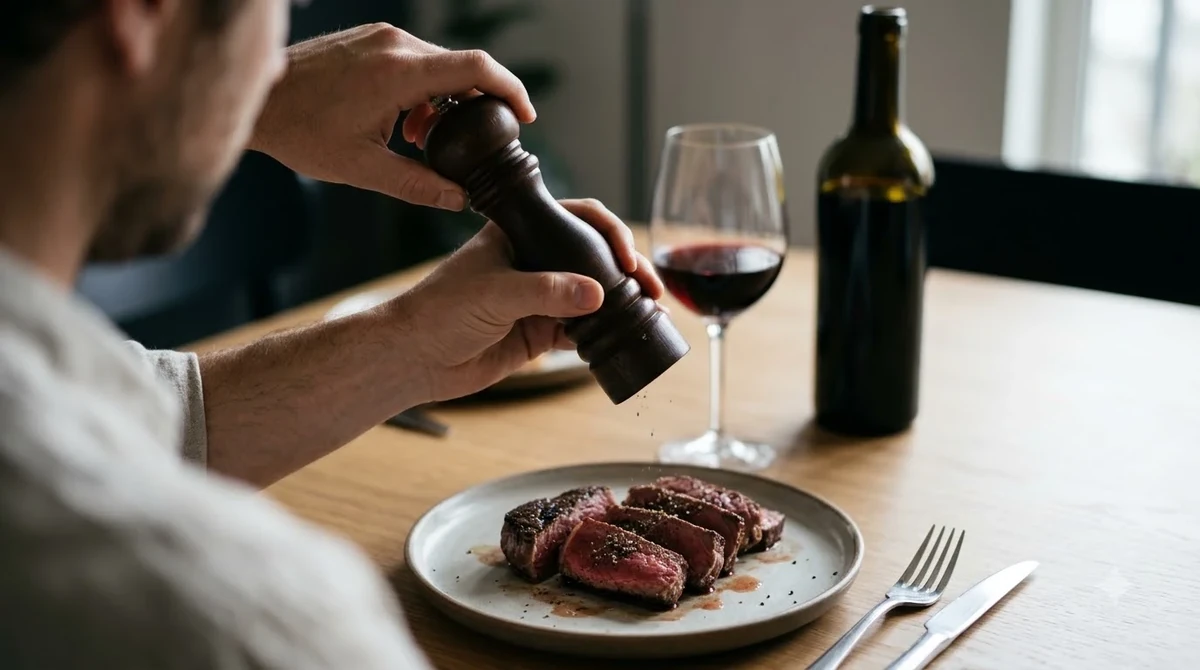
Because acidic food requires a wine with equal or higher acidity, Chianti’s high natural brightness makes it the gold standard for Italian red sauces. Classic pairings include spaghetti al pomodoro, Margherita pizza, eggplant Parmesan, and wild boar ragù, where Sangiovese’s tart cherry fruit mirrors the tang of cooked tomatoes while its firm tannins cut through melted mozzarella and olive oil. For richer Tuscan main courses like Bistecca alla Fiorentina—a thick-cut, charcoal-grilled T-bone steak dressed simply with olive oil, sea salt, and rosemary—an aged Chianti Classico Riserva provides enough tannic structure to bind with the beef’s fat and protein without overpowering the meat.
Syrah steps in when savory char, dark glazes, and marbled fat take center stage. According to Wine Enthusiast, cooler-climate Syrah with its black pepper and smoked-meat aromatics pairs naturally with roast duck, venison, seared lamb chops, sautéed wild mushrooms, and braised beef short ribs. Warm-climate Shiraz—with riper blueberry fruit and higher alcohol typically reaching around 14% to 15.5% ABV according to Wine Enthusiast—handles sweet-and-smoky barbecue ribs, bacon cheeseburgers, and blackened steaks that would make a lighter, high-acid Chianti taste thin. Avoid pairing either tannic red with oily fish like salmon or mackerel, as fish oils clash with red wine tannins to create a metallic aftertaste, and watch out for fiery chili heat, which amplifies both alcohol burn and astringency.
Serving Temperature, Decanting, and Storage
Chianti tastes sharpest when served slightly cool at 55°F to 60°F, whereas full-bodied Syrah shows best slightly warmer at 60°F to 65°F. Both wines benefit from brief aeration when young, and both store best on their sides in a dark space around 55°F.
Serving temperature directly shapes how each wine’s structure comes across in the glass. At room temperatures above 70°F, Chianti can lose its crisp red-fruit lift and taste overly sharp, while high-alcohol Shiraz can smell hot and spirit-forward. Placing a room-temperature bottle of Syrah in a standard kitchen refrigerator for about 15 minutes brings it right into the 60°F to 65°F sweet spot, while Chianti benefits from 20 to 25 minutes in the fridge to reach 55°F to 60°F. Pouring standard 5-ounce servings yields roughly five glasses from a standard 750-milliliter bottle.
Decanting serves a practical purpose for both styles. Young Chianti Classico Riserva and structured northern Rhône Syrah both open up after 30 to 60 minutes in a wide-base decanter, which softens tight tannins and releases floral and herbal aromatics. Older bottles—such as a 10-year-old Hermitage or Chianti Rufina Riserva—should be stood upright for several hours before opening and decanted slowly off their fine sediment right before pouring. Once opened, recorked bottles of Chianti or Syrah stay fresh in the refrigerator for 3 to 5 days before oxidation flattens their fruit.
How to Choose Between Chianti and Syrah
Pick Chianti when the meal features bright tomato sauces, herbs, or lighter roasted meats and you want a refreshing, food-driven red, and pick Syrah when the menu leans toward heavy grilled meats, smoky spices, or a rich standalone glass after dinner. Letting the cooking method, guest preferences, and serving setting guide the decision takes the guesswork out of buying.
- Choose Chianti for Italian weeknight dinners and lighter fare: Pizza, marinara pasta, grilled chicken with herbs, prosciutto boards, and aged Pecorino cheese all shine alongside Chianti’s crisp acidity and moderate alcohol.
- Choose cooler-climate Syrah for savory, earthy roasts: Herb-crusted rack of lamb, mushroom risotto, duck breast, and pepper-crusted steak match the savory, peppercorn-laced profile of northern Rhône, Washington, or Sonoma Coast Syrah.
- Choose warm-climate Shiraz for backyard grilling and bold flavors: Smoked brisket, baby back ribs, chargrilled burgers, and dark chocolate desserts call for the plush fruit weight and higher ABV power (often 14% to 15.5% per Wine Enthusiast) of Australian or warm-valley Shiraz.
If bold, jammy New World reds appeal to you, comparing syrah vs zinfandel highlights another high-flavor matchup, while browsing additional Wine vs Wine guides makes it easy to contrast other classic grape varieties before stocking your wine rack.
Frequently Asked Questions
Is Chianti sweeter or drier than Syrah?
Both Chianti and Syrah are fermented completely dry with virtually no residual sugar, though warm-climate Shiraz can taste perceptibly sweeter due to riper fruit flavors and higher alcohol. According to Wine Enthusiast, a 5-ounce pour of dry, lower-alcohol Syrah contains roughly 125 calories (625 calories per 750ml bottle), whereas a riper 15% ABV Shiraz rises to about 175 calories per 5-ounce glass.
Which wine ages longer in a wine cellar, Chianti or Syrah?
Top examples of both wines can age for a decade or more, though everyday entry-level bottles are generally best enjoyed within a few years of the vintage date. High-elevation Chianti Classico Gran Selezione, Chianti Rufina Riserva, and northern Rhône appellations like Hermitage and Côte-Rôtie possess the dense tannins and natural acidity needed for multi-decade cellaring.
Why are some Chianti bottles sold in straw-wrapped flasks?
The traditional squat bottle wrapped in woven reed straw is called a fiasco, historically used in Tuscany to protect round-bottomed glass flasks during horse-cart transport. While modern quality-focused Chianti producers overwhelmingly use standard high-shouldered Bordeaux-style bottles for better horizontal racking and aging, a few wineries still bottle simple, young Chianti in fiaschi for nostalgic table service.
Can Syrah be blended with white grapes like Chianti sometimes is?
Yes—in France’s northern Rhône Valley, Côte-Rôtie producers are legally permitted to co-ferment Syrah with up to 20% Viognier, an aromatic white grape. Adding a small splash of white Viognier skins stabilizes Syrah’s deep purple color and lifts its floral apricot and violet aromas, much like how traditional Tuscan winemakers once blended small amounts of white Trebbiano or Malvasia into Chianti.
Which wine is better for someone who dislikes heavy tannins?
A standard, unoaked or lightly aged Chianti DOCG typically feels lighter on the palate than full-bodied Syrah, even though Sangiovese still has noticeable drying tannins. Look for young annata Chianti rather than oak-heavy Riserva, or choose a fruit-forward Australian Shiraz whose plush, ripe berry texture softens the perception of tannic grip.
Chianti and Syrah sit on opposite sides of the dry red wine spectrum, giving wine drinkers a reliable choice for almost any dinner menu. Reach for Chianti whenever bright acidity and red-fruit lift will freshen up a meal, and uncork Syrah when dark fruit, peppery spice, and full-bodied richness belong in the glass.
More in Wine vs Wine
 Nero d’Avola vs Pinot Noir: Taste, Body, and Pairing DifferencesUpdated Nov 21, 2026
 Chenin Blanc vs Pinot Blanc: Key Differences in Taste, Acidity, and PairingsUpdated Nov 21, 2026
 Chardonnay vs Shiraz: Key Differences in Taste, Serving, and PairingUpdated Nov 21, 2026
 Chardonnay vs Verdejo: How Spain’s Crisp White Compares to the World’s ChameleonUpdated Nov 21, 2026
 Chardonnay vs Sancerre: Key Differences in Taste, Grapes, and PairingUpdated Nov 21, 2026
 Chardonnay vs Malbec: Key Differences in Taste, Body, and PairingUpdated Nov 21, 2026