

We may earn a commission when you buy through links on this page, at no extra cost to you. Learn more.
Comparing gamay vs merlot comes down to body, tannin grip, and fruit profile: Gamay is a light-bodied, high-acid red bursting with fresh strawberry and cherry notes, while Merlot is a medium- to full-bodied red with softer acidity, medium tannins, and rich black plum and cocoa flavors. Gamay thrives in France’s Beaujolais region and drinks best slightly chilled at 55 to 60 degrees Fahrenheit alongside poultry, salmon, or charcuterie. Merlot anchors Bordeaux’s Right Bank and California vineyards, serving best at 60 to 65 degrees Fahrenheit with burgers, pork tenderloin, and roasted meats.
Both grapes produce dry, approachable red wines that avoid the mouth-drying astringency of Cabernet Sauvignon, making them frequent finalists for weeknight dinners and casual gatherings. Yet their winemaking methods, climate preferences, and structural balance create completely distinct experiences in the glass. Exploring how these two French varieties differ across key tasting metrics makes choosing the right bottle straightforward.
Key Structural Differences Between Gamay and Merlot
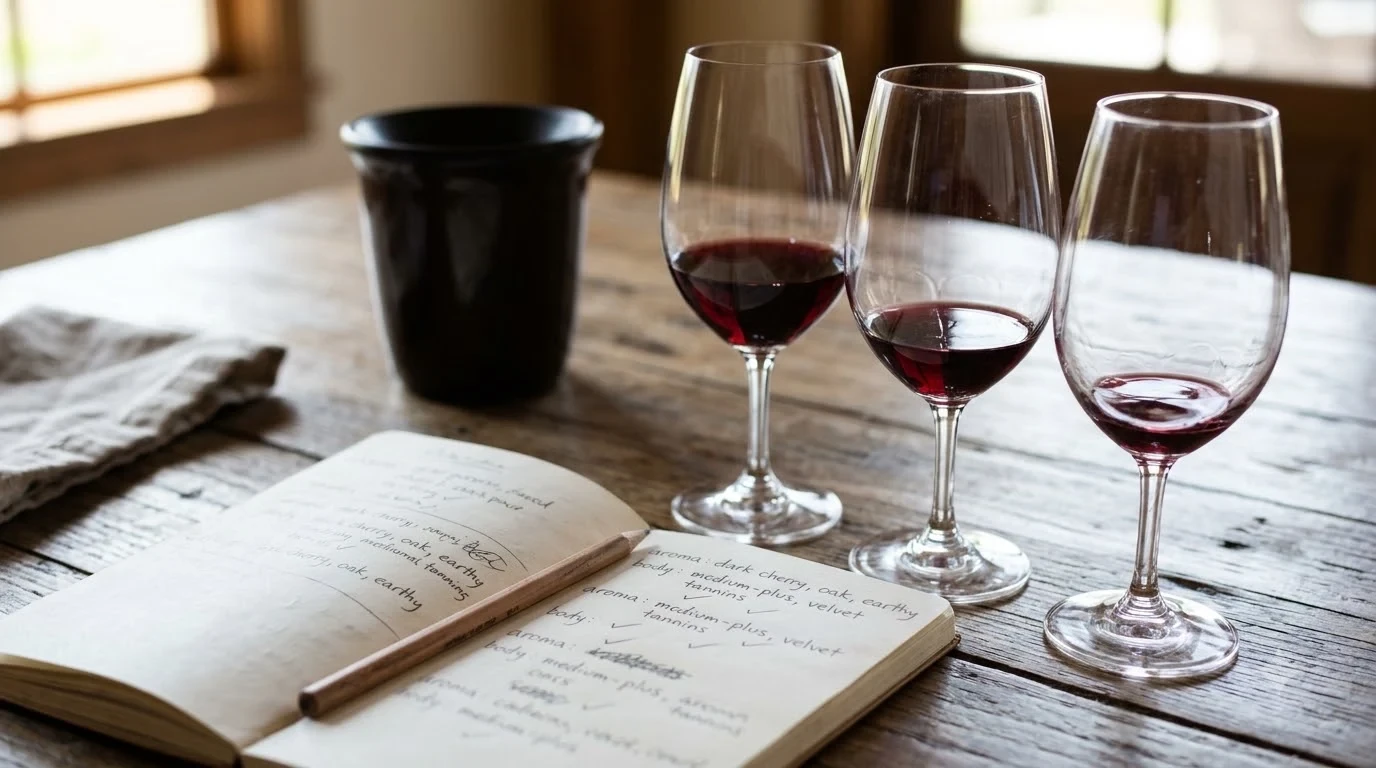
Gamay and Merlot sit on different rungs of the red wine weight scale, separated primarily by grape skin thickness, tannin extraction, and natural acidity. Gamay produces pale-to-medium ruby wines with bright acidity and low tannins, whereas Merlot delivers deep ruby wines with medium-plus weight, moderate acidity, and plush, velvety tannins.
Grape anatomy drives much of this structural contrast. Gamay Noir à Jus Blanc has thin skins and white juice, yielding lower levels of anthocyanins (color pigments) and phenolic tannins during fermentation. Even when winemakers extract maximum structure in top Beaujolais crus, Gamay maintains a nimble, mouthwatering snap driven by high natural malic and tartaric acidity. That brisk acid backbone makes Gamay feel refreshing on the palate rather than heavy or coating.
Merlot, a natural cross between Cabernet Franc and Magdeleine Noir des Charentes that originated in Bordeaux in the late 1700s, features slightly thicker skins and larger berries with a high pulp-to-skin ratio. According to Wine Enthusiast, youthful Merlot displays a deep ruby red hue with a characteristic glint of brick or orange along the rim, turning garnet as it matures. Its medium tannins provide a smooth, rounded grip that coats the mid-palate without turning harsh or chalky.
| Attribute | Gamay | Merlot |
|---|---|---|
| Body Weight | Light to medium-light | Medium to full |
| Tannin Level | Low | Medium |
| Acidity | High | Medium |
| Typical ABV | 11.5% to 13.5% | 13% to 14.5% |
| Core Fruit Notes | Strawberry, red cherry, cranberry, raspberry | Blackberry, black plum, black cherry, red currant |
| Secondary Notes | Violet, banana, bubblegum, wet granite, white pepper | Cocoa, vanilla, cedar, dried herbs, bay leaf |
| Serving Temperature | 55 to 60°F | 60 to 65°F |
| Aging Window | 1 to 3 years (5 to 10 years for Cru Beaujolais) | 3 to 8 years (10 to 20+ years for top Bordeaux/Napa) |
Flavor Profiles and Winemaking Influence
In the glass, Gamay leans toward tart red berries and floral aromatics, while Merlot emphasizes dark stone fruits, baking spices, and chocolate. Winemaking choices—specifically semi-carbonic maceration for Gamay versus traditional crushing and oak aging for Merlot—amplify these natural varietal differences.
Gamay owes much of its signature aromatic profile to Beaujolais vinification, a specialized fermentation technique documented by Inter Beaujolais. Instead of crushing grapes immediately, winemakers place intact whole clusters into unsealed vats. As weight compresses the bottom layer, natural yeasts start fermenting the released juice and generate carbon dioxide, which blankets the uncrushed berries above. Enzymatic intracellular fermentation begins inside each intact berry, creating esters that smell distinctly of fresh strawberry, raspberry candy, violet, and banana before traditional yeast fermentation finishes the batch.
Maceration length dictates how serious a Gamay becomes. Primeur wines like Beaujolais Nouveau macerate for just 4 to 6 days, locking in candied red fruit and virtually zero tannin. Standard Beaujolais and Beaujolais-Villages spend 6 to 10 days in vat, while the ten Beaujolais AOC crus macerate for 10 to 15 days to build darker berry depth, earthy mineral complexity, and firmer structure without heavy new oak.
Merlot takes a very different cellar path. Winemakers destem and crush the berries so juice ferments directly with skins and seeds, extracting richer color and medium tannins. Most quality Merlot ages in French or American oak barrels for 10 to 18 months, layering notes of cocoa powder, vanilla bean, clove, and cedar over ripe black cherry and plum fruit. Readers comparing Merlot with its parent grape can explore our cabernet franc vs merlot guide to see how herbal pyrazines and tannin structure shift across the Bordeaux family tree.
Tip: When shopping for Gamay, look past basic Beaujolais Nouveau if you want complexity. Bottles labeled with one of the ten Beaujolais Crus—such as Morgon, Moulin-à-Vent, or Fleurie—deliver deeper fruit, floral lift, and subtle spice that bridge the gap toward Pinot Noir.
Key Growing Regions and Style Variations
Geography shapes both grapes dramatically, with Gamay flourishing in cool granite soils and Merlot adapting across cool clay slopes and warm sun-drenched valleys. Knowing the regional origin on a bottle label immediately tells you whether to expect brisk, tart fruit or plush, full-bodied richness.
Gamay Regions: Beaujolais and Beyond
France’s Beaujolais region, stretching 55 kilometers north to south just outside Lyon between the Massif Central foothills and the Saône river plain, accounts for the vast majority of world-class Gamay. Southern Beaujolais features clay-limestone soils that yield light, easy-drinking wines meant for immediate enjoyment. Northern Beaujolais—home to the ten crus including Brouilly, Chiroubles, Juliénas, and Saint-Amour—sits on decomposed pink granite and schist, producing structured, mineral-driven wines capable of aging up to a decade. Outside France, Gamay finds a natural home in the Loire Valley’s Touraine appellation, Switzerland, Canada’s Niagara Peninsula, and Oregon’s Willamette Valley, where cool nights preserve crisp acidity.
Merlot Regions: Old World vs. New World
Merlot holds a dominant position on Bordeaux’s Right Bank, particularly in Saint-Émilion and Pomerol, where cool clay and limestone soils impart freshness, graphite minerality, and savory dried-herb nuances at 13 to 14 percent ABV. Iconic estates like Château Pétrus and Château Le Pin bottle 100 percent Merlot that can age for decades. In warmer New World regions such as California’s Napa Valley and Paso Robles, Chile’s Colchagua Valley, and Australia’s Margaret River, Merlot ripens more fully, reaching 14.5 percent ABV or higher with lush blackberry jam, mocha, and sweet oak spice. Washington’s Columbia Valley offers a middle ground, pairing ripe Washington dark fruit with brisk natural acidity.
Serving Temperature, Glassware, and Storage
Serving temperature affects Gamay and Merlot in opposite directions: Gamay shines with a light chill that sharpens its berry brightness, while Merlot needs slightly warmer cellar temperatures so its velvety tannins feel supple rather than tight. Proper glassware and post-opening care keep both wines balanced from first pour to last glass.
Gamay belongs in the light-red serving bracket of 55 to 60 degrees Fahrenheit. Placing a bottle in a standard home refrigerator for 25 to 30 minutes before dinner drops it from room temperature into this ideal window. At 55 to 60 degrees Fahrenheit, Gamay’s high acidity tastes crisp and refreshing, and any carbonic banana or bubblegum esters stay integrated rather than cloying. Use a wide-bowled Burgundy glass to capture its delicate floral and red-berry bouquet.
Merlot performs best between 60 and 65 degrees Fahrenheit—roughly 15 minutes in the refrigerator from a warm 72-degree kitchen. Serving Merlot too warm (above 68 degrees Fahrenheit) exaggerates its higher alcohol and makes the finish taste hot, while chilling it below 55 degrees Fahrenheit compresses its plum and chocolate aromatics and makes its medium tannins feel astringent. Pour Merlot into a standard Bordeaux glass with a tall chimney to direct dark fruit aromas upward. For more head-to-head style breakdowns across popular grapes, browse the Wine vs Wine library.
Once opened, both wines are still reds that stay fresh for 3 to 5 days when re-corked and stored upright in the refrigerator. Unopened bottles of either grape should rest on their sides near 55 degrees Fahrenheit away from direct sunlight and vibration. While standard Beaujolais and everyday Merlot drink best within 1 to 3 years of vintage, structured Cru Beaujolais and Right Bank Bordeaux Merlot reward 5 to 15 years of cool cellar aging.
Food Pairing: Matching Gamay and Merlot to the Plate
Food pairing separates these two reds cleanly: Gamay’s high acidity and low tannins make it a flexible partner for lighter meats, oily fish, and tangy sauces, while Merlot’s medium tannins and plush dark fruit stand up to richer proteins, roasted dishes, and savory herbs. Matching the weight and fat content of the dish to the tannin and acid levels of the wine prevents either element from overpowering the other.
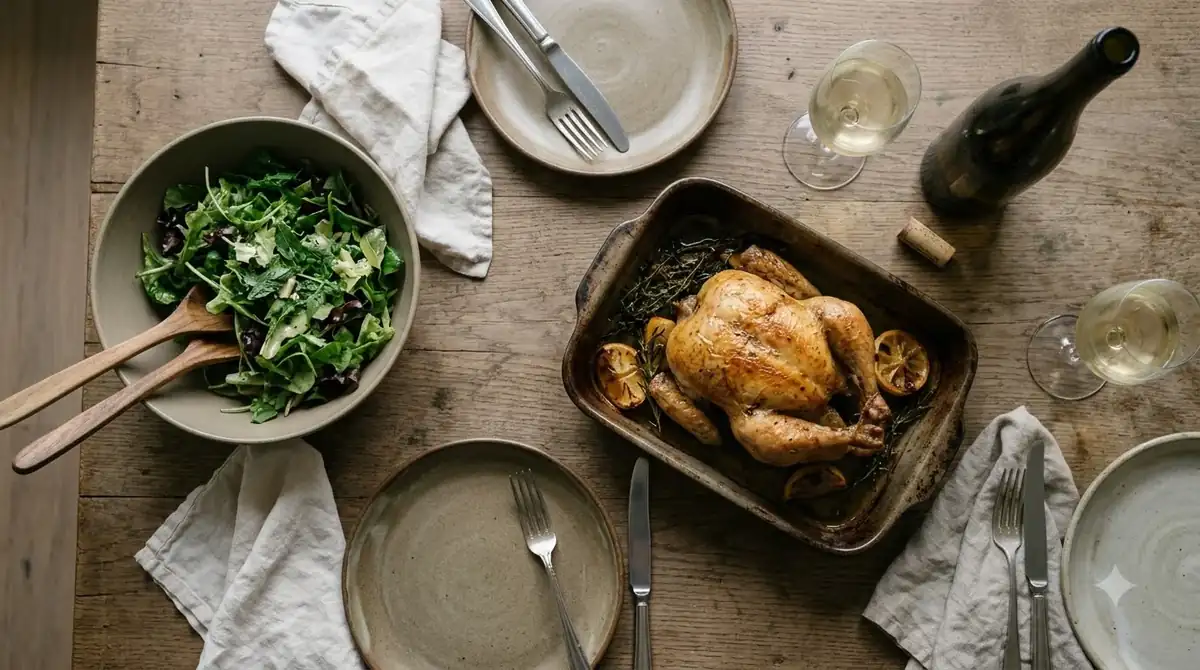
Gamay works on the table almost like a structured white wine with red fruit flavors. Because oily fish clashes with tannic reds, Gamay’s low tannin profile makes it one of the rare red wines that pairs cleanly with cedar-plank salmon, seared tuna, and grilled trout. Its brisk natural acidity also cuts through rich charcuterie boards, pâté, and triple-cream Brie without leaving a heavy palate coating. For Thanksgiving or holiday poultry, Beaujolais-Villages or Fleurie complements roasted turkey, cranberry relish, and herb stuffing because tart red-berry notes echo sweet-and-savory sides.
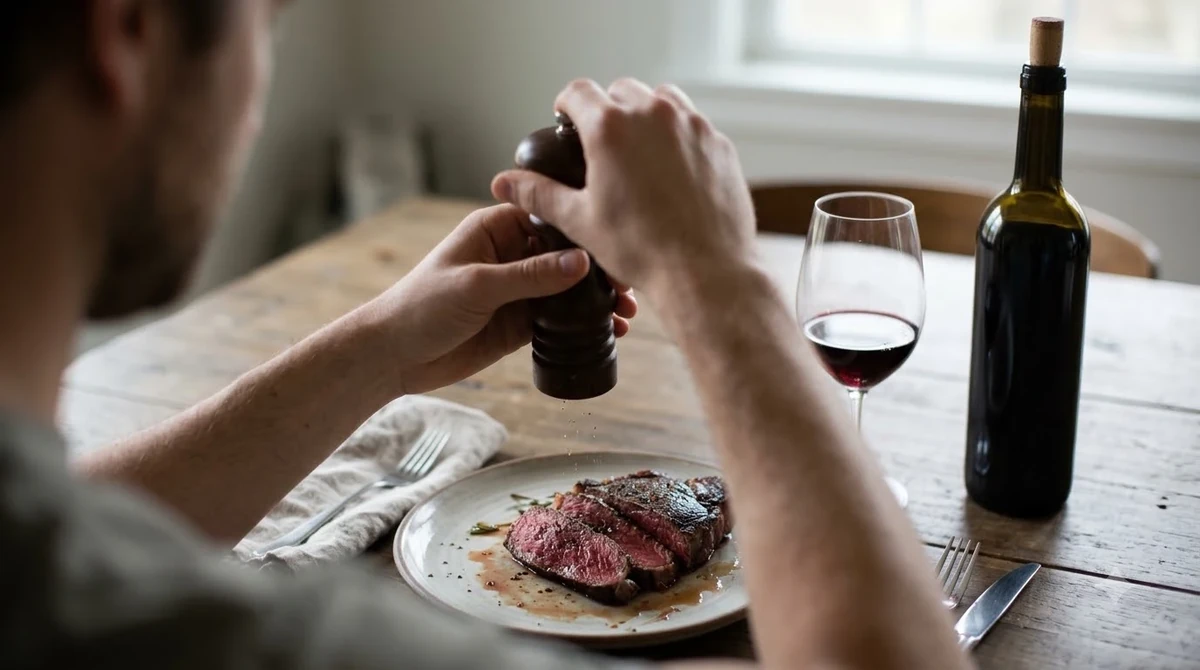
Merlot thrives alongside richer, fattier dishes where salt and fat soften its medium tannin structure. Herb-crusted pork tenderloin, beef burgers with aged cheddar, mushroom risotto, and braised short ribs all balance Merlot’s dark plum and cocoa flavors. Cooler-climate Merlot from Bordeaux’s Right Bank or Washington’s Columbia Valley—which carries natural herbal notes of bay leaf and dried thyme—pairs especially well with roasted lamb or duck breast. Avoid pairing high-ABV California Merlot with spicy chili heat, as raised alcohol and tannin amplify capsaicin burn.
How to Choose Between Gamay and Merlot
Choosing between gamay vs merlot depends on three practical variables: the richness of the meal, the ambient serving conditions, and preferred flavor intensity. Selecting Gamay prioritizes refreshment, bright tart fruit, and versatility, whereas selecting Merlot prioritizes warmth, velvety texture, and dark-fruit depth.
Reach for Gamay when serving dinner outdoors in warm weather, hosting a grazing table with varied appetizers, or cooking lighter proteins like roast chicken, pork chops, or salmon. Gamay is also the smarter pick for white-wine drinkers transitioning into reds, since its low tannin grip and chilled serving temperature feel immediately welcoming. When buying Gamay, look for recent releases for basic Beaujolais, or bottles with a few years of bottle age for structured crus like Morgon and Moulin-à-Vent.
Reach for Merlot when the menu features grilled steaks, tomato-based pasta ragù, aged hard cheeses, or hearty winter stews that need a medium-to-full-bodied red. Merlot also satisfies drinkers who appreciate subtle oak influence—notes of vanilla, toasted cedar, and baking spice—that traditional semi-carbonic Gamay rarely displays. Shoppers interested in how Merlot behaves inside classic French blends can read the bordeaux vs merlot comparison, while anyone weighing dry reds against sweet, aromatic whites can check merlot vs moscato.
Frequently Asked Questions
Is Gamay related to Pinot Noir?
Genetic profiling by researchers at UC Davis and INRA confirmed that Gamay is a natural cross between Pinot Noir and Gouais Blanc, an ancient white grape variety. This shared parentage explains why structured Cru Beaujolais from granite soils often resembles red Burgundy in aroma, acidity, and silky texture.
What does the name Merlot mean in French?
According to VinePair, the name Merlot derives from “merlau,” an old Bordeaux dialect word meaning “little blackbird.” Winemakers coined the term either for the grape’s deep blue-black skin color or because local blackbirds favored eating the early-ripening, sweet berries off the vine.
How many calories and carbs are in a glass of Merlot compared to Gamay?
Wine Enthusiast reports that a standard 5-ounce pour of dry Merlot contains roughly 125 calories and 0 to 4 grams of carbohydrates. Because dry Gamay typically finishes at lower alcohol levels than Merlot, a standard pour generally contains slightly fewer calories with similarly minimal residual carbohydrates.
What is “paradis” in Beaujolais Gamay winemaking?
Inter Beaujolais notes that after free-run juice drains from whole-cluster vats, winemakers press the remaining intact grapes to extract a sweet, intensely aromatic press wine called “paradis.” This concentrated fraction is blended back into the free-run wine to add fruit richness, color, and mid-palate complexity.
Does Merlot need to be decanted before serving?
Young, full-bodied Merlot from warm regions like Napa Valley or structured Bordeaux Right Bank blends benefit from brief decanting to soften medium tannins and open up dark fruit aromas. Lighter everyday Merlot and most Gamay wines can be poured straight from the bottle after reaching proper serving temperature.
Both Gamay and Merlot reward curiosity at the dinner table without demanding heavy cellar aging or complicated preparation. Keep a bottle of Beaujolais on hand for chilled weeknight versatility alongside poultry and fish, and reach for a well-balanced Merlot whenever roasted meats or richer sauces call for deeper structure and velvety dark fruit.
More in Wine vs Wine
 Nero d’Avola vs Pinot Noir: Taste, Body, and Pairing DifferencesUpdated Nov 21, 2026
 Chenin Blanc vs Pinot Blanc: Key Differences in Taste, Acidity, and PairingsUpdated Nov 21, 2026
 Chardonnay vs Shiraz: Key Differences in Taste, Serving, and PairingUpdated Nov 21, 2026
 Chardonnay vs Verdejo: How Spain’s Crisp White Compares to the World’s ChameleonUpdated Nov 21, 2026
 Chardonnay vs Sancerre: Key Differences in Taste, Grapes, and PairingUpdated Nov 21, 2026
 Chardonnay vs Malbec: Key Differences in Taste, Body, and PairingUpdated Nov 21, 2026