

We may earn a commission when you buy through links on this page, at no extra cost to you. Learn more.
When comparing primitivo vs tempranillo, Primitivo is a fuller-bodied, higher-alcohol Italian red packed with jammy dark berries and sweet baking spice, while Tempranillo is a more structured, savory Spanish red defined by red cherry, leather, tobacco, and firmer tannins. Both grapes are named for ripening early on the vine, yet they thrive in vastly different climates and winemaking traditions. Choose Primitivo for rich, plush fruit and grilled meats with sweet-savory glazes, or reach for Tempranillo when dinner calls for brighter acidity, earthy oak complexity, and roasted lamb or cured meats.
Southern Italy and northern Spain produce two of Europe’s most food-friendly red wines, yet shoppers often confuse them on restaurant lists and retail shelves. Although both varieties share warm Mediterranean roots and approachable fruit, their behavior in the glass diverges quickly once oak aging, vineyard elevation, and natural sugar accumulation come into play. This Wine vs Wine breakdown examines every practical difference between Primitivo and Tempranillo so you can buy, store, serve, and pair each bottle with confidence.
Side-by-Side Overview of Primitivo and Tempranillo
Primitivo trades on plush texture, ripe blackberry and fig fruit, and warm alcohol that frequently reaches 14.5% to 16% ABV, whereas Tempranillo delivers medium-to-full body, higher natural acidity, and savory leather and vanilla notes at 13.5% to 15% ABV. Understanding these baseline numbers makes it easy to predict how either bottle will feel on your palate before pulling the cork.
| Attribute | Primitivo | Tempranillo |
|---|---|---|
| Primary Home | Puglia, Southern Italy (Manduria, Gioia del Colle, Salento) | Northern and Central Spain (Rioja, Ribera del Duero, Toro) |
| Name Meaning | From Italian primo / Latin primativus (“first to ripen”) | From Spanish temprano (“early”) |
| Typical Alcohol (ABV) | 14%–16% | 13.5%–15% |
| Body | Full | Medium to Full |
| Tannins | Medium to Medium-Plus (velvety, plush) | Medium-Plus to High (firm, structured) |
| Acidity | Low to Medium | Medium to Medium-High |
| Core Fruit Flavors | Blackberry jam, ripe plum, dried fig, baked cherry | Tart red cherry, strawberry, raspberry, dark plum |
| Secondary Notes | Black pepper, cinnamon, licorice, cocoa, orange rind | Tobacco leaf, leather, cedar, vanilla, dill, dried herbs |
| Serving Temperature | 60–65°F | 60–65°F (55–60°F for light young Joven styles) |
| Cellaring Window | 3–5 years (8–15 years for Riserva bottlings) | 5–10 years (10–30 years for Gran Reserva and top Ribera) |
Because Primitivo accumulates grape sugars rapidly under the southern Italian sun, fermentations routinely finish at higher alcohol levels with a supple, almost sweet-seeming midpalate even when the wine is technically dry. According to Wine Enthusiast’s guide to Puglia’s premiere grape, bottlings from Primitivo di Manduria regularly climb up to 16% ABV, giving the wine a warming weight that coats the mouth. Tempranillo ripens early as well, yet cooler nighttime temperatures in Spain’s inland plateaus preserve natural malic and tartaric acids while keeping alcohol closer to 13.5% to 14.5% ABV in classic Rioja.
Winemaking philosophy widens that gap even further. Puglian producers typically highlight Primitivo’s exuberant primary fruit with shorter macerations and restrained new oak, though reserve bottlings spend 12 to 18 months in barrel. In contrast, Spanish bodegas classify Tempranillo by mandatory aging times in barrel and bottle, allowing oxygen and wood grain to transform bright berry fruit into tertiary aromas of cedar, dried fig, and cured leather.
Grape Origins and Why Both Names Mean “Early”
Both Primitivo and Tempranillo earned their names from ripening weeks ahead of neighboring red varieties, yet the two grapes share zero genetic relationship and evolved on opposite sides of the Mediterranean. Primitivo traces its roots across the Adriatic Sea to Croatia, while Tempranillo is native to northern Spain’s Ebro River basin.
In Puglia, local growers noticed in the early 19th century that one black-skinned variety reached full sugar ripeness in mid-to-late August, well before Negroamaro or Uva di Troia. As documented by Decanter’s report on old-vine Primitivo, Nicola Petrera helped rescue and propagate this early-ripening vine in Gioia del Colle, where it became known as Primitivo—meaning “first selection” or “first to ripen.” DNA profiling in the late 1990s confirmed that Primitivo is genetically identical to California Zinfandel and Croatia’s ancient Tribidrag (also called Crljenak Kaštelanski), a lineage explored further in our tempranillo vs zinfandel comparison.
Across the western Mediterranean, Spanish farmers independently named their flagship grape after temprano, the Spanish word for early, because its thick-skinned berries mature faster than blending partners like Garnacha, Graciano, and Mazuelo. Written records place Tempranillo in northern Spain’s Rioja and Navarra regions by at least the 1500s, and it now represents nearly 90% of its global vineyard acreage inside Spain. Outside Iberia, the grape travels under dozens of regional aliases, including Tinto Fino in Ribera del Duero, Tinta de Toro in Toro, Cencibel in La Mancha, and Tinta Roriz or Aragonês in Portugal’s Douro and Alentejo regions.
Rapid ripening creates distinct vineyard challenges for each grape. Primitivo clusters ripen unevenly and can swing from underripe to perfectly balanced and then to raisined within a matter of days under August heat; some Puglian growers deliberately harvest when roughly 5% of berries per bunch have begun to raisin to add concentration without losing freshness. Tempranillo’s tight clusters and thick skins tolerate daytime heat well, but the vine is vulnerable to spring frosts, fungal rot during wet harvests, and excessive alcohol if planted on warm, low-elevation valley floors.
Flavor Profile, Tannins, and Acidity Compared
In the glass, Primitivo emphasizes dark, jammy fruit and sweet spice over grip, whereas Tempranillo balances tart red berries with savory earth, herbal lift, and firm, drying tannins. Tasting the two side by side reveals an immediate contrast between fruit sweetness and structural tension.
Primitivo: Jammy Dark Fruit and Plush Texture
Pouring a glass of Primitivo reveals an opaque, deep ruby-purple core that stains the edges of the bowl. On the nose, ripe blackberry, stewed plum, black cherry preserves, and dried fig lead the way, backed by notes of black pepper, cinnamon, licorice, and occasionally bitter orange rind or cocoa. Because Primitivo has relatively thin skins compared to Cabernet Sauvignon, its tannins feel velvety and rounded rather than astringent, while lower-to-moderate acidity gives the midpalate a lush, mouth-filling generosity.
Tempranillo: Savory Red Fruit and Firm Grip
Tempranillo pours medium ruby when young and shifts toward brick-red or rust-garnet edges after extended barrel and bottle aging. Fresh, unoaked or lightly oaked bottles burst with tart red cherry, wild strawberry, raspberry, and crushed plum, accompanied by subtle hints of dried herbs and tomato leaf. Once aged in oak—traditionally American oak in Rioja or French oak in Ribera del Duero—Tempranillo layers vanilla, coconut, dill, cedar, tobacco leaf, and worn leather over its fruit core, supported by medium-high acidity and dusty, palate-cleansing tannins.
Tip: If you enjoy the lush fruit of Primitivo but want more tannic structure, look for a bottle labeled Primitivo di Manduria Riserva or a Tempranillo from Ribera del Duero rather than a traditional Rioja Crianza.
Key Wine Regions and Regional Styles
Geography shapes both grapes dramatically: coastal breezes versus inland limestone hills divide Puglia into three distinct Primitivo styles, while elevation and river valleys split Spanish Tempranillo between refined Rioja and muscular Duero Valley reds. Knowing the appellation name on the front label tells you exactly which end of the spectrum you are buying.
Puglia’s Three Main Primitivo Zones
Stretching more than 200 miles along the heel of Italy’s boot, Puglia produces three distinct expressions of Primitivo depending on soil depth, altitude, and sea winds:
- Primitivo di Manduria DOC: Located in Taranto province along the Ionian Sea, this warm flatland zone of clay and sandy soils yields Puglia’s richest, boldest Primitivo. Expect dense blackberry liqueur, fig, and chocolate notes, generous oak aging, and 14.5% to 16% ABV, alongside rare sweet Dolce Naturale DOCG bottlings made from late-harvest raisined grapes.
Food Pairing: What to Serve with Primitivo vs Tempranillo
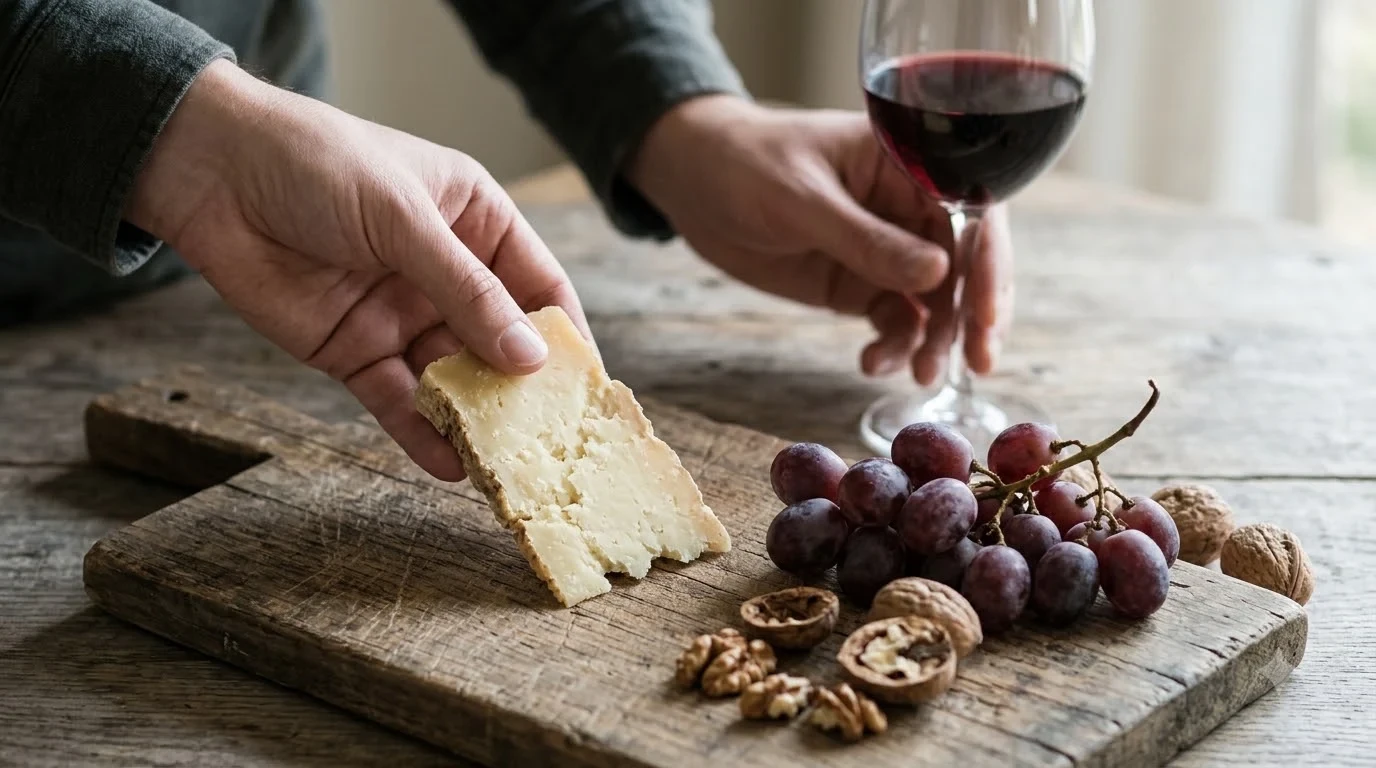
Primitivo pairs best with smoky, slightly sweet, or richly sauced dishes that match its plush dark fruit and higher alcohol, while Tempranillo excels alongside herb-crusted roasts, cured meats, and savory tomato-based plates that play off its brighter acidity and firm tannins. Matching each wine to the dominant weight and seasoning of the meal prevents alcohol heat or astringency from taking over the table.
Because Primitivo carries lower-to-moderate acidity and velvety tannins, it thrives with foods featuring caramelized edges, savory fat, and gentle sweetness. Barbecue pork ribs, braised beef short ribs, grilled sausages with fennel, lamb meatballs in spiced tomato sauce, and aged pecorino or gorgonzola cheeses all cushion Primitivo’s high alcohol (commonly 14.5% to 16% ABV, per Wine Enthusiast) without clashing. Avoid pairing high-alcohol Primitivo di Manduria with fiery chili-spiced dishes or delicate white fish, as high alcohol amplifies capsaicin heat and overwhelms light proteins.
Tempranillo’s higher natural acidity and structured tannins make it one of the most versatile dinner wines in Europe, much like the Italian Sangiovese highlighted in the sangiovese vs tempranillo guide. Spanish classics such as roast suckling lamb, jamón serrano, chorizo tapas, paella with rabbit or chicken, and aged Manchego cheese highlight Tempranillo’s red cherry brightness and leather-and-cedar oak notes. Young, unoaked Joven Tempranillo even handles grilled salmon or seared tuna steaks when served slightly chilled, whereas a bottle-aged Rioja Gran Reserva—which Wine Enthusiast notes must age at least five years before release—shines with duck breast, wild mushroom risotto, or herb-crusted rack of lamb.
Serving Temperature, Decanting, and Storage
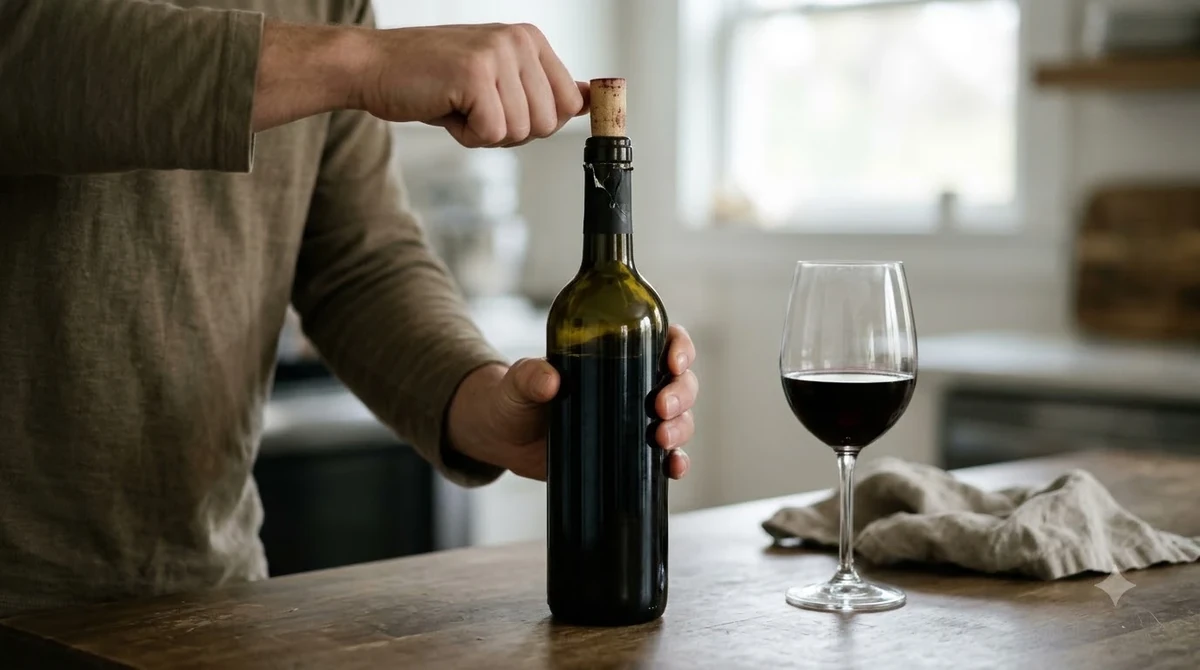
Serve both Primitivo and oak-aged Tempranillo slightly below room temperature at 60–65°F, decant structured bottles for 30 to 60 minutes before pouring, and store unopened bottles on their sides near 55°F. Proper temperature control keeps Primitivo from tasting hot or syrupy while allowing Tempranillo’s savory aromatics to open cleanly.
Serving wine at a warm 72°F room temperature pushes Primitivo’s alcohol aromas forward and flattens its dark berry fruit; chilling the bottle in a refrigerator for 20 to 25 minutes before dinner brings it right into the 60–65°F sweet spot. Light, unoaked Tempranillo Joven tastes freshest at 55–60°F—the same range recommended for light reds in the pinot noir vs tempranillo comparison—while structured Rioja Reserva, Gran Reserva, and Ribera del Duero bottlings belong at 60–65°F.
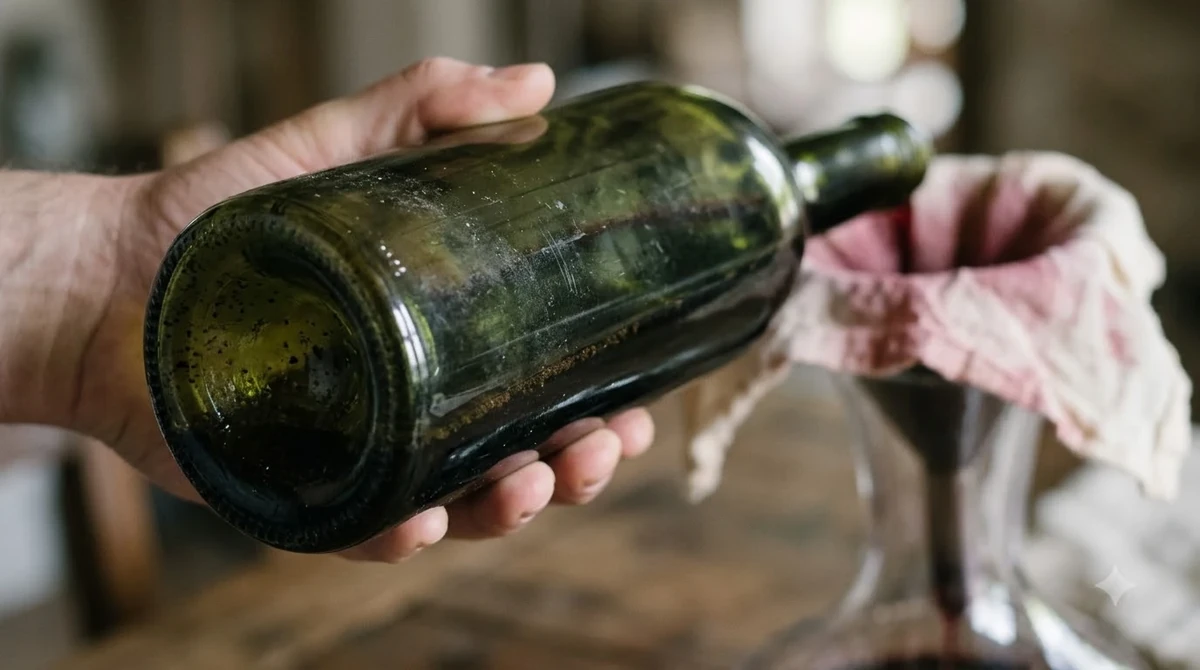
Decanting plays a slightly different role for each variety. Young, full-bodied Ribera del Duero and Toro Tempranillo benefit from 45 to 60 minutes in a wide-bottomed decanter to soften firm tannins, whereas older Rioja Gran Reserva only needs 20 to 30 minutes to blow off bottle funk without fading. Dense Primitivo di Manduria also improves after 30 minutes of aeration, which integrates its ripe fruit and spice. Once opened, recork either bottle and keep it in the refrigerator, where still red wines stay fresh for 3 to 5 days.
How to Choose Between Primitivo and Tempranillo
Pick Primitivo when you want a lush, fruit-forward red with minimal astringency and warming richness, and choose Tempranillo when you prefer crisp acidity, earthy complexity, and structural grip at the dinner table. Both grapes offer tremendous value across everyday and cellar-worthy tiers, so the right choice comes down to texture, oak influence, and occasion.
Reach for a Puglian Primitivo—especially from Salento IGT or Primitivo di Manduria DOC—if you are hosting a casual backyard barbecue, pouring wine without food, or shopping for fans of bold California Zinfandel and Shiraz. Its rounded tannins and plush blackberry-and-spice profile make it immediately approachable on the first sip without years of bottle age.
Choose Tempranillo if you enjoy savory, food-driven reds with bright acidity and layered oak character. Opt for a Rioja Crianza or Reserva when you want silky red fruit, vanilla, and leather at a moderate 13.5% to 14.5% ABV (as Wine Enthusiast notes for Rioja), or step up to Ribera del Duero or Toro when the menu features marbled ribeye steaks, roasted game, or hearty winter stews that demand firmer tannins.
Frequently Asked Questions
Why are old-vine Primitivo bottles from Puglia prized by collectors?
Traditional Puglian vineyards trained Primitivo as freestanding, low-to-the-ground bush vines called alberello, which naturally restrict yields and concentrate flavor. According to Decanter, at least 80% of Puglia’s old bush-vine Primitivo was uprooted during European Union vine-pull programs and replaced with higher-yielding trellised rows, making surviving old-vine alberello plots rare and sought after for deeper mineral complexity.
How does soil depth affect the taste of Primitivo in Puglia?
In coastal communes such as Sava, roughly 12 kilometers from the Ionian Sea, vineyard topsoil sits over porous, spongy limestone bedrock that holds moisture during hot summers. Decanter notes that plots with topsoil shallower than 1 meter force vine roots into the limestone and yield smaller berries with brighter mineral character than vineyards planted on 4 meters of deep soil.
Where is Tempranillo grown outside of Spain and Portugal?
While Wine Enthusiast reports that nearly 90% of global Tempranillo plantings remain in Spain, winemakers in the United States have planted the grape in warm, sun-drenched regions with cool nights. According to Wine Enthusiast, notable American plantings thrive in Texas’ High Plains and Hill Country appellations as well as Washington’s Yakima Valley, where Tempranillo has been cultivated since 1993.
Why did Rioja Tempranillo adopt long oak barrel aging?
Rioja’s tiered aging system—Crianza, Reserva, and Gran Reserva—dates back to the 19th century when the phylloxera vineyard pest devastated French wine regions. Wine Enthusiast explains that Bordeaux winemakers crossed the Pyrenees into northern Spain during that crisis and introduced small oak barrel aging techniques that became the permanent hallmark of classic Rioja.
Is Primitivo sweet or dry?
Standard Primitivo from Primitivo di Manduria DOC, Gioia del Colle DOC, and Salento IGT is vinified dry, though its high alcohol and ripe dark berry fruit create a sweet-tasting impression on the palate. The main exception is Primitivo di Manduria Dolce Naturale DOCG, a traditional sweet red dessert wine made from grapes left to partially raisin before fermentation.
Comparing primitivo vs tempranillo highlights how two early-ripening Mediterranean grapes can deliver opposite pleasures in the glass. Whether a dinner calls for the velvety, sun-baked dark fruit of southern Italy or the savory, oak-aged structure of northern Spain, knowing each wine’s regional cues ensures a confident pour every time.
More in Wine vs Wine
 Chenin Blanc vs Pinot Gris: Acidity, Body, and Pairing DifferencesUpdated Nov 20, 2026
 Chianti vs Lambrusco: How Tuscany and Emilia-Romagna Reds CompareUpdated Nov 20, 2026
 Chianti vs Primitivo: Key Differences in Taste, Body, and PairingUpdated Nov 20, 2026
 Chianti vs Rioja: Key Differences in Taste, Aging, and PairingUpdated Nov 20, 2026
 Chianti vs Shiraz: How Acidity, Body, and Food Pairings CompareUpdated Nov 20, 2026
 Chianti vs Syrah: Key Differences in Taste, Body, and Food PairingUpdated Nov 20, 2026