

We may earn a commission when you buy through links on this page, at no extra cost to you. Learn more.
The core difference in riesling vs zinfandel comes down to color, climate, and structure: Riesling is a high-acid, cool-climate white wine with lower alcohol, while Zinfandel is a full-bodied, warm-climate red wine with high alcohol and bold berry spice. Riesling ranges from bone-dry to intensely sweet at 8% to 12.5% ABV, whereas classic red Zinfandel is dry, jammy, and peppery at 14% to 16% ABV. Choosing between them depends on whether a meal calls for crisp citrus lift or rich, warming dark fruit.
Comparing a zesty European white grape against California’s signature red grape might seem straightforward at first glance, yet both varieties share surprising quirks that trip up shoppers at the wine shelf. Each grape spans multiple sweetness levels, carries deep historical roots, and reacts dramatically to vineyard temperatures. Looking at how these two wines differ in the glass makes picking the right bottle for dinner, entertaining, or cellaring much simpler.
Side-by-Side Comparison of Riesling and Zinfandel
Riesling and Zinfandel sit on opposite ends of the wine spectrum in grape skin color, alcohol strength, and acidity, though both can be made in dry or sweet styles. A quick look at their core numbers highlights why they behave so differently on the palate and at the dinner table.
| Attribute | Riesling | Zinfandel (Red) |
|---|---|---|
| Grape Skin Color | White (green-yellow berries) | Black-skinned red grape |
| Primary Climates | Cool regions (Germany, Alsace, Finger Lakes) | Warm, dry regions (California, Puglia) |
| Typical Alcohol (ABV) | 8% to 12.5% (dry styles 12%+) | 14% to 16% (up to nearly 20% in fortified styles) |
| Sweetness Range | Bone-dry to lusciously sweet | Dry (White Zinfandel rosé is semi-sweet) |
| Acidity Level | High | Medium-low to medium |
| Tannin Level | None (white wine) | Medium to medium-high |
| Signature Flavors | Lime, green apple, white peach, petrol | Blackberry jam, raspberry, black pepper, clove |
| Serving Temperature | 45°F to 50°F (sweet styles 43°F to 50°F) | 60°F to 65°F |
The clearest dividing line between these two grapes is how they balance sugar and acid during ripening. According to Wine Enthusiast’s Riesling varietal guide, Riesling thrives in cool northern growing zones where slow autumn ripening preserves piercing natural acidity while keeping sugar levels moderate. Even when winemakers stop fermentation early to leave residual sugar in the bottle, that sharp acid backbone keeps the wine crisp rather than syrupy.
Zinfandel follows the exact opposite path in warm, sun-drenched vineyards. Its berries grow in large, tightly packed cones that ripen unevenly on the same cluster, combining raisined, sugar-rich berries with fresh, tart ones. When yeast ferments all that natural grape sugar, red Zinfandel regularly climbs to 14% to 16% ABV, delivering a plush, mouth-filling texture and warming finish that stands apart from light-footed white wines.
Grape Origins and Top Growing Regions
Riesling originated along Germany’s Rhine River in the fifteenth century and dominates cool-climate vineyards worldwide, whereas Zinfandel traces its genetic roots to Croatia before becoming a California staple during the Gold Rush. Climate dictates where each grape succeeds and shapes the regional styles found in U.S. wine shops.
Where Riesling Thrives
According to Wines of Germany, the earliest written record of Riesling dates to March 13, 1435 in the Rheingau region, where the grape still covers nearly 78% of all vineyard land. Germany farms 24,233 hectares of Riesling—roughly 45% of the world’s total supply—with major plantings concentrated in Pfalz (5,926 hectares), Rheinhessen (5,438 hectares), and the steep slate slopes of the Mosel (5,266 hectares). Steep riverbanks reflect sunlight onto the vines while cool nights lock in tart malic and tartaric acids.
Beyond Germany, Alsace in eastern France produces drier, fuller-bodied Rieslings that typically reach 12% to 13% ABV and showcase flinty minerality. Austria’s Wachau and Kamptal valleys craft concentrated dry versions, while South Australia’s Clare and Eden Valleys yield bone-dry bottles bursting with fresh lime zest. In North America, New York’s Finger Lakes, Washington’s Columbia Valley, and Canada’s Niagara Peninsula produce vibrant, aromatic expressions that rival European benchmarks.
Where Zinfandel Thrives
For decades, California winemakers called Zinfandel the “mystery grape” until DNA fingerprinting in 2002 proved it is genetically identical to Italy’s Primitivo and Croatia’s ancient Crljenak Kaštelanski. According to the Wine Institute, the name Zinfandel first appeared in print in Boston in 1832, and pioneers carried cuttings to California during the Gold Rush between 1852 and 1857. Today, Zinfandel ranks as California’s third-most-planted winegrape with 34,099 acres across the state.
San Joaquin County—home to the Lodi appellation—leads California with 12,865 acres of Zinfandel, prized for sandy soils and century-old head-trained bush vines that yield plush, dark-fruited reds. Sonoma County follows with 4,541 acres, where cooler coastal fog in Dry Creek Valley and Russian River Valley produces brighter, more peppery wines. Other standout California zones include Amador County in the Sierra Foothills (1,705 acres), Paso Robles in San Luis Obispo County (1,667 acres), and Napa Valley (1,392 acres). In southern Italy’s Puglia region, the same grape is bottled as Primitivo di Manduria or Gioia del Colle, offering earthy notes of fig jam, dried orange peel, and spice.
Flavor Profiles, Aromas, and Winemaking Styles
Riesling delivers bright orchard fruit, citrus blossom, and stony minerality without new oak influence, while Zinfandel bursts with cooked bramble berries, cracked black pepper, and sweet baking spices shaped by oak aging. Winemaking choices in the cellar widen the stylistic gap even further.
Young Rieslings smell like freshly cut green apple, Meyer lemon, white peach, apricot, and jasmine. Because winemakers want to protect those delicate floral compounds and razor-clean acidity, Riesling is almost always fermented in temperature-controlled stainless steel tanks or large, neutral old oak casks rather than small, toasted barrels. After five to ten years in a cool cellar, Riesling develops a distinctive aromatic note of petrol or kerosene alongside honeycomb and dried apricot, a transformation prized by collectors.
Red Zinfandel leans into bold, generous fruit aromas of blackberry jam, boysenberry, black cherry, and raspberry preserves, layered with black pepper, clove, anise, and sweet tobacco. Winemakers frequently age red Zinfandel in American or French oak barrels to soften its texture and add hints of vanilla, mocha, and toasted coconut. Some producers also blend in small amounts of Petite Sirah to deepen the wine’s ruby-purple color and firm up its tannin grip.
Zinfandel also wears a completely different hat as White Zinfandel, a sweet, pale pink rosé accidentally created by Sutter Home in the 1970s using the saignée method when a tank of bled juice stopped fermenting before turning dry. Shoppers confused by the pink bottle versus the white German grape can explore the riesling vs white zinfandel comparison to see how their sweetness and acidity stack up.
Sweetness, Acidity, Alcohol, and Body Compared
Riesling is defined by high acidity, low-to-moderate alcohol, and a sweetness spectrum that runs from bone-dry to dessert-level sweet, whereas red Zinfandel is fermented dry with full body, high alcohol, and medium-low acidity. Understanding how these structural traits interact prevents common buying mistakes.
Many wine drinkers assume all Riesling is sweet, yet dry Riesling is widely produced across Germany, Alsace, Austria, and Australia. German bottles labeled “trocken” contain less than 9 grams per liter of residual sugar, while “halbtrocken” or “feinherb” bottles hold 9 to 18 grams per liter for a gently off-dry finish. Late-harvest German categories—Kabinett, Spätlese, Auslese, Beerenauslese, and Trockenbeerenauslese—climb steadily in sugar concentration, balanced by mouthwatering acidity that keeps every sip lively.
Red Zinfandel almost always ferments completely dry, meaning very little actual grape sugar remains in the bottle. However, its ripe jammy fruit flavors and 14% to 16% alcohol create a sweet, glycerol-rich impression on the mid-palate that fools many tasters into thinking sugar was added. Unlike Cabernet Sauvignon, which grips the gums with heavy tannins, Zinfandel carries medium to medium-high tannins that feel velvety and plush, making it approachable right upon release.
Tip: When shopping for Riesling without German classification terms on the front label, look at the alcohol percentage: bottles at 12% ABV or higher have fermented nearly all their sugar and taste dry, while bottles between 7.5% and 11% ABV retain noticeable sweetness.
Food Pairing: What to Serve with Riesling vs Zinfandel
Riesling pairs best with spicy, salty, acidic, and light seafood dishes thanks to its high acidity and lower alcohol, while Zinfandel shines alongside smoky barbecue, rich meats, and aged cheeses that tame its bold fruit and tannins. Matching the wine’s structural weight to the dish keeps either bottle from overwhelming the plate.
Because chili heat is amplified by high alcohol and tannin, off-dry Riesling at 8% to 10% ABV is one of the best matches for spicy Thai curries, Sichuan stir-fries, and buffalo wings. Its touch of residual sugar cools capsaicin burn on the tongue, while its sharp acidity cuts through fried foods like tempura, schnitzel, and crispy pork belly. Dry Riesling also pairs cleanly with oysters, seared scallops, roast chicken, and goat cheese salads without clashing with acidic vinaigrettes.
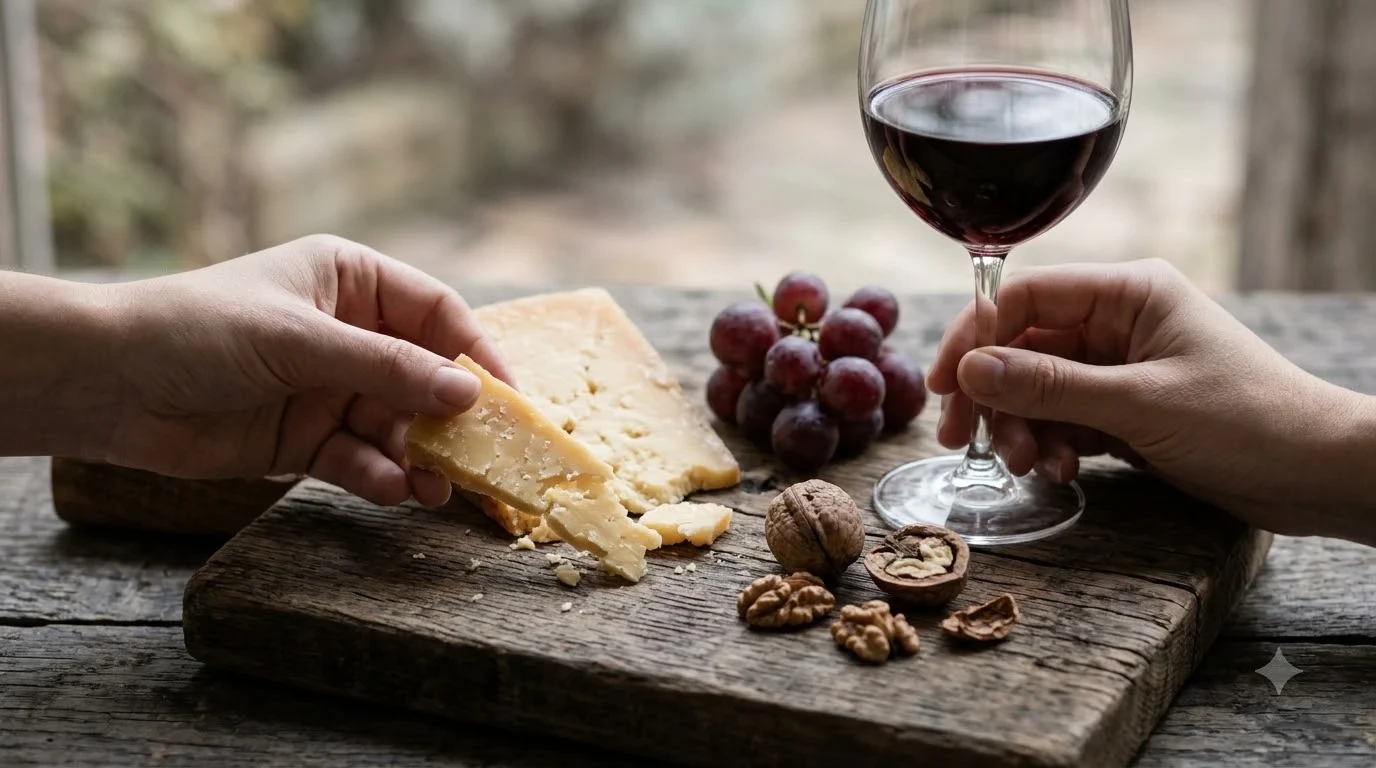
Red Zinfandel demands hearty, flavorful proteins where salt and fat soften its medium-high tannins and match its 14% to 16% alcohol weight. Smoked baby back ribs, pulled pork with sweet-and-tangy barbecue sauce, grilled tri-tip, and bacon cheeseburgers echo Zinfandel’s blackberry jam and black pepper spice. Hard aged cheeses like sharp cheddar, aged Gouda, and Manchego also stand up to Zinfandel’s richness, whereas delicate white fish will taste metallic and flat beside its ripe fruit and oak.
Serving Temperature, Glassware, and Storage Tips
Riesling tastes best well chilled between 45°F and 50°F in a narrow white wine glass, whereas red Zinfandel should be served slightly below room temperature at 60°F to 65°F in a wide-bowled red glass. Proper temperature control prevents Riesling from tasting flabby and keeps Zinfandel’s high alcohol from smelling hot.
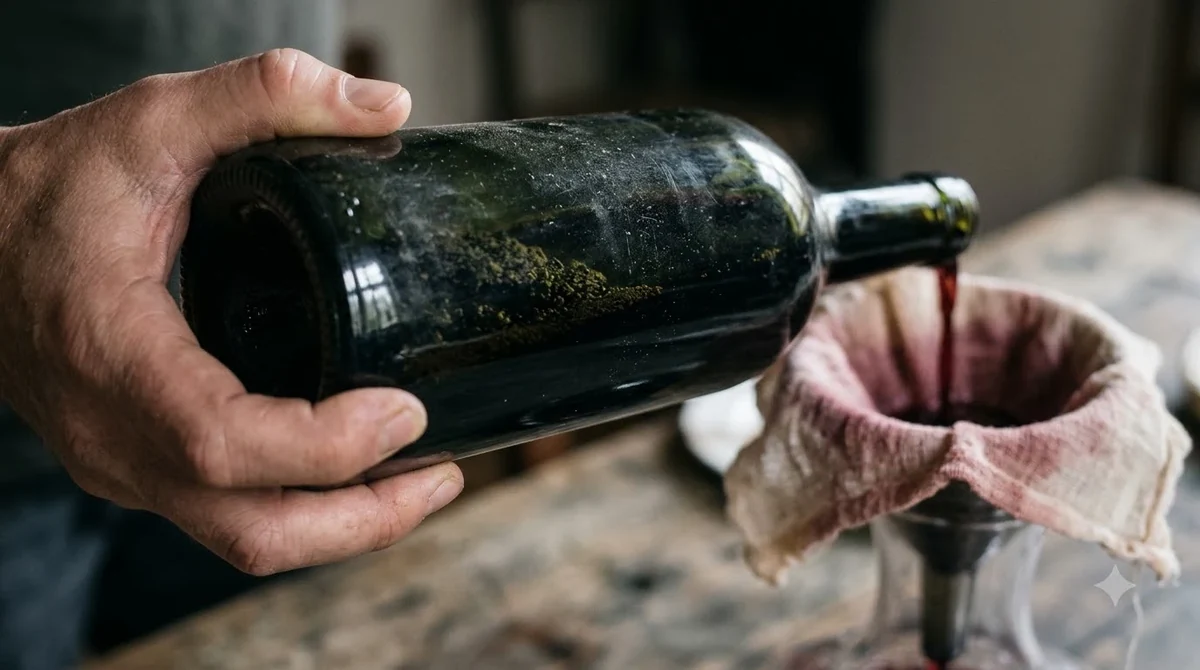
Chill dry Riesling in the refrigerator for about two hours before serving, or submerge the bottle in an ice-water bath for 20 minutes; sweet late-harvest Rieslings perform best even colder at 43°F to 50°F. Pour a standard 5-ounce serving (about five glasses per 750 ml bottle) into a tall, slender tulip glass that funnels citrus and floral aromas straight to the nose while keeping the wine cool. Avoid serving red Zinfandel at warm 72°F room temperatures, as heat emphasizes alcohol vapors—give the bottle 15 to 20 minutes in the refrigerator before uncorking and let young, full-bodied bottles decant for 30 to 60 minutes.
Store unopened bottles of both wines on their sides near 55°F in a dark, vibration-free spot so corks stay moist. While most red Zinfandels peak within 5 to 7 years of harvest according to Wine Enthusiast, quality dry and sweet Rieslings can age gracefully for 10 years or more thanks to their preservative acidity. Once opened and recorked in the refrigerator, both still wines stay fresh for 3 to 5 days.
How to Choose Between Riesling and Zinfandel
Pick Riesling when seeking a refreshing, lower-alcohol white wine for warm weather, spicy takeout, or flexible sweetness levels, and choose Zinfandel when craving a rich, warming red wine for grilled meats and cooler evenings. Reading a few key details on the bottle label narrows the choice in seconds.
Check the back label and alcohol percentage first: a Riesling at 12% to 13% ABV from Alsace, Clare Valley, or a bottle marked “trocken” will taste crisp and dry, whereas an 8% to 9.5% ABV Mosel Kabinett or Spätlese offers lively sweetness. For Zinfandel, look at the region on the front label—Lodi and Paso Robles bottles deliver plush, jammy dark fruit, while Sonoma’s Dry Creek Valley produces brisker, pepper-driven reds. Shoppers curious how Zinfandel compares against another bold red grape can check the shiraz vs zinfandel guide, or browse more head-to-head breakdowns in the Wine vs Wine archive.
Frequently Asked Questions
Is Zinfandel related to Italy’s Primitivo grape?
Yes, DNA profiling led by Carole Meredith at UC Davis, alongside Croatian researchers, confirmed that California Zinfandel and southern Italy’s Primitivo share the same genetic profile as Croatia’s Crljenak Kaštelanski (Tribidrag) grape. Despite sharing the exact same DNA, U.S. Alcohol and Tobacco Tax and Trade Bureau labeling rules require winemakers to list Zinfandel and Primitivo separately rather than treating them as synonyms on American labels.
Why do some aged Rieslings smell like gasoline or petrol?
That signature petrol aroma comes from a natural compound called TDN (1,1,6-trimethyl-1,2-dihydronaphthalene) that forms in the bottle as carotenoid precursors in Riesling skins break down over time. Warm, sun-exposed vineyard sites and five or more years of bottle aging increase TDN levels, creating a mineral-like scent that many wine enthusiasts prize alongside dried stone fruit.
Does Zinfandel ever come in a sweet style besides White Zinfandel?
Yes, some California wineries craft late-harvest red Zinfandels and Port-style fortified Zinfandels that retain substantial residual sugar and reach 18% to nearly 20% alcohol. These dessert-style red Zinfandels taste like concentrated blackberry cordial and dark chocolate, pairing well with flourless chocolate cake or blue cheese.
Which wine has fewer calories per glass, Riesling or Zinfandel?
Dry Riesling generally contains fewer calories than red Zinfandel because the USDA reports that alcohol provides roughly seven calories per gram compared to four calories per gram for carbohydrates. A 5-ounce glass of 12% ABV dry Riesling carries around 115 to 120 calories, whereas a 5-ounce pour of 15.5% ABV red Zinfandel typically reaches 150 to 160 calories.
Can Riesling be made as a sparkling wine?
Yes, Germany produces extensive quantities of sparkling Riesling called Sekt, made using either the tank method or traditional bottle fermentation. Riesling Sekt combines the grape’s natural green apple and lime zest acidity with fine bubbles, typically tasting dry to off-dry at 11.5% to 12.5% ABV.
Riesling and Zinfandel represent two classic, contrasting poles of the wine world: one a high-acid, aromatic white built for precision and refreshment, the other a sun-ripened red built for richness and spice. Keeping a bottle of crisp Riesling chilled alongside a cellar-temperature Zinfandel covers nearly every menu from spicy weeknight noodles to weekend barbecue.
More in Wine vs Wine
 Chenin Blanc vs Pinot Gris: Acidity, Body, and Pairing DifferencesUpdated Nov 20, 2026
 Chianti vs Lambrusco: How Tuscany and Emilia-Romagna Reds CompareUpdated Nov 20, 2026
 Chianti vs Primitivo: Key Differences in Taste, Body, and PairingUpdated Nov 20, 2026
 Chianti vs Rioja: Key Differences in Taste, Aging, and PairingUpdated Nov 20, 2026
 Chianti vs Shiraz: How Acidity, Body, and Food Pairings CompareUpdated Nov 20, 2026
 Chianti vs Syrah: Key Differences in Taste, Body, and Food PairingUpdated Nov 20, 2026