

We may earn a commission when you buy through links on this page, at no extra cost to you. Learn more.
What does zinfandel taste like? Red zinfandel is a dry, full-bodied wine packed with jammy blackberry and raspberry flavors, cracked black pepper, and warm baking spices, while pink white zinfandel is a light, semi-sweet rosé tasting of fresh strawberries and melon. Most red bottlings land between 14% and 17% ABV, giving the wine a plush, mouth-filling texture balanced by lively acidity and moderate tannins.
Few grapes wear as many personalities in the glass as zinfandel. Depending on where the vines are rooted and how the winemaker handles the cellar, a bottle can lean toward bright, tart red berries with brisk acidity or swing all the way into concentrated, raisin-edged dark fruit wrapped in smoky oak and sweet tobacco. Understanding its core flavor profile makes it much easier to pick the right bottle for dinner or casual sipping.
What Is Zinfandel?
Zinfandel is a black-skinned, thin-skinned wine grape celebrated primarily as California’s signature red variety, though DNA research traces its original genetic roots to Croatia under the ancient name Tribidrag. In southern Italy, the exact same grape is cultivated widely under the name Primitivo.
One defining trait of the zinfandel vine is uneven ripening. Within a single cluster, a grower often sees green, underripe berries hanging right beside perfectly ripe fruit and shriveled, raisined grapes. Because those raisined berries carry highly concentrated natural sugars, fermenting them yields wines with noticeably higher alcohol levels than many classic European reds, alongside intense berry flavors.
Despite its dark skin, zinfandel produces a lighter ruby-garnet hue in the glass than Cabernet Sauvignon or Syrah. Its thin skins still contribute ample flavor compounds and moderate tannins, while natural acidity prevents the ripe fruit from feeling heavy. If you are exploring different wine styles and grape varieties, zinfandel sits right at the intersection of bold fruit power and refreshing brightness.
Flavor Profile and Main Styles
Red zinfandel bursts with candied red and black berry aromas layered over peppery spice and smoky oak, whereas white zinfandel offers a crisp, off-dry burst of strawberry, peach, and watermelon.
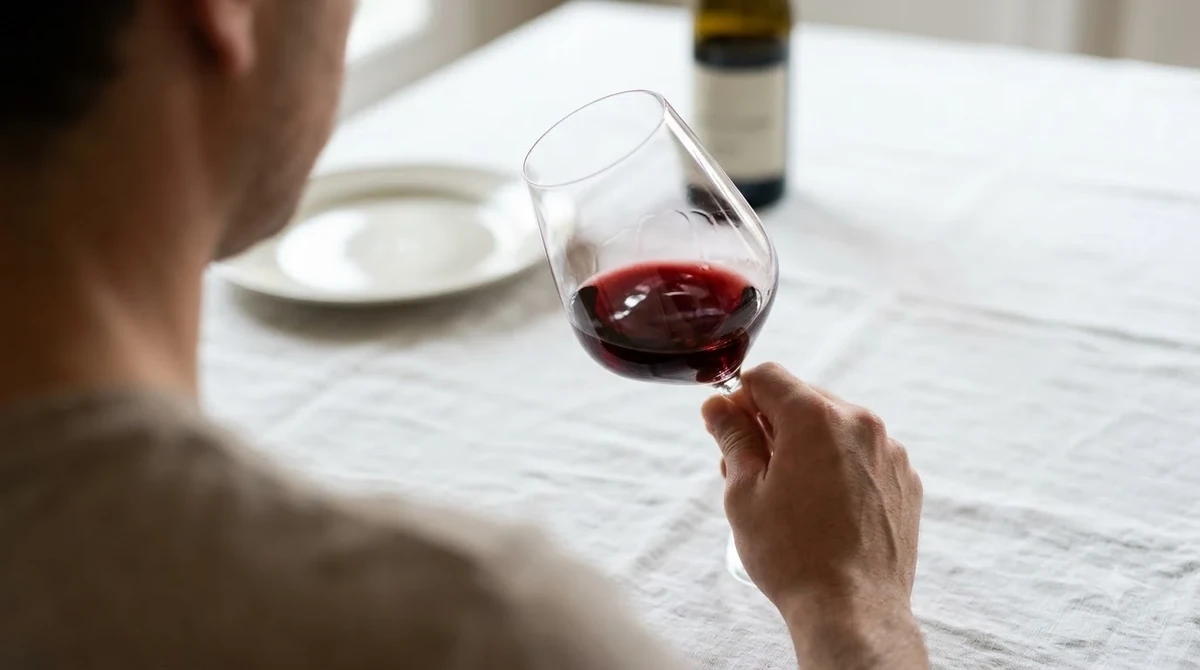
When you swirl a glass of dry red zinfandel, the first wave of aroma is unmistakably fruit-forward. Cooler-climate bottlings emphasize tart raspberry, cranberry, and red cherry, while warmer sites push the profile toward blackberry jam, boysenberry, and stewed plum. As the wine opens up, secondary notes emerge: cracked black pepper, cinnamon, clove, licorice, and a savory hint of dried tobacco leaf or wild sage. Oak aging adds further warmth in the form of vanilla, cocoa, and toasted cedar, as detailed in Wine Folly’s comprehensive guide to Zinfandel.
Although red zinfandel tastes remarkably rich and ripe, almost all classic bottlings are fermented completely dry. The impression of sweetness comes from intense fruit extract, baking spice aromatics, and elevated alcohol coating the palate rather than leftover sugar. By contrast, white zinfandel is a pale pink rosé made by separating the juice from the dark grape skins early and halting fermentation so residual sugar remains, keeping alcohol low around 9% to 10% ABV.
Winemakers also craft late-harvest and Port-style fortified zinfandels that reach nearly 20% ABV and taste of fig preserves, dark chocolate, and toasted nuts. Those sweet, fortified expressions share a comforting richness with traditional country pours, though they carry far more grape tannin and alcohol warmth than floral bottlings like those covered in our look at what dandelion wine tastes like.
| Style | Sweetness | Typical ABV | Core Tasting Notes | Body & Texture |
|---|---|---|---|---|
| Cool-Climate Red Zinfandel | Dry | 14% – 15% | Tart raspberry, cranberry, black pepper, wild herbs | Medium-full body, brisk acidity, silky tannins |
| Warm-Climate / Old-Vine Red | Dry | 15% – 17% | Blackberry jam, dark plum, cinnamon, mocha, sweet tobacco | Full body, plush mouthfeel, moderate tannins |
| Italian Primitivo | Dry | 13.5% – 15.5% | Dried fig, baked cherry, leather, Mediterranean herbs | Medium-full body, earthy finish, balanced grip |
| White Zinfandel (Rosé) | Semi-sweet | 9% – 10.5% | Fresh strawberry, watermelon, peach preserves, citrus | Light body, crisp acidity, zero tannin |
Where Zinfandel Grows Best
California is the heartland of zinfandel, where distinct microclimates shape the grape into everything from brisk, peppery reds to opulent, jammy powerhouses, while Puglia in southern Italy produces its earthier cousin, Primitivo.
Within California, Lodi holds a prominent place as the historic old-vine capital, home to sandy soils and head-trained vines planted more than a century ago. Lodi zinfandels are plush, generous, and brimming with dark cherry, baking spice, and cocoa. Further west in Sonoma County, Dry Creek Valley yields textbook brambly blackberry and sharp black pepper, while coastal fog in the Russian River Valley slows ripening to preserve bright red raspberry notes and lively acidity.
Napa Valley and the Sierra Foothills offer two more distinct expressions. Napa’s volcanic hillside vineyards produce deeply structured, age-worthy zinfandels with smoky, dark-fruited intensity. Meanwhile, high-elevation sites in Amador and El Dorado counties combine warm sunny days with cool mountain nights, yielding wines that balance super-ripe strawberry and raspberry jam flavors with brisk natural acidity and granite minerality.
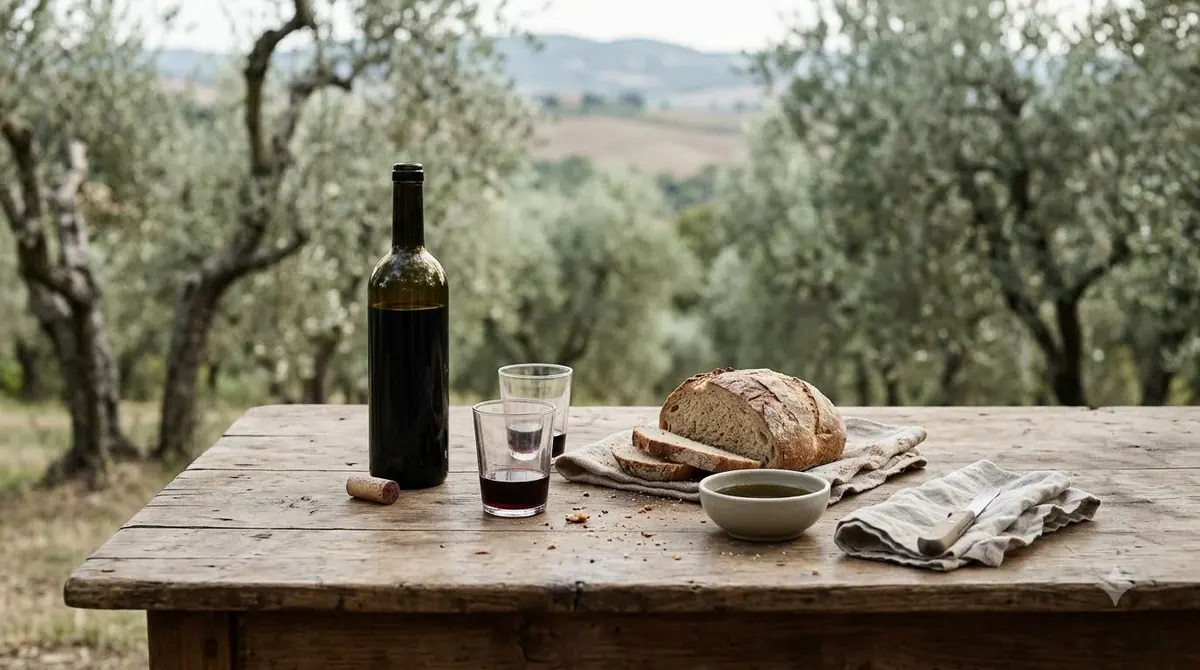
Across the Atlantic in Italy’s Puglia region, Primitivo ripens more evenly in the warm Mediterranean sun. Bottlings from Primitivo di Manduria and Gioia del Colle lean slightly more rustic and savory than California versions, trading candied berry intensity for dried figs, baked plum, leather, and dried herbs.
How to Serve Zinfandel
Red zinfandel tastes best slightly below room temperature at 60°F to 68°F, while white zinfandel should be well chilled to 45°F to 50°F to keep its sweetness crisp and refreshing.
Because red zinfandel frequently carries 14% to 17% ABV, serving it too warm causes the alcohol to dominate the glass, making the wine taste hot, flat, and slightly bitter. Placing a bottle of red zinfandel in the refrigerator for about 20 to 30 minutes before pulling the cork brings it right into the sweet spot where bright berry fruit and savory spice shine.
Pour red zinfandel into a large-bowled red wine glass so the generous aromatics have room to open up without concentrating alcohol fumes near your nose. Young, concentrated old-vine bottlings also benefit from 30 to 45 minutes in a decanter to soften any firm tannins and let secondary spice notes unfold. If you enjoy chilled, aromatic styles before dinner, you might also appreciate exploring what Lillet tastes like as a crisp aperitif option.
Tip: Check the ABV printed on the front or back label before opening a bottle—wines around 14% ABV will taste brighter and more peppery, while bottles over 15.5% ABV will feel richer, warmer, and noticeably more jammy.
Best Food Pairings for Zinfandel
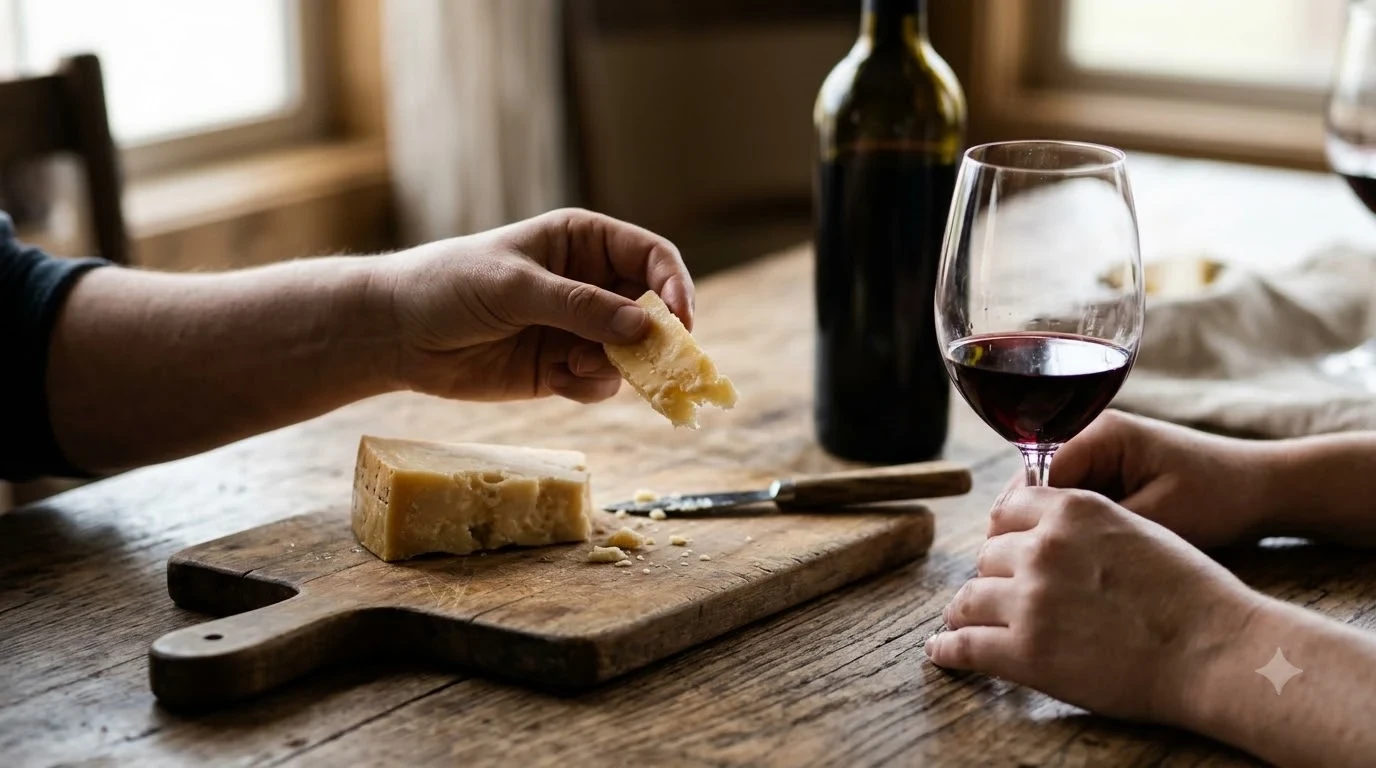
Zinfandel’s combination of juicy berry fruit, smoky spice, and lively acidity makes it a natural partner for grilled meats, smoky barbecue, spiced curries, and aged cheeses.
American barbecue is the classic match for red zinfandel. Slow-smoked beef brisket, pulled pork, and sticky pork ribs echo the wine’s charred oak, sweet tobacco, and jammy fruit notes without clashing with slightly sweet barbecue glazes. Burgers topped with sharp cheddar or smoky bacon, pepperoni pizza, and rich tomato-based pasta sauces also thrive alongside zinfandel’s bright acidity.
Beyond traditional grill fare, zinfandel handles bold herbs and warming spices remarkably well. According to Wine Enthusiast’s varietal guide, peppery cooler-climate bottlings pair effortlessly with spiced dishes like northern Indian curries, sumac-roasted chicken, and grilled pork belly. On a cheese board, reach for aged sharp cheddar, smoked gouda, or Manchego, and steer clear of delicate raw shellfish or light vinaigrettes that get overwhelmed by the wine’s weight.
How to Choose a Bottle of Zinfandel
Reading the region, vine age, and alcohol percentage on a zinfandel label tells you immediately whether a bottle will taste bright and spicy or dense and opulent.
Start by checking the appellation on the label. Choose Sonoma County, Mendocino, or Russian River Valley if you prefer lively red fruit, cracked black pepper, and brisk acidity that feels vibrant at the dinner table. Look toward Lodi, Paso Robles, or Amador County when you want a fuller-bodied, plush wine loaded with dark berry jam, mocha, and vanilla oak.
Next, scan for the phrase “Old Vine” on the front label. While the term is not strictly regulated by law, reputable producers use it to highlight heritage vineyards that are often 50 to over 100 years old. Older vines naturally produce fewer grape clusters, resulting in smaller berries with deeper flavor concentration, finer tannin structure, and more complex savory layers than young-vine bottlings. If your palate leans toward deeply fruity, heritage American grapes, comparing zinfandel with what muscadine wine tastes like highlights how differently North American and European vine species express sweetness and berry character.
Frequently Asked Questions
Is red zinfandel a sweet wine?
No, standard red zinfandel is fermented completely dry with virtually no residual sugar. It often gives the impression of sweetness because of its intensely ripe blackberry and raspberry fruit flavors, sweet baking spices from oak aging, and higher alcohol content, which creates a lush, full-bodied mouthfeel.
What is the difference between red zinfandel and white zinfandel?
Both wines are made from the exact same black-skinned zinfandel grape, but they are vinified completely differently. Red zinfandel ferments with its dark skins for days to extract deep color, tannins, and bold spice, while white zinfandel is pressed off the skins quickly and stopped early during fermentation to create a light, semi-sweet pink rosé.
Are zinfandel and Primitivo the same grape?
Yes, DNA profiling confirmed that California zinfandel, Italian Primitivo, and Croatia’s Tribidrag are genetically identical varieties. While they share the same DNA, Italian Primitivo is typically grown in warmer southern regions like Puglia and tends to taste slightly earthier with notes of dried fig and leather compared to jammy California bottlings.
How does zinfandel compare to Cabernet Sauvignon?
Zinfandel is generally lighter in color with softer, more approachable tannins and brighter acidity than Cabernet Sauvignon. While Cabernet Sauvignon leans toward blackcurrant, green bell pepper, and firm, drying structure, zinfandel delivers jammy red and black berries, black pepper, and a warmer, fruit-forward finish.
Whether you pour a peppery, cool-climate bottling from Sonoma or a plush old-vine red from Lodi, zinfandel rewards drinkers who love expressive fruit and warm spice. Keep a slight chill on the bottle, pair it with something smoky or savory off the grill, and let its layered berry and pepper notes shine.
More in Wine Types & Grapes
 Zinfandel Sugar Content: Dry Red vs. White Zinfandel GramsUpdated Nov 21, 2026
 Best Zinfandel Substitute Options for Sipping and CookingUpdated Nov 21, 2026
 Zweigelt Food Pairing: Best Dishes, Cheeses, and Serving TipsUpdated Nov 21, 2026
 Zinfandel Tannins Explained: How Structure Shapes Every BottleUpdated Nov 21, 2026
 Zinfandel Sweetness Level: Dry Red vs. Sweet White Zin ExplainedUpdated Nov 21, 2026
 Xinomavro Food Pairing: Best Dishes, Styles, and Serving TipsUpdated Nov 21, 2026