

We may earn a commission when you buy through links on this page, at no extra cost to you. Learn more.
If you are wondering what does dandelion wine taste like, imagine a light-bodied, golden-hued white wine layered with delicate wildflower honey, bright citrus zest, and a subtle grassy warmth. Unlike conventional grape wines, it carries no heavy tannins or dark fruit notes, leaning instead toward gentle floral sweetness balanced by sharp lemon or orange acidity. Most versions land between 10% and 12% ABV and range from crisp and off-dry to richly sweet depending on the recipe and aging time.
Long celebrated as “summer caught and stoppered” in Ray Bradbury’s classic 1957 novel, dandelion wine is a traditional country wine brewed from dandelion petals, sugar, water, citrus, and yeast. While backyard foragers have made it for generations, a handful of boutique American wineries also bottle commercial versions that showcase just how nuanced this humble meadow blossom can become in the glass.
What Dandelion Wine Is
Dandelion wine is a fermented botanical beverage classified within the broader family of Wine by Type as a country or flower wine rather than a grape-based Vitis vinifera wine. Because dandelion blossoms lack the natural fermentable sugars and acids found in wine grapes, winemakers steep the yellow petals in hot or cold water to create an herbal tea base, then add cane sugar, honey, and citrus juice before pitching yeast.
As Wine Enthusiast notes in its guide to flower wines, Americans have brewed dandelion wine since at least the nineteenth century, with documented references tracing back to Great Plains settlers in 1892. Historically, homesteaders turned to dandelions because the bright yellow blooms were among the earliest edible plants to emerge after winter, offering an abundant, cost-free crop long before orchard fruits ripened.
In visual appearance, a young pour resembles pale straw or light clover honey, shimmering with clear golden tones. As the wine matures in bottle over several years, oxidation and slow flavor integration gradually deepen the hue into rich amber, mirroring the visual evolution of aged white dessert wines or older dry sherries.
Flavor Profile and Styles
At its core, dandelion wine delivers a clean, delicate palate dominated by meadow honey, fresh-squeezed lemon, sweet tangerine, and soft chamomile-like florals. When brewed strictly with separated yellow petals, the finish stays smooth, lightly sweet, and refreshing without any astringency.
However, the exact flavor profile shifts dramatically based on how the blossoms are prepped before fermentation. The green calyx and stem beneath each flower head contain a milky sap packed with bitter alkaloids. Winemakers who painstakingly pluck only the yellow petals produce a gentle, nectar-like wine, whereas producers who leave the green bases intact—such as New Jersey’s Bellview Winery, which follows a multi-generational family recipe—capture a distinct herbal, slightly eucalyptus or green-tea edge that adds complexity and structure.
Style also depends on yeast selection, sugar ratios, and cellar time. Using a neutral Champagne yeast yields a drier, crisper table wine with brisk citrus snap, while lower-tolerance white wine yeasts leave noticeable residual sugar suited to dessert sipping. Aging plays an equally vital role: freshly bottled dandelion wine can taste sharp, vegetal, or rough around the edges, whereas six months to a year of rest softens the acidity and melds the citrus and floral notes into a silky, cohesive whole.
| Dandelion Wine Style | Sweetness & Body | Primary Tasting Notes | Typical ABV |
|---|---|---|---|
| Young Off-Dry Petal Wine | Off-dry, light-bodied | Fresh lemon zest, green grass, mild white blossom, crisp finish | 10%–11% |
| Traditional Sweet Country Style | Medium-sweet to sweet, medium-bodied | Wildflower honey, sweet orange, chamomile, warm meadow herbs | 11%–12% |
| Whole-Head Herbal Style | Off-dry to sweet, textured | Tangerine, black tea, subtle eucalyptus, faint pleasant bitterness | 10%–12% |
| Cellar-Aged Vintage (3+ Years) | Rich, silky, smooth | Caramelized honey, dried apricot, toasted nuts, mellow citrus | 11%–12% |
How Dandelion Wine Compares to Other Specialty Wines
Because dandelion wine sits outside standard grape categories, comparing it to better-known aromatic and regional wines helps set accurate expectations before your first sip. Its closest sensory cousins are off-dry white wines, floral aperitifs, and traditional American country wines.
If you enjoy botanical-driven pours, you will notice structural parallels when exploring what does lillet taste like, though Lillet Blanc is a fortified, quinine-laced French aperitif with higher alcohol and sharper bitter-orange intensity. Dandelion wine is unfortified, softer on the palate, and relies on fermented flower tea and fresh citrus rather than brandy and bark infusions.
Compared to regional American fruit wines, dandelion wine is noticeably lighter and more delicate. Readers familiar with what does muscadine taste like will recognize the nostalgic, sweet-leaning porch-sipping appeal, yet muscadine carries bold, foxy grape musk and thick skin character that contrast sharply with dandelion wine’s airy, tea-like transparency. It also differs completely from savory cooking wines; anyone researching what does shaoxing wine taste like will find umami-rich, nutty, oxidized rice flavors meant for braising, whereas dandelion wine is built strictly for chilled glass enjoyment.
Where It Is Made and Commercial Producers
While the overwhelming majority of dandelion wine is crafted in small one- to five-gallon batches by home winemakers each spring, a select group of licensed U.S. wineries keep the tradition alive commercially. According to Wine Enthusiast’s overview of dandelion wine, modern craft producers and foragers have renewed interest in the style because dandelions grow abundantly across clean meadows and chemical-free lawns without requiring vineyard cultivation.
In South Jersey’s Outer Coastal Plain, Bellview Winery produces a well-known commercial bottling based on a family recipe passed down from winemaker Jim Quarella’s Great Aunt Ada, releasing both current vintages and older library bottles that demonstrate how gracefully the wine ages. In Ohio’s Amish Country, Breitenbach Wine Cellars harvests local blossoms every spring and hosts an annual Dandelion Festival celebrating the release of its signature floral wine.
Other regional American producers documented for bottling dandelion wine include Hidden Legend Winery in Montana and Maple River Winery in North Dakota. Because harvesting hundreds of individual flower heads per gallon requires intensive hand labor—machines scoop up too many bitter stems and leaves—commercial runs remain small, seasonal, and primarily sold directly through winery tasting rooms or regional festivals.
How to Serve Dandelion Wine
Serve dandelion wine well chilled at 45°F to 50°F (7°C to 10°C) in a standard tulip-shaped white wine glass to preserve its delicate aromatics and keep any residual sweetness crisp. Serving it too warm dulls the bright citrus acidity and can make sweet styles feel syrupy, while over-chilling below 40°F mutes the subtle honey and meadow-flower bouquet.
Because dandelion wine is bottled in smaller batches and often carries dessert-wine richness, a three- to four-ounce pour is ideal, especially when sampling aged vintages. Give the glass a gentle swirl and let it sit for two or three minutes after pulling it from the refrigerator so the volatile floral esters open up cleanly.
For warm-weather entertaining, off-dry dandelion wine also works well as a low-proof spritz base. Pouring three ounces over ice with a splash of chilled club soda and a twist of fresh lemon peel highlights its natural citrus backbone without masking the delicate blossom notes.
Tip: If you open a bottle of dandelion wine and find it slightly sharp or overly grassy on day one, recork it and store it in the refrigerator for 24 to 48 hours—brief oxygen exposure often softens youthful edges and brings forward the honeyed citrus notes.
Food Pairing Ideas
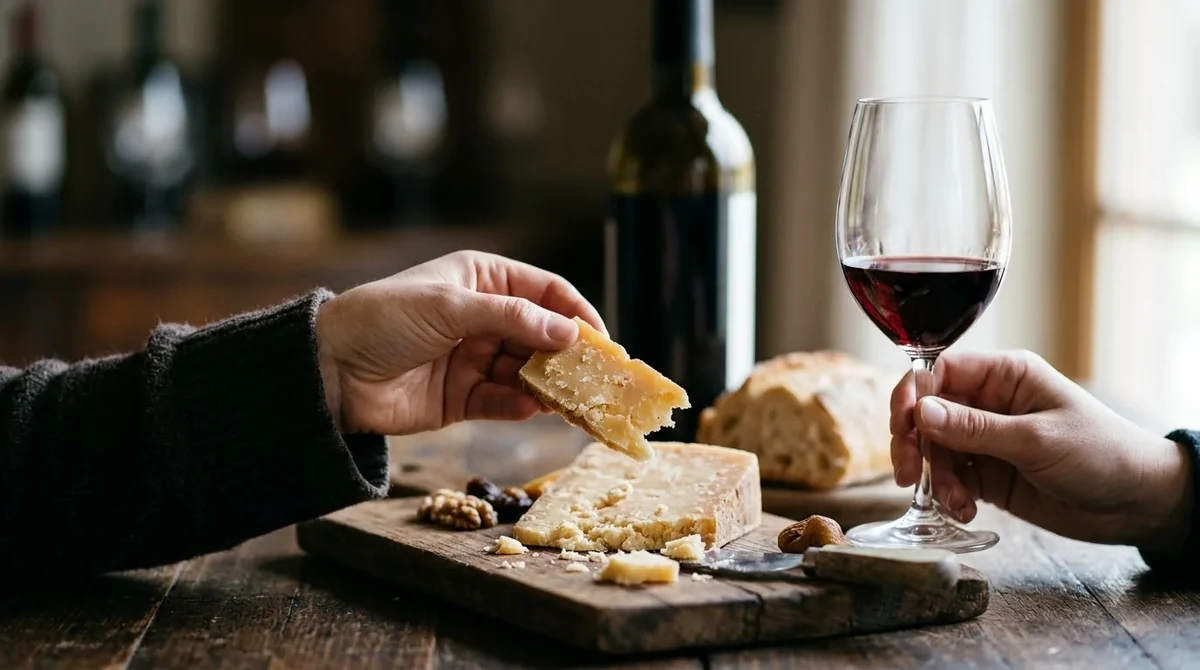
Dandelion wine’s light body, floral perfume, and citrus-driven acidity make it an adaptable partner for brunch fare, soft cheeses, and fruit-forward desserts. The golden rule when pairing is to avoid heavy red meats, smoky barbecue, or intensely spicy sauces, all of which easily overpower the wine’s subtle botanical character.
For savory courses, pair off-dry styles with creamy, mild cheeses such as fresh chèvre, triple-cream Brie, or young Havarti, where the wine’s lemony brightness cuts cleanly through the butterfat. Herb-roasted chicken, pan-seared trout with lemon butter, spring asparagus quiche, and bitter greens salads tossed with citrus vinaigrette also echo the wine’s natural garden-fresh profile.
Sweeter styles shine alongside lightly sweetened pastries rather than rich dark chocolate. Almond biscotti, lemon bars, shortbread cookies, vanilla panna cotta, and fresh berries with whipped cream complement the honeyed notes without creating cloying sugar fatigue on the palate.
Frequently Asked Questions
Does dandelion wine actually taste like weeds or grass?
No, properly made dandelion wine tastes like mild wildflower honey, sweet citrus, and delicate chamomile tea rather than lawn clippings. Bitter, grassy flavors only appear if the green stems and calyxes are left attached to the yellow petals during steeping, or if the wine is drunk too young before aging.
Is dandelion wine sweet or dry?
Most dandelion wines lean off-dry to sweet, as winemakers add sugar or honey to balance the tart lemon and orange juice used in the base tea. However, dry versions do exist when brewers use high-tolerance Champagne yeast to ferment all the added sugars completely.
What is the alcohol content of dandelion wine?
Dandelion wine typically ranges from 10% to 12% ABV, putting it right in line with standard light-bodied white wines like Pinot Grigio or Riesling. The exact alcohol level depends on how much sugar the winemaker dissolves into the flower infusion and which yeast strain conducts the fermentation.
Can dandelion wine age like grape wine?
Yes, dandelion wine ages remarkably well and actually requires at least two to six months of bottle rest just to smooth out its youthful sharpness. Over three to ten years in a cool cellar, the color deepens from pale gold to rich amber while the flavors evolve into complex notes of caramelized honey, dried apricot, and black tea.
Whether poured from a small-batch regional winery bottle or shared from a neighbor’s spring harvest, dandelion wine rewards curious drinkers with a bright, honey-kissed snapshot of early summer. Chilled properly and paired with fresh cheeses or light pastries, it proves that one of the world’s most familiar wildflowers belongs in a wine glass.
More in Wine Types & Grapes
 Zinfandel Sugar Content: Dry Red vs. White Zinfandel GramsUpdated Nov 21, 2026
 Best Zinfandel Substitute Options for Sipping and CookingUpdated Nov 21, 2026
 Zweigelt Food Pairing: Best Dishes, Cheeses, and Serving TipsUpdated Nov 21, 2026
 Zinfandel Tannins Explained: How Structure Shapes Every BottleUpdated Nov 21, 2026
 Zinfandel Sweetness Level: Dry Red vs. Sweet White Zin ExplainedUpdated Nov 21, 2026
 Xinomavro Food Pairing: Best Dishes, Styles, and Serving TipsUpdated Nov 21, 2026