

We may earn a commission when you buy through links on this page, at no extra cost to you. Learn more.
If you are wondering what does lillet taste like, the classic Lillet Blanc tastes like a lightly sweet, floral white wine layered with candied orange peel, honey, and a crisp, gently bitter citrus finish. Made in Bordeaux, France, from a blend of regional wines and macerated citrus liqueurs, it sits at around 17 percent ABV—stronger than table wine, yet far softer and less intensely herbal than traditional vermouth. The lineup also includes Lillet Rosé, which leans into fresh berries, peach, and grapefruit zest, and Lillet Rouge, which offers ripe red fruit, warming spice, and dried herbs.
Pronounced “lee-LAY,” this French aromatized wine has become a staple on both restaurant cocktail menus and home bar carts because it bridges the gap between an easy-drinking glass of wine and a complex cocktail modifier. Understanding how each expression behaves in the glass makes it much easier to pour, mix, and pair with food.
What Lillet Actually Is
Lillet is a French aromatized and fortified wine produced in Podensac, a small village south of Bordeaux, by blending roughly 85 percent Bordeaux wines with 15 percent macerated fruit liqueurs. Rather than relying on heavy botanicals like wormwood, Lillet gets its signature character from sweet and bitter orange peel infusions alongside a subtle touch of quinine derived from Peruvian cinchona bark.
Because it starts with real Bordeaux wine grapes rather than a neutral grain spirit, Lillet retains a genuine vinous backbone—soft acidity, gentle fruit texture, and a rounded mouthfeel. As Wine Enthusiast notes in its guide to Lillet, bartenders value the bottle precisely because it adds body and natural honeyed sweetness to drinks without overpowering delicate spirits. While it belongs to the broader family of fortified and aromatized wine styles, its citrus-driven formula sets it apart from more aggressively bitter aperitifs.
Historically, the original formula was bottled as Kina Lillet and carried a noticeably sharper, quinine-heavy bite—the very bottle Ian Fleming wrote into James Bond’s Vesper martini. In the 1980s, the house adjusted the recipe to dial back the bitterness and highlight fresh fruit and floral aromatics, creating the smoother, more approachable Lillet Blanc sold today.
Flavor Profile Across the Three Styles
Every bottle in the Lillet range shares a bright citrus core and a clean, refreshing finish, yet the three expressions taste noticeably different depending on their base grapes and macerated liqueurs. Choosing the right bottle comes down to whether you want honeyed white-wine elegance, crisp summer berry fruit, or deeper red-wine spice.
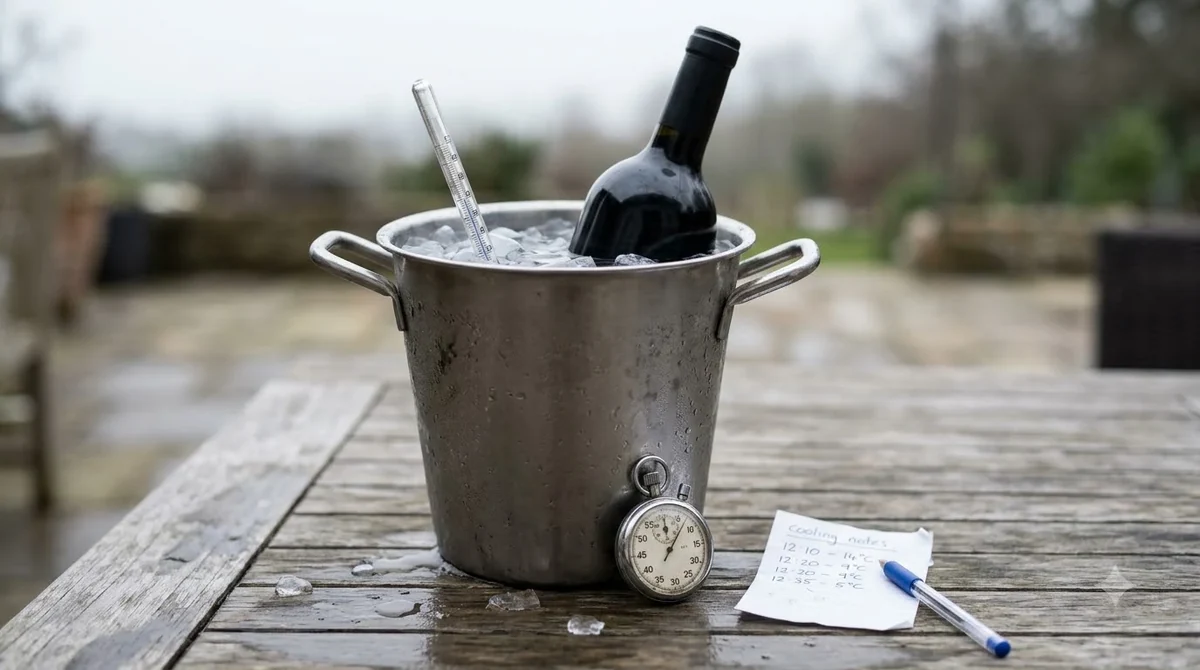
Lillet Blanc is the original golden expression, built on Sémillon and Sauvignon Blanc grapes from Bordeaux. On the nose and palate, it opens with orange blossom, candied orange peel, and wildflower honey, supported by the natural stone-fruit and beeswax texture of Sémillon. Beneath that initial sweetness sits a subtle pithy bitterness and lively acidity that keeps the finish crisp rather than syrupy.
Lillet Rosé blends white and red Bordeaux grapes—including Sémillon, Sauvignon Blanc, and Muscatel—with macerated red-berry and citrus liqueurs. Reviewers and bartenders frequently describe notes of wild strawberry, white peach, pink grapefruit zest, and orange flower water, finished with a faint whisper of fresh sage. It drinks lighter and slightly more tart than the Blanc, making it an easy crowd-pleaser in warm weather.
Lillet Rouge is crafted from Merlot and Cabernet Sauvignon blended with red-fruit and sweet-orange liqueurs, then aged in French oak barrels. That barrel rest softens the tannins and brings forward flavors of ripe raspberry, dark cherry, sweet orange peel, vanilla, and warming baking spices like cardamom and black pepper. It carries a fuller, fleshier weight on the palate than its lighter siblings, behaving almost like a spiced, fruit-forward red wine.
| Expression | Base Grapes | Primary Tasting Notes | Sweetness & Body | Best Way to Enjoy |
|---|---|---|---|---|
| Lillet Blanc | Sémillon, Sauvignon Blanc | Candied orange, honey, white flowers, subtle quinine zest | Off-dry, medium-light, silky | Over ice with an orange slice, Vesper martini, or spritz |
| Lillet Rosé | Sémillon, Sauvignon Blanc, Muscatel | Strawberry, white peach, pink grapefruit, orange blossom | Lightly sweet, crisp, bright | Chilled with tonic water, sparkling wine, or a Paloma riff |
| Lillet Rouge | Merlot, Cabernet Sauvignon | Ripe raspberry, cherry, bitter orange, vanilla, warm spice | Medium-sweet, fuller-bodied | Over ice with orange peel or in spirit-forward stirred cocktails |
How Lillet Compares to Vermouth and Other Aperitifs
People encountering Lillet for the first time often assume it tastes identical to dry or sweet vermouth, since both are aromatized wines stored in the refrigerator. In reality, Lillet is noticeably brighter, fruitier, and far less herbaceous than classic Italian or French vermouths.
Dry white vermouth leans heavily on savory alpine herbs, dried chamomile, and bitter roots, finishing bone-dry with an earthy, medicinal edge. Lillet Blanc, by contrast, trades those savory botanicals for sweet and bitter citrus peels and honeyed white wine fruit, making it far easier to sip solo on the rocks. Similarly, while Lillet Rouge can stand in for sweet red vermouth in a pinch, it tastes much cleaner and more orange-forward, lacking the dark caramel, clove, and wormwood intensity of traditional Italian rosso vermouths.
Compared with bitter Italian aperitifs like Aperol or Campari, Lillet is much gentler and more wine-like. Where Campari hits the palate with intense gentian bitterness and Aperol leans into bold rhubarb and bright orange soda sweetness, Lillet stays grounded in grape acidity and subtle oak aging. As VinePair’s overview of Lillet points out, the house ages its blends in French oak barrels from the Tronçais Forest, which imparts a delicate vanilla smoothness without heavy wood tannins.
How to Serve and Mix Lillet
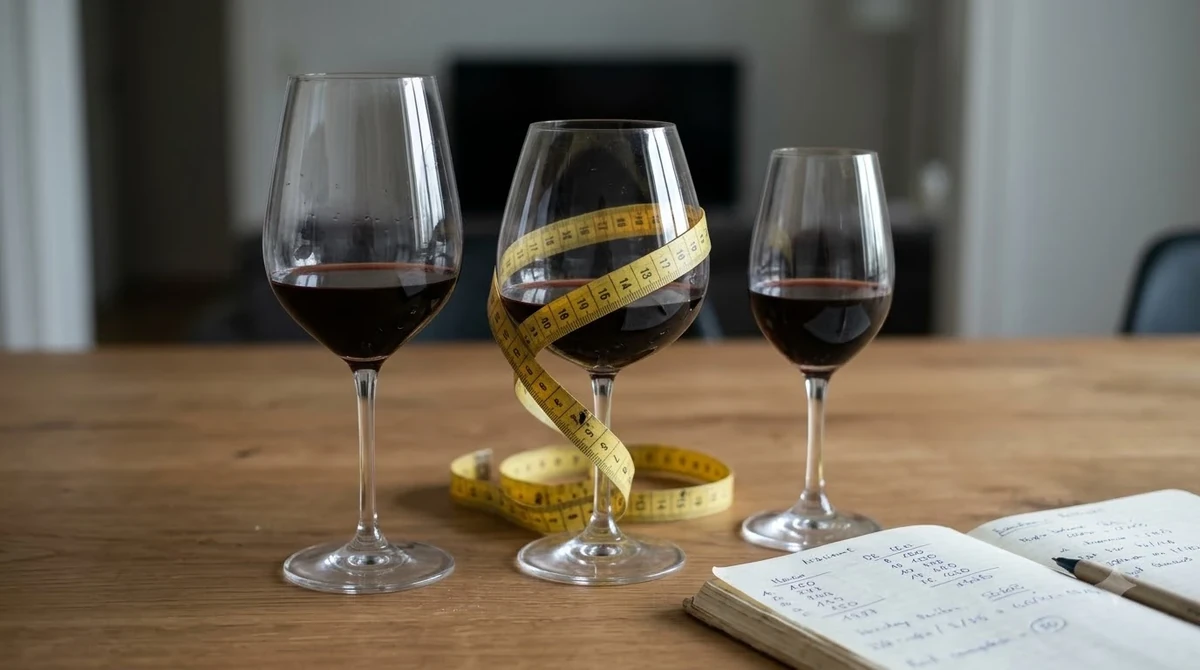
Lillet is designed to be served cold, ideally chilled to between 43 and 46 degrees Fahrenheit before pouring. At room temperature, its natural fruit sugars can feel slightly heavy and flat, whereas proper chilling sharpens the citrus acidity and brings out its floral aromatics.
In France, the classic pour requires zero cocktail equipment: fill a wine glass or short tumbler with fresh ice, pour in two to three ounces of chilled Lillet Blanc, and garnish with a wide slice of fresh orange. As the ice melts slightly over a few minutes, it opens up the orange-blossom aromatics and balances the honeyed richness. For an effortless low-ABV long drink, top that same glass with tonic water or club soda—the quinine in tonic echoes the subtle cinchona bark already inside the bottle.
Behind the bar, Lillet shines as a softening modifier in classic spirit-forward cocktails. Swapping dry vermouth for Lillet Blanc in a gin martini yields a rounder, more aromatic drink that pulls out floral botanicals in the gin. It is also an essential component of the Corpse Reviver No. 2, where its honeyed citrus bridges gin, orange liqueur, and fresh lemon juice without letting the drink turn overly tart.
Tip: Because Lillet is built on a wine base, oxidation begins as soon as you pull the cork—always store an opened bottle upright in the refrigerator and finish it within three to four weeks for the brightest citrus flavor.
Food Pairings That Match Its Citrus-Floral Profile
As a classic pre-dinner aperitif, Lillet is formulated to wake up the palate without overwhelming the taste buds before a meal. Its combination of gentle sweetness, bright orange acidity, and subtle bitterness pairs effortlessly with salty, creamy, and lightly brined snacks.
For Lillet Blanc and Lillet Rosé, soft and tangy cheeses are natural partners. Fresh goat cheese, triple-cream Brie, and mild sheep’s-milk cheeses mirror the wine’s rounded texture while letting the citrus notes cut through the richness. Salted Marcona almonds, green Castelvetrano olives, prosciutto-wrapped melon, and light seafood bites like smoked salmon canapés or shrimp cocktail also play well off the crisp finish.
Lillet Rouge brings enough red-berry depth and baking spice to handle heartier hors d’oeuvres. Serve it chilled alongside aged Gouda, manchego, cured dry salami, or dark chocolate bark studded with candied orange peel and sea salt. If you enjoy exploring distinct regional and botanical wine profiles, comparing Lillet’s citrus-infused style with floral dandelion wine or sweet Southern muscadine wine highlights just how dramatically base fruit and infusions shape what ends up in your glass.
Frequently Asked Questions
Is Lillet sweet or dry?
Lillet sits comfortably in the off-dry to lightly sweet range—sweeter than a crisp Sauvignon Blanc or dry vermouth, yet far less sugary than a dessert wine or fruit liqueur. Its initial honeyed citrus and ripe fruit notes are balanced by bright Bordeaux wine acidity and a faintly bitter orange-pith finish, especially when served cold over ice.
Can you drink Lillet straight without mixing it?
Yes, drinking Lillet on its own is the most traditional way to enjoy it in France. Simply chill the bottle thoroughly, pour it over fresh ice in a wine glass or rocks glass, and add a slice of fresh orange or a twist of lemon peel to brighten the aromatics.
Does Lillet taste like sweet or dry vermouth?
While both are aromatized fortified wines, Lillet tastes much fresher, more citrus-driven, and far less herbal than traditional vermouth. Dry vermouth emphasizes savory herbs and bitter roots, whereas Lillet Blanc focuses on candied orange, honey, and white wine fruit, making it smoother and easier to sip on its own.
How long does a bottle of Lillet stay fresh after opening?
Once opened, a bottle of Lillet stays at peak freshness for about three to four weeks when resealed tightly and kept in the refrigerator. Because it is made primarily from wine, leaving it at room temperature causes the delicate citrus and floral notes to oxidize and taste flat within days.
Whether you reach for the honeyed citrus of Lillet Blanc, the berry-bright snap of Lillet Rosé, or the spiced red fruit of Lillet Rouge, every bottle delivers an approachable balance of Bordeaux wine structure and fresh orange aromatics. Keep a chilled bottle in the fridge alongside a fresh orange, and you have an effortless aperitif ready whenever company drops by.
More in Wine Types & Grapes
 Zinfandel Sugar Content: Dry Red vs. White Zinfandel GramsUpdated Nov 21, 2026
 Best Zinfandel Substitute Options for Sipping and CookingUpdated Nov 21, 2026
 Zweigelt Food Pairing: Best Dishes, Cheeses, and Serving TipsUpdated Nov 21, 2026
 Zinfandel Tannins Explained: How Structure Shapes Every BottleUpdated Nov 21, 2026
 Zinfandel Sweetness Level: Dry Red vs. Sweet White Zin ExplainedUpdated Nov 21, 2026
 Xinomavro Food Pairing: Best Dishes, Styles, and Serving TipsUpdated Nov 21, 2026