

We may earn a commission when you buy through links on this page, at no extra cost to you. Learn more.
A muscadine cocktail is a mixed drink built around muscadine wine, fresh muscadine juice, or muddled muscadine grapes—native to the southeastern United States and prized for bold, aromatic berry and tropical fruit notes. Because traditional muscadine wines typically sit around 10 percent ABV and range from bone-dry to lushly sweet, bartenders balance their candied grape character with bright citrus, bitter aperitifs, or aged spirits like bourbon and brandy. Whether served as a crisp highball spritz or a stirred whiskey punch, this Southern specialty brings unmistakable orchard fragrance to the glass.
Long treated as a porch-sipping staple across the American South, the thick-skinned Vitis rotundifolia grape is finding fresh life behind modern cocktail bars. Instead of masking its unapologetically fruity perfume, smart mixology channels that natural intensity into structured, refreshing drinks that feel right at home in warm weather or at holiday gatherings.
What Makes Muscadine Work in Cocktails
Muscadine grapes bring a distinctly aromatic, candied fruit profile and lower alcohol baseline that set them apart from European wine grapes in mixed drinks. Understanding how the grape behaves in both wine and fresh fruit form makes it easy to pair with spirits, acids, and modifiers.
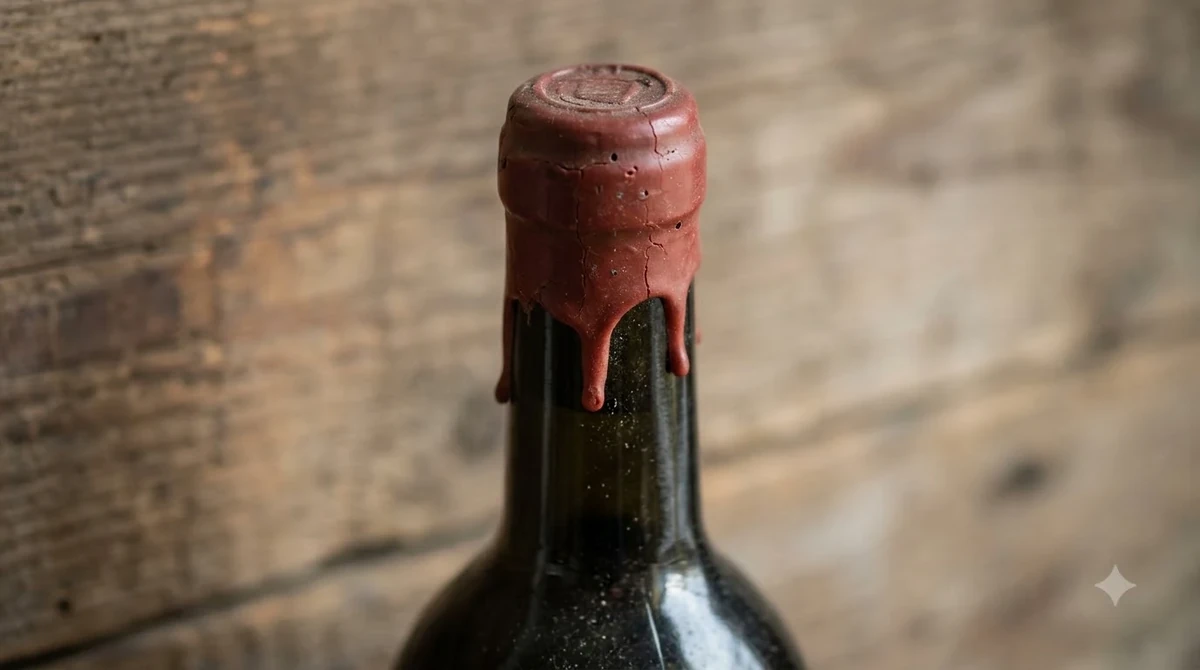
Unlike European Vitis vinifera varieties, muscadine is indigenous to the southeastern United States, thriving in warm, humid climates from North Carolina down to Florida and across the Gulf Coast. According to Wine Enthusiast, more than 100 cultivars of muscadine grow across the country, spanning green, bronze, pink, and deep purple-black skins. Commercial wineries rely on a select group of cultivars—including bronze-skinned Scuppernong and Carlos alongside dark-skinned Noble and Ison—to produce red, white, and rosé wines in still or sparkling formats.
In the glass, muscadine wine offers a recognizable sensory signature that immediately anchors a cocktail. Wine writers note intense aromas of candied grape, bruised apple, banana, and cranberry, backed by subtle hints of pine resin, lime, and coastal salinity. Because ripe muscadine grapes naturally hold lower sugar levels than European wine grapes—typically 10 to 15 Brix compared to 20 or higher—winemakers frequently add sugar during fermentation, resulting in finished wines that average around 10 percent ABV and lean noticeably sweet unless vinified in a dry style.
That combination of modest alcohol, pronounced aromatics, and natural astringency in the grape’s thick skin acts much like a flavored vermouth or fruit liqueur in cocktail construction. Rather than disappearing behind a base spirit, a two-ounce pour of muscadine wine carries clear fruit identity through ice, citrus, and carbonation, much like a riesling cocktail uses aromatic white wine to lift a highball.
Core Muscadine Cocktail Styles and Ratios
You can build a muscadine cocktail in four distinct formats depending on whether you are using sweet red muscadine, crisp white Scuppernong, or fresh seasonal fruit. Matching the wine’s sweetness level to the right spirit and acid ratio prevents the drink from turning syrupy.
| Cocktail Style | Muscadine Base | Base Spirit & Modifiers | Standard Ratio | Flavor Profile |
|---|---|---|---|---|
| Southern Porch Spritz | Chilled white or rosé muscadine wine | Dry sparkling water or lemon-lime soda, fresh lime wedge | 3 oz wine : 3 oz mixer | Crisp, bubbly, lightly sweet, citrus-lifted |
| Mississippi Bourbon Punch | Sweet red muscadine wine | Bourbon, orange juice, cranberry juice, lime juice, club soda | 2 oz wine : 1.5 oz bourbon : 1.5 oz citrus/juice | Rich, spiced, tart-sweet, effervescent |
| Harvest Brandy Smash | Fresh muddled muscadine grapes | Apple brandy, dry white vermouth, lemon juice, Peychaud’s bitters, thyme | 4 grapes : 1.5 oz brandy : 0.5 oz vermouth : 0.5 oz citrus | Herbal, orchard-fruity, structured, aromatic |
| Muscadine Garden Sour | Concentrated muscadine juice or syrup | Vodka or gin, fresh lemon juice, light simple syrup | 1.5 oz juice : 1.5 oz spirit : 0.25 oz lemon | Bright, fragrant, silky, fruit-forward |
The simplest regional classic is the porch cooler or spritz, which pairs equal parts chilled muscadine wine and crisp lemon-lime soda or club soda over ice. Using a dry or off-dry white muscadine made from Carlos or Magnolia grapes keeps the drink snappy and refreshing, whereas a sweet red Noble wine turns the same build into a deeper, berry-driven refresher.
For something with more backbone, VinePair highlights the Mississippi Bourbon Punch, a Southern staple that marries muscadine wine with bourbon, orange, cranberry, and lime juices, finished with a splash of soda. The oak vanillin and baking spice in bourbon absorb the wine’s candied grape character, while fresh lime and cranberry cut through residual sugar so the finish stays lively.
When fresh muscadines come into season between August and October, bartenders also muddle whole grapes directly in the shaker or simmer them down into a concentrated syrup. Crushing four or five ripe grapes with fresh thyme, apple brandy, white vermouth, lemon juice, and a dash of bitters yields an autumnal sour that highlights the fruit’s wild, musky perfume without relying on bottled wine.
Step-by-Step: How to Make a Classic Muscadine Bourbon Sour
A shaken bourbon sour built with red muscadine wine showcases the grape’s rich berry aromatics while keeping sweetness tightly in check. Follow this straightforward method for a balanced single serving.
- Chill your glassware: Place a double rocks glass in the freezer for ten minutes, or fill it with ice water while you assemble the ingredients so the finished drink stays cold without rapid dilution.
- Combine the liquid ingredients: Add 2 ounces of sweet or semi-sweet red muscadine wine, 1.5 ounces of straight bourbon whiskey, 0.75 ounce of freshly squeezed lemon juice, and 0.25 ounce of rich simple syrup (or honey syrup) to a cocktail shaker. If you are using a heavily sweetened commercial muscadine, omit the syrup entirely.
- Shake hard with ice: Fill the shaker two-thirds full with solid, cold ice cubes and shake vigorously for 12 to 15 seconds until the outside of the tin feels frosty and the wine, whiskey, and citrus emulsify.
- Strain over fresh ice: Dump the ice water from your rocks glass, fill it with large fresh ice cubes, and fine-strain the cocktail into the glass to catch any citrus pulp.
- Garnish and serve immediately: Express a wide strip of fresh lemon peel over the surface to release its oils, tuck the twist beside a halved fresh muscadine grape on a cocktail pick, and serve right away.
Tip: Taste your muscadine wine before adding any simple syrup—many Southern bottlings already carry generous residual sugar, so fresh lemon or lime juice alone often provides all the balance you need.
Choosing the Right Muscadine Base for Your Drink
Selecting between dry white, sweet red, and fortified dessert styles determines how much sugar and acid your cocktail requires. Treating muscadine styles as distinct building blocks lets you swap them confidently across classic templates.
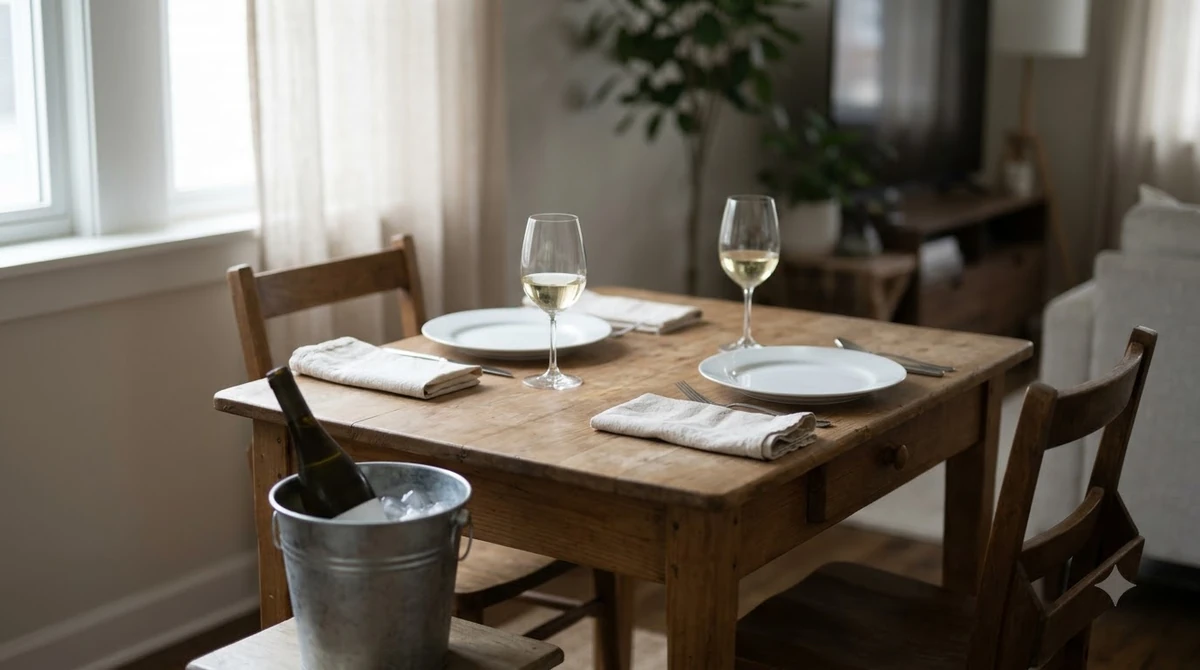
Dry and off-dry white muscadines—often labeled under Scuppernong, Carlos, or Magnolia—work best in bright, high-acid cocktails. Because these bottlings dial back added sugar, they highlight crisp green apple, lime, and floral notes that pair cleanly with gin, vodka, blanco tequila, and dry vermouth. If you enjoy exploring different Wine by Type, think of dry white muscadine as a domestic, slightly more aromatic stand-in for Pinot Grigio or off-dry Chenin Blanc in a spritz.
Sweet red muscadines made from Noble grapes bring jammy dark fruit, mild skin tannin, and lush sweetness that stand up to brown spirits. Bourbon, rye whiskey, aged rum, and brandy all have enough oak and warmth to frame a sweet red muscadine without letting it taste like grape soda. For after-dinner drinks or winter punches, fortified dessert-style muscadines behave much like a tawny port cocktail ingredient, adding dried fruit depth alongside bitters and dark spirits.
Keep freshness in mind when shopping for a bottle to mix with. Reviewers at Wine Folly note that muscadine wines oxidize relatively quickly compared to traditional European reds and whites, meaning they taste brightest when purchased young and stored chilled even before opening.
Preparation, Storage, and Garnish Tips
Proper chilling, careful juicing, and thoughtful garnishes preserve muscadine’s delicate floral aromatics from the first pour to the last sip. A few small adjustments behind the bar keep the grape’s thicker skin and seeds from introducing unwanted bitterness.
Always chill your bottle of muscadine wine thoroughly before mixing, ideally to refrigerator temperature around 40 to 45 degrees Fahrenheit. Cold wine minimizes ice melt when you build spritzes directly in the glass and keeps the volatile berry and citrus esters crisp rather than cloying. Once opened, recork the bottle tightly, keep it in the refrigerator, and aim to finish it within three to five days so oxidation does not flatten the fruit.
If you are working with fresh whole muscadines, remember that the skins are noticeably tougher than table grapes and enclose large seeds surrounded by a tart, pulpy sac. When muddling fresh fruit in a shaker, press gently to rupture the pulp and release juice without pulverizing the bitter seeds, and always double-strain through a fine-mesh sieve. For larger batches, simmering one pound of fresh grapes in just enough water to cover them halfway for 30 to 45 minutes yields a vibrant, seed-free juice that mixes smoothly and keeps refrigerated for up to a week.
Garnishes should echo the herbal and citrus accents that keep muscadine lively. Fresh thyme sprigs, bruised mint leaves, expressed lemon or orange twists, and halved seedless muscadines threaded onto a pick reinforce the drink’s aroma right at the rim. Before serving guests who are new to the grape, you can even share a quick tip on how to pronounce muscadine—rhyming with “wine” rather than “dine” in some Southern regions, though “MUS-kuh-dyne” is standard—to spark conversation around the glass.
Frequently Asked Questions
Can I use Scuppernong wine in a muscadine cocktail?
Yes, Scuppernong is a famous bronze-skinned cultivar of the muscadine grape native to North Carolina, so any Scuppernong wine is a muscadine wine. Its bright, fruity, and slightly floral profile works especially well in chilled spritzes, white sangrias, and gin or vodka sours.
How do I keep a muscadine cocktail from tasting too sweet?
Balance sweet muscadine wine by pairing it with fresh-squeezed lemon or lime juice, dry sparkling water instead of sweet soda, and high-proof base spirits like bourbon or rye. Always taste the wine first and skip simple syrup unless you are mixing with a bone-dry muscadine bottling.
What spirits pair best with muscadine wine?
Aged brown spirits such as bourbon, rye whiskey, apple brandy, and dark rum pair naturally with sweet red muscadine because their oak and spice notes frame the wine’s rich berry fruit. Crisp clear spirits like vodka and botanical gin complement dry or off-dry white muscadine wines in lighter citrus cocktails.
Should I chill muscadine wine before mixing cocktails?
Yes, both red and white muscadine wines should be stored and served chilled. Starting with cold wine prevents excessive ice dilution in the shaker or glass and preserves the grape’s fresh, aromatic fruit character.
Whether you reach for a crisp bottle of dry Scuppernong or a lush sweet red Noble, a well-balanced muscadine cocktail turns America’s oldest native wine grape into an effortless crowd-pleaser. Pair its signature orchard aromatics with fresh citrus, a touch of bitterness, and your favorite spirit to create a drink that feels distinctly Southern yet endlessly adaptable.
More in Wine Types & Grapes
 What Does Ruby Port Taste Like? Flavor Notes, Styles, and Serving TipsUpdated Nov 21, 2026
 What Does Ribolla Gialla Taste Like? Crisp White and Amber Styles ExplainedUpdated Nov 21, 2026
 What Does Semillon Taste Like? Flavor Profile, Styles & PairingsUpdated Nov 21, 2026
 What Does Scuppernong Taste Like? Flavor, Styles, and Pairing GuideUpdated Nov 21, 2026
 What Does Saperavi Taste Like? Flavors, Styles, and Pairing GuideUpdated Nov 21, 2026
 What Does Natural Wine Taste Like? Flavors, Styles, and Serving TipsUpdated Nov 21, 2026