

We may earn a commission when you buy through links on this page, at no extra cost to you. Learn more.
The ideal moscato d asti serving temperature is 43°F to 46°F (6°C to 8°C), chilled well enough to keep its sweetness crisp without muting its delicate floral perfume. Because this lightly sparkling Italian wine carries low alcohol (typically 4.5% to 6.5% ABV) and gentle carbonation, serving it too warm makes the residual sugar taste heavy and syrupy. Serving it ice-cold straight from the back of a standard kitchen refrigerator, however, traps the aromatic compounds that give the wine its signature character.
Getting the chill right is the single fastest way to upgrade a bottle of Piedmont’s favorite sweet frizzante wine. While standard sparkling wines like Champagne or Prosecco often shine at colder temperatures, Moscato d’Asti relies on volatile fruit and blossom aromatics that need a narrow temperature window to open up in the glass.
The Ideal Moscato d’Asti Serving Temperature Range
According to Wine Folly’s Asti wine guide, the benchmark serving range for Moscato d’Asti DOCG sits squarely between 43°F and 46°F (6°C to 8°C). This puts it right in the middle of the classic “ice cold to fridge cold” sparkling and aromatic white wine zone, slightly warmer than non-vintage Champagne and noticeably cooler than fuller-bodied whites like oaked Chardonnay.
In practical terms, that 3-degree Fahrenheit window balances two competing forces inside the bottle: residual sugar and aromatic terpenes. Moscato d’Asti is intentionally fermented only partway before winemakers chill and filter the must to stop yeast activity, leaving behind natural grape sweetness alongside an alcohol level of just 4.5% to 6.5% ABV. At 43°F to 46°F, the wine’s natural acidity feels brisk and lively on the palate, keeping the sweetness refreshing rather than cloying.
If a bottle drifts above 50°F (10°C), that balance shifts quickly. Warmth amplifies the perception of sugar and flattens the wine’s gentle frizzante spritz, making the finish feel thick. On the flip side, dropping below 38°F (3°C) numbs the taste buds and prevents aromatic compounds—specifically linalool and geraniol—from lifting out of the glass.
| Temperature Window | Fahrenheit / Celsius | How the Wine Tastes | Verdict |
|---|---|---|---|
| Too Cold | Below 38°F (3°C) | Muted florals, subdued peach and apricot notes, sharp chill | Let warm in glass for 5–10 minutes |
| Ideal Sweet Spot | 43°F – 46°F (6°C – 8°C) | Bright acidity, expressive orange blossom, balanced sweetness | Optimal for pouring and sipping |
| Acceptable Range | 38°F – 50°F (3°C – 10°C) | Crisp at the low end; softer and slightly sweeter at the high end | Works well across a casual meal |
| Too Warm | Above 50°F (10°C) | Syrupy sweetness, flat spritz, heavy finish | Chill in an ice bucket for 15 minutes |
Why Temperature Matters More for Moscato d’Asti Than Other Sparkling Wines
Moscato d’Asti is bottled at roughly 1.7 to 2.5 bars of pressure—about half the carbonation of Prosecco and a quarter that of Champagne—which makes temperature control critical for preserving its gentle fizz. Cold liquid holds dissolved carbon dioxide far better than warm liquid, so a proper chill keeps the soft, creamy mousse intact from the first pour to the last sip.
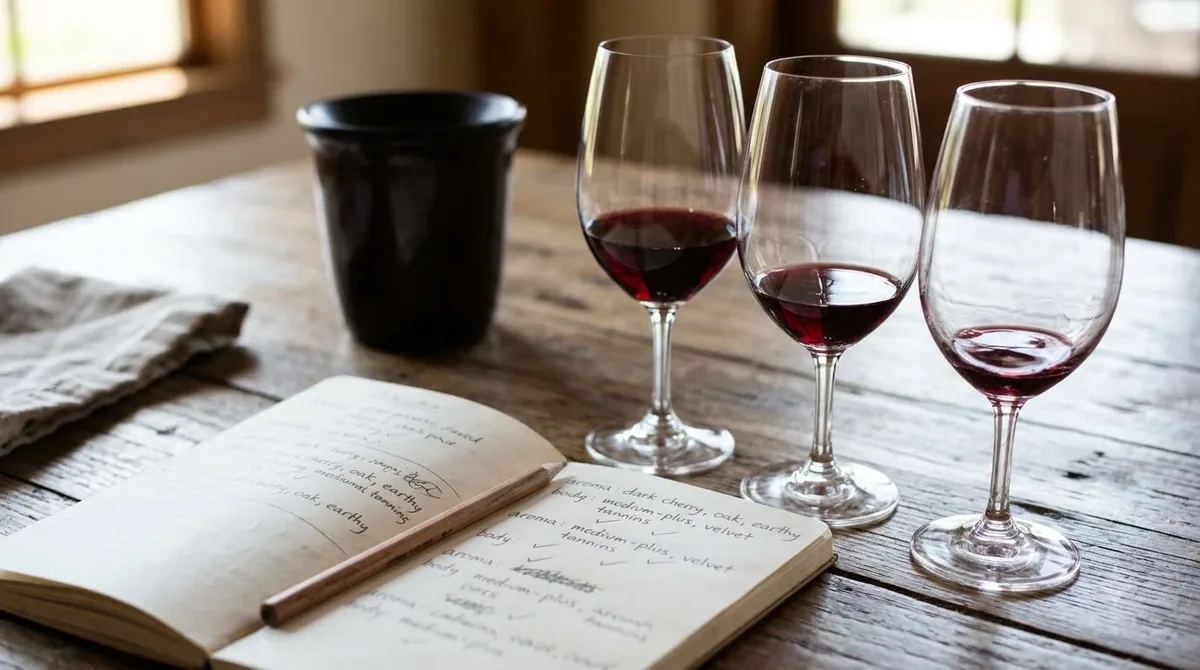
Unlike traditional-method sparkling wines that gain toasty, brioche flavors from extended lees aging, Moscato d’Asti is bottled within weeks of harvest to capture fresh grape perfume. Producers like Cascina Fontanette note an ideal serving temperature of 6°C (43°F) specifically to highlight that delicate, freshly bottled bouquet. When you explore what does moscato d asti taste like, you will notice that hallmark notes of ripe apricot, white peach, sage, and honeysuckle depend entirely on those volatile aromatics releasing steadily as the wine warms slightly in your glass.
Temperature also interacts directly with alcohol and sugar perception. Because Moscato d’Asti lacks the high alcohol of dry table wines (which average around 12% ABV or higher), it does not produce a hot, alcoholic burn on the nose when slightly warm. Instead, warmth exaggerates its residual sugar, which averages around 13.5 grams per 5-ounce serving according to Wine Folly’s nutrition breakdown. Keeping the bottle firmly below 46°F ensures the wine’s minimum tartaric acidity cuts cleanly through that sweetness.
How to Chill Moscato d’Asti Step by Step
Standard household refrigerators typically run between 37°F and 40°F (3°C to 4°C), which is slightly colder than the ideal serving temperature for Moscato d’Asti. Knowing how long to chill a bottle—and when to pull it out before pouring—prevents both over-chilling and lukewarm pours.
If you are planning ahead, place the bottle in your main refrigerator compartment for at least 3 to 4 hours. Because a standard fridge sits right around 38°F, pulling the bottle out 10 to 15 minutes before you plan to open it allows the wine to rise naturally into the 43°F to 46°F sweet spot. Avoid storing the bottle in the refrigerator door if you are keeping it chilled for several days, as repeated opening exposes the wine to temperature fluctuations and ambient light.
When you need to chill a room-temperature bottle quickly, an ice-water bath is dramatically faster and more even than a freezer. Submerge the bottle up to its neck in a bucket filled with equal parts ice and cold water, then add a small handful of table salt to lower the freezing point of the water. Within 15 to 20 minutes, the wine will drop from room temperature down to roughly 43°F. If you do use a freezer in a pinch, set a strict 25-minute timer so you never risk freezing the cork or cracking the glass.
Tip: Never chill Moscato d’Asti with regular ice cubes inside the glass, as melting ice dilutes both the delicate apricot aromatics and the soft frizzante carbonation.
Glassware, Pour Size, and Keeping the Bottle Cold at the Table
Choosing the right glass is just as important as hitting the right thermometer reading, because glass shape governs how fast the wine warms up and how effectively it funnels aromas toward your nose. Rather than reaching for a narrow Champagne flute, sommeliers and Wine by Type guides recommend serving Moscato d’Asti in an all-purpose white wine glass or a wider tulip sparkling glass.
A narrow flute restricts the surface area of the wine, trapping the signature orange-blossom and peach aromatics inside the glass so you mostly smell carbonation. A tulip glass or standard white wine bowl gives those floral terpenes room to bloom while still preserving the gentle prickle of bubbles. Pour modest servings of 4 to 5 ounces at a time—roughly half a glass—so you finish each pour before ambient room air pushes the wine above 50°F.
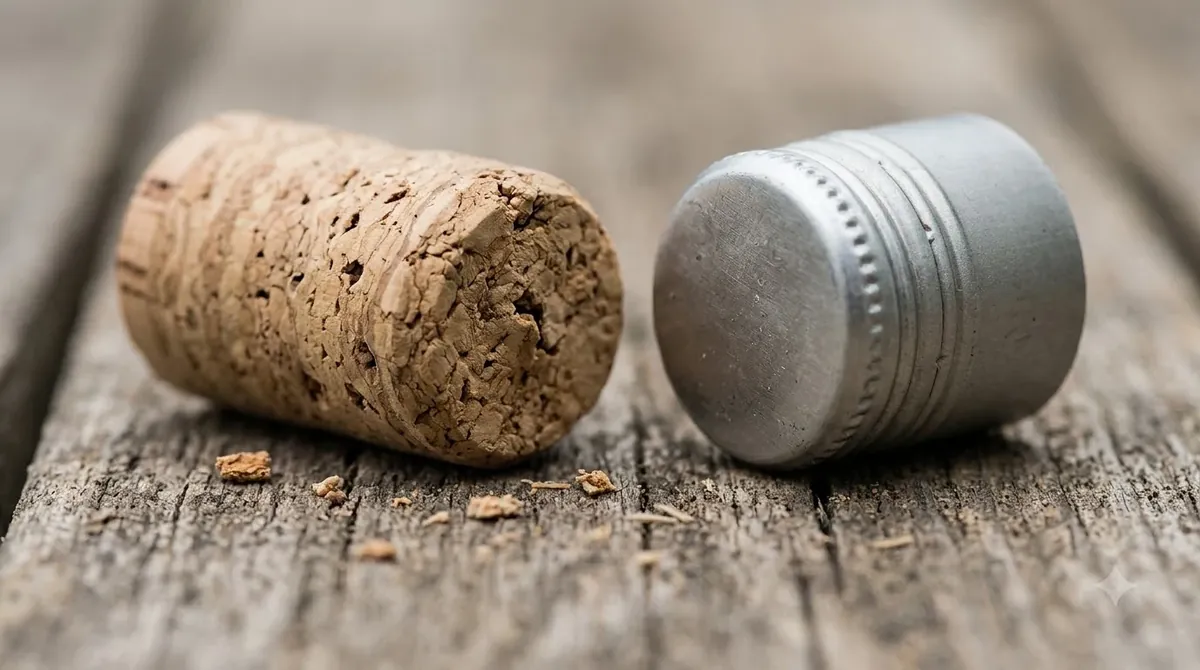
Once the bottle is open, return it to the refrigerator or rest it in a chilled wine sleeve or ice bucket between pours. Because Moscato d’Asti is sealed with a standard straight cork rather than a wired mushroom cork, you can easily re-insert the cork or use an airtight sparkling wine stopper to hold the remaining spritz for 1 to 2 days in the fridge. If you have leftover wine that has lost a bit of its fizz on day two, it also works brilliantly as a base for a refreshing moscato d asti cocktail.
Serving Temperature for Food Pairings and Occasions
Slightly adjusting the serving temperature within the 38°F to 50°F window lets you tailor Moscato d’Asti to different dishes on the table. Treating the lower end of the range as an aperitif setting and the upper end as a dessert or cheese setting helps the wine adapt to contrasting flavors and textures.
When serving Moscato d’Asti as a brunch pour, afternoon aperitif, or alongside spicy Thai and Sichuan dishes, aim for the cooler end of the spectrum at 42°F to 44°F (5.5°C to 6.5°C). At this brisk temperature, the wine’s crisp acidity and chilled sweetness soothe chili heat and cleanse the palate between bites of salty cured meats or fried appetizers. Because a 5-ounce glass contains roughly 102 calories—far lower than many cocktails or heavy dessert wines—keeping a well-chilled bottle on hand makes for an easygoing daytime pour; you can review the full breakdown of calories in moscato d asti when planning brunch menus.
When pairing the wine with fruit tarts, hazelnut pastries, panettone, or aged salty cheeses like Parmigiano-Reggiano and Gorgonzola, let the bottle sit closer to 45°F to 48°F (7°C to 9°C). That subtle bump in warmth brings out richer honey, ripe stone fruit, and sage undertones that match baked desserts and creamy, pungent cheeses without feeling jarring against warm pastries.
Frequently Asked Questions
Should Moscato d’Asti be served cold or at room temperature?
Moscato d’Asti should always be served chilled, ideally between 43°F and 46°F (6°C to 8°C), and never at room temperature. At room temperature, the wine’s natural residual sugar tastes heavy and syrupy while its gentle frizzante bubbles dissipate rapidly. A proper chill keeps the wine crisp, fragrant, and balanced.
Can I put Moscato d’Asti in the freezer to chill it faster?
You can place a bottle in the freezer for 20 to 25 minutes in an emergency, provided you set a timer so it does not freeze. However, an ice-water bath with a pinch of salt chills the bottle evenly in just 15 to 20 minutes without risking a frozen cork or shattered glass. Always transfer the bottle to a standard refrigerator once it reaches serving temperature.
How does Moscato d’Asti serving temperature compare to Asti Spumante?
Asti Spumante (labeled Asti DOCG) is fully sparkling with higher carbonation and slightly higher alcohol, so it is typically served a touch colder at 38°F to 43°F (3°C to 6°C). Moscato d’Asti has half the pressure and relies heavily on delicate floral aromatics, making 43°F to 46°F (6°C to 8°C) the better target so its perfume stays expressive.
How long does an opened bottle of Moscato d’Asti stay fresh in the fridge?
An opened bottle of Moscato d’Asti stays fresh for 1 to 2 days when sealed tightly with a sparkling wine stopper and kept chilled in the refrigerator. Because it starts with gentler frizzante carbonation than Champagne or Prosecco, it loses its fizz faster once opened. Keeping it cold slows down carbon dioxide loss and preserves its fresh apricot and blossom aromas.
Dialing in a serving temperature of 43°F to 46°F transforms Moscato d’Asti from a simple sweet wine into an aromatic, remarkably refreshing pour. Chill the bottle thoroughly in advance, let it rest on the counter for ten minutes before uncorking, and serve it in a white wine or tulip glass to experience Piedmont’s classic frizzante at its best.
More in Wine Types & Grapes
 What Does Ruby Port Taste Like? Flavor Notes, Styles, and Serving TipsUpdated Nov 21, 2026
 What Does Ribolla Gialla Taste Like? Crisp White and Amber Styles ExplainedUpdated Nov 21, 2026
 What Does Semillon Taste Like? Flavor Profile, Styles & PairingsUpdated Nov 21, 2026
 What Does Scuppernong Taste Like? Flavor, Styles, and Pairing GuideUpdated Nov 21, 2026
 What Does Saperavi Taste Like? Flavors, Styles, and Pairing GuideUpdated Nov 21, 2026
 What Does Natural Wine Taste Like? Flavors, Styles, and Serving TipsUpdated Nov 21, 2026