

We may earn a commission when you buy through links on this page, at no extra cost to you. Learn more.
A moscato d asti cocktail is a refreshing mixed drink made with sweet, lightly sparkling Moscato d’Asti wine, often combined with fresh fruit, citrus juice, sparkling water, or a complementary spirit. Its naturally fruity character, gentle bubbles, and relatively low alcohol content make it a useful base for simple wine cocktails. You can serve it as a light spritz, a fruit-forward party drink, or a more substantial cocktail with vodka or gin.
Moscato d’Asti brings several qualities to a cocktail without requiring much preparation. It contributes natural sweetness, floral aromas, peach and citrus notes, and a delicate fizz. Because the wine already contains considerable residual sugar, the best recipes usually emphasize fresh acidity, aromatic garnishes, and restrained additions rather than large amounts of syrup. Understanding the wine’s character makes it easier to build drinks that taste balanced instead of excessively sweet.
What Makes Moscato d’Asti a Good Cocktail Ingredient?
Moscato d’Asti works particularly well in wine cocktails because it combines natural sweetness, fresh acidity, floral aromas, and gentle carbonation. Its relatively modest alcohol level also makes it suitable for refreshing drinks served at brunch, celebrations, and casual gatherings.
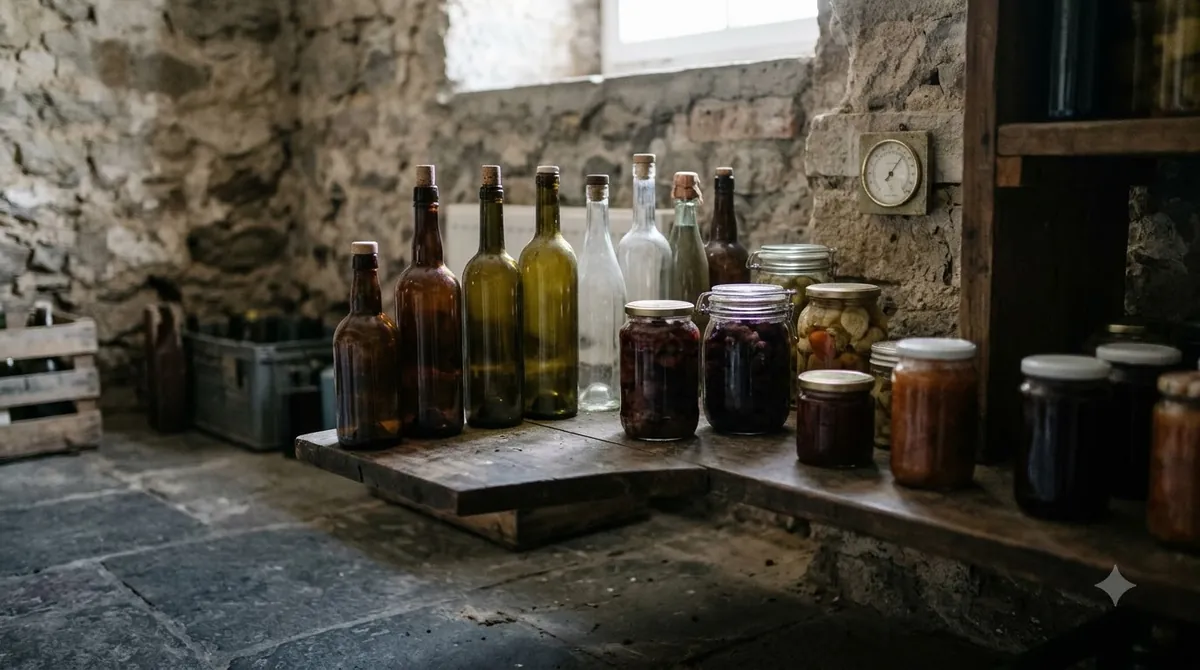
The wine comes from Piedmont in northwestern Italy, where Moscato Bianco is the principal grape used for the denomination. According to the regional tourism organization Ente Turismo Langhe Monferrato Roero, the production area covers 52 towns across the provinces of Alessandria, Asti, and Cuneo. Moscato d’Asti received DOCG recognition in 1993, distinguishing it as a protected Italian wine with defined production requirements.
Its characteristic flavor is an important reason it works in mixed drinks. Depending on the producer, the wine can suggest ripe peach, apricot, orange blossom, acacia, sage, honey, and fresh citrus. These aromas complement common cocktail ingredients such as strawberries, raspberries, lemons, oranges, mint, and elderflower.
Alcohol content is another consideration. Moscato d’Asti generally contains approximately 4.5% to 6.5% alcohol by volume, although individual bottles vary. For comparison, a typical vodka or gin is substantially stronger. A cocktail made primarily with Moscato d’Asti and sparkling water will therefore have a different strength from one containing a full measure of spirits.
The wine also has a distinctive production method. Fermentation is stopped by cooling when the desired alcohol concentration is reached, preserving some of the grape’s natural sugar. The result is a sweet, gently sparkling wine rather than a completely dry sparkling wine.
This sweetness changes how a cocktail should be prepared. Traditional cocktail recipes often rely on simple syrup to provide sweetness, but Moscato d’Asti already supplies that component. Adding more syrup without tasting the mixture first can make the finished drink cloying.
For additional background on the wine’s character, the regional description of what Moscato d’Asti tastes like provides useful context for choosing complementary cocktail ingredients.
Classic Moscato d’Asti Spritz Recipe
A Moscato d’Asti spritz is one of the simplest ways to prepare this wine as a cocktail. Combining the wine with sparkling water and fresh citrus creates a lighter drink that preserves its floral aroma while reducing the impression of sweetness.
The following recipe makes one generous cocktail. It uses sparkling water rather than another sweetened mixer, allowing the Moscato d’Asti to remain the main flavor.
Ingredients
- 4 oz Moscato d’Asti, chilled
- 2 oz plain sparkling water
- 1 oz fresh lemon juice
- 2 thin orange slices
- 3 fresh mint leaves
- Ice cubes
Preparation
- Fill a large wine glass or stemmed cocktail glass with ice.
- Add the fresh lemon juice and orange slices.
- Pour in the chilled Moscato d’Asti.
- Add the sparkling water slowly to preserve as much carbonation as possible.
- Stir gently once or twice with a bar spoon.
- Clap the mint leaves lightly between your hands to release their aroma, then place them in the glass.
- Serve immediately while the drink is cold and lively.
The lemon juice provides acidity that balances the wine’s residual sugar. Orange contributes a softer citrus aroma, while mint adds a cooling herbal character. The sparkling water lengthens the drink without introducing additional sweetness.
You can adjust the proportions according to the wine and your preference. A particularly sweet bottle may benefit from another half-ounce of lemon juice, while a more refreshing, less concentrated version can use an additional ounce of sparkling water.
For a simpler two-ingredient variation, combine 5 oz chilled Moscato d’Asti with 2 oz sparkling water and garnish with a lemon wheel. This version is especially useful when preparing several drinks for guests.
Tip: Add sparkling water last and stir gently. Vigorous stirring releases carbonation and can make a lightly sparkling Moscato d’Asti cocktail taste flat before it reaches the table.
Fruit-Based Moscato d’Asti Cocktail Recipes
Fresh fruit is a natural partner for Moscato d’Asti because the wine already contains peach, floral, and citrus characteristics. Strawberries, raspberries, peaches, and oranges add different layers of flavor without requiring complicated cocktail techniques.
Strawberry Moscato Cocktail
This version combines ripe strawberries with lemon and chilled Moscato d’Asti. It is particularly suitable for spring and summer gatherings, afternoon celebrations, and brunch.
Ingredients for one drink:
- 4 oz Moscato d’Asti
- 3 medium fresh strawberries
- ¾ oz fresh lemon juice
- 1 oz sparkling water
- 2 fresh basil leaves
- Ice
Muddle two strawberries gently with the lemon juice in a cocktail shaker. Avoid crushing the fruit into a completely smooth paste because excessive pulp can make the finished drink difficult to strain. Add ice and shake briefly, then strain into an ice-filled wine glass.
Pour in the Moscato d’Asti and sparkling water. Stir gently and garnish with the remaining strawberry and a basil leaf. The berries add fresh fruit flavor, while basil provides an aromatic contrast to the wine’s natural floral notes.
Peach Moscato Cocktail
Peach is one of the most natural ingredients to combine with Moscato d’Asti. The wine’s own peach-like aromas make this variation particularly harmonious.
Ingredients for one drink:
- 4 oz Moscato d’Asti
- 1 oz fresh peach puree
- ½ oz fresh lime juice
- 1 oz sparkling water
- One thin peach slice
- Ice
Prepare peach puree by blending ripe, peeled peach flesh until smooth. Add the puree and lime juice to an ice-filled glass. Pour in the Moscato d’Asti, top with sparkling water, and stir gently until combined.
Garnish with a fresh peach slice. If the peach is particularly ripe and sweet, reduce the puree to ½ oz and increase the lime juice slightly. This keeps the drink fresh rather than heavy.
Raspberry and Orange Moscato Cocktail
Raspberries provide tartness and a vivid fruit character, while orange adds a rounded citrus aroma. Together, they create a colorful cocktail that works well for holiday parties and summer entertaining.
Ingredients for one drink:
- 4 oz Moscato d’Asti
- ¼ cup fresh raspberries
- ¾ oz fresh orange juice
- ½ oz fresh lime juice
- 1 oz sparkling water
- One orange peel strip
- Ice
Lightly muddle the raspberries with the orange and lime juices. Strain the mixture if you prefer a smoother texture. Pour it into an ice-filled glass, add Moscato d’Asti, and finish with sparkling water.
Twist the orange peel over the drink to release its aromatic oils before using it as a garnish. The raspberries contribute tartness that offsets the wine’s sweetness, while orange connects the fruit flavors with the wine’s floral character.
Adding Vodka, Gin, and Other Spirits
Moscato d’Asti can also serve as the wine component in a spirit-based cocktail. Vodka provides a relatively neutral alcoholic base, gin introduces botanical flavors, and orange liqueur adds citrus depth. The key is to use moderate spirit portions so the wine’s delicate aromas remain recognizable.
Vodka and Moscato d’Asti Cocktail
Vodka is a practical choice when you want a stronger cocktail without introducing additional dominant flavors. It allows the peach, citrus, and floral notes of Moscato d’Asti to remain prominent.
Ingredients for one drink:
- 3½ oz Moscato d’Asti
- 1 oz vodka
- ¾ oz fresh lemon juice
- ½ oz orange juice
- ½ oz sparkling water
- Orange slice
- Ice
Add vodka, lemon juice, and orange juice to a shaker with ice. Shake briefly until chilled, then strain into an ice-filled glass. Add the Moscato d’Asti and sparkling water, stir gently, and garnish with orange.
The lemon juice is particularly important in this recipe. Without it, the combination of sweet wine and orange juice can taste overly sugary. Fresh lemon gives the drink a cleaner finish and makes the fruit flavors more distinct.
Gin and Moscato d’Asti Floral Cocktail
Gin creates a more aromatic variation. Its botanical notes can complement the floral character of Moscato d’Asti, particularly when paired with cucumber, lemon, and fresh herbs.
Ingredients for one drink:
- 3½ oz Moscato d’Asti
- ¾ oz dry gin
- ½ oz fresh lemon juice
- 2 thin cucumber slices
- 2 fresh basil leaves
- 1 oz sparkling water
- Ice
Place the cucumber and basil in a shaker and press gently to release their aromas. Add gin, lemon juice, and ice. Shake briefly and strain into a chilled glass.
Top with Moscato d’Asti and sparkling water. Garnish with another cucumber slice and a small basil leaf.
Choose a relatively dry gin rather than one with pronounced sweet or citrus flavoring. This helps maintain a clear distinction between the wine’s natural sweetness and the gin’s botanical character.
Orange Liqueur Variation
Orange liqueur can provide a more concentrated citrus aroma, but it should be used sparingly. Because both the liqueur and Moscato d’Asti may contribute sweetness, a small quantity is generally sufficient.
For one drink, combine 4 oz Moscato d’Asti, ½ oz orange liqueur, ½ oz fresh lemon juice, and 1 oz sparkling water over ice. Garnish with a thin orange peel. The resulting drink has a stronger citrus character than the classic spritz while retaining the wine’s floral fragrance.
Remember that adding vodka, gin, or liqueur increases the overall alcohol content. These are spirit-based cocktails rather than simply light wine spritzes.
Ingredient Ratios, Sweetness, and Serving Temperature
The most reliable way to prepare a balanced Moscato d’Asti cocktail is to begin with a consistent wine-to-mixer ratio. A good starting point is 4 parts Moscato d’Asti to 1 or 2 parts unsweetened sparkling water, followed by a modest amount of fresh citrus when additional acidity is needed.
Different bottles can have noticeably different levels of sweetness and aromatic intensity. For example, ARPATIN lists a Moscato d’Asti with 5% to 5.5% alcohol and 110–120 grams of residual sugar per liter, while Gancia lists its own wine at 5.5% alcohol and 55 grams of residual sugar per liter. These producer-specific figures illustrate why tasting the base wine before mixing is useful.
The following proportions provide practical starting points for one cocktail. They are recipe measurements rather than official wine-production specifications.
| Cocktail style | Moscato d’Asti | Other ingredients | Approximate total volume |
|---|---|---|---|
| Simple spritz | 5 oz | 2 oz sparkling water | 7 oz |
| Citrus spritz | 4 oz | 2 oz sparkling water, 1 oz lemon juice | 7 oz |
| Strawberry cocktail | 4 oz | ¾ oz lemon, 1 oz sparkling water, muddled fruit | About 6 oz plus fruit |
| Peach cocktail | 4 oz | 1 oz peach puree, ½ oz lime, 1 oz sparkling water | 6½ oz |
| Vodka cocktail | 3½ oz | 1 oz vodka, ¾ oz lemon, ½ oz orange juice, ½ oz sparkling water | About 6¼ oz |
| Gin cocktail | 3½ oz | ¾ oz gin, ½ oz lemon, 1 oz sparkling water | About 5¾ oz |
These measurements do not include ice or optional garnishes. The finished volume may also vary slightly depending on the amount of fruit pulp and dilution from melting ice.
Choosing the Right Sweetness Level
Start with the wine itself before adding sweet ingredients. If the Moscato d’Asti tastes particularly sweet, use fresh lemon or lime juice, plain sparkling water, and tart berries. If it tastes more restrained, ripe peaches or strawberries can provide additional fruit character without requiring syrup.
Avoid automatically adding simple syrup, honey, or sweetened fruit juice. These ingredients can overwhelm the wine’s natural flavors. If a recipe genuinely needs more sweetness, add a small amount, stir, and taste before adding anything further.
Serving Temperature and Glassware
Moscato d’Asti is best served thoroughly chilled. A useful target is approximately 43–50 degrees Fahrenheit for a sweet white wine. Gancia’s recommended serving temperature of 6–8 degrees Celsius is approximately 43–46 degrees Fahrenheit.
For a spritz, use a large wine glass that provides room for ice, fruit, and sparkling water. A stemmed glass is also useful because it allows guests to hold the drink without warming it as quickly with their hands.
Pre-chill the wine, glasses, and sparkling water before preparing cocktails. This reduces the need for excessive ice and helps maintain the wine’s delicate aromas.
Food Pairings and Occasions for Moscato d’Asti Cocktails
Moscato d’Asti cocktails pair particularly well with fresh fruit, lightly sweet desserts, salty snacks, and dishes with moderate spice. Their sweetness and acidity provide a useful contrast to savory foods, while citrus-based versions work especially well with lighter appetizers.
The wine’s traditional dessert associations offer a natural starting point. According to the Piedmont regional tourism organization, Moscato d’Asti pairs with pastries, hazelnut cakes, fruit tarts, and sweets. Gancia also identifies strawberries, peaches, panettone, pandoro, and zabaglione as suitable companions.
For cocktails, fresh strawberries, peach slices, and fruit tarts are particularly easy combinations. A strawberry Moscato cocktail complements a fruit platter, while a peach version works with almond biscuits and lightly sweet pastries. The Piedmont regional guide to Moscato d’Asti provides additional information about the wine’s traditional food pairings and production area.
Cheese and Savory Appetizers
The wine’s sweetness can also work against salty and savory flavors. Blue cheese, cured meats, and anchovy crostini are examples identified by Gancia as suitable pairings for its Moscato d’Asti.
For a party, serve a citrus Moscato spritz with a selection of mild cheeses, salted almonds, and small savory pastries. The acidity from lemon helps refresh the palate between richer bites.
Spicy Food Pairings
Moscato d’Asti is also a possible companion for moderately spicy foods. The regional tourism organization specifically mentions Indian cuisine and other spicy dishes as pairing possibilities.
A fruit-forward cocktail with fresh lime can accompany mildly spiced appetizers, aromatic curries, and dishes with ginger. However, avoid assuming that adding a strong spirit will improve a spicy pairing. Alcohol can amplify the sensation of chili heat, so a lower-alcohol wine-and-soda version is often the gentler choice.
For more ideas, explore Moscato d’Asti food pairing recommendations and choose snacks that complement rather than compete with the wine’s natural sweetness.
Best Occasions
A Moscato d’Asti spritz is appropriate for brunch, afternoon parties, summer celebrations, and informal dinners. Its floral character also makes it a pleasant option for welcoming guests before a meal.
For a larger gathering, prepare the fruit, citrus juice, and garnishes in advance. Keep the Moscato d’Asti and sparkling water refrigerated separately, then assemble individual drinks shortly before serving. This approach maintains carbonation and prevents the fruit from sitting in the wine for too long.
If guests prefer different sweetness levels, offer lemon wedges and sparkling water separately so each person can adjust the drink without changing the entire batch.
Preparation, Storage, and Common Cocktail Mistakes
The best Moscato d’Asti cocktails are prepared shortly before serving because carbonation, temperature, and fresh fruit aromas are important parts of their appeal. Advance preparation should focus on ingredients and garnishes rather than combining the complete drink hours ahead of time.
Fresh fruit can be washed, sliced, and refrigerated in covered containers. Lemon and lime juice can also be prepared in advance and kept chilled. However, the wine should remain sealed until it is needed, and sparkling water should be added at the last moment.
For producer-specific details about the wine’s grape variety, production process, alcohol content, and serving temperature, consult Gancia’s Moscato d’Asti DOCG product information.
How to Store an Open Bottle
After opening, reseal Moscato d’Asti promptly with a suitable sparkling-wine stopper and refrigerate it. Its carbonation will gradually diminish after exposure to air, so it is generally best used within 1–3 days.
A bottle that has lost some of its bubbles may still be useful in a cocktail, especially when combined with sparkling water. However, the wine should still smell fresh and show no obvious signs of spoilage. Refrigeration slows deterioration but does not preserve carbonation indefinitely.
Preparing Cocktails for a Group
For six servings of a simple spritz, prepare 30 oz of Moscato d’Asti and 12 oz of sparkling water. Keep both liquids cold and divide them among individual glasses with ice. Garnish each serving with a lemon wheel or orange slice.
Do not combine the wine and sparkling water in a pitcher long before guests arrive. The mixture will gradually lose its bubbles. If a pitcher is necessary, add the wine and sparkling water immediately before serving and pour promptly.
Common Mistakes to Avoid
- Adding too much syrup: Moscato d’Asti already provides considerable natural sweetness. Use citrus or unsweetened mixers first.
- Using warm wine: Warm wine can taste heavier and less refreshing. Chill it before mixing.
- Overpowering the wine with spirits: Large spirit measures can conceal the wine’s floral and fruity aromas.
- Using too much citrus: Excessive lemon or lime can make the cocktail sharply sour. Begin with small amounts and adjust.
- Stirring too aggressively: Gentle mixing preserves the wine’s delicate carbonation.
- Preparing drinks too early: Combining everything well ahead of serving can result in flat cocktails and tired fruit flavors.
- Using sweetened mixers without adjustment: Fruit nectar and flavored soda may add more sugar than the recipe needs.
For a broader introduction to wine styles and serving choices, visit Wine by Type. Understanding the differences between sweet, dry, sparkling, and lightly sparkling wines can help you select suitable cocktail bases.
Frequently Asked Questions
Can Moscato d’Asti replace Prosecco in a spritz?
Yes, although the result will be noticeably sweeter and generally less forcefully sparkling. Prosecco is usually made from Glera and undergoes tank fermentation, while Moscato d’Asti has its own production requirements and a characteristic low-alcohol, gently sparkling style. Reduce additional sweeteners and consider adding fresh lemon juice when substituting it in a spritz recipe.
Can you make a frozen Moscato d’Asti cocktail?
Yes. Blend frozen strawberries or peaches with a small amount of lemon juice and ice to create a fruit base. Pour chilled Moscato d’Asti into the mixture after blending and fold gently rather than blending the wine at high speed. This preserves more of its delicate carbonation and aroma.
Can Moscato d’Asti be used in a nonalcoholic-style mocktail?
Moscato d’Asti is still an alcoholic wine, even though its alcohol content is relatively low. For a completely alcohol-free alternative, use nonalcoholic sparkling white wine or sparkling grape juice with lemon, fresh peaches, and mint. The flavor will differ, but the combination can reproduce some of the fruit-forward character of the original cocktail.
Which herbs work best with Moscato d’Asti cocktails?
Mint, basil, and lemon balm are useful choices because their fresh aromas complement the wine’s floral character. Rosemary can also work in small quantities, particularly in peach-based recipes. Avoid using large amounts of strongly flavored herbs, which can overwhelm the delicate grape aromas.
How many cocktails can you make from one bottle of Moscato d’Asti?
A standard 750 ml bottle contains approximately 25.4 fluid ounces. At 4 oz of wine per cocktail, it provides six full servings with a small amount remaining. If you use 5 oz per drink, you can prepare five servings with a little wine left over.
A Moscato d’Asti cocktail is an easy way to turn a naturally aromatic Italian wine into a refreshing drink for entertaining. Start with the classic spritz, experiment with fresh peaches or strawberries, and use citrus to balance the wine’s sweetness. With chilled ingredients and restrained mixing, you can create cocktails that preserve the distinctive character of Moscato d’Asti.
More in Wine Types & Grapes
 What Does Mourvèdre Taste Like? Flavor Profile, Regions, and PairingsUpdated Nov 20, 2026
 What Does Marsanne Taste Like? Flavors, Styles, and Food PairingsUpdated Nov 20, 2026
 What Does Malvasia Taste Like? Styles, Flavors, and Food PairingsUpdated Nov 20, 2026
 What Does Grenache Blanc Taste Like? Flavor Profile, Styles, and PairingsUpdated Nov 20, 2026
 What Does Garnacha Taste Like? Key Flavors, Styles, and Pairing TipsUpdated Nov 20, 2026
 What Does Fruit Wine Taste Like? A Complete Flavor and Style BreakdownUpdated Nov 20, 2026