


We may earn a commission when you buy through links on this page, at no extra cost to you. Learn more.
Mead tasting notes span far beyond simple honey sweetness, moving from crisp, bone-dry floral aromas and green apple acidity to rich layers of toasted caramel, dark berries, and warming baking spices. Depending on the honey varietal, yeast strain, and fermentation time, a glass can drink like a mineral-driven dry white wine, a bubbly cider, or a full-bodied dessert wine. Alcohol levels typically sit between 6% and 20% ABV, with most standard bottles landing around 12% to 16% ABV.
Because mead starts with fermented honey and water rather than grapes, tasters often expect every bottle to taste like liquid honeycomb. In reality, yeast converts most or all of the natural sugars into alcohol, leaving behind the aromatic compounds of the flowers bees visited alongside structure shaped by fermentation and aging. Learning how to read and write tasting notes for honey wine helps you predict whether a bottle will finish crisp and refreshing or lush and syrupy before you pull the cork.
What Mead Is and Why Honey Drives Its Profile
Mead is an alcoholic beverage fermented from honey diluted with water, sometimes enriched with fruits, spices, herbs, grains, or hops. Unlike grape wine, where fruit acids and grape skins supply much of the structure, mead relies on the floral origin of raw honey, water ratios, and fermentation choices to build aroma, body, and finish.
According to a Wine Enthusiast guide to mead, alcohol by volume ranges from 6% up to 20%, with most bottles averaging between 12% and 16% ABV. Lighter session meads, often called hydromels, sit closer to the lower end of that scale with brisk carbonation and higher water dilution, whereas sack meads use concentrated honey ratios that yield higher alcohol and dense viscosity. Because yeast can ferment honey completely dry or stop partway through, residual sugar varies dramatically from producer to producer.
The floral source of the honey acts much like grape variety in traditional winemaking, establishing the baseline sensory footprint before fermentation even begins. Pale honeys such as acacia or clover tend to yield delicate white-blossom aromas and a clean, snappy finish, while citrus blossom honey introduces bright zesty notes. Darker varietals like buckwheat honey bring deep molasses, earthy malt, and roasted grain impressions, and black locust honey is prized by makers for woodsy floral notes alongside sweet pea and citrus undertones. Weather patterns during bloom season also shift honey color and aroma intensity from year to year, giving craft mead a genuine sense of vintage variation.
Flavor and Styles Across the Mead Spectrum
Mead tasting notes change dramatically depending on whether a bottle is a pure traditional honey ferment or a specialty style made with fruit, apples, spices, or malt. Evaluating sweetness level, carbonation, and adjunct ingredients side by side gives you a clear roadmap for what to expect in the glass.
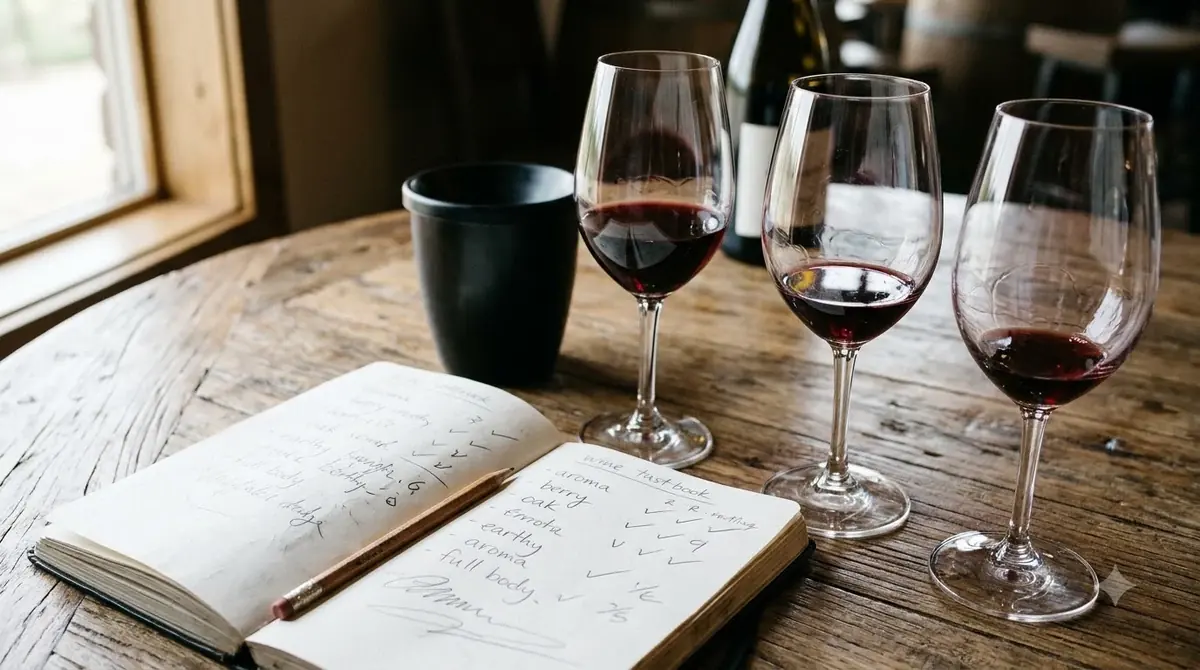
Traditional mead uses only honey, water, and yeast, putting pure floral character and fermentation aromatics front and center. Dry traditional versions offer almost no residual sugar, showing aromas of beeswax, chamomile, crushed stone, and white flowers with a lean palate that recalls dry white wine. Semi-sweet bottles add rounded mid-palate weight and soft orchard fruit impressions, while sweet traditional styles coat the tongue with caramelized honey, toasted nuts, and lingering warmth without turning cloying when balanced by natural acidity.
Adding other agricultural ingredients creates distinct subcategories with recognizable flavor signatures. Melomels ferment honey alongside fruits such as tart cherries, blackberries, raspberries, or peaches, adding vibrant red or stone fruit aromatics and natural tartness that sharpen the finish. Cysers combine honey with apple juice or cider, producing crisp orchard notes, baked apple skin, and lively acidity. Metheglins infuse herbs and spices like cinnamon, clove, ginger, or rosemary, creating warming, aromatic profiles suited to cool weather, while braggots blend honey with malted barley for toasted bread and light hop bitterness. If you enjoy comparing how different fermentations shape structure across Wine by Type, tasting a dry traditional mead next to a tart berry melomel highlights how fruit acid transforms mouthfeel.
| Mead Style | Primary Ingredients | Typical Sweetness | Common Tasting Notes |
|---|---|---|---|
| Traditional Mead | Honey, water, yeast | Dry to sweet | Wildflower blossom, beeswax, toasted almond, citrus zest, soft caramel |
| Melomel | Honey, water, whole fruit or juice | Semi-dry to sweet | Tart cherry, crushed blackberry, ripe peach, bright berry acidity |
| Cyser | Honey, apple cider or juice | Dry to semi-sweet | Crisp green apple, baked orchard fruit, cider tang, light spice |
| Metheglin | Honey, water, culinary spices or herbs | Semi-sweet to sweet | Cinnamon bark, fresh ginger, clove, dried rosemary, warm vanilla |
| Hydromel (Session) | Diluted honey, water, often carbonated | Dry to off-dry | Delicate white flowers, lemon peel, crisp minerality, lively bubbles |
| Braggot | Honey, malted grain, optional hops | Dry to semi-sweet | Toasted biscuit, light caramel malt, herbal hops, gentle honey finish |
How to Evaluate Appearance, Aroma, and Palate
Tasting mead systematically follows the same core steps used for still and sparkling wine—observing clarity and color, swirling to assess aromatics, and evaluating texture on the palate. Paying attention to visual legs, fermentation cleanliness, and finish length helps separate balanced bottles from overly sweet or hot examples.
Start by holding the glass against a white background to check clarity and hue. Well-made meads generally appear bright and clear, ranging from pale straw in acacia or hydromel bottlings to deep amber or ruby in buckwheat or berry melomels. Gently swirl the glass and watch the tears along the inside wall; slower, thicker legs signal higher alcohol, higher residual sugar, or both. In sparkling versions, look for fine, steady streams of small bubbles rather than coarse, fast-fading foam, as finer effervescence creates a creamier mouthfeel and lifts subtle floral aromatics out of the glass.
Next, swirl briefly and take two short sniffs before tasting to separate primary honey aromas from fermentation bouquet. Clean meads showcase fresh floral, fruity, or herbal notes without sharp solvent heat, heavy sulfur, or stale papery oxidation. On the palate, focus first on structural balance rather than just flavor labels: note how perceived sweetness interacts with tart acidity, whether oak aging or fruit skins add subtle tannic grip, and whether alcohol feels integrated or fiery at the back of the throat. Quality mead is known for a remarkably long finish, so pay attention to how long floral and spiced echoes linger after you swallow.
Tip: Do not judge a mead’s sweetness by its color alone—a dark buckwheat or tart cherry mead can finish bone-dry, while a pale orange blossom bottle may carry noticeable residual sugar.
Where Mead Is Crafted and Notable Styles
Although honey fermentation dates back thousands of years across Europe, Asia, and Africa, modern craft meaderies have turned North America and parts of Europe into vibrant hubs of innovation. Regional honey harvests give local producers distinct flavor signatures tied directly to surrounding flora and agriculture.
In the United States, states with strong orchard, berry, and beekeeping traditions—including Michigan, New York, California, and Colorado—lead modern craft production. Makers in the Great Lakes region frequently pair local wildflower and star thistle honey with tart Montmorency cherries and apples, producing deeply expressive fruit melomels and cysers. In the Mid-Atlantic and Northeast, producers work closely with regional beekeepers to capture seasonal blooms; as wine writer Elaine Chukan Brown notes in a Decanter column on honey-grape ferments, winemaker Rachel Lipman at Loew Vineyards in Maryland blends local black locust honey with Muscat Canelli and Vidal Blanc grapes to create a floral, apricot-driven hybrid that balances sweetness with crisp acidity.
Traditional mead cultures also maintain distinctive regional profiles worldwide. Polish meads, historically classified by honey-to-water dilution ratios such as trójniak and dwójniak, emphasize rich, aged complexity and concentrated viscosity. Ethiopian tej incorporates gesho—an indigenous bittering shrub—to balance honey sweetness with earthy, herbal dryness, while Nordic producers frequently highlight meadowsweet, heather honey, and forest berries. Exploring regional styles shows how local botanicals function much like vineyard terroir.
How to Serve and Store Mead
Serving mead at the right temperature and in appropriate glassware brings out delicate blossom aromatics while keeping sweetness and alcohol in check. Lighter, drier, and sparkling styles benefit from a firmer chill, whereas rich, high-alcohol bottles open up best when served slightly cool.
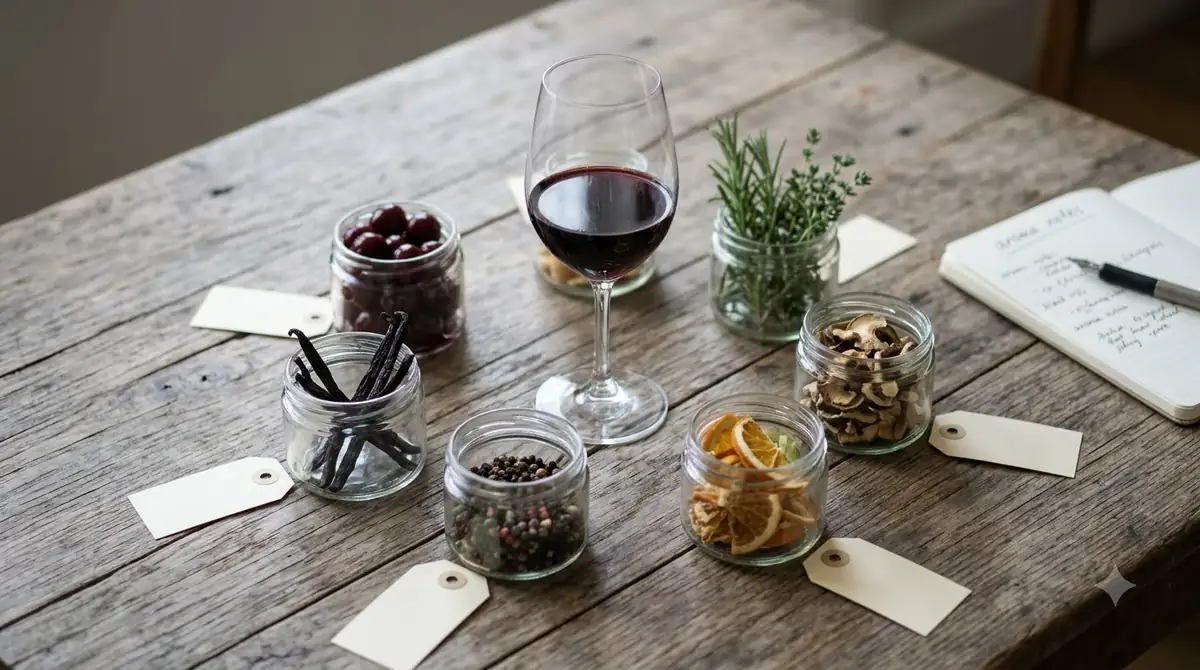
Chill sparkling hydromels, dry traditional meads, and crisp cysers to refrigerator temperatures so their acidity and effervescence feel snappy and refreshing. Semi-sweet traditional meads and fruit melomels show their fullest aromatic range when served lightly chilled—similar to how you would serve an aromatic white wine—allowing berry, stone fruit, and blossom notes to bloom without muting the palate. Heavy dessert-style sack meads and barrel-aged bottlings perform best at cool cellar temperature or room temperature, where warmth softens thick textures and releases secondary notes of vanilla, toasted oak, and dried fruit. Spiced metheglins can also be gently warmed in a saucepan during winter without boiling, which preserves alcohol and delicate aromatics.
Pour mead into a standard tulip-shaped white wine glass rather than a wide goblet or pint glass. The tapered bowl concentrates volatile floral and fruit esters toward the nose while giving you enough room to swirl. For high-ABV sweet or fortified-style bottles, use a smaller dessert wine pour so richness does not overwhelm the palate. Unopened bottles store well upright in a cool, dark place away from direct sunlight and temperature swings; once opened, re-cork still meads tightly and keep them in the refrigerator, where most bottles stay fresh for several days to a couple of weeks depending on sugar and alcohol levels.
Food Pairing Ideas for Every Style
Because mead spans from bone-dry and bubbly to lush and spiced, matching a bottle to food follows the same core principles as pairing grape wine—aligning weight, acidity, and sweetness with the dish. Thinking about whether a bottle leans crisp, fruity, or rich makes table pairing straightforward.
Dry and sparkling traditional meads or cysers pair effortlessly with lighter savory dishes and salty starters. Try a chilled dry mead alongside roast chicken, grilled shrimp, pork tenderloin, or a platter of sliced green apples and aged Gouda, where crisp acidity cuts through fat and salt. If you enjoy pairing bright, mineral-driven whites like those described in our sancerre tasting notes, dry sparkling hydromels play a very similar role next to goat cheese, oysters, or herb-roasted vegetables.
Semi-sweet melomels and spiced metheglins excel with bolder flavors, moderate heat, and char. Tart berry melomels bridge savory and sweet elements alongside duck breast, glazed ham, or barbecue, echoing the ripe dark fruit appeal found in grenache tasting notes while adding bright honeyed lift. Meanwhile, cinnamon- and ginger-inflected metheglins tame spicy Thai or Indian curries and complement autumn squash dishes. Save full-bodied sweet sack meads and barrel-aged expressions for cheese boards featuring blue cheese, washed-rind wheels, toasted walnuts, or dark chocolate tarts, where structural intensity stands up to dense richness—much like full-bodied reds covered in petit verdot tasting notes.
Frequently Asked Questions
Does mead always taste sweet like pure honey?
No, mead is not always sweet. During fermentation, yeast converts honey sugars into alcohol, allowing makers to produce bone-dry, off-dry, semi-sweet, or dessert-sweet styles. Dry meads retain the floral and herbal aromatics of the original honey without residual sugar, often drinking similarly to crisp dry white wine.
How is mead different from white wine or cider?
Mead gets its fermentable sugars from honey diluted with water, whereas wine is fermented from grape juice and cider is fermented from apple juice. Because honey lacks the natural tannins and tartaric acid found in grapes, mead relies on honey varietal character, yeast selection, and optional additions like fruit or spices for structure and acidity.
What does a standard traditional mead taste like?
A standard traditional mead features clean fermented honey aromatics layered with floral blossoms, soft orchard fruit, beeswax, and subtle nutty or earthy undertones depending on the honey source. Dry versions finish crisp and mineral-driven, while semi-sweet and sweet styles offer a rounder mouthfeel with notes of light caramel and warm spice.
Can you age mead in the bottle like wine?
Yes, many standard and higher-alcohol meads improve with bottle aging over one to several years. Time allows sharp alcohol edges to soften while honey, fruit, and oak notes integrate into smoother, more complex flavors. Light, carbonated session hydromels, however, are best enjoyed fresh while their bubbles and bright floral aromas are at their peak.
Reading mead tasting notes becomes intuitive once you separate the honey’s floral origin from the winemaker’s choices around sweetness, carbonation, and fruit or spice additions. Whether you reach for a crisp dry hydromel before dinner or a velvety berry melomel alongside aged cheese, paying attention to aroma, acidity, and finish will guide you straight to the style that fits your palate.
More in Wine Types & Grapes
 What Does Ruby Port Taste Like? Flavor Notes, Styles, and Serving TipsUpdated Nov 21, 2026
 What Does Ribolla Gialla Taste Like? Crisp White and Amber Styles ExplainedUpdated Nov 21, 2026
 What Does Semillon Taste Like? Flavor Profile, Styles & PairingsUpdated Nov 21, 2026
 What Does Scuppernong Taste Like? Flavor, Styles, and Pairing GuideUpdated Nov 21, 2026
 What Does Saperavi Taste Like? Flavors, Styles, and Pairing GuideUpdated Nov 21, 2026
 What Does Natural Wine Taste Like? Flavors, Styles, and Serving TipsUpdated Nov 21, 2026