


We may earn a commission when you buy through links on this page, at no extra cost to you. Learn more.
Godello tasting notes typically describe a dry, medium-bodied white wine with green apple, ripe pear, citrus, white flowers, and refreshing acidity. Native to northwestern Spain, Godello combines lively freshness with a rounded, sometimes creamy texture. Depending on its growing region and winemaking, it can also reveal quince, almond, herbs, saline notes, and subtle minerality, making it an appealing choice for drinkers who enjoy textured white wines.
Godello is one of Spain’s distinctive white grapes, particularly associated with Galicia and the nearby region of El Bierzo. Its wines occupy an interesting position between crisp, citrus-driven whites and richer, more structured styles. Some bottles emphasize fresh orchard fruit and a clean mineral finish, while others develop additional weight through lees aging or oak fermentation. Understanding these differences makes it easier to recognize the grape, select a bottle, and find food pairings that complement its character.
Primary Aromas and Flavors Found in Godello
Godello usually opens with fresh orchard fruit, citrus, and delicate floral aromas. Green apple, pear, lemon peel, and white flowers form a recognizable starting point, while ripe examples can introduce peach, quince, and more concentrated yellow-fruit characteristics.
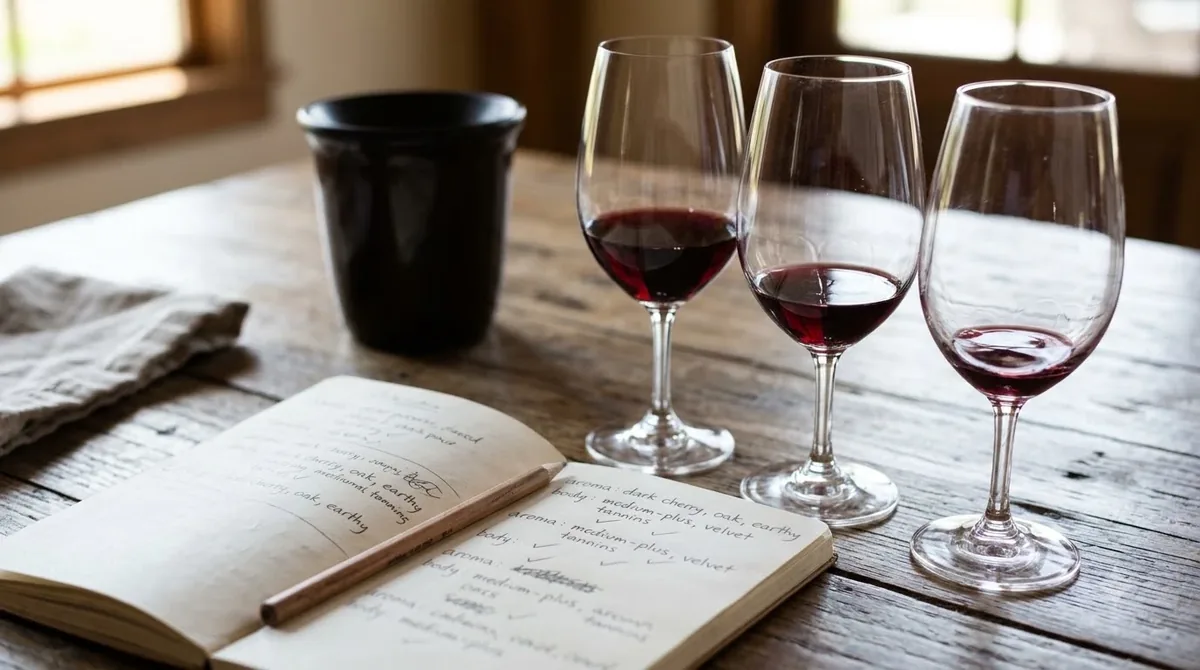
Green apple is one of the most recognizable aromas in a young Godello. It gives the wine a crisp impression, especially when accompanied by lemon zest or grapefruit. Pear adds a softer, rounder fruit character, while quince contributes a slightly richer aroma that can suggest ripe fruit without making the wine taste sweet. These flavors are generally more restrained than the tropical fruit notes associated with some warmer-climate white wines.
Floral and herbal aromas provide another layer. White flowers, fresh hay, and delicate aromatic herbs can appear alongside the fruit. Depending on the wine, a taster might also notice fennel or subtle green botanical notes. These characteristics are particularly useful when evaluating the aromatic complexity of a bottle rather than focusing only on its primary fruit flavors.
Mineral and savory impressions help distinguish Godello from simpler fruit-forward whites. Wine descriptions frequently mention crushed stone, wet gravel, saline freshness, or a faint chalky sensation. These are sensory descriptions rather than literal mineral ingredients in the wine. Their intensity depends on vineyard conditions, ripeness, and production choices.
More mature or oak-influenced examples can introduce almond, toasted nuts, vanilla, and gentle spice. These secondary aromas do not necessarily replace the apple and citrus profile. Instead, they add depth and create a broader aromatic experience.
A useful tasting sequence is to identify the dominant fruit first, then look for floral or herbal details, and finally consider whether the finish has a mineral, nutty, or lightly toasted character. This approach gives a clearer impression than trying to identify every possible aroma in a single glass.
Sweetness, Acidity, Body, and Texture
Godello is generally made as a dry white wine, with medium body and medium-high to high acidity. Its most recognizable structural feature is the combination of refreshing acidity and a fuller, sometimes creamy mouthfeel.
Although ripe pear, peach, and quince can create an impression of sweetness on the nose, a typical dry Godello does not taste sugary. Its fruit character is balanced by acidity, and the finish is usually refreshing rather than syrupy. This makes it suitable for people who enjoy aromatic white wines but prefer a dry style.
Acidity is an important part of the grape’s appeal. It gives the wine energy and helps balance its weight. A fresh Godello may have a bright citrus-driven character, while a richer bottle can retain enough acidity to prevent its texture from feeling heavy. This balance is particularly useful at the dining table.
Body generally falls in the medium range, although some examples feel medium-full or full-bodied. The difference is influenced by grape ripeness, alcohol, lees contact, fermentation vessel, and aging. A straightforward stainless-steel wine often feels more direct, while a lees-aged example can have greater breadth and a more substantial finish.
Godello has very little noticeable tannin in its conventional white-wine form. Its structure comes mainly from acidity, alcohol, fruit concentration, and texture rather than the drying grip associated with red wines. Extended skin contact can produce a more phenolic sensation, but this is a winemaking choice rather than the standard expression.
| Tasting Attribute | Typical Godello Profile |
|---|---|
| Color | Pale straw to golden yellow |
| Sweetness | Dry |
| Acidity | Medium-high to high |
| Body | Medium to medium-full |
| Tannin | Very low to negligible |
| Alcohol | Often around 12.5–14% ABV |
| Primary Fruit | Apple, pear, citrus, quince |
| Secondary Notes | White flowers, herbs, almond, vanilla |
| Finish | Fresh, fruity, sometimes mineral or savory |
| Serving Temperature | 50–55°F for a fuller expression |
These figures describe a practical tasting profile rather than fixed specifications for every bottle. A cooler-site Godello may emphasize acidity and citrus, while a ripe, oak-influenced example can have more alcohol, weight, and rounded texture.
For another perspective on structured white wines, compare these characteristics with Sancerre tasting notes. Sancerre Sauvignon Blanc commonly emphasizes sharper citrus, herbal aromas, and pronounced acidity, while Godello often brings a broader palate and more rounded fruit character.
How Godello Changes Across Its Spanish Growing Regions
Galicia is the principal reference point for Godello, with Valdeorras and Monterrei particularly important for varietal bottlings. The grape also grows in Ribeira Sacra, Ribeiro, and Rías Baixas, while El Bierzo in neighboring Castilla y León offers another important expression.
Valdeorras is arguably the most recognizable region for Godello. Located in eastern Galicia along the River Sil, it is associated with wines that combine concentrated orchard fruit, citrus, firm acidity, and a substantial palate. Slate and granite are among the soil types associated with the area’s vineyards, and their influence is often discussed when describing the wines’ mineral impressions.
Valdeorras bottlings can range from fresh stainless-steel wines to more ambitious examples made with lees contact or oak. A young wine may emphasize green apple, pear, lemon, and white flowers. More structured examples can show ripe stone fruit, almond, savory complexity, and a longer finish. These variations make the region particularly useful when exploring different interpretations of the grape.
Monterrei, also in Galicia, produces Godello with a range of expressions shaped by its continental influences and vineyard conditions. Depending on the site and harvest, wines can emphasize citrus and fresh fruit or develop more generous ripe-fruit characteristics. Its importance as a Godello-growing region is recognized by the Galician Wine Museum.
Ribeira Sacra offers another regional interpretation. Its steep vineyard landscapes and varied growing conditions contribute to wines with individual expressions. Godello may appear as a single-variety wine or as part of a blend with other native grapes, depending on the appellation and producer.
Ribeiro and Rías Baixas also cultivate the variety, although Godello has a different level of prominence in these regions. It is more commonly associated with blends in some Galician appellations rather than exclusively varietal bottlings.
El Bierzo is another worthwhile place to explore. Although the region is widely associated with Mencía, its white wines include Godello. Depending on the vineyard and production method, these bottles can combine orchard fruit, floral aromas, mineral impressions, and a rounded palate.
Godello is also known as Gouveio in Portugal, where it appears in regions including the Douro and Dão. Portuguese Gouveio should not automatically be expected to taste identical to Galician Godello, because climate, soils, ripeness, and winemaking can produce noticeably different results.
For additional regional context, the Museo do Viño de Galicia’s Godello profile explains the grape’s place in several Galician wine regions and describes its characteristic structure, acidity, and aromatic expression.
Winemaking Methods That Shape Godello’s Flavor
Godello’s natural combination of acidity and body gives winemakers several ways to shape its final style. Stainless-steel fermentation, lees aging, and oak maturation can create noticeably different wines from the same grape.
Stainless-Steel Fermentation
Stainless-steel fermentation generally preserves a direct expression of the grape. These wines often emphasize green apple, pear, lemon, and fresh floral aromas. Without noticeable oak influence, the fruit and acidity remain the main features.
This style is a useful starting point for someone discovering Godello for the first time. Its clean profile makes it easier to understand the grape’s natural characteristics, and its freshness works particularly well with seafood, salads, and lighter meals.
Lees Aging and Creamy Texture
Lees aging means keeping wine in contact with the spent yeast cells left after fermentation. This process can contribute additional body, a softer texture, and aromas associated with bread dough, nuts, or gentle creaminess.
Some producers use periodic lees stirring, known as bâtonnage, to increase contact between the wine and its lees. The resulting wine may feel broader and more rounded without losing its underlying acidity. This is one reason certain Godello wines can resemble richer Chardonnay expressions in texture.
Lees aging does not automatically mean that a wine has been aged in oak. A producer can mature Godello on its lees in stainless steel, allowing additional texture to develop while maintaining a relatively clean fruit profile.
Oak Fermentation and Aging
Oak can give Godello another dimension. Fermentation or maturation in barrels may introduce vanilla, toasted nuts, baking spice, and a more integrated creamy impression. The wine can become broader and more layered, especially when oak is combined with lees contact.
The amount of oak influence matters. Subtle barrel treatment can support the grape’s fruit and acidity, whereas excessive oak can obscure its citrus, floral, and mineral characteristics. Good examples maintain a recognizable Godello profile even when the production method adds richness.
Some producers also experiment with alternative fermentation vessels and different aging periods. These decisions can affect texture and aromatic development, which is why two wines labeled Godello may taste quite different despite sharing the same principal grape variety.
Godello Compared With Chardonnay, Albariño, and Other White Wines
Godello is often compared with Chardonnay because both grapes can produce white wines with substantial texture and a balance between fruit and acidity. However, Godello has its own recognizable orchard-fruit, floral, and mineral profile.
Compared with a typical unoaked Chardonnay, Godello often shows more distinctive citrus, pear, and floral notes. Chardonnay can range from crisp and restrained to rich and buttery, depending on climate and production. Godello also varies, but its combination of fruit freshness and rounded structure makes it an interesting alternative for Chardonnay drinkers.
Albariño is another useful comparison because it is strongly associated with Galicia. Albariño typically emphasizes citrus, stone fruit, saline freshness, and lively acidity. Godello can share some of those characteristics but frequently offers more body and a broader, sometimes creamier palate.
For Sauvignon Blanc drinkers, Godello offers a different interpretation of freshness. Sauvignon Blanc is often more immediately recognizable through its herbal, grassy, and citrus aromas. Godello generally leans toward apple, pear, white flowers, and a fuller mouthfeel.
Red wine drinkers exploring white varieties may also find it helpful to understand the contrast with structured reds. Grenache tasting notes typically emphasize red berries, ripe fruit, and a softer to medium tannin structure in many red expressions. Godello offers fruit concentration without the tannic grip of a red wine.
Similarly, Petit Verdot tasting notes highlight a much firmer structure, darker fruit, and substantial tannin. Godello is a completely different experience, relying on acidity and texture rather than red-grape tannins to create its shape.
These comparisons are useful because grape variety alone does not determine body or richness. Climate, harvest decisions, alcohol, fermentation, and aging can change the finished wine considerably.
Best Food Pairings for Godello Wine
Godello pairs especially well with seafood, white fish, shellfish, poultry, mushrooms, and creamy dishes. Its acidity refreshes the palate, while its medium body provides enough substance for foods with richer textures.
Seafood and Fish
Seafood is one of the most natural pairing categories for Godello. Grilled shrimp with lemon and fresh herbs works particularly well because the citrus echoes the wine’s fruit profile, while the acidity keeps the combination lively.
Scallops, crab, lobster, and simply prepared white fish are also excellent choices. A more textured Godello can accompany fish served with a light butter sauce, roasted vegetables, or a creamy seafood preparation. The wine’s weight helps it stand up to richer cooking methods without overpowering delicate flavors.
For oily fish such as salmon or mackerel, choose a fresh, sufficiently acidic Godello and avoid examples with excessive oak influence. The freshness can help balance the richness of the dish, although a particularly heavy sauce may require a fuller wine.
Poultry and White Meat
Roasted chicken and turkey are dependable matches. Their relatively mild flavors allow the wine’s fruit and floral aromas to remain noticeable, while roasted skin and savory seasonings complement its broader texture.
Chicken with lemon, thyme, or fennel is particularly suitable. A lees-aged Godello can also work with poultry served in a light cream sauce, where its acidity helps prevent the dish from feeling too heavy.
Vegetables, Rice, and Mushrooms
Mushroom risotto, seafood rice, and vegetable dishes offer additional possibilities. Mushrooms bring earthy flavors that work with the wine’s savory and mineral impressions. Rice dishes with shrimp, herbs, and citrus can highlight both its fruit and freshness.
Roasted squash, asparagus, fennel, and lightly seasoned vegetables are also worth considering. Preparation matters: a dish with lemon, herbs, and moderate seasoning will usually be more compatible than one dominated by very sweet sauces or intense chili heat.
Cheese and Richer Dishes
Soft cheeses, mild goat cheese, and some semi-hard cheeses can complement Godello. The acidity cuts through creamy textures, while the wine’s fruit helps balance savory and salty flavors.
A more developed, oak-influenced bottle can accompany richer cheese preparations and dishes with toasted nuts. However, extremely pungent cheeses may overwhelm a delicate, young Godello.
Tip: Match the wine’s weight to the dish. Choose a fresh, unoaked Godello for grilled shrimp, white fish, and salads, and a fuller lees-aged or oak-influenced bottle for roast chicken, mushroom risotto, and creamy seafood dishes.
Godello is generally less suitable for very spicy meals because alcohol can intensify chili heat. Highly sweet sauces can also make a dry wine seem sharper and less fruity. For the best results, emphasize fresh herbs, citrus, moderate seasoning, and ingredients with enough richness to balance the wine’s acidity.
Serving Temperature, Glassware, and Storage
Godello is best served chilled but not excessively cold, with 50–55°F providing a useful starting range for fuller expressions. A moderately sized white wine glass allows its apple, pear, citrus, and floral aromas to develop as the wine warms slightly.
Temperature can make a noticeable difference to the experience. When served too cold, the wine’s aromatic detail becomes less apparent and its texture may seem restrained. As it approaches the recommended temperature, the fruit, floral elements, and subtle savory characteristics become easier to recognize.
For a particularly fresh, stainless-steel Godello, a slightly cooler temperature around 45–50°F can be enjoyable. A richer, lees-aged or barrel-fermented example generally benefits from the warmer end of the white-wine serving range, around 50–55°F.
Decanting is usually unnecessary for young Godello. Opening the bottle shortly before serving is normally sufficient. If a more developed example seems closed at first, allowing it to sit in the glass for several minutes can reveal additional aromas.
Storage should protect the wine from excessive heat, light, and temperature fluctuations. Unopened bottles are best kept in a cool, dark environment around 55°F. Bottles sealed with cork are traditionally stored on their sides to keep the cork from drying out.
Many fresh Godello wines are intended to be enjoyed relatively young, when their fruit and acidity are most prominent. However, more structured examples with concentrated fruit, careful lees aging, or oak maturation can develop additional complexity over several years. A general three-to-five-year period is a reasonable reference for some bottles, not a guarantee for every wine.
After opening, refrigerate the remaining wine and use a suitable closure. Most still white wines retain their best qualities for approximately three to five days, although freshness depends on the wine’s condition, oxygen exposure, and storage temperature.
Frequently Asked Questions
How do you pronounce Godello?
Godello is commonly pronounced go-DAY-yo in English-language wine references. The emphasis falls on the middle syllable. The grape is also called Gouveio in Portugal and Verdello in Galicia, although grape synonyms can vary by local usage.
Is Godello related to Albariño?
Godello and Albariño are separate white grape varieties from northwestern Spain. They share a regional heritage but have different grape identities and typical sensory profiles. Albariño is particularly associated with Rías Baixas, while Godello has a strong association with Valdeorras.
Can Godello be used to make sparkling wine?
Yes, Godello is not limited to conventional still white wine. The grape can also be used in sparkling wine production under applicable regional regulations. Its natural acidity makes it a suitable candidate for a fresher sparkling expression.
Does Godello have a high alcohol content?
Godello commonly falls around 12.5–14% ABV, although individual bottles can differ. The Galician Wine Museum gives approximately 12.5 degrees as an average for regional examples. Warmer conditions, grape ripeness, and harvest timing can influence the final alcohol level.
Can Godello develop honey and nut flavors with age?
Yes, selected Godello wines can develop more mature aromas as they spend time in the bottle. Honeyed, nutty, and toasted characteristics may become more noticeable as youthful citrus and fresh fruit evolve. This development is more likely to be rewarding in structured wines with sufficient concentration and balanced acidity than in simple bottles intended for early drinking.
Godello offers a distinctive combination of orchard fruit, citrus freshness, floral aromas, and a rounded, sometimes creamy texture. Exploring bottles from Valdeorras, Monterrei, and El Bierzo is an excellent way to understand how regional conditions and winemaking choices shape the grape. Start with a fresh, unoaked example, then compare it with a lees-aged or barrel-fermented wine to discover the full range of Godello’s character.
More in Wine Types & Grapes
 What Does Ruby Port Taste Like? Flavor Notes, Styles, and Serving TipsUpdated Nov 21, 2026
 What Does Ribolla Gialla Taste Like? Crisp White and Amber Styles ExplainedUpdated Nov 21, 2026
 What Does Semillon Taste Like? Flavor Profile, Styles & PairingsUpdated Nov 21, 2026
 What Does Scuppernong Taste Like? Flavor, Styles, and Pairing GuideUpdated Nov 21, 2026
 What Does Saperavi Taste Like? Flavors, Styles, and Pairing GuideUpdated Nov 21, 2026
 What Does Natural Wine Taste Like? Flavors, Styles, and Serving TipsUpdated Nov 21, 2026