

We may earn a commission when you buy through links on this page, at no extra cost to you. Learn more.
Gewurztraminer sugar content typically ranges from less than 10 grams of residual sugar per liter in dry wines to substantially higher levels in sweet and late-harvest styles. Many bottles fall somewhere between dry and medium-sweet, although the grape’s naturally intense aromas of lychee, rose, and tropical fruit can make even a relatively dry wine taste sweet. The actual amount depends on the producer, fermentation choices, grape ripeness, and wine style. Understanding residual sugar measurements makes it easier to choose a bottle that matches your preferences.
Gewürztraminer is one of the most recognizable aromatic white wines, particularly in Alsace, France. Its expressive fruit, floral character, and spicy finish make it appealing to drinkers who enjoy flavorful whites. However, its powerful aromas can make sweetness difficult to judge from taste alone. A wine that smells like honey, ripe mango, or candied orange is not necessarily high in sugar. The distinction between residual sugar, perceived sweetness, and grape ripeness is the key to understanding what is actually in your glass.
How Much Sugar Does Gewurztraminer Contain?
Gewurztraminer sugar content varies considerably, but dry examples generally contain less than 10 grams of residual sugar per liter, while off-dry and sweeter versions contain progressively more. A typical bottle may have around 4–20 grams per liter, although some medium-sweet and dessert-style examples contain considerably higher amounts.
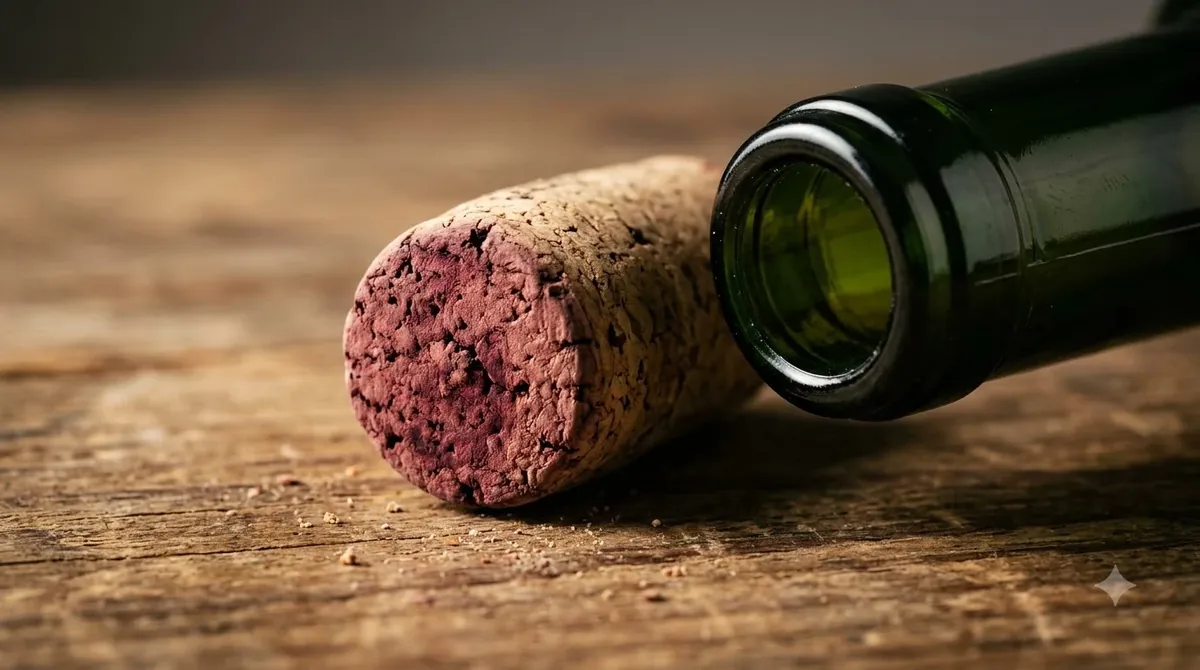
Residual sugar, commonly abbreviated as RS, measures the natural grape sugar remaining in wine after fermentation. Yeast converts grape sugars into alcohol and carbon dioxide during fermentation. When fermentation finishes with very little sugar remaining, the result is a dry wine. When fermentation stops earlier or the winemaker otherwise retains more sugar, the finished wine tastes sweeter.
For a practical comparison, consider the difference between 5 grams and 20 grams of residual sugar per liter. Both wines can have pronounced floral aromas, ripe fruit flavors, and a full texture, but the second contains four times as much residual sugar. That difference can become noticeable on the palate, particularly when tasting the wines side by side.
Producer information provides useful real-world examples. Famille Hugel’s Gewurztraminer Classic lists 11.2 grams of residual sugar per liter, alongside 14.8% alcohol and 4.19 grams per liter of tartaric acidity. Despite that measurable sugar, the producer describes the wine as dry but intensely aromatic.
Domaines Schlumberger’s Les Princes Abbés Gewurztraminer, by comparison, contains 19.6 grams per liter of residual sugar and 13% alcohol. Its technical information places it in the medium-sweet category. These examples demonstrate why the grape variety alone cannot establish how sweet a particular bottle will be.
Here is how different residual sugar levels translate into approximate quantities for a standard 5-ounce serving. The figures are calculated from the concentration in grams per liter and an approximately 148-milliliter serving.
| Residual sugar | General style | Sugar per 5 oz glass | Typical impression |
|---|---|---|---|
| 2 g/L | Very dry | 0.30 g | Little noticeable sweetness |
| 5 g/L | Dry | 0.74 g | Mostly fruit-driven |
| 9 g/L | Dry to lightly off-dry | 1.33 g | Subtle sweetness possible |
| 12 g/L | Off-dry | 1.78 g | Noticeable ripe-fruit impression |
| 20 g/L | Medium-sweet | 2.96 g | Clearer sweetness |
| 35 g/L | Sweet | 5.18 g | Rich and rounded |
| 60 g/L | Very sweet | 8.88 g | Pronounced dessert-wine character |
| 100 g/L | Dessert-style | 14.80 g | Concentrated sweetness |
These are practical comparison points rather than legally defined Gewürztraminer categories. Actual sweetness perception depends on several factors, including acidity, alcohol, temperature, and aromatic intensity. Two wines with identical residual sugar measurements can taste noticeably different.
The serving-size calculation is useful because a liter measurement can seem abstract. A wine containing 20 grams of residual sugar per liter has approximately 2.96 grams in a 5-ounce glass. A standard 750-milliliter bottle contains approximately 15 grams of residual sugar at that concentration.
Tip: To estimate sugar in your glass, multiply the residual sugar in grams per liter by 0.148 for a 5-ounce pour. For example, 15 g/L multiplied by 0.148 equals approximately 2.22 grams of residual sugar.
Dry, Off-Dry, and Sweet Gewurztraminer Styles
Gewurztraminer comes in several sweetness styles, from crisp, dry expressions to richly concentrated dessert wines. Dry and off-dry bottles are useful starting points for everyday drinking, while medium-sweet and late-harvest examples suit drinkers who prefer a more noticeable sugary finish.
Dry Gewurztraminer contains relatively little residual sugar. Berry Bros. & Rudd describes dry examples as containing approximately 0–9 grams per liter. These wines can still taste intensely fruity because lychee, rose, ginger, and tropical fruit aromas are naturally prominent in the variety. Dry versions often work particularly well with flavorful meals because their aromatic character adds complexity without making the overall combination excessively sweet.
Off-dry Gewurztraminer retains a modest amount of residual sugar. Berry Bros. & Rudd gives approximately 4–12 grams per liter as a common range for this style. It can feel rounder and softer than a completely dry wine, with ripe peach, orange, and lychee flavors taking center stage. The sugar may be noticeable, but it does not necessarily dominate the finish.
Medium-sweet Gewurztraminer has a more obvious sweet character. At around 15–30 grams per liter, a wine may develop a rounded palate with flavors reminiscent of ripe apricot, honey, candied citrus, and tropical fruit. Domaines Schlumberger’s example at 19.6 grams per liter illustrates this general style.
Sweet Gewurztraminer contains enough residual sugar to make sweetness an important part of its structure. These wines can have concentrated fruit flavors, a rich texture, and a lingering finish. Some are produced from especially ripe grapes, while others come from late-harvest selections or grapes affected by noble rot.
It is important not to treat these ranges as universal legal definitions. Wine terminology and sweetness classifications vary between countries, producers, and labeling systems. The figures above are practical tasting guides intended to help readers compare bottles rather than official boundaries that every producer must follow.
For a useful comparison, consider the difference between Gewurztraminer and other familiar varieties. Riesling sugar content also varies considerably, from very dry examples to intensely sweet wines. Both grapes can retain sugar, but their aromatic profiles and acidity create different drinking experiences.
Why Gewurztraminer Can Taste Sweet Even When It Is Dry
Gewurztraminer can taste sweeter than its measured residual sugar suggests because its natural aromas resemble ingredients commonly associated with sweetness. Lychee, rose petals, ripe mango, peach, honey-like notes, and candied citrus create a sweet impression even when fermentation has left relatively little sugar in the finished wine.
This distinction between actual sugar and perceived sweetness is important when selecting a bottle. Human taste perception does not respond to residual sugar in isolation. Smell, acidity, alcohol, temperature, and texture all influence how a wine feels on the palate.
Gewurztraminer is particularly aromatic because it contains naturally abundant terpene compounds. These aromatic substances contribute to its floral and fruity character. The combination of rose, jasmine, lychee, and sweet spices can make a dry wine seem almost dessert-like before the first sip.
Acidity also affects the experience. A wine with higher acidity can taste fresher and less sweet because its tartness balances the sugar. A wine with relatively modest acidity may feel rounder and richer at the same residual sugar concentration.
Alcohol contributes another layer. Many Gewurztraminer wines have relatively high alcohol levels, often around 13–15% ABV. Alcohol can create a warming sensation and contribute to a fuller mouthfeel, making the wine seem richer even when its sugar content is moderate.
For example, Famille Hugel’s Gewurztraminer Classic combines 11.2 grams per liter of residual sugar with 14.8% alcohol and 4.19 grams per liter of tartaric acidity. Its aromatic intensity and overall structure help explain why the producer describes it as dry despite the measurable residual sugar.
Temperature also changes how a wine is perceived. A very cold glass can suppress some aromas, while a slightly warmer glass can make floral and tropical-fruit characteristics more expressive. Serving Gewurztraminer too warm may emphasize its alcohol and fullness, while excessive chilling can hide much of its distinctive fragrance.
The best approach is to distinguish three separate characteristics:
- Residual sugar: The measurable quantity of sugar remaining after fermentation.
- Fruitiness: The aromas and flavors associated with grapes and other fruits, which may seem sweet without containing additional sugar.
- Perceived sweetness: The overall sensation created by sugar, acidity, alcohol, aroma, and texture.
These characteristics overlap, but they are not interchangeable. A wine can be intensely fruity, full-bodied, and aromatic without being particularly sweet. That is one of the reasons Gewurztraminer appeals to people who enjoy expressive white wines but do not necessarily want a dessert-style bottle.
How Climate, Ripeness, and Winemaking Affect Sugar
Gewurztraminer sugar levels begin with grape ripeness and continue to depend on decisions made in the winery. Growing conditions influence how much sugar develops in the grapes, while harvest timing and fermentation determine how much of that sugar remains in the finished wine.
Gewurztraminer is especially associated with Alsace, where warm growing conditions and relatively dry autumn weather can help grapes achieve substantial ripeness. The region’s vineyards benefit from protection provided by the Vosges Mountains, which helps create favorable conditions for slow grape maturation.
As grapes ripen, their sugar concentration generally increases. Harvesting earlier can preserve a fresher, less concentrated profile, while allowing grapes to remain on the vine longer can produce more concentrated fruit. The winemaker then determines how fermentation proceeds and how much residual sugar remains in the final wine.
Fermentation and sweetness decisions
During alcoholic fermentation, yeast consumes glucose and fructose and converts them into alcohol and carbon dioxide. If fermentation continues until most fermentable sugar has been consumed, the wine will generally finish dry. If fermentation is stopped while appreciable sugar remains, the finished wine can retain a sweeter character.
Winemakers also consider the wine’s intended style, acidity, alcohol, and overall balance. A producer making a fragrant table wine may aim for a relatively dry finish, while another may prefer a softer, sweeter expression that complements the grape’s naturally rich fruit profile.
There is no requirement that all Gewurztraminer from one region must have the same residual sugar level. Differences between vineyards, harvest conditions, fermentation practices, and producer preferences can result in substantially different wines from the same grape variety.
Late-harvest grapes and noble rot
Alsace has two particularly important designations for concentrated sweet wines: Vendanges Tardives and Sélection de Grains Nobles. Both are associated with specially selected, very ripe grapes, but they represent different approaches to concentration and selection.
Vendanges Tardives translates to late harvest. These wines are produced from grapes picked later than the normal harvest period, allowing additional ripening and concentration. The official Alsace wine organization identifies Gewurztraminer as one of the varieties permitted for this designation.
Sélection de Grains Nobles refers to the selection of individual berries affected by noble rot, also known as Botrytis cinerea. This fungus can encourage water loss from grapes, concentrating sugar and aromatic compounds. The resulting wines can be exceptionally rich, with concentrated fruit, honeyed characteristics, and a long finish.
According to the Alsace wine organization, Vendanges Tardives and Sélection de Grains Nobles wines require at least 18 months of maturation before they can be marketed. These are special categories rather than descriptions of ordinary dry or off-dry Gewurztraminer.
Importantly, a higher sugar concentration in harvested grapes does not automatically mean the finished wine will have the same amount of residual sugar. Fermentation can still consume a portion of the available sugar. The finished wine’s residual sugar and the grape must’s original sugar concentration are two different measurements.
For readers interested in the official regional requirements and production distinctions, the official Alsace wine organization publication provides additional information about the region’s late-harvest and noble-rot wines.
How to Read Gewurztraminer Labels and Choose a Sweetness Level
Choosing Gewurztraminer becomes easier when you understand the language used on wine labels and producer descriptions. Terms such as dry, off-dry, medium-sweet, Vendanges Tardives, and Sélection de Grains Nobles can help identify the intended style before opening the bottle.
The most straightforward starting point is the producer’s sweetness classification or technical information. Some wineries publish residual sugar in grams per liter, while others provide a tasting scale indicating whether the wine is dry, medium-dry, medium-sweet, or sweet.
These details are particularly helpful because the grape’s natural aromas can make a dry wine smell considerably sweeter than it actually is. A bottle describing lychee, honey, candied orange, or tropical fruit is not necessarily a sweet wine.
For example, Domaines Schlumberger places its Les Princes Abbés Gewurztraminer in the medium-sweet category and lists 19.6 grams of residual sugar per liter. Famille Hugel describes its Classic bottling as dry but intensely aromatic, despite its listed 11.2 grams per liter.
These examples show why relying on a single tasting note can be misleading. A description emphasizing floral aromas and ripe fruit tells you about the wine’s flavor profile, not necessarily its measurable sugar concentration.
Understanding common label descriptions
- Dry: A wine with little noticeable sweetness, even if its fruit aromas are pronounced.
- Off-dry: A wine with some residual sugar that may create a softer, rounder impression.
- Medium-dry: A wine with a more apparent sweet character than a typical dry expression.
- Medium-sweet: A wine where residual sugar contributes clearly to the overall taste.
- Sweet: A wine with pronounced sweetness, often accompanied by ripe or concentrated fruit flavors.
- Vendanges Tardives: An Alsace designation for wines made from specially ripe, late-harvest grapes.
- Sélection de Grains Nobles: An Alsace designation for wines made from carefully selected berries affected by noble rot.
Not every producer uses exactly the same descriptive terminology, so these words should be understood as general style indicators rather than interchangeable legal categories. The presence of a late-harvest designation is a stronger clue that the wine belongs to a concentrated, sweeter category than a simple reference to tropical fruit aromas.
It is also useful to compare Gewurztraminer with other wines you already enjoy. People who prefer softer, fruit-forward reds may find the contrast with Merlot sugar content interesting. Merlot is usually a dry red wine with fruit flavors and tannin, while Gewurztraminer is an aromatic white wine that may contain noticeable residual sugar.
Likewise, people interested in concentrated dessert wines can compare Gewurztraminer with Port sugar content. Port is a fortified wine with a different production method and generally a much richer sweetness profile than ordinary table-style Gewurztraminer.
For readers comparing additional grape varieties and wine styles, the Wine by Type resource provides a useful starting point for understanding how different varieties and production methods influence a bottle’s character.
Food Pairings, Serving Temperature, and Storage
Gewurztraminer pairs especially well with flavorful dishes, aromatic spices, and foods that complement its floral and tropical-fruit character. The ideal pairing depends partly on residual sugar: dry and off-dry bottles suit a broad range of savory dishes, while sweeter versions work particularly well with spicy food and fruit-based desserts.
Asian cuisine is one of the classic partners for Gewurztraminer. Thai curries, Vietnamese dishes with ginger, Chinese preparations with five-spice seasoning, and aromatic Indian meals can complement its fragrant character. A slightly sweet wine can also balance the heat and seasoning of certain dishes.
Spicy food requires some attention, however. Alcohol can make chili heat feel more intense, and a high-alcohol Gewurztraminer may emphasize that sensation. A moderately sweet example can offer a more comfortable balance, particularly when the dish has strong chili seasoning.
Pairing by sweetness level
Dry Gewurztraminer: Try it with roast chicken, pork, smoked salmon, flavorful seafood, and dishes containing ginger or aromatic herbs. Its fragrance can complement richly seasoned food without introducing substantial sweetness.
Off-dry Gewurztraminer: Consider Thai green curry, spicy noodles, glazed pork, Vietnamese caramelized dishes, and moderately spicy stir-fries. A little residual sugar can soften the overall impression of spice.
Medium-sweet Gewurztraminer: Pair it with Indian curry, five-spice roast duck, strong cheeses, and dishes with fruit-based sauces. The sweetness can balance savory intensity while matching the wine’s ripe-fruit character.
Sweet Gewurztraminer: Serve it with fruit tarts, apricot desserts, ripe peaches, and selected blue or washed-rind cheeses. The wine should be at least as sweet as the dessert so that the food does not make it taste sour or thin.
Cheese is another particularly suitable partner. Munster, a traditional Alsace cheese, is an especially familiar match for aromatic Gewurztraminer. Strong washed-rind cheeses can complement the wine’s floral and spicy notes, while sweeter examples can work with richer, more concentrated cheeses.
Fish dishes can also work well, especially when prepared with fruit, ginger, or aromatic sauces. Smoked salmon is a traditional option. For delicate fish, a dry or off-dry example is often a better choice than a heavily sweet dessert-style bottle.
Serving temperature
Serving temperature influences both aroma and sweetness perception. A practical target for Gewurztraminer is approximately 45–50°F for lighter or off-dry bottles, while fuller-bodied or richer examples can be served around 50–55°F.
Do not serve the wine so cold that its aromas disappear. Gewurztraminer’s defining qualities include rose petals, lychee, ginger, and tropical fruit, and these characteristics become easier to recognize when the wine has had a little time to warm in the glass.
A standard 5-ounce pour provides enough space to appreciate the wine’s aromas without filling the glass excessively. A 750-milliliter bottle supplies approximately five standard glasses.
Storage after opening
Opened Gewurztraminer should be resealed and stored in the refrigerator. Most still wines retain their best character for approximately three to five days after opening, although aromatic intensity may gradually decline.
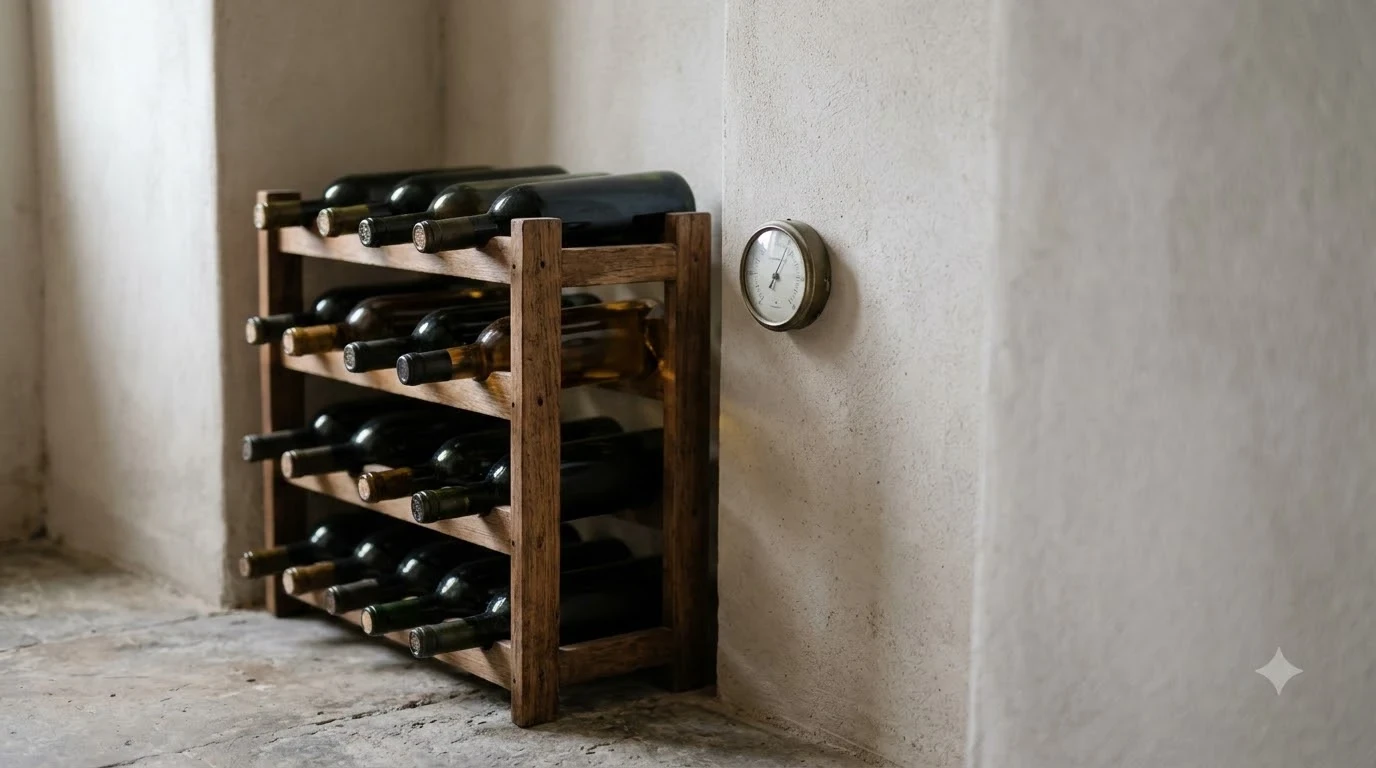
For unopened bottles, store the wine away from direct sunlight and major temperature fluctuations. A cool storage environment near 55°F is a useful target, and bottles with natural cork closures are generally stored on their sides. Sweet, concentrated late-harvest examples may have additional aging potential, depending on their acidity, structure, and production method.
The most important pairing principle is balance. A wine should not be dramatically sweeter than necessary for a savory meal, and a dessert wine should have enough sweetness to match the food. With the right combination, Gewurztraminer’s aromatic richness becomes an asset rather than a distraction.
Frequently Asked Questions
Does Gewurztraminer contain more sugar than Chardonnay?
Not necessarily. Both varieties can be made in dry or sweeter styles, depending on fermentation and production choices. Chardonnay is frequently produced as a dry wine, while Gewurztraminer is often associated with more noticeable residual sweetness. The grape name alone cannot establish which bottle contains more sugar.
Does Gewurztraminer have more calories than other white wines?
Calorie content depends on both alcohol and residual sugar, rather than grape variety alone. For example, Domaines Schlumberger lists 83.70 kilocalories per 100 milliliters for its Les Princes Abbés Gewurztraminer. Other bottles may differ because their alcohol concentration and remaining sugar are not identical.
Can Gewurztraminer be made into sparkling wine?
Yes. Gewurztraminer can be used in sparkling wine production, although still wines are more familiar examples of the variety. Sparkling versions can display floral and tropical-fruit aromas alongside their bubbles, with sweetness depending on the winemaking method and final dosage.
What does the umlaut in Gewürztraminer mean?
The two dots above the letter u are called an umlaut in German. The grape is commonly written as Gewurztraminer without the umlaut in English-language wine labeling and international wine descriptions. Both spellings refer to the same grape variety.
Can an older Gewurztraminer become less sweet in the bottle?
Residual sugar does not simply disappear as a still wine ages in a sealed bottle. However, changes in aroma, acidity perception, and texture can make the wine seem less sweet or more integrated over time. The original residual sugar remains an important part of its composition.
Gewurztraminer offers a much wider range of sweetness than its intensely fruity reputation might suggest. From relatively dry bottles with fragrant floral aromas to concentrated Alsace late-harvest wines, there is a style for many different preferences and occasions. Understanding residual sugar, checking producer descriptions, and matching sweetness with food will help you choose a bottle with the character you actually want.
More in Wine Types & Grapes
 What Does Ruby Port Taste Like? Flavor Notes, Styles, and Serving TipsUpdated Nov 21, 2026
 What Does Ribolla Gialla Taste Like? Crisp White and Amber Styles ExplainedUpdated Nov 21, 2026
 What Does Semillon Taste Like? Flavor Profile, Styles & PairingsUpdated Nov 21, 2026
 What Does Scuppernong Taste Like? Flavor, Styles, and Pairing GuideUpdated Nov 21, 2026
 What Does Saperavi Taste Like? Flavors, Styles, and Pairing GuideUpdated Nov 21, 2026
 What Does Natural Wine Taste Like? Flavors, Styles, and Serving TipsUpdated Nov 21, 2026