

We may earn a commission when you buy through links on this page, at no extra cost to you. Learn more.
Gewurztraminer wine is an aromatic white known for lychee, rose and ginger, and it ranges from bone-dry to clearly sweet. Most bottles taste richer and sweeter than they really are, because the strong fragrance suggests sugar even when the wine is dry. It is served well chilled and pairs especially well with spicy, aromatic and strong-flavored foods.
This guide covers what gewurztraminer wine tastes like, how to read the sweetness level on a label, where the best bottles come from, and how to serve and pair the wine. It focuses on the wine itself, so if you want the grape’s history and growing details, see the companion article on the gewurztraminer grape.
What Gewurztraminer Wine Tastes Like
Gewurztraminer is one of the most recognizable white wines on the shelf. Its aroma is the first thing most people notice, with lychee and rose at the front, followed by grapefruit, tangerine, orange blossom and ginger. Those aromas come from natural compounds in the grape. Linalool drives the lychee character and geraniol contributes the rose note. Many drinkers find the scent almost floral and perfumed, which is why the wine is often described as exotic.
On the palate, the wine usually feels medium to full in body, and some examples have a slightly oily richness. Acidity is moderate to low compared with a crisp riesling, so the wine feels round rather than sharp. Alcohol typically falls between about 13.5 and 15 percent. Because the fragrance is so strong, the wine can taste sweeter than its sugar level, which is a useful thing to remember when you read a label.
How to Read the Sweetness Level
Gewurztraminer is made in a wide range of sweetness levels, and the label is the best guide to what is in the glass. Wine Folly’s gewurztraminer guide describes the main styles as dry, off-dry and sweet, and notes that many bottles are dry with little or no sugar even though they smell sweet. Alsace bottlings, including the region’s Grand Cru wines, are usually dry to off-dry. Late-harvest styles, called Vendanges Tardives in Alsace, are off-dry to sweet. The richest and sweetest examples, Sélections de Grains Nobles, are made from grapes affected by noble rot, a fungus that concentrates sugar.
| Style | What it tastes like | Where you will often find it |
|---|---|---|
| Dry | Spicy, floral and textured, with little or no sugar | Alsace, Italy’s Alto Adige, and many new-world bottlings |
| Off-dry | Lychee and rose with a touch of sweetness that balances the spice | Most Alsace bottlings and many single-vineyard wines |
| Sweet (late harvest or noble rot) | Honey, dried apricot and dessert-like richness | Vendanges Tardives and Sélections de Grains Nobles from Alsace |
For everyday drinking, an off-dry Alsace bottle is the most reliable choice, since it shows the varietal character without becoming cloying. Dry examples suit people who want the aroma with less sweetness at the table. Sweet bottles are better as a dessert or a sipping wine after dinner, and a small pour goes a long way.
Where Gewurztraminer Is Made
The wine is most closely associated with Alsace in northeastern France, which holds more than a quarter of the world’s plantings. Alsace bottles are often labeled with the grape name, and the best of them come from named Grand Cru vineyards with distinct soils and exposures. Italy’s Alto Adige region is also an important source, and the grape is grown in Germany, the United States and Moldova. Wine Folly’s planting figures show that France, Italy, Moldova, the United States and Germany hold most of the world’s vineyard area, with Alsace holding the largest share in France.
The grape’s exact origin is debated, but many growers trace its roots to the Italian town of Tramin in Alto Adige. If you want a bottle that shows the classic style, look for an Alsace label first, then compare with an Italian or American example to see how climate changes the flavor.
How to Serve Gewurztraminer Wine
Serve gewurztraminer chilled, at about 38 to 45 degrees Fahrenheit, according to Wine Folly. Serving it too cold can mute the aroma, while a bottle that sits too warm can make the wine taste heavy and overly perfumed. Pour it into a white wine glass, and do not decant the wine. Most bottles are meant to be drunk young, so there is no need to cellar an everyday bottle for long.
Open the bottle close to the time you plan to serve it. The aroma is one of the wine’s main pleasures, and a bottle left open for several days loses the fresh lychee and rose character. Richer Grand Cru and late-harvest bottles can keep for longer, and a few top examples develop honey and dried fruit notes with several years of age.
Food Pairings for Gewurztraminer
Gewurztraminer is one of the most food-friendly white wines because its aroma and mild sweetness match bold flavors. Off-dry styles are the classic partner for spicy dishes, since the touch of sugar softens chili heat while the fragrance keeps the wine lively. Thai and other Southeast Asian dishes with sweet, sour and spicy sauces are a natural match, and so are many Indian and Moroccan spice blends.
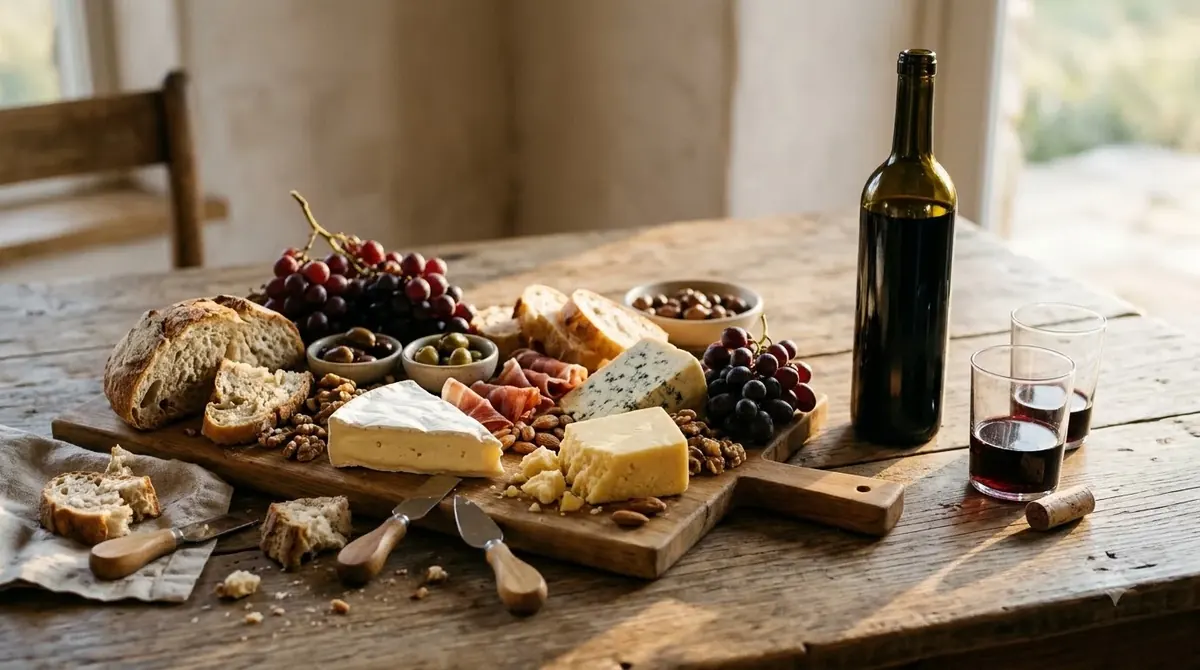
Strong-smelling cheeses are another good match. Munster from Alsace and Gorgonzola both pair well, because the wine’s richness stands up to their intensity. For richer, more powerful bottlings, try roast pork with apple, a creamy curry, or a fragrant tagine. Dry styles work better with lighter dishes such as seafood, chicken with herbs, and fresh salads with citrus. Sweet bottles are best with fruit desserts, and aromatic desserts such as mango sorbet or baklava with rose water are classic partners.
How to Choose a Good Bottle
Start with the region and the sweetness level. An Alsace label tells you the wine will likely be dry to off-dry, and a Grand Cru designation signals a more serious wine with more structure. Read the back label for the word dry or off-dry, and check the vintage date. Most everyday gewurztraminer is best within a few years of release, so a recent bottle usually tastes freshest.
If you want a light, fruity white with less spice, a moscato wine may be a better fit, though it is sweeter and less aromatic. For a drier red to compare with a rich white, a cabernet sauvignon wine offers a very different structure. To see how gewurztraminer compares with other white and red styles, the Wine by Type guide is a helpful next step.
Frequently Asked Questions
Is gewurztraminer wine always sweet?
No. Many gewurztraminer wines are dry, especially those from Alsace Grand Cru vineyards and many new-world producers. The wine smells sweet because of its lychee and rose aromas, so the sugar level can be lower than it seems. Check the label or ask a shop staff member for the sweetness level.
What does gewurztraminer taste like?
Most people describe lychee and rose first, followed by grapefruit, tangerine, ginger and orange blossom. The body is usually medium to full, with moderate to low acidity and a round, slightly oily texture.
Can gewurztraminer be aged?
Most bottles are meant to be drunk young, usually within a few years of the vintage. Top Alsace Grand Cru and sweet late-harvest wines can age longer and develop honey and dried fruit notes.
What is the best food to serve with gewurztraminer?
Spicy Thai or Indian dishes, roast pork with apple and strong cheeses such as Munster are classic choices. Off-dry styles handle heat well, while dry styles suit lighter seafood and salads.
Gewurztraminer rewards a little attention to the label. Pick an off-dry Alsace bottle to start, serve it well chilled, and match it with spicy or aromatic food. Once you know the style, you can explore dry and sweet versions to find the level you enjoy most.
More in Wine Types & Grapes
 Zinfandel Sugar Content: Dry Red vs. White Zinfandel GramsUpdated Nov 21, 2026
 Best Zinfandel Substitute Options for Sipping and CookingUpdated Nov 21, 2026
 Zweigelt Food Pairing: Best Dishes, Cheeses, and Serving TipsUpdated Nov 21, 2026
 Zinfandel Tannins Explained: How Structure Shapes Every BottleUpdated Nov 21, 2026
 Zinfandel Sweetness Level: Dry Red vs. Sweet White Zin ExplainedUpdated Nov 21, 2026
 Xinomavro Food Pairing: Best Dishes, Styles, and Serving TipsUpdated Nov 21, 2026