

We may earn a commission when you buy through links on this page, at no extra cost to you. Learn more.
Riesling sugar content ranges from virtually zero residual sugar in dry wines to more than 100 grams per liter in intensely sweet dessert styles. Most Rieslings fall somewhere between dry, off-dry, medium-sweet, and sweet, depending on how fermentation is managed. The grape’s naturally high acidity balances its sweetness, so a Riesling with noticeable residual sugar can still taste crisp and refreshing rather than sugary.
Riesling has a reputation for being sweet, but that reputation only tells part of the story. This versatile white grape produces some of the world’s driest aromatic wines alongside richly sweet German specialties and concentrated ice wines. Understanding residual sugar, acidity, alcohol levels, and label terminology makes it much easier to choose a bottle that matches your preferences. Whether you enjoy a crisp Australian Riesling or a honeyed Mosel dessert wine, the differences become clearer once you know what to look for.
How Much Sugar Is in Riesling?
Riesling generally contains between 0 and well over 100 grams of residual sugar per liter, depending on its production style. Dry versions contain very little remaining sugar, while off-dry and dessert versions retain progressively larger amounts after fermentation.
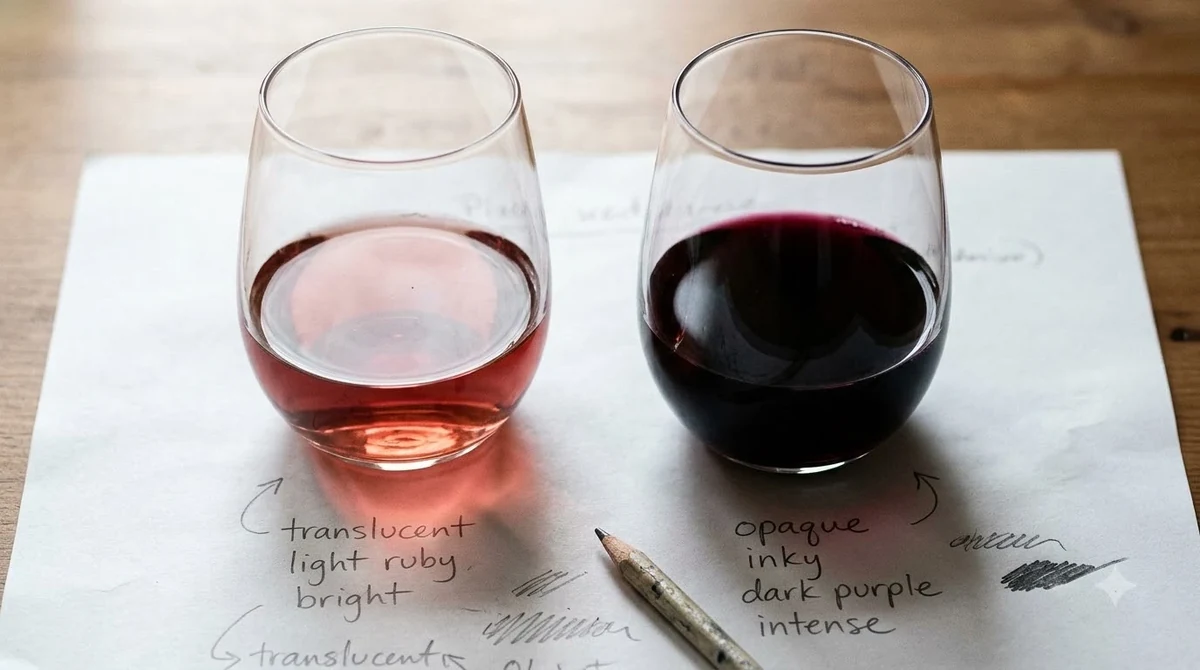
Residual sugar, commonly abbreviated as RS, measures the natural grape sugar remaining in finished wine. During fermentation, yeast consumes glucose and fructose and converts them into alcohol and carbon dioxide. When fermentation finishes naturally, most available sugar may have been converted. When a winemaker stops fermentation earlier, some sugar remains in the wine.
The following ranges provide a practical way to understand Riesling sweetness. They are general tasting categories rather than universal legal definitions, and regional labeling rules can differ.
| Riesling style | Residual sugar | Typical impression |
|---|---|---|
| Dry | 0–9 g/L | Crisp, refreshing, little perceived sweetness |
| Off-dry | 9–18 g/L | Light sweetness with bright acidity |
| Medium-sweet | 18–45 g/L | Noticeably fruity and sweet |
| Sweet | 45–100 g/L | Rich, honeyed, and clearly sweet |
| Very sweet dessert wine | Above 100 g/L | Concentrated, luscious, and dessert-like |
These numbers describe sugar concentration, not the total amount of sugar in an entire bottle. A liter contains 1,000 milliliters, so a wine with 10 g/L of residual sugar contains approximately 7.5 grams in a standard 750-milliliter bottle. A 5-ounce serving contains approximately 1.48 grams of residual sugar at that concentration.
For another perspective, consider a Riesling containing 40 g/L. A standard 5-ounce serving contains approximately 5.9 grams of residual sugar. That is substantially more than a dry Riesling, but the wine may still taste balanced because of its acidity.
The important distinction is that sugar concentration and perceived sweetness are related but not identical. Two Rieslings with the same residual sugar can taste noticeably different because their acidity, alcohol, fruit ripeness, and overall structure differ.
How Acidity Changes the Taste of Riesling
Riesling’s naturally high acidity is the main reason its sweeter styles can remain refreshing. It provides contrast to residual sugar, creating a balance that makes the wine taste brighter and less heavy than its sugar concentration might suggest.
Think about the difference between lemonade and sugar syrup. Both can contain substantial sugar, but lemon juice contributes acidity that changes the overall impression. Riesling works similarly. Its citrus-like freshness offsets sweetness and helps maintain a clean finish.
This is particularly important when comparing two bottles with different residual sugar levels. A Riesling with 25 g/L may taste moderately sweet if its acidity is pronounced. Another wine containing 25 g/L may taste sweeter if its acidity is lower or its fruit profile is particularly ripe.
Acidity also contributes to Riesling’s versatility at the dinner table. Dry versions can accompany seafood, vegetables, and delicate poultry, while off-dry versions can handle dishes with chili, ginger, and aromatic spices. The wine’s acidity refreshes the palate between bites.
Why residual sugar alone is not enough
Consider three hypothetical Rieslings with different sugar and acidity levels:
- Wine A: 5 g/L residual sugar and 6 g/L acidity. It should taste crisp and predominantly dry.
- Wine B: 20 g/L residual sugar and 8 g/L acidity. It may taste gently sweet, with a refreshing finish.
- Wine C: 40 g/L residual sugar and 6 g/L acidity. It should have a more obvious sweet character.
These examples illustrate why sweetness is a matter of balance rather than a single measurement. Actual perception also depends on wine temperature, fruit intensity, and individual sensitivity to sweetness.
The International Riesling Foundation’s Taste Profile system addresses this issue by using more than a simple residual sugar figure to communicate perceived sweetness. Some producers include its dry-to-sweet scale on the back label, making it useful when comparing unfamiliar bottles.
Tip: If you enjoy the fruit flavors of Riesling but dislike sugary finishes, start with a dry bottle from Australia’s Clare Valley or Eden Valley. If you prefer a little sweetness, look for an off-dry style with pronounced citrus acidity.
Dry, Off-Dry, Medium-Sweet, and Sweet Riesling Explained
Riesling’s four main sweetness categories offer different drinking experiences, from sharp citrus freshness to rich dessert-wine intensity. Understanding these styles helps you select a bottle according to your palate rather than relying on the grape name alone.
Dry Riesling contains little residual sugar, generally between 0 and 9 g/L under the practical classification used here. It often displays lemon, lime, green apple, white flowers, and mineral characteristics. Its crisp acidity makes it a natural choice for drinkers who prefer Sauvignon Blanc or other refreshing white wines.
Off-dry Riesling retains a modest amount of natural sweetness, generally around 9–18 g/L. The sugar softens the wine’s acidity without necessarily making it taste like dessert. Peach, pear, citrus, and floral aromas are common. This is an especially useful style for people who want a little sweetness without a heavy finish.
Medium-sweet Riesling usually falls between 18 and 45 g/L. Its sweetness is more obvious, often accompanied by ripe peach, apricot, honey, and citrus blossom flavors. Strong acidity prevents the wine from becoming excessively heavy.
Sweet Riesling generally contains at least 45 g/L. Depending on the wine’s origin and production method, it can offer tropical fruit, marmalade, baked pear, honey, and dried apricot characteristics. The most concentrated examples can exceed 100 g/L and work particularly well as dessert wines.
Which style should you choose?
If you normally drink dry white wine, begin with a dry Riesling. It offers the grape’s characteristic fragrance and acidity without much residual sweetness. If you find very dry whites too sharp, off-dry Riesling provides a softer middle ground.
Medium-sweet Riesling is a good option if you enjoy noticeable fruit sweetness but still want refreshing acidity. Full sweet Riesling is better suited to dessert courses, cheese pairings, or slow sipping after dinner.
The difference between these categories is not simply how much sugar the wine contains. Fermentation decisions, grape ripeness, growing conditions, and acidity all contribute to the final style.
German Riesling Labels and Their Sugar Levels
German Riesling labels provide some of the most useful clues about grape ripeness and sweetness, but two separate classification systems must be understood. Terms such as Trocken and Halbtrocken describe finished-wine sweetness, while Kabinett, Spätlese, and Auslese describe grape ripeness at harvest.

Trocken means dry. Under German labeling rules, a Trocken wine generally contains no more than 4 g/L residual sugar, with an allowance up to 9 g/L when the sugar does not exceed total acidity by more than 2 g/L.
Halbtrocken means medium-dry. It generally allows 4–12 g/L residual sugar, with an upper allowance of 18 g/L when the applicable acidity condition is satisfied. These wines usually offer a gentle sweetness balanced by fresh acidity.
Feinherb is another term commonly encountered on German Riesling labels. It is not a formally defined legal sweetness category, but producers often use it to describe an off-dry or gently sweet style.
Other important German terms relate to harvest ripeness rather than the precise sweetness of the finished wine.
Understanding the Prädikat categories
Kabinett refers to wines made from grapes harvested at relatively early ripeness. These wines are often light-bodied, aromatic, and refreshing, with green apple, citrus, and floral characteristics. Some retain residual sugar, while others are fermented dry and labeled Kabinett trocken.
Spätlese means late harvest. The grapes remain on the vine longer, allowing them to develop greater ripeness and more concentrated flavors. The finished wines can be dry, off-dry, or sweet depending on fermentation choices.
Auslese means selected harvest. Particularly ripe grape bunches are selected, often producing wines with concentrated peach, apricot, pineapple, and honey characteristics. Many examples are sweet, although the designation itself does not guarantee a specific residual sugar level.
At the highest levels of sweetness, German producers also make Beerenauslese and Trockenbeerenauslese. These wines use highly concentrated grapes, often affected by beneficial botrytis, also known as noble rot. The resulting wines can contain substantial residual sugar and display intense dried-fruit and marmalade aromas.
Eiswein is another distinctive dessert style. Grapes remain on the vine until freezing conditions allow them to be harvested and pressed while frozen. Water remains as ice during pressing, concentrating the juice’s sugar, acidity, and flavor.
For a broader explanation of grape varieties and their different production styles, explore our guide to Wine by Type.
How Riesling Sugar Content Varies by Region
Riesling sweetness differs considerably between Germany, Australia, France, and the United States. Climate, grape ripeness, regional winemaking traditions, and consumer preferences all influence whether a producer chooses to make a dry, off-dry, or sweet wine.
Germany is particularly associated with the full range of Riesling sweetness. The Mosel Valley is famous for aromatic wines with lively acidity, including lightly sweet Kabinett and richer Spätlese bottlings. The Rheingau also produces excellent Riesling, including both dry and sweeter expressions.
Australia is especially known for crisp, dry Riesling. The Clare Valley and Eden Valley in South Australia produce wines with pronounced citrus flavors, refreshing acidity, and restrained residual sugar. Wine Australia’s educational materials describe dry Australian Riesling as generally containing less than 5 g/L residual sugar, with alcohol levels typically at 11% ABV or higher.
Alsace, France is another important Riesling-producing region. Its wines frequently emphasize dry styles, with citrus, stone fruit, and mineral characteristics. The region also produces sweeter late-harvest wines, so the grape variety and place name alone do not establish the finished wine’s sweetness.
Washington State and the Finger Lakes are important American Riesling sources. Both regions produce dry, off-dry, and sweeter examples. Their wines demonstrate how the same grape can adapt to different growing conditions and winemaking preferences.
These regional differences are useful starting points when choosing a bottle. However, they should not be treated as absolute rules. A German Riesling can be bone-dry, and an Australian producer can make a sweet late-harvest wine.
Alcohol percentage as a practical clue
Alcohol content can offer another indication of sweetness. During fermentation, yeast converts grape sugar into alcohol. If more sugar is fermented, the wine generally develops more alcohol and less residual sugar.
According to the Wine & Spirit Education Trust, German Riesling above 12% ABV is likely to be dry, while wines below that level may retain some sweetness. This is a useful shortcut rather than a guarantee.
For example, a German Riesling at 8% ABV may be off-dry or sweet, while a dry Australian Riesling at 12.5% ABV may contain very little residual sugar. Grape ripeness and winemaking decisions determine the final result.
For more information about Australia’s distinctive dry Riesling tradition, see Wine Australia’s Riesling educational guide.
How to Choose and Serve Riesling
The best Riesling depends on how much sweetness you enjoy, what food you plan to serve, and whether you prefer a crisp or rounded white wine. Selecting the right style becomes easier when you combine label terminology, alcohol percentage, and food pairing considerations.
If you dislike sweet wine, start with a bottle labeled Trocken or a dry Australian Riesling. These styles emphasize citrus, green apple, floral aromas, and refreshing acidity. They are particularly suitable for seafood, grilled fish, chicken, and fresh vegetables.
If you prefer a little sweetness, look for Halbtrocken or Feinherb. These wines are versatile at the dinner table because their residual sugar can soften spicy flavors without overwhelming savory dishes.
For a sweeter experience, choose a medium-sweet Spätlese or an Auslese. These wines offer more concentrated fruit and work particularly well with aromatic cheeses, glazed poultry, and fruit-based desserts.
Food pairing by sweetness level
Riesling’s high acidity and broad sweetness range make it a particularly flexible food wine. The most important pairing principle is to match the wine’s sweetness to the food’s sweetness and intensity.
- Dry Riesling: Pair with grilled shrimp, oysters, roasted chicken, fresh salads, and lightly seasoned white fish.
- Off-dry Riesling: Serve with Thai curry, Sichuan dishes, spicy noodles, ginger chicken, and mildly spicy Indian food.
- Medium-sweet Riesling: Match with creamy cheeses, glazed pork, aromatic dishes, and mildly sweet sauces.
- Sweet Riesling: Pair with fruit tarts, peach desserts, blue cheese, and other rich or sweet dishes.
- Very sweet dessert Riesling: Serve with fruit-forward pastries or enjoy in smaller pours after dinner.
There are a few useful principles to remember. The wine should be at least as sweet as the dessert, or the wine may taste overly acidic and thin. Foods with pronounced acidity also need a wine with equal or higher acidity. Chili heat can become more noticeable with higher-alcohol wines, so an aromatic, lower-alcohol off-dry Riesling is often a better choice than a powerful dry white.
For a different style of sweet wine, compare Riesling with our explanations of Merlot sugar content, Port sugar content, and rosé sugar content. These wines have different grape varieties and production methods, which create very different sweetness profiles.
Serving temperature and storage
Temperature affects how Riesling’s sweetness, acidity, and aromas are perceived. Serve dry and off-dry Riesling at approximately 45–50 degrees Fahrenheit. Sweet dessert Riesling is also enjoyable slightly chilled, generally around 43–50 degrees Fahrenheit.
A wine that is too warm can seem heavier and more alcoholic, while excessive chilling can make its aromas difficult to appreciate. Allow a very cold bottle to warm slightly in the glass so its fruit and floral characteristics become more apparent.
Use standard 5-ounce pours when serving Riesling. A 750-milliliter bottle provides approximately five glasses, making it convenient for a small dinner gathering or a tasting comparing different sweetness levels.
Store unopened bottles on their sides in a cool, dark place near 55 degrees Fahrenheit. Avoid repeated temperature changes and direct sunlight. Well-made Riesling, particularly high-acidity German examples, can develop additional complexity with bottle aging.
Frequently Asked Questions
Does Riesling contain more sugar than Chardonnay?
Not necessarily. Both grapes can produce dry wines with very little residual sugar, and both can also be made in sweeter styles. The winemaker’s fermentation choices have a greater influence on finished sugar levels than the grape variety alone. Chardonnay is generally associated with dry styles, while Riesling has a more established reputation across the entire sweetness spectrum.
Does Riesling contain fructose and glucose?
Yes. The two principal natural sugars in grape juice are glucose and fructose. Yeast consumes both during alcoholic fermentation, although their relative proportions change as fermentation progresses. Any remaining amounts contribute to the wine’s residual sugar and perceived sweetness.
Does sparkling Riesling have the same sweetness categories as still Riesling?
Sparkling Riesling has its own sweetness terminology, and its sugar levels are affected by the dosage added during production. Terms such as Brut Nature, Extra Brut, Brut, and Demi-Sec communicate sweetness categories for sparkling wines. These terms should not be confused with German still-wine designations such as Trocken and Halbtrocken.
Does Riesling have to be made from late-harvest grapes?
No. Riesling is harvested at different stages of ripeness depending on the intended wine style. Dry table wines are commonly made from grapes harvested at suitable ripeness for fermentation to dryness. Late harvesting is one option for creating riper, more concentrated styles, but it is not required for ordinary Riesling production.
Can Riesling be made using grapes affected by noble rot?
Yes. Botrytis cinerea can develop under suitable vineyard conditions and concentrate grape sugars, acids, and flavors through dehydration. German Beerenauslese and Trockenbeerenauslese are notable examples of wines made using botrytis-affected grapes. These wines are particularly prized for their concentrated aromas and distinctive honeyed character.
Riesling offers one of the widest sweetness ranges of any white wine grape, from crisp, completely dry expressions to intensely concentrated dessert wines. Understanding residual sugar, acidity, German labeling terms, and regional styles makes choosing the right bottle much easier. Start with dry or off-dry Riesling if you prefer refreshing white wines, and explore sweeter styles when you want a richer pairing for cheese or dessert.
More in Wine Types & Grapes
 Zinfandel Sugar Content: Dry Red vs. White Zinfandel GramsUpdated Nov 21, 2026
 Best Zinfandel Substitute Options for Sipping and CookingUpdated Nov 21, 2026
 Zweigelt Food Pairing: Best Dishes, Cheeses, and Serving TipsUpdated Nov 21, 2026
 Zinfandel Tannins Explained: How Structure Shapes Every BottleUpdated Nov 21, 2026
 Zinfandel Sweetness Level: Dry Red vs. Sweet White Zin ExplainedUpdated Nov 21, 2026
 Xinomavro Food Pairing: Best Dishes, Styles, and Serving TipsUpdated Nov 21, 2026