

We may earn a commission when you buy through links on this page, at no extra cost to you. Learn more.
The rose sugar content in most bottles is low because most rosé wines are fermented dry, leaving little residual sugar in the finished bottle. A dry rosé commonly contains around 0–4 grams of sugar per liter (g/L), while off-dry, medium-sweet, and sweet styles retain progressively more. Pink color, strawberry aromas, and a ripe-fruit flavor do not automatically mean a wine contains much sugar; fermentation and acidity are better guides.
Rosé ranges from crisp and bone-dry to softly sweet, so the useful question is not whether pink wine is sweet, but how much residual sugar remains in the particular style. Understanding grams per liter, regional patterns, and label clues makes it easier to choose a bottle that suits your palate and the food on the table.
How Much Sugar Is in Rosé Wine?
Most still rosé is dry and contains only a small amount of residual sugar, often no more than a few grams per liter. Sweet rosé exists, but it is a distinct style rather than the default for pink wine.
Residual sugar (often shortened to RS) is the glucose and fructose left in wine after fermentation. It is measured in grams per liter, not as a percentage of the bottle. A figure of 4 g/L means four grams of sugar in a full liter of wine; it does not mean four grams in each glass.
The following bands are a practical tasting guide for still rosé. They help compare bottles, but they are not a universal legal label scale: rules differ by market, and acidity can allow a wine to qualify for a drier category even when its measured sugar is higher than the basic threshold.
| Style | Residual sugar | Approx. sugar in a 5 oz pour | Likely impression |
|---|---|---|---|
| Dry | 0–4 g/L | 0–0.6 g | Crisp, with little obvious sweetness |
| Off-dry | More than 4–12 g/L | 0.6–1.8 g | Soft fruit and a hint of sweetness |
| Medium-sweet | More than 12–45 g/L | 1.8–6.7 g | Noticeably sweet but potentially balanced |
| Sweet | More than 45 g/L | More than 6.7 g | Clearly sweet, often suited to dessert |
The serving estimates use a standard 5-ounce pour, approximately 148 milliliters. The calculation is simple: multiply the wine’s sugar figure in g/L by 0.148. For example, a rosé at 2 g/L supplies about 0.3 gram of sugar in a 5-ounce glass, while one at 30 g/L supplies about 4.4 grams. A 750-milliliter bottle contains roughly five such pours, so the per-glass figure is more useful for comparing what is in a typical serving.
International wine classifications commonly place dry still wine at 4 g/L or less, medium-dry above that level through 12 g/L, medium-sweet above the medium-dry range through 45 g/L, and sweet above 45 g/L. Under European rules, the dry ceiling can rise to 9 g/L when acidity meets a specified relationship to sugar; the medium-dry ceiling can similarly rise to 18 g/L. That is why a single number should be read alongside the wine’s acidity and the labeling system used.
What Residual Sugar Means in the Glass
Residual sugar is the part of grape sugar that yeast has not converted into alcohol during fermentation. The number matters, but the same number can taste different in two rosés because acidity, fruit character, alcohol, and serving temperature shape the impression of sweetness.
Grape juice begins with natural glucose and fructose. During fermentation, yeast consumes much of that sugar and produces alcohol and carbon dioxide. When fermentation finishes with very little fermentable sugar remaining, the wine is described as dry. If a winemaker stops fermentation before the yeast has consumed most of the available sugar, more sweetness remains in the finished wine.
Some sugars are more difficult for yeast to consume, which is one reason a wine may retain a small residual amount even after fermentation has run its course. A dry rosé therefore does not have to measure exactly zero. In practice, figures near 1–4 g/L can still produce a crisp, dry impression, especially when the wine has bright acidity.
Acidity is the main counterweight to sweetness. It creates a mouthwatering sensation and can make a wine with moderate residual sugar feel fresher and leaner than its number might suggest. This is familiar in high-acid Riesling, where sugar can balance sharp citrus acidity; the same principle applies to rosé. A bottle at 8 g/L with lively acidity may taste drier than a softer wine at the same level.
Fruit flavor is another source of confusion. Strawberry, watermelon, cherry, and peach aromas can suggest sweetness because those fruits are often associated with sugar, but aroma is not a measurement of residual sugar. A dry rosé can smell like ripe strawberries and still finish crisp, while a wine with modest fruit aromas can carry a clear sweet taste.
Alcohol and texture also influence perception. A fuller-bodied rosé can feel rounder even when the residual-sugar figure is low, while a chilled wine may seem less expressive and less sweet than the same wine after it warms slightly. The most reliable comparison combines the RS figure with acidity and a tasting description rather than relying on one flavor word.
How Winemaking Determines Rosé Sweetness
Winemakers control rosé sweetness mainly through fermentation choices, while the way the grapes meet their skins largely determines color, aroma, and tannin. Those are related production decisions, but skin contact itself does not tell you how much sugar remains.
In a common skin-contact method, red grapes are crushed and the juice stays with the skins briefly before being separated. Rosé maceration can last from a few hours to several days; shorter contact usually produces a paler wine, while longer contact can bring deeper color and more phenolic structure. After the juice is drawn off, it can ferment to dryness just like a white wine.
Direct pressing limits skin contact even further. The grapes are pressed soon after harvest, and the juice takes on only a light tint as it passes through the skins. This method often gives pale rosé with delicate citrus and red-berry notes, but the resulting wine can be dry or sweet depending on how fermentation is managed. A pale shade is not proof of a low sugar level.
The saignée method, whose name means “to bleed,” starts with a tank of red grapes. A portion of the pink juice is drawn off after a period of skin contact and fermented separately as rosé, while the remaining red wine has a higher ratio of skins to juice. Saignée rosés may have deeper color, stronger fruit, and more structure than delicately pressed examples; none of those characteristics establishes a particular RS number.
Rosé Champagne is a notable exception to the idea that rosé is never blended from red and white wine. Producers can use skin contact or saignée, or blend a measured amount of still red wine into a white base before the second fermentation in the bottle. That traditional method gives the wine its pink hue, while the finished sweetness depends on the base wine and the final dosage. Still rosé made by ordinary blending is not the standard model in many European regions.
For a dry style, fermentation is generally allowed to finish, with yeast converting nearly all fermentable grape sugar. To preserve sweetness, a producer may halt fermentation by cooling the wine and removing yeast through filtration, or use another permitted stabilization method. Some wines are also sweetened before bottling with grape-based material. Because remaining sugar can feed unwanted microbes, producers need to control yeast and refermentation carefully before a sweet rosé is sealed.
Wine Enthusiast’s overview of rosé winemaking methods explains how skin contact, direct pressing, saignée, and blending create different styles. The practical takeaway is to treat color and production method as clues to structure, not substitutes for a residual-sugar figure.
Which Rosé Styles Usually Taste Dry or Sweet?
Region and wine style can offer a useful first prediction: Provence, Tavel, and many dry Spanish rosados are savory or crisp, while White Zinfandel and pink Moscato are commonly made in sweeter styles. These are tendencies rather than guarantees, and a producer’s choices still matter.
Provence in southern France is a strong starting point for a dry rosé. Producers commonly use Grenache, Cinsault, Mourvèdre, and Syrah, sometimes with Vermentino (called Rolle locally). The wines are often made by direct pressing or limited maceration, with fresh acidity, citrus, herbs, and tart red berries. Their pale salmon or peach-pink color is a visual style, not a sugar measurement.
Bandol, also in Provence, offers a more structured expression, often built around Mourvèdre. These rosés can show savory, mineral, and herbal notes, and some see oak. They may feel broader or more serious than a light, zesty Provence blend while remaining dry. Tavel, in the Rhône Valley, is another dry-rosé reference; longer skin contact often gives it deeper color, firmer texture, and more pronounced red-fruit character.
Spanish rosado covers a wide range, from easy-drinking young wines to more substantial examples. Navarra commonly uses Garnacha (Grenache), Tempranillo, and other local or international grapes, while Rioja rosado may follow traditional aging categories that include time in oak. These practices affect texture and flavor development, not a fixed level of sugar. A rosado can be dry even when its color is deep and its fruit seems ripe.
In the United States, White Zinfandel is a familiar example of a sweeter pink wine. It is generally softer and fruitier than a dry Mediterranean rosé, with sweetness that can make it approachable on its own or alongside mildly spicy dishes. Pink Moscato is another sweeter style, typically emphasizing floral aromas and peach, orange, and berry flavors. Neither style represents every rosé made from Zinfandel or Muscat grapes.
Off-dry rosé sits between crisp dry wine and dessert-like sweetness. Some bottles from regions such as Vinho Verde in Portugal can combine a small amount of residual sugar with lively acidity and sometimes a light spritz. The result may taste refreshing rather than sugary. For that reason, the words “juicy,” “ripe,” or “fruity” in a tasting note should not be treated as exact sweetness classifications.
When comparing pink wine with red or white wine, keep the category separate from the grape. Merlot, for example, is often made dry, but its own Merlot sugar content depends on fermentation and producer style just as rosé does. Rosé is a color category and a way of making wine, not a promise about sweetness.
How to Read a Rosé Label and Choose a Bottle
The best way to choose rosé is to start with the sweetness you enjoy, then use region, style words, and producer information to narrow the options. A stated residual-sugar figure is more precise than color or a broad tasting note, but many front labels do not print grams per liter.
For a dry bottle, look for terms such as “dry” or “sec,” and consider Provence, Tavel, or a dry rosado from Spain. “Off-dry,” “medium-dry,” or “demi-sec” generally points to a perceptible touch of sweetness. “Medium-sweet,” “moelleux,” “doux,” and “sweet” point farther along the scale, although exact definitions vary by jurisdiction and wine type.
Do not confuse still-wine terms with sparkling-wine terms. For sparkling wine, the traditional scale runs from Brut Nature and Extra Brut through Brut, Extra Dry, Dry, Demi-Sec, and Doux. In that scale, Extra Dry is sweeter than Brut, despite the wording. Rosé Champagne can therefore be dry or noticeably sweet depending on its category and dosage; a sparkling label should be interpreted using the sparkling scale rather than the still-wine table above.
When a producer publishes technical information, look for “residual sugar,” “RS,” or “glucose and fructose,” usually expressed in g/L. A merchant’s tasting note may describe the wine as bone-dry, crisp, off-dry, or sweet, but those descriptions are less exact than an analytical figure. Decanter’s explanation of residual sugar and sweetness terms is useful for understanding why acidity can shift the way a given number is perceived.
Alcohol percentage is a weak clue, not a dependable sugar test. A wine with lower alcohol can sometimes retain more sugar if fermentation was stopped early, but the starting sugar in the grapes, grape ripeness, yeast performance, and winemaking decisions all influence the final result. A high-alcohol wine can still be dry if fermentation converts most of the grape sugar. Avoid assuming that low alcohol always means sweet or that high alcohol guarantees dryness.
It also helps to think of rosé as one part of a wider range of wine styles. A quick overview of Wine by Type can help separate color, grape variety, and production method when a label uses unfamiliar terms. If the desired style is a white wine with more overt sweetness, Riesling sugar content offers a useful comparison because Riesling is often made across a broad sweetness range and its acidity can balance residual sugar.
Tip: When two rosés look equally pale, compare their residual-sugar figures or ask for the producer’s technical sheet. A difference between 2 g/L and 20 g/L is much more meaningful for sweetness than a difference in shade from pale pink to salmon.
For a clearly sweet, fortified contrast, port sits in a different category from most table rosé. Its sweetness and production method are explained in Port sugar content; it is a useful comparison when a dessert pairing calls for a much richer wine than ordinary pink table wine.
Serving Rosé and Pairing It with Food
Serve most rosé chilled, around 45–50°F, so its acidity and fresh fruit stay lively without muting every aroma. The right pairing depends on both sweetness and acidity: dry rosé suits savory food, while sweeter rosé is often better with dishes that have a touch of heat or a sweet element.
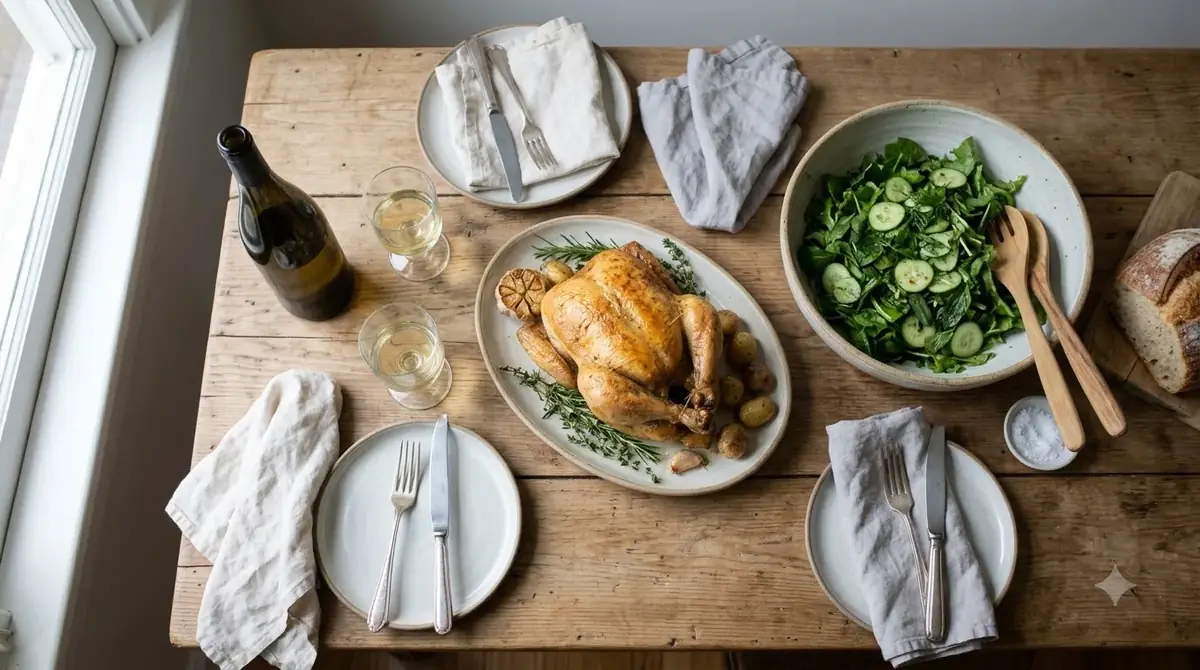
A light dry rosé works well with grilled vegetables, salads, shellfish, chicken, and simply prepared fish. Its acidity can cut through olive oil and vinaigrettes, while moderate body keeps it from overwhelming delicate flavors. A crisp Grenache-Cinsault blend from Provence is a natural match for tomato salad, grilled shrimp, or herbed chicken because the wine’s citrus and red-fruit profile can complement those ingredients without adding obvious sweetness.
For richer seafood or salmon, choose a rosé with enough weight and acidity to stand alongside the texture of the dish. Many rosés have less tannin than red wine because the juice spends less time with grape skins, making them more flexible with fish than a strongly tannic red. A structured Tavel can work with grilled salmon, tuna, or a tomato-based fish stew, especially when herbs and charred flavors add intensity to the plate.
Off-dry rosé can be a good partner for gently spicy foods, including Thai salads, mildly spicy noodles, or dishes with ginger and chile. A little sweetness can soften the perception of heat, but alcohol can make chili feel hotter, so a lower-alcohol, lightly sweet style is often more comfortable than a powerful wine. Very hot dishes can overwhelm delicate fruit, so keep the seasoning and wine intensity in balance.
Sweet rosé should be at least as sweet as the dessert beside it. Pink Moscato can suit berry tarts, peach desserts, fruit salad, or lightly sweet pastries. A dry rosé beside a very sweet dessert can taste sharply acidic or thin by comparison, because the dessert makes the wine seem less fruity and more sour. For a cheese course, a slightly sweet rosé can also pair with salty, creamy cheeses, while a crisp dry one is usually better with fresh goat cheese.
Temperature changes the impression of sweetness. A dry or off-dry rosé served very cold can seem leaner and less aromatic; as it warms in the glass, ripe fruit and texture become easier to notice. Keep the bottle chilled and pour modest servings rather than leaving it on the table for a long time. A standard 5-ounce pour allows room in the glass for aromas and gives a consistent basis for comparing wines.
Rosé is generally intended to be enjoyed young, while some structured examples from Bandol or other serious regions can develop additional savory notes with bottle age. For everyday drinking, store the bottle in a cool, dark place and serve it fresh. Opened still rosé is best kept in the refrigerator and generally enjoyed within 3–5 days, although the fruit and freshness may fade before that window ends.
Frequently Asked Questions
What does “rosato” mean on an Italian label?
Rosato is the Italian term for rosé; it describes the wine’s pink style, not its sweetness. Italian rosato can be dry or have perceptible residual sugar, depending on the producer and region.
What are the crystals that can appear in a rosé bottle?
They are often tartrate crystals, natural wine salts that can precipitate during cold storage. They are not sugar crystals and are generally harmless, although producers may cold-stabilize wine to reduce their formation.
Does the vintage date tell you how sweet rosé is?
No. Vintage identifies the year the grapes were harvested, rather than the wine’s sweetness level. A non-vintage bottle may combine wines from multiple harvests to maintain a consistent producer style.
Should rosé be decanted before serving?
Most fresh, light-bodied rosé is ready to pour and does not need decanting. Brief aeration can help a more structured rosé if it seems closed, but prolonged air exposure can make delicate fruit fade.
Can dry rosé be used in cocktails?
Yes. Dry rosé works in a spritz, punch, or sangria because its acidity and red-berry flavors add freshness without contributing too much sugar. For a sweeter cocktail, choose the rosé style to match the recipe rather than assuming fruit aromas will provide sweetness.
Most rosé is dry, but the category includes everything from bone-dry Provence bottlings to sweet White Zinfandel and pink Moscato. Use residual sugar in g/L as the clearest comparison, then consider acidity, serving temperature, and the food you plan to serve.
More in Wine Types & Grapes
 Zinfandel Sugar Content: Dry Red vs. White Zinfandel GramsUpdated Nov 21, 2026
 Best Zinfandel Substitute Options for Sipping and CookingUpdated Nov 21, 2026
 Zweigelt Food Pairing: Best Dishes, Cheeses, and Serving TipsUpdated Nov 21, 2026
 Zinfandel Tannins Explained: How Structure Shapes Every BottleUpdated Nov 21, 2026
 Zinfandel Sweetness Level: Dry Red vs. Sweet White Zin ExplainedUpdated Nov 21, 2026
 Xinomavro Food Pairing: Best Dishes, Styles, and Serving TipsUpdated Nov 21, 2026