

We may earn a commission when you buy through links on this page, at no extra cost to you. Learn more.
Where is Riesling from? Riesling grows mainly in cool climates, and Germany is the world’s most important producer. The grape also has a strong presence in the United States. Because it ripens well in cooler conditions, it keeps its acidity and aromatic character even when the wine is made in a sweeter style, which is one reason its home regions matter so much to how the wine tastes.
Riesling is one of the most recognizable white wine grapes, and it is often confused with other white varieties on a crowded shelf. Knowing where it comes from makes it easier to predict what is in the glass, whether the bottle is dry, off-dry, or sweet. This guide walks through the main growing areas, the climate that shapes the grape, and how to use that information when you shop.
Why Riesling prefers cool climates
Riesling is closely tied to cool growing conditions. According to Wine Folly’s Riesling profile, the grape is mostly grown in cool climates, and that preference runs through almost every description of its character. In a cool site, grapes ripen more slowly. The fruit keeps more natural acidity and develops flavors that feel fresh and precise rather than heavy.
That relationship with climate explains much of the grape’s reputation. Warmer sites can produce riper, fuller wines, but Riesling tends to lose the crisp edge that makes it distinctive. When you see a bottle from a cool area, you can usually expect higher acidity and a lighter body, even if the wine is sweet.
Germany, the grape’s most important home
Germany is the country most associated with Riesling. It is the world’s most important producer of the grape, and German winemakers have built a long tradition around the variety. The country’s cool climate makes it a natural fit for a grape that needs enough ripening time but also keeps its acidity when conditions stay cool.
German Riesling covers a wide range of styles. Some wines are bone-dry, while others are sweet enough to be served with dessert. That range is a big reason the name “Riesling” can mean very different things to different drinkers. If you are new to German Riesling, read the label for the sweetness level and the producer’s description before you buy, since the style is not always obvious from the name alone.
Riesling in the United States
Riesling is also grown in the United States, where it is one of the grapes associated with cooler vineyard areas. Wine Folly names the U.S. alongside Germany as a place where the grape is commonly planted in cool climates. American Riesling often shows a similar bright profile, though the exact style depends on the site, the vintage, and how the winemaker chooses to finish the wine.
If you are comparing a German bottle with an American one, pay attention to the sweetness level on the label rather than the country alone. A dry American Riesling and a sweet German Riesling can taste very different, even though they come from the same grape and similar cool-climate conditions.
How climate changes the taste of Riesling
Climate has a direct effect on the way Riesling tastes. Cooler conditions keep the acidity high and help the grape hold onto its citrus, green apple, and floral notes. Warmer conditions can make the fruit taste softer and more tropical, and the wine may feel rounder on the palate. Winemakers use these differences to produce a range of styles, from lean and mineral to rich and honeyed.
Winemakers also make choices that change the outcome. Harvest timing, fermentation, and whether the wine is finished dry or with some residual sugar all shape the final glass. Two bottles from the same region can therefore taste quite different, which is why the producer’s notes matter as much as the place name.
That is why a single regional name matters so much. A bottle that tells you the vineyard area and the sweetness level gives you far more information than a bottle that only says “Riesling.” The acidity and sugar are the two things to watch, because they shape everything else you taste.
How to shop for Riesling by origin
When you are choosing a bottle, origin is only the first clue. Start with the country or region, then check the sweetness level, and finally look at the producer’s description. A bottle from a cool-climate area is more likely to show high acidity and a light body, while a sweeter style can still feel balanced if the acidity is strong enough.
Many shoppers find it helpful to build a small set of bottles that differ on one factor at a time. Try a dry Riesling and a sweeter one from the same country, then compare them with a bottle from another cool-climate area. This simple tasting exercise shows you how much the grape changes with place and with winemaking style, and it makes the next purchase easier. If you want to compare how origin shapes other varieties, the where is malbec from guide shows the same idea with a red grape.
Sweetness and alcohol are also linked, and that connection can help you read a label. A lower-alcohol Riesling often tastes lighter and a little sweeter, while a drier bottle can carry the same acidity with more structure. The riesling alcohol content guide explains how those numbers usually line up across styles.
Price and vintage are also useful signals, though they should not be your only guide. Some Riesling styles are meant to be drunk young, while others improve with time in the cellar. The label and the producer’s notes tell you which group a bottle belongs to, and that information is often more useful than the price tag.
Riesling at a glance
The table below sums up the main features most Riesling shares. Individual bottles will differ, especially in sweetness, but these numbers give you a practical starting point.
| Feature | What to expect |
|---|---|
| Main growing areas | Cool climates, with Germany and the U.S. as key examples |
| Sweetness | Bone-dry to very sweet |
| Body | Light |
| Acidity | High |
| Alcohol | Under 10% ABV |
| Serving temperature | 38 to 45 F (3 to 7 C) |
| Cellaring | Ten years or more for many styles |
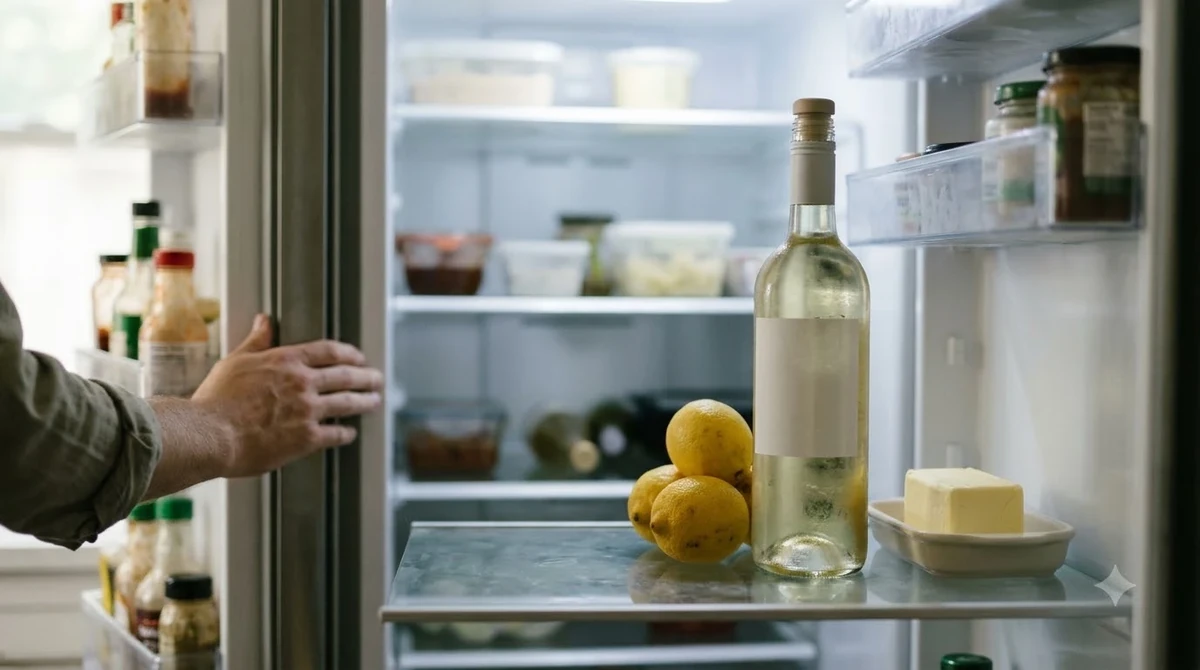
Tip: Serve Riesling well chilled, between 38 and 45 degrees Fahrenheit, and check the sweetness level on the label first. Chilling the wine keeps its acidity lively, which matters most for the drier styles.
Frequently Asked Questions
Where is Riesling originally from?
Riesling is most closely associated with Germany, which is the world’s most important producer of the grape. It is also grown in cool-climate areas of the United States.
Is Riesling always sweet?
No. Riesling ranges from bone-dry to very sweet, so the sweetness depends on the bottle. Check the label or the producer’s description to see where a particular wine falls.
Why does climate matter for Riesling?
Riesling is grown mostly in cool climates, which help it keep high acidity and fresh aromas. Warmer conditions can make the wine feel softer and rounder.
How long can you keep Riesling?
Many Riesling styles can be cellared for ten years or more. The sweetness and acidity help the wine age well, although lighter bottles are best enjoyed younger.
Riesling rewards a little curiosity about place. Start with a bottle from a cool-climate area, check the sweetness level, and serve it chilled. Once you know how the region and climate shape the glass, comparing bottles from different countries becomes a much more interesting exercise. For more on the grape’s character, the what does riesling taste like guide is a useful next step.
More in Wine Types & Grapes
 Zinfandel Sugar Content: Dry Red vs. White Zinfandel GramsUpdated Nov 21, 2026
 Best Zinfandel Substitute Options for Sipping and CookingUpdated Nov 21, 2026
 Zweigelt Food Pairing: Best Dishes, Cheeses, and Serving TipsUpdated Nov 21, 2026
 Zinfandel Tannins Explained: How Structure Shapes Every BottleUpdated Nov 21, 2026
 Zinfandel Sweetness Level: Dry Red vs. Sweet White Zin ExplainedUpdated Nov 21, 2026
 Xinomavro Food Pairing: Best Dishes, Styles, and Serving TipsUpdated Nov 21, 2026