

We may earn a commission when you buy through links on this page, at no extra cost to you. Learn more.
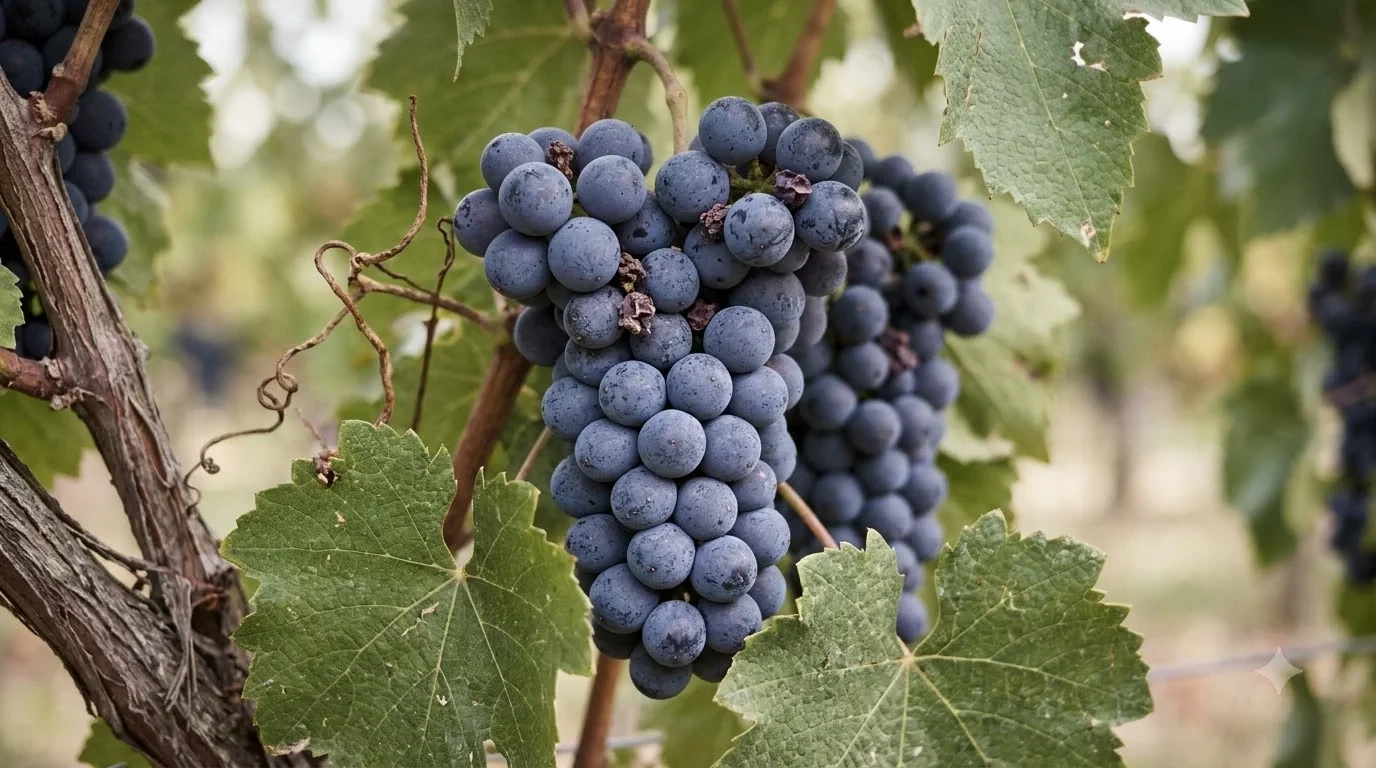
There is actually no botanical wine grape called the “manzanilla grape”—Manzanilla is a dry, coastal Spanish sherry made primarily from the white Palomino grape in the town of Sanlúcar de Barrameda. The name comes from the Spanish word for chamomile, a nod to the wine’s delicate herbal aroma, and it is also the name of a famous Spanish table olive variety. Because it matures under a thick layer of wild yeast called flor right next to the Atlantic Ocean, Manzanilla develops a crisp, saline character that sets it apart from every other style of sherry.
Wine shoppers often search for the manzanilla grape after spotting a bottle of pale, bone-dry Manzanilla sherry on a restaurant list or retail shelf. Knowing that Palomino is the true vine behind the bottle clears up the label confusion and unlocks a whole world of different wine styles from southern Spain.
What It Is: Manzanilla Wine vs. the Palomino Grape
Manzanilla is a protected Denominación de Origen (DO) wine style produced exclusively in the seaside town of Sanlúcar de Barrameda, while the actual fruit in the bottle is almost always Palomino Fino. Under regional rules established by the Consejo Regulador, Manzanilla shares its production zone and authorized grape list with the broader Jerez-Xérès-Sherry appellation.
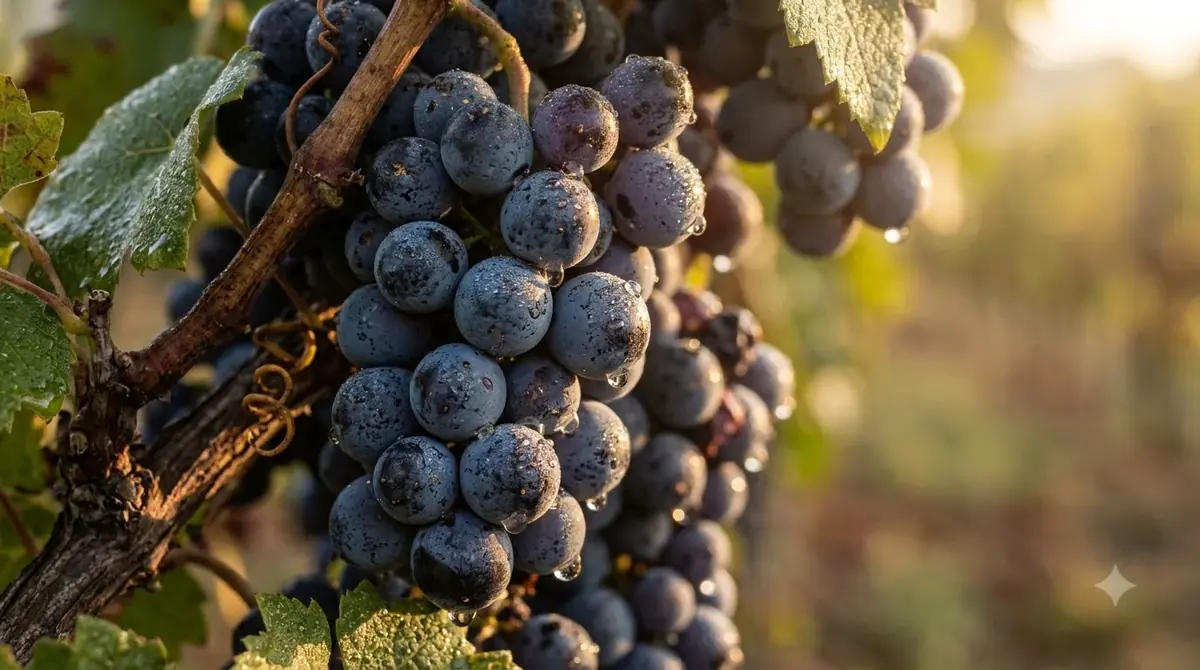
On the vine, Palomino is a remarkably understated white grape. It produces large bunches with relatively low natural acidity and high pH, yielding a neutral base wine that would seem plain if bottled as a standard still white. In Andalusia, however, that quiet neutrality is prized because it acts as a blank canvas for cellar aging. Rather than masking the wine with loud tropical fruit or heavy floral perfume, Palomino steps back and lets the coastal environment and cellar yeast do the heavy lifting.
Confusion around the term “manzanilla” usually stems from two cultural crossovers in Spain. First, manzanilla is the everyday Spanish word for chamomile tea, which mirrors the dried-flower scent that emerges as the wine matures. Second, Manzanilla is one of Spain’s best-known green olive cultivars, frequently served in bowls right alongside chilled glasses of the wine. Neither the herb nor the olive goes into the fermentation tank, yet both reinforce the name’s association with bright, savory refreshment.
According to the official Consejo Regulador Manzanilla guide, the wine is aged biologically under a living veil of yeast known as velo de flor. This protective cap shields the wine from oxygen, consumes residual sugar and glycerol, and leaves behind a bone-dry white wine with less than 4 grams of sugar per liter—and typically under 1 gram per liter.
Flavor Profile and Main Styles
A classic Manzanilla pours pale straw yellow and smells sharply of chamomile flowers, raw almonds, fresh bread dough, and sea spray. On the palate, it feels brisk, dry, and mouthwateringly salty with a clean, slightly bitter finish.
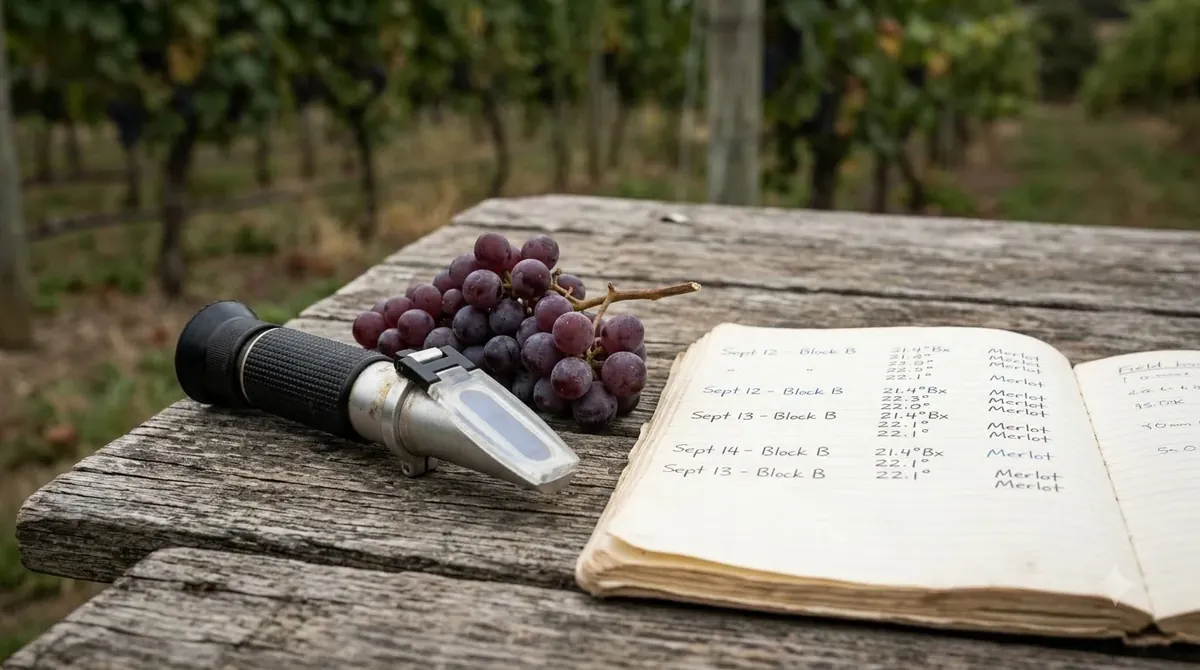
While every bottle starts from the same Palomino base, cellar aging creates several distinct expressions worth knowing before you buy:
- Manzanilla Fina: The benchmark, everyday style bottled after at least two years—and often three to five years—of biological aging. It emphasizes bright lemon pith, green apple skin, chamomile, and brisk ocean salinity.
- Manzanilla Pasada: An older, richer bottling aged for a minimum of seven years until the yeast cap naturally thins. That gradual weakening allows a hint of gentle oxidation, adding toasted hazelnut, dried apricot, and deeper savory weight to the crisp core.
- Manzanilla En Rama: A minimally filtered release drawn straight from the barrel, usually in spring or autumn when the flor is at its peak. Reviewers at Decanter note that skipping heavy clarification preserves a deeper color and a fuller, more expressive cellar texture.
Comparing Manzanilla directly with Fino sherry highlights how much microclimate shapes the final glass. Both rely on Palomino grapes and biological aging under flor, yet Fino matures slightly further inland in Jerez de la Frontera or El Puerto de Santa María. Because Sanlúcar sits cooler and damper, its flor stays active all year, producing a lighter, more delicate, and noticeably saltier wine than standard Fino.
| Feature | Manzanilla (Manzanilla Fina) | Manzanilla Pasada | Fino Sherry |
|---|---|---|---|
| Primary Grape | Palomino Fino | Palomino Fino | Palomino Fino |
| Maturation Town | Sanlúcar de Barrameda only | Sanlúcar de Barrameda only | Jerez or El Puerto de Santa María |
| Minimum Aging | At least 2 years under flor | At least 7 years (fading flor) | At least 2 years under flor |
| Typical ABV | 15 percent (range 14 to 17 percent) | 15 to 17 percent | 15 to 17 percent |
| Core Tasting Notes | Chamomile, raw almond, dough, sea salt | Toasted nuts, dried fruit, savory brine | Crisp almond, yeast, green olive, herbs |
Where It Grows and Maturation Terroir
Palomino grapes for Manzanilla grow across the Jerez production zone in southern Spain’s Andalusia region, but the wine can only be aged and bottled within the coastal city limits of Sanlúcar de Barrameda. Situated right where the Guadalquivir River meets the Atlantic Ocean, Sanlúcar enjoys a humid maritime microclimate that keeps cellar temperatures mild year-round.
In the vineyards, two natural forces define the raw fruit: bright white albariza soil and twin Atlantic winds. Albariza is a porous, chalk-rich limestone soil that absorbs heavy winter rains and forms a hard crust during dry summers, locking moisture deep underground so Palomino roots stay hydrated without irrigation. Meanwhile, the cool, damp Poniente breeze blows off the ocean to temper summer heat, alternating with the warm, dry inland Levante wind.
Once the grapes are pressed and fermented into a clean, neutral base wine—historically fortified to around 15 percent alcohol by volume, though updated rules also permit unfortified wines that naturally reach that strength—the barrels move into Sanlúcar’s tall, airy bodegas. Inside those cellars, the cool ocean humidity encourages a thick, continuous blanket of flor yeast to thrive across the top of the wine in a fractional blending network called the solera system.
If you enjoy learning how understated local white grapes adapt to harsh sun and coastal conditions, Palomino offers an intriguing contrast to central Spain’s Airén grape, which thrives in arid inland plains for crisp everyday whites and brandy. In Sanlúcar, coastal moisture turns Palomino into one of the world’s most terroir-driven cellar wines.
How to Serve and Store Manzanilla
Treat Manzanilla like a delicate, crisp white wine rather than an after-dinner digestif: serve it very cold, well-chilled between 42°F and 46°F (6°C to 8°C). Serving it in an ice bucket filled with both ice and water keeps the bottle at peak freshness throughout a meal.
Skip tiny, thimble-sized cordial glasses, which trap aromas and hide the wine’s nuance. Instead, pour Manzanilla into a standard tulip-shaped white wine glass—or a traditional wide-rimmed Andalusian catavino—filling the glass only a third to halfway full. That extra headspace lets the chamomile, dough, and sea-breeze aromatics open up while ensuring you finish each pour before it warms up in your hand.
Tip: Treat an opened bottle of Manzanilla like fresh milk or delicate white wine—re-cork it tightly, store it upright in the refrigerator, and finish it within five to seven days before the flor aromatics fade.
Because biological aging strips away protective polyphenols and sugar, unopened bottles do not improve in a home cellar. Drink Manzanilla within 12 to 18 months of bottling, and once you pull the cork, keep it chilled in the fridge so oxygen does not flatten its bright, salty snap.
Best Food Pairings for Manzanilla
Manzanilla’s bracing salinity, dry finish, and subtle almond savoriness make it one of the most food-friendly wines at the table, especially alongside seafood and salty appetizers. Its low residual sugar and clean mouthfeel cut straight through rich oils without clashing with vinegar or brine.
In Andalusia, locals pair a chilled glass with plates of pescaíto frito (crispy fried fish), boiled Sanlúcar prawns, marinated anchovies, Marcona almonds, green olives, and thin slices of cured jamón ibérico. The wine’s natural sea-salt edge echoes the shellfish while scrubbing the palate clean between bites of cured ham or fried batter.
At home, that same versatility bridges cuisines far beyond Spanish tapas. Try pouring Manzanilla next to raw oysters on the half shell, Peruvian ceviche, steamed dim sum, or sushi, where high-tannin reds or oaky whites often turn metallic. It also handles notoriously tricky salad dressings, gazpacho, and aged sheep’s milk cheeses with ease, offering a dry counterpoint to sweeter Spanish or Italian aperitifs like the aromatic Brachetto grape or soft, fruit-forward reds such as the Dornfelder grape.
How to Choose a Bottle
When shopping for Manzanilla, check the back label for the freshest bottling date or lot code you can find, and look for the official Manzanilla-Sanlúcar de Barrameda DO seal. Freshness matters more here than vintage years, since younger biological wines lose their punch if they sit too long on a warm retail shelf.
Choose your style based on the occasion and menu. Reach for a standard Manzanilla Fina when you want a light, mouthwatering aperitif or a partner for raw shellfish and light salads. Step up to a Manzanilla En Rama if you prefer richer texture and raw cellar intensity, or pick a Manzanilla Pasada when serving heartier dishes like roast chicken, wild mushrooms, or aged hard cheeses.
Buying half-bottles (375 ml) is another smart move if you are exploring the style for the first time or only pouring two glasses with dinner. Smaller formats guarantee every pour tastes crisp and lively from the first glass to the last drop.
Frequently Asked Questions
Is there actually a grape called Manzanilla?
No, there is no commercial wine grape variety named Manzanilla. Manzanilla is a protected style of dry sherry made almost exclusively from the white Palomino Fino grape in the coastal Spanish town of Sanlúcar de Barrameda.
Why is it called Manzanilla if it is made from Palomino grapes?
The name comes from the Spanish word for chamomile, reflecting the delicate herbal and floral aromas the wine develops while aging under flor yeast. It also shares its name with a classic Spanish green olive variety frequently served alongside the wine.
What is the difference between Manzanilla and Fino sherry?
Both wines are made from Palomino grapes and aged under a protective layer of flor yeast, but Manzanilla can only be matured in the seaside town of Sanlúcar de Barrameda. Sanlúcar’s cooler, more humid Atlantic climate keeps the flor thicker all year, yielding a lighter, fresher, and saltier wine than inland Fino.
Is Manzanilla wine sweet or dry?
Manzanilla is bone-dry, containing less than 4 grams of residual sugar per liter and usually less than 1 gram per liter. During biological aging, the surface layer of flor yeast consumes almost all remaining sugars, leaving a crisp, savory, and refreshing finish.
Once you know that the search for the manzanilla grape leads straight to coastal Palomino, reading Spanish sherry labels becomes much simpler. Pick up a fresh half-bottle, chill it thoroughly on ice, and pour a glass alongside salty snacks or fresh seafood to experience Sanlúcar’s signature seaside character firsthand.
More in Wine Types & Grapes
 What Does Ruby Port Taste Like? Flavor Notes, Styles, and Serving TipsUpdated Nov 21, 2026
 What Does Ribolla Gialla Taste Like? Crisp White and Amber Styles ExplainedUpdated Nov 21, 2026
 What Does Semillon Taste Like? Flavor Profile, Styles & PairingsUpdated Nov 21, 2026
 What Does Scuppernong Taste Like? Flavor, Styles, and Pairing GuideUpdated Nov 21, 2026
 What Does Saperavi Taste Like? Flavors, Styles, and Pairing GuideUpdated Nov 21, 2026
 What Does Natural Wine Taste Like? Flavors, Styles, and Serving TipsUpdated Nov 21, 2026