

We may earn a commission when you buy through links on this page, at no extra cost to you. Learn more.
Does Beaujolais need to breathe? Usually, no: most young Beaujolais wines are ready to drink shortly after opening, without extended aeration or decanting. Their fresh Gamay fruit, lively acidity, and approachable tannins are best enjoyed without unnecessary waiting. However, older bottles and structured Crus such as Morgon and Moulin-à-Vent can benefit from a little air, so the best approach depends on the wine’s age, structure, and condition.
Beaujolais has a reputation for freshness and easy drinking, but the region produces considerably more than simple, youthful reds. A bottle of Beaujolais Nouveau behaves differently from an aged Morgon or a concentrated Moulin-à-Vent. Understanding those differences helps you decide whether to pour immediately, give the wine a few minutes in the glass, or use a decanter. In most cases, a modest swirl and the right serving temperature will do more for the wine than leaving the bottle open for hours.
Why Most Beaujolais Does Not Need Extended Breathing
Most young Beaujolais is designed to emphasize fresh fruit, floral aromas, and an easy-drinking texture. Opening the bottle and pouring a glass is generally enough to begin enjoying these characteristics, particularly with Beaujolais Nouveau and uncomplicated regional bottlings.
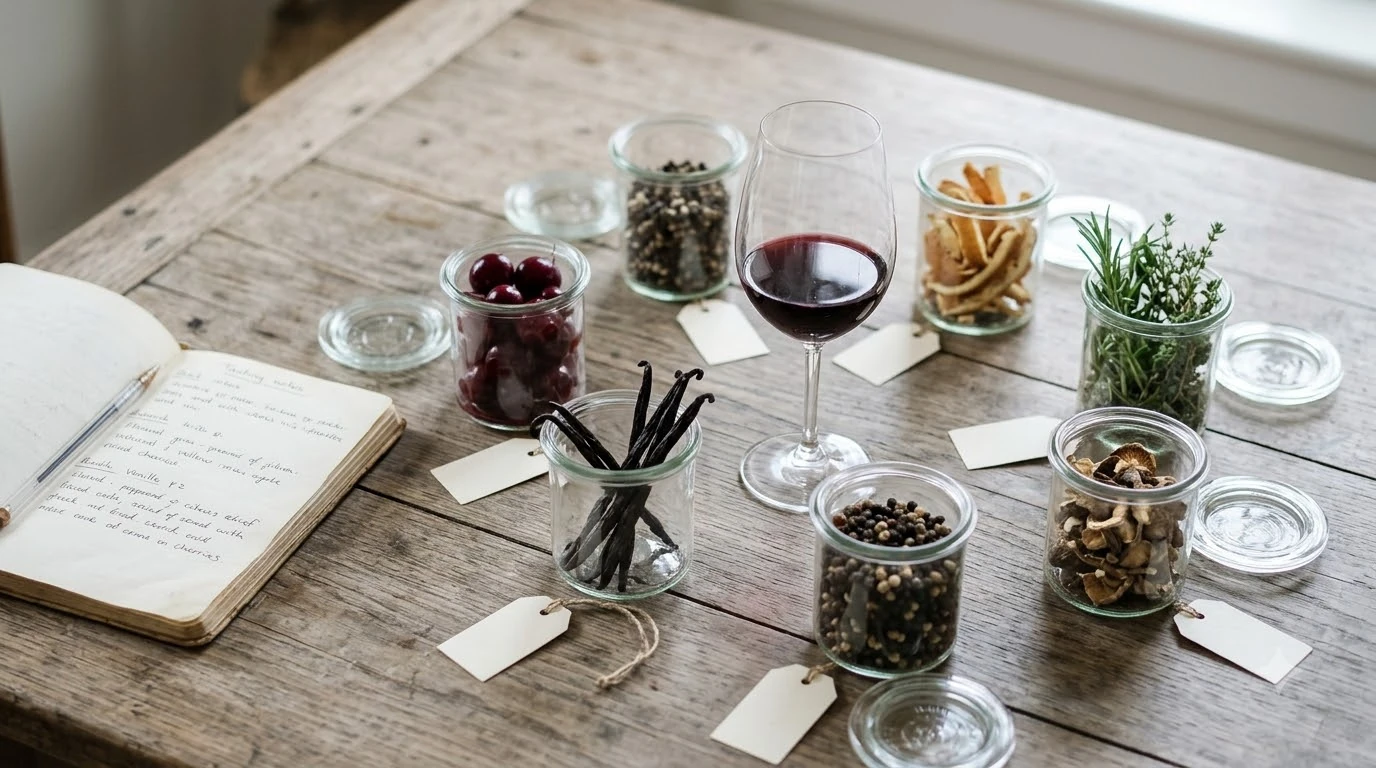
The primary grape in red Beaujolais is Gamay. It produces wines that commonly show raspberry, strawberry, cherry, and sometimes blackberry, with refreshing acidity and relatively modest tannins. Compared with a heavily structured Cabernet Sauvignon or a young Barolo, these wines generally have less need for prolonged oxygen exposure to become approachable.
That distinction matters because breathing is not automatically beneficial. Oxygen can help certain wines reveal aromas that initially seem restrained, but excessive exposure can gradually diminish delicate fruit and freshness. A young Beaujolais that already smells expressive when poured may gain very little from spending an hour in a large decanter.
Beaujolais Nouveau is the clearest example. Released for early enjoyment, it emphasizes immediate fruitiness and a lively, uncomplicated drinking experience. Its strawberry, cherry, and sometimes banana-like aromas are part of its appeal. Leaving this style open for a long period can reduce the freshness that makes it enjoyable.
Ordinary Beaujolais and Beaujolais Villages also generally favor immediate enjoyment. They can become more expressive after a few minutes in the glass, but that is different from requiring formal decanting. Pouring a small amount, swirling gently, and taking another sniff is usually a sensible first step.
For readers comparing different red wine styles, the need for oxygen varies considerably. The guidance for does red wine need to breathe explains why lighter reds and more structured wines should not automatically receive the same treatment.
There is one important exception to the general rule: a wine that initially smells closed, reduced, or unusually muted may improve with a little air. The best way to identify that situation is to taste before deciding how long to wait.
How Different Beaujolais Styles Respond to Air
Beaujolais is not a single uniform wine style. Nouveau, regional Beaujolais, Beaujolais Villages, and the ten Crus differ in concentration, structure, and aging potential, which means their aeration needs can vary substantially.
Beaujolais Nouveau is usually the most immediate style. It is produced for early consumption, and its appeal lies in youthful fruit rather than developed secondary aromas. Open it, pour it, and enjoy it without a planned breathing period.
Regular Beaujolais is also generally straightforward. It often offers fresh red berries, bright acidity, and a relatively light body. A brief rest in the glass can help the wine become more expressive, especially if it has just come out of storage, but a decanter is rarely necessary.
Beaujolais Villages occupies an interesting middle ground. According to the official Beaujolais regional organization, the appellation includes 38 producing villages in the northern vineyard area. Its wines can range from fresh and fruity to richer, more structured expressions, depending partly on their growing location.
The ten Crus offer the greatest variation. Some are delicate and aromatic, while others produce more concentrated wines with noticeable tannins and greater aging potential. Morgon, Moulin-à-Vent, Juliénas, and Chénas can have more depth than a simple Nouveau bottling, making a short period of aeration potentially useful.
The following table provides practical starting points rather than rigid rules. The suggested breathing periods are conservative serving guidelines based on the wines’ general structure and the regional recommendations for decanting young versus older Beaujolais.
| Beaujolais style | Typical character | Initial breathing recommendation |
|---|---|---|
| Beaujolais Nouveau | Fresh berries, light body | 0 minutes; pour and enjoy |
| Regular Beaujolais | Cherry, raspberry, fresh acidity | 0–10 minutes in the glass |
| Beaujolais Villages | Red fruit, moderate structure | 5–10 minutes in the glass |
| Fleurie | Floral aromas, elegant fruit | 5–10 minutes in the glass |
| Chiroubles | Light, aromatic, fresh | 5–10 minutes in the glass |
| Brouilly | Juicy fruit, approachable structure | 5–15 minutes in the glass |
| Morgon | Concentrated fruit, firmer structure | 15–30 minutes if needed |
| Moulin-à-Vent | Structured, age-worthy, firm tannins | 15–30 minutes if needed |
These times describe a reasonable starting point, not a requirement for every bottle. A young, expressive Morgon might taste excellent immediately, while a more developed bottle may benefit from a different approach. The best decision comes from observing how the wine changes after pouring.
When Older Beaujolais Crus Benefit From Decanting
Older and more structured Beaujolais Crus are the strongest candidates for gentle decanting. Their deeper fruit, developed aromas, and more noticeable tannins can sometimes benefit from limited oxygen exposure, particularly when the wine initially seems restrained.
Age-worthy Crus such as Morgon and Moulin-à-Vent can develop more complex characteristics as they mature. Their youthful red and dark fruit may gradually be joined by earthy, savory, floral, and spicy notes. The structure that allows these wines to age can also make them less immediately expressive when first opened.
Discover Beaujolais identifies Morgon, Moulin-à-Vent, and Juliénas among the Crus capable of aging for up to 10 years under suitable storage conditions. That does not mean every bottle should be decanted for an extended period. Rather, the age and condition of the wine should determine how carefully you introduce oxygen.
For a relatively young but concentrated Cru, try pouring a glass and allowing it to rest for 10 to 15 minutes. Taste again before deciding whether more time would help. If the wine becomes more aromatic and balanced, continue drinking it at that pace.
A decanter can be useful when the entire bottle seems closed or when you want to serve several people at once. Transfer the wine gently into a clean vessel and give it approximately 15 to 30 minutes before checking its development. There is no need to leave it unattended for several hours.
Recognizing the Difference Between Mature and Tired Wine
Not every older bottle improves with oxygen. A mature wine can be aromatic and complex but also fragile. Its delicate fruit and secondary aromas may fade quickly if it receives too much air.
If an older Morgon initially shows dried cherry, earth, mushroom, or subtle spice, avoid assuming that a closed or restrained first impression requires aggressive aeration. Pour a small sample and observe it over several minutes. If the aromas become less distinct rather than more expressive, serve the remaining wine promptly.
Sediment is another reason to use a decanter, although this is different from aeration. Older red wines can develop natural deposits during bottle aging. If sediment is present, carefully transfer the clear wine into another vessel, leaving the deposit behind. The objective is to separate the wine from the sediment rather than expose it to as much oxygen as possible.
Readers interested in more powerful, structured reds can also compare the approach with does Barolo need to breathe. Barolo generally has a much firmer tannic structure and can require a different amount of preparation than most Gamay-based wines.
How Long to Let Beaujolais Breathe After Opening
For most Beaujolais, opening the bottle immediately before serving is perfectly reasonable. If the wine seems muted, give it 5 to 10 minutes in the glass, then taste again before considering additional aeration.
The important distinction is between opening a bottle and exposing wine to air. Simply removing the cork does not create much oxygen contact because only a relatively small surface area of wine is exposed through the bottle neck. Pouring into a glass creates substantially more contact and allows aromas to develop more readily.
For young Nouveau, start drinking immediately. For regular Beaujolais or Villages, a few minutes in the glass should be sufficient. For structured Crus, 10 to 30 minutes can be a useful trial period if the wine needs additional development.
A full-bodied or concentrated Cru that remains restrained after 15 minutes may benefit from another 10 or 15 minutes. However, do not treat a particular time as a target that every bottle must reach. Some wines become less expressive with additional exposure.
The following steps provide a simple way to decide what to do after opening a bottle:
- Open and inspect: Remove the cork, examine the wine, and check whether the aroma seems fresh, muted, or unusual.
- Pour a small sample: A 2-ounce tasting pour gives enough wine to assess its aromas and structure.
- Swirl gently: Rotate the glass to increase contact between the wine and air.
- Taste immediately: Notice the fruit, acidity, tannins, and overall balance.
- Wait 5 to 10 minutes: Revisit the wine and look for changes in its aroma and texture.
- Decant only if needed: If a structured Cru remains closed, consider transferring it into a suitable vessel for a short period.
This approach also helps avoid a common mistake: leaving the entire bottle open for an hour because someone assumes every red wine needs that much time. Beaujolais is often more rewarding when its freshness is preserved.
Tip: Pour one glass as soon as you open the bottle. Taste it, swirl it, and taste again after 5 to 10 minutes. If the aromas become clearer and the wine feels more balanced, let the remaining wine develop gradually rather than committing to a long decanting period.
Serving Temperature Matters More Than Long Aeration
Temperature is one of the most important factors in enjoying Beaujolais. A slightly chilled serving temperature preserves its fresh fruit and acidity, while excessive warmth can make the wine seem heavier and more alcoholic than intended.
For Beaujolais Nouveau and Beaujolais Villages, a practical target is 54°F to 57°F. More structured Crus generally benefit from a slightly warmer range of 59°F to 63°F. These temperatures allow different expressions of Gamay to show their characteristics without losing freshness.
Wine Enthusiast places Beaujolais in the light- to medium-bodied red category and recommends serving this group between 54°F and 60°F. Its serving guidance also explains that excessive warmth can make the fruit seem overly tart and acidic. Its wine serving temperature and decanting recommendations provide additional context for choosing the right preparation for different red wine styles.
For a bottle stored at approximately 70°F, a refrigerator can help bring it into the appropriate range. Wine Enthusiast suggests approximately 45 to 60 minutes of refrigeration for light- to medium-bodied reds starting at room temperature. The exact time will vary with the refrigerator and bottle temperature.
For a bottle already stored in a cool cellar, less chilling may be necessary. Avoid putting a delicate Beaujolais in the freezer or leaving it excessively cold. When a red wine becomes too cold, its aromas can seem muted and its structure less expressive.
The following comparison makes it easier to choose a serving temperature:
| Wine style | Serving temperature | What the temperature helps preserve |
|---|---|---|
| Beaujolais Nouveau | 54°F–57°F | Fresh strawberry and cherry |
| Regular Beaujolais | 55°F–58°F | Bright fruit and acidity |
| Beaujolais Villages | 54°F–57°F | Red fruit and aromatic freshness |
| Light Beaujolais Cru | 55°F–59°F | Floral aromas and delicate texture |
| Structured Beaujolais Cru | 59°F–63°F | Deeper fruit and developed aromas |
| Older Beaujolais Cru | 59°F–63°F | Earthy, savory, and mature notes |
These are practical ranges rather than strict rules. A lighter Fleurie may be more enjoyable toward the cooler end, while a concentrated Moulin-à-Vent can benefit from a few additional degrees. The wine should feel refreshing without seeming cold or aromatically restricted.
For more information on the broader principles of wine service, Wine by Type provides a useful starting point for comparing grape varieties, styles, and serving approaches.
Glassware and Swirling Can Replace a Decanter
A suitable wine glass and a gentle swirl are often all the aeration Beaujolais needs. These simple techniques expose a modest amount of wine to oxygen while allowing you to monitor its development from one sip to the next.
Choose a medium-sized stemmed wine glass with enough room to swirl the wine without spilling. A bowl that narrows slightly toward the rim helps concentrate aromas, making it easier to identify red fruit, floral notes, and subtle earthy characteristics.
The regional wine education organization Beaujolais describes how swirling helps release the aromatic complexity of Crus, including red fruits, violet, and earthy or spicy hints. This is particularly useful with more structured expressions that may seem quieter immediately after opening.
To swirl correctly, fill the glass to approximately one-third of its capacity. Keep the base on a flat surface if you are unfamiliar with the movement, then rotate the glass gently in small circles. The movement spreads a thin layer of wine around the inside of the bowl and increases contact with air.
After swirling, bring the glass toward your nose and smell the wine before taking another sip. Compare the aromas with your first impression. You may notice that strawberry becomes more pronounced, cherry aromas become clearer, or floral notes emerge after a few minutes.
Glass size also matters. A very small glass restricts the room available for swirling, while an excessively large bowl can expose delicate wine to more air than necessary. A conventional red wine glass is generally suitable for most Beaujolais styles.
There is no need to purchase specialized aeration equipment for an ordinary bottle of Nouveau or Villages. A clean glass, a moderate pour, and a little patience offer more control than a mechanical aerator.
For a concentrated Cru, a wider glass can help reveal more of its aromatic layers. However, if the wine is older and delicate, a smaller pour and gentle handling are preferable. The goal is to reveal the wine’s character rather than force it to change quickly.
Food Pairings That Bring Out Beaujolais Character
Beaujolais is particularly versatile at the table because its acidity, fresh fruit, and generally moderate tannins complement many foods. The right pairing can make the wine feel more balanced and expressive without requiring additional breathing time.
For Beaujolais Nouveau, consider charcuterie, roast chicken, sausages, and simple vegetable dishes. Lyonnais specialties such as saucisson de Lyon and salade lyonnaise are classic companions. The wine’s acidity helps balance the richness of sausage, bacon, and other savory ingredients.
Beaujolais Villages offers enough structure for roasted pork, grilled chicken, burgers, and mushroom dishes. Its combination of red and black fruit makes it flexible with both lighter meat preparations and moderately rich sauces.
Fleurie and Chiroubles are useful choices for poultry, grilled vegetables, and lighter meat dishes. Their more delicate aromatic profiles can be overwhelmed by extremely rich sauces or heavily charred meats, so preparations with moderate seasoning are often preferable.
Morgon and Moulin-à-Vent can handle more substantial food. Try them with beef bourguignon, roasted duck, slow-cooked beef, mushrooms, or hard cheeses. Their firmer structure and deeper fruit complement savory dishes that might overpower a lighter Nouveau.
Food texture also matters. Salt and fat can soften the perception of tannins, making structured Crus particularly enjoyable alongside richer dishes. However, very hot chili preparations can amplify the perception of alcohol and tannin, so heavily spiced food may be more challenging with a stronger Cru.
Acidity provides another useful pairing principle. Foods with pronounced acidity generally work best with wines of equal or greater acidity. A bright Beaujolais can therefore complement tomato-based dishes, vinaigrettes, and foods containing citrus, provided the seasoning does not overwhelm the wine.
Temperature and timing should also follow the food. If a bottle of Morgon is served with a slow-cooked beef dish, opening it shortly before dinner and allowing the wine to develop in the glass throughout the meal is often sufficient. There is no reason to delay the meal for an extended decanting session unless the wine genuinely needs additional air.
Ultimately, the best pairing is one that preserves the balance between the wine’s fruit, acidity, structure, and the dish’s richness. Beaujolais is flexible enough to accompany casual meals and more elaborate dinners without demanding elaborate preparation.
Frequently Asked Questions
Can you drink Beaujolais immediately after opening?
Yes. Most Beaujolais is ready to drink immediately, including wines made for early consumption. Beaujolais Nouveau is traditionally released on the third Thursday of November, making it closely associated with seasonal celebrations and immediate enjoyment. A few minutes in the glass can still reveal additional aromas.
Should Beaujolais Nouveau be refrigerated after opening?
Yes. Store leftover Beaujolais Nouveau in the refrigerator with a suitable wine stopper. Its fresh fruit character is best preserved by limiting oxygen exposure and keeping the bottle cool. For the best experience, enjoy the remaining wine within approximately 3 to 5 days.
Does Beaujolais contain carbon dioxide?
Some Beaujolais wines retain a small amount of dissolved carbon dioxide, particularly youthful bottlings produced for freshness. This can create a slight spritz on the tongue even when the wine is not sparkling. A gentle swirl in the glass can help release some of the gas while opening the wine’s aromas.
Can Beaujolais be served in a Burgundy glass?
Yes. A Burgundy-style glass with a wider bowl can work especially well for aromatic Crus such as Fleurie and Morgon. Its larger surface area provides room for swirling and allows complex aromas to develop. A standard medium-sized red wine glass is also perfectly suitable.
Does Beaujolais improve after several years in the bottle?
Some Beaujolais does improve with bottle aging, particularly structured Crus such as Morgon and Moulin-à-Vent. Their development can introduce earthy, savory, and dried-fruit characteristics that are less prominent in young bottles. Simpler Beaujolais Nouveau is generally intended for early drinking rather than extended cellaring.
For most bottles, Beaujolais does not need extended breathing: open it, pour a glass, and enjoy its fresh fruit and lively acidity. Reserve short decanting periods for older or more structured Crus that genuinely benefit from additional air. With the right serving temperature, suitable glassware, and a little attention to the wine’s development, Beaujolais can show its best character without complicated preparation.
More in Wine Types & Grapes
 What Does Ruby Port Taste Like? Flavor Notes, Styles, and Serving TipsUpdated Nov 21, 2026
 What Does Ribolla Gialla Taste Like? Crisp White and Amber Styles ExplainedUpdated Nov 21, 2026
 What Does Semillon Taste Like? Flavor Profile, Styles & PairingsUpdated Nov 21, 2026
 What Does Scuppernong Taste Like? Flavor, Styles, and Pairing GuideUpdated Nov 21, 2026
 What Does Saperavi Taste Like? Flavors, Styles, and Pairing GuideUpdated Nov 21, 2026
 What Does Natural Wine Taste Like? Flavors, Styles, and Serving TipsUpdated Nov 21, 2026