

We may earn a commission when you buy through links on this page, at no extra cost to you. Learn more.
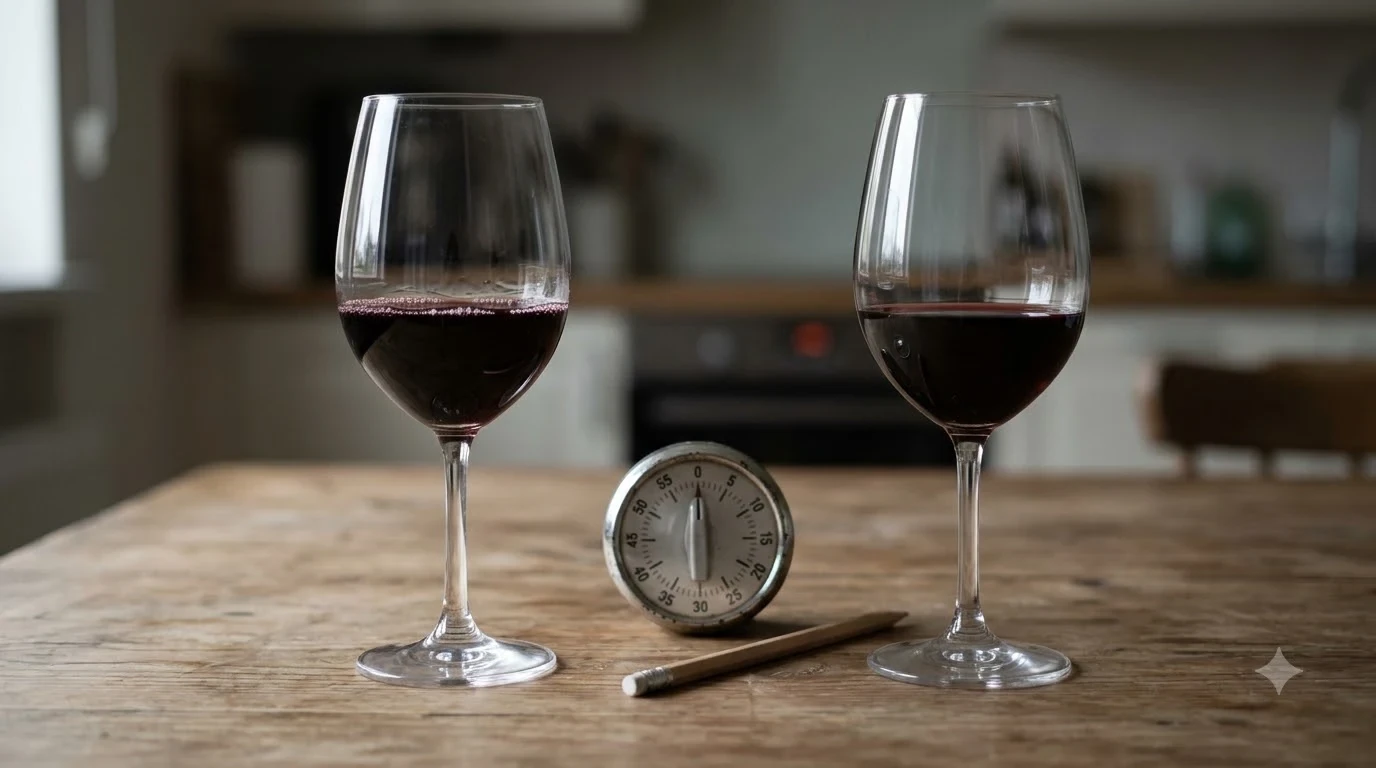
Does red wine need to breathe? Most red wines can be served as soon as they are opened, but young, concentrated bottles with firm tannins often benefit from 30 to 60 minutes of air. A brief swirl in the glass may be enough to release aromas and make a wine taste more approachable. Older, lighter reds generally need less exposure, and some mature bottles are best enjoyed immediately after opening.
Opening a bottle of red wine often raises a practical question: should you pour it straight into glasses or give it time to breathe? The answer depends on the grape variety, age, structure, and condition of the wine. A little knowledge about aeration can help you decide when to reach for a decanter, when a simple swirl is enough, and when waiting would do more harm than good.
What Happens When Red Wine Meets Air
Breathing is the process of exposing wine to oxygen before drinking. This can change how aromas emerge and how the wine feels on the palate, particularly in young Cabernet Sauvignon from Napa Valley or an older, delicate Pinot Noir from Burgundy.
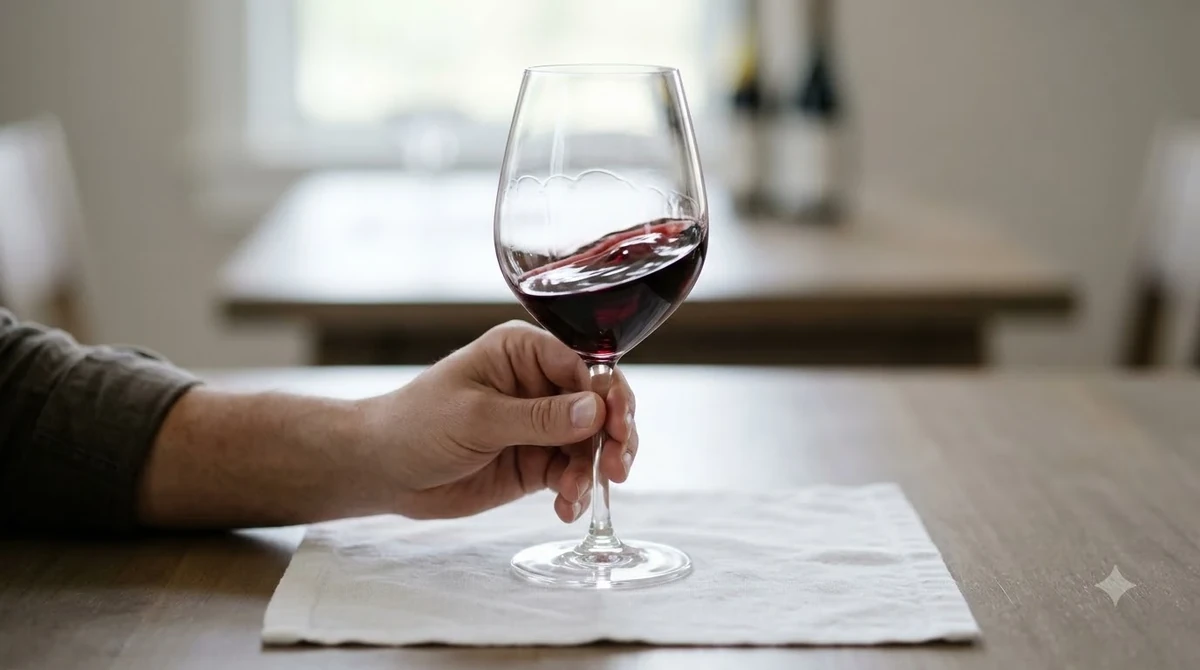
When wine is first poured, its aromatic compounds begin interacting with the surrounding air. Some smells become more noticeable, while others gradually dissipate. A wine that initially seems closed may start showing blackberry, cherry, floral, herbal, or spice notes that were difficult to recognize immediately after opening. The change can happen in a glass, a carafe, or a purpose-made decanter.
Tannins are another reason people give red wine time to breathe. These naturally occurring compounds come primarily from grape skins, seeds, stems, and, in some cases, oak aging. They contribute structure and an astringent sensation that can make the mouth feel dry. A young Cabernet Sauvignon or Nebbiolo may feel particularly firm because of its pronounced tannin structure. After some air exposure, its texture may seem more integrated and its fruit easier to recognize.
However, aeration does not remove tannins or transform a young wine into a mature one. It changes the wine’s interaction with air and may alter how its components are perceived. Actual bottle aging involves gradual chemical developments over months or years. Leaving a young Barolo in a decanter for several hours cannot reproduce the complexity of a Barolo that has matured properly in the bottle.
The effect is not always positive. Oxygen exposure can cause delicate aromas to fade and make fruit flavors less distinct. A wine that starts out expressive may become less interesting after prolonged exposure. This is particularly important with older bottles, which may already have developed fragile aromas through years of bottle maturation.
There is also a practical difference between opening a bottle and actually aerating its contents. Removing the cork while leaving wine in a narrow-necked bottle creates relatively little additional surface contact with air. Pouring wine into a glass or decanter exposes a much larger amount of liquid. That is why a bottle opened an hour before dinner may not change as much as expected.
For an explanation of the process and the differences between wine styles, read Decanter’s advice on letting wine breathe. The important lesson is that air should be used according to the wine’s structure rather than as an automatic step for every bottle.
Which Red Wine Styles Benefit Most From Aeration
Young reds with concentrated fruit and firm tannins are generally the strongest candidates for aeration. Napa Cabernet Sauvignon, Barolo from Piedmont, and young Syrah from the Northern Rhône are useful examples of wines that may become more expressive after some time in contact with air.
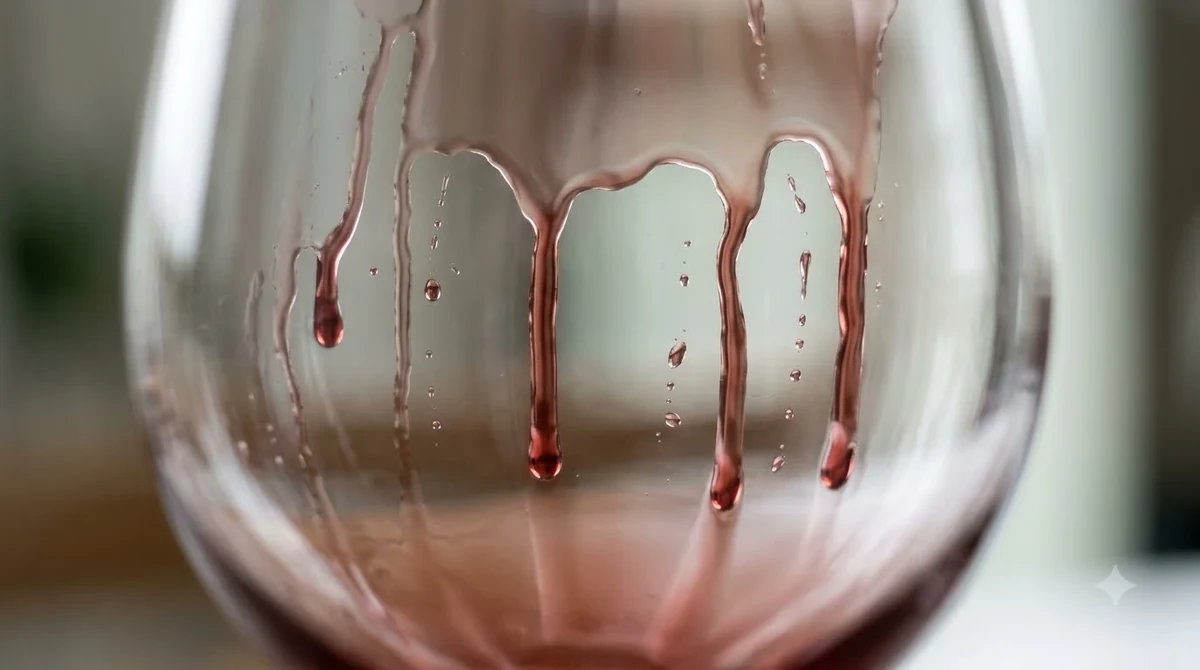
Cabernet Sauvignon typically has high tannin, making it one of the most recognizable candidates for aeration. A young Napa Valley Cabernet may show blackcurrant, blackberry, cedar, and oak alongside a firm, drying finish. Give it around 30 to 60 minutes in a decanter as a starting point, then taste it again. Some bottles will feel more balanced after this period, while others may already be enjoyable after a short swirl in the glass.
Nebbiolo, the grape used for Barolo and Barbaresco in Piedmont, can also have substantial tannin and high acidity. Young examples may initially seem restrained, with aromas of cherry, rose, tar, dried herbs, and earth emerging more gradually. A short decant can help reveal these characteristics. The approach depends on age, because a young Barolo and a mature bottle with developed aromas are unlikely to respond in the same way. For more specific advice, see does Barolo need to breathe.
Syrah and Shiraz can benefit from air when their structure feels firm or their fruit aromas seem muted. Northern Rhône Syrah often shows black pepper, dark berries, olive, and savory notes. Australian Shiraz can display ripe blackberry, spice, and a fuller texture. Both can have noticeable tannins, although their styles vary according to climate, producer, and winemaking approach. Start with a small pour and see whether additional exposure improves the balance.
Petite Sirah is another candidate for a longer rest. Its deep color and substantial tannin can make young bottles feel particularly firm. An initial 30 to 60 minutes in a decanter is a reasonable starting point for a concentrated example. Argentine Malbec can also benefit from aeration when its fruit seems closed or its tannins feel particularly drying. A young Mendoza Malbec is a useful example to test before dinner rather than automatically serving straight from the bottle.
Not every red needs this treatment. Merlot generally has medium, softer tannins than Cabernet Sauvignon. An everyday Merlot may need only a few minutes in the glass before its plum, cherry, and chocolate notes become apparent. Some more concentrated Merlot-based Bordeaux blends can benefit from longer aeration, but the grape name alone is not a reason to decant.
Pinot Noir usually has lower to medium tannin and relatively high acidity. Its delicate red-fruit, floral, mushroom, and earthy aromas can be appealing shortly after opening. A young Burgundy or Oregon Pinot Noir may need only gentle swirling, while a more concentrated example could benefit from a short rest. Long exposure is not automatically helpful because some of the wine’s finer aromas can disappear.
Gamay, the grape associated with Beaujolais, is generally lighter in body and often has lively berry flavors. Many bottles are ready to drink immediately, particularly fresh Beaujolais designed for early enjoyment. Some structured cru Beaujolais from places such as Morgon or Moulin-à-Vent may benefit from brief aeration. The distinction matters, so see does Beaujolais need to breathe for advice about that particular style.
Southern Rhône blends offer another useful comparison. Châteauneuf-du-Pape commonly includes Grenache, Syrah, and Mourvèdre, with a range of alcohol levels, tannin structures, and fruit concentration. A young, powerful example may benefit from around an hour of air, but another bottle may open quickly in the glass. A mature example should be assessed with particular care. More detail is available in does Châteauneuf-du-Pape need to breathe.
How Long to Let Red Wine Breathe
For young Cabernet Sauvignon, Petite Sirah, and Nebbiolo, 30 to 60 minutes in a decanter is a practical starting point. A young Rhône red may need an hour or more, while many other reds can be assessed after 10 to 30 minutes in the glass.
| Red wine style | Suggested starting time | Recommended approach |
|---|---|---|
| Young Cabernet Sauvignon | 30–60 minutes | Use a decanter and taste periodically. |
| Young Petite Sirah | 30–60 minutes | Give the wine room to develop its aromas. |
| Young Nebbiolo | 30–60 minutes | Assess its tannins and aromatic development. |
| Young Syrah or Shiraz | 20–60 minutes | Start with a glass before choosing a decanter. |
| Young Merlot | 10–30 minutes | Try gentle swirling first. |
| Young Pinot Noir | 0–15 minutes | Pour a sample and assess its aromas. |
| Young Beaujolais | 0–10 minutes | Usually serve without an extended decant. |
| Older, delicate red | 0–10 minutes | Minimize air exposure and serve promptly. |
These times are practical estimates, not guarantees. Wine.com recommends 30 to 60 minutes for young, tannic Cabernet Sauvignon, Petite Sirah, and Nebbiolo. It also suggests around 30 minutes for many other reds. Wine Enthusiast notes that a young, highly tannic Rhône red may need at least an hour to become more approachable. The differences between recommendations show why tasting is more useful than following a rigid schedule.
Begin by opening the bottle and pouring a small sample. Smell it before swirling, then take a sip. Consider whether the fruit is easy to recognize, whether the wine feels excessively drying, and whether the aromas seem muted. If it already tastes balanced, there is no need to wait. If it seems closed, give it another 10 to 15 minutes and reassess.
A young, concentrated wine can change noticeably during the first hour, but that does not mean longer exposure will keep improving it. A bottle that reaches a comfortable balance after 30 minutes may begin losing some of its freshness if left in a wide decanter all afternoon. The ideal point is when the fruit, acidity, tannins, and aromas come together in a way you enjoy.
Age needs to be considered alongside grape variety. A young Cabernet and a mature Cabernet may have very different aeration requirements, even when they come from the same producer. The same is true of Barolo, Rioja, and Pinot Noir. A mature wine that already shows developed aromas should usually receive less oxygen than a young bottle that feels tightly structured.
Swirling is also a useful alternative to a long decant. Wine Enthusiast suggests that many young, tannic reds can benefit from 10 to 20 minutes in the glass with some vigorous swirling. This is particularly helpful when guests are already seated and the wine needs only a little time to become more expressive.
Simple Ways to Aerate Red Wine at Home
A wine glass is enough to begin aeration, while a wide-based decanter is useful for a young Cabernet or Nebbiolo that needs more contact with air. You do not need expensive equipment to determine whether a wine is ready to drink.
Start with a small pour rather than filling every glass immediately. Smell the wine before moving the glass, then swirl it gently for several seconds. The circular motion helps expose more of the wine’s surface to air and makes its aromas easier to detect. Smell it again and take another sip. Notice whether the fruit has become clearer or the tannins feel less drying.
For a delicate Pinot Noir, gentle swirling is generally a sensible first step. For a concentrated young Cabernet Sauvignon, you can use a decanter if the initial sample feels closed. There is no need to transfer the entire bottle before tasting it. This approach prevents unnecessary aeration and allows you to compare how the wine develops in the glass.
Using a decanter or carafe
A decanter is particularly useful when a young red benefits from more surface contact with air. Choose one with a broad base to spread the wine across a larger area. Pour the wine steadily rather than splashing it around, then allow it to rest for the chosen period. A clean glass carafe can serve the same purpose if you do not own a traditional decanter.
A plain glass pitcher is another option, provided it is thoroughly clean and free from residual smells. Avoid a vessel that has previously held vinegar, strongly scented drinks, or cleaning products. Even a faint smell left behind can interfere with the wine’s aroma. The shape and cleanliness of the container matter more than its appearance.
Why removing the cork is not enough
Opening a bottle and leaving it upright on the counter gives the wine relatively little extra air exposure. The surface of the wine inside the narrow neck is small compared with the surface exposed after pouring. The method may be convenient, but it is not an effective substitute for a decanter when a young red needs substantial aeration.
Pour-through aerators can also introduce air as wine passes from the bottle into the glass. They are convenient, but they are not essential. A glass and a few minutes of swirling provide control over the amount of exposure, which is helpful when serving a wine that may be sensitive to excessive oxygen.
Temperature should remain part of the process. A decanter left in a warm kitchen can allow wine to become warmer than intended, especially during a long meal. Avoid placing it beside a stove, in direct sunlight, or close to a heater. A cool, stable serving location is preferable.
Tip: Taste the wine before committing the whole bottle to a decanter. Give a small sample 10 to 15 minutes in the glass, then taste again. This quick comparison helps identify whether the bottle needs more air or is already ready to serve.
Older Red Wines and the Problem of Sediment
Older reds often need decanting for a different reason: separating sediment rather than introducing oxygen. A mature Rioja, aged Pinot Noir, or older Chianti Classico may require a careful transfer into a clean vessel, followed by prompt serving.
Sediment develops naturally in some wines during bottle aging. Tannins, pigments, and other phenolic compounds can combine and gradually settle at the bottom or along the side of a bottle stored horizontally. It is not automatically a sign of poor quality or spoilage, although it can create a gritty sensation in the glass and sometimes taste bitter or astringent.
Many everyday red wines are filtered before bottling and are not designed for long-term aging. They are therefore less likely to contain substantial deposits. This is one reason most bottles from a grocery store or wine shop can be opened and poured directly. Decanting every red simply because it is red is unnecessary.
How to remove sediment carefully
If a mature bottle has visible sediment, stand it upright for a day or two before serving. This allows the particles to settle at the bottom instead of remaining distributed through the wine. Avoid moving the bottle repeatedly during this period, because the deposit can become suspended again.
When it is time to serve, open the bottle carefully and use a light source behind or beneath its neck. Slowly transfer the clear wine into a clean decanter, watching for the sediment as it approaches the neck. A small flashlight works well. There is no need to pour quickly or splash the wine into the vessel.
When the bottle is approximately 75 percent empty, slow the pour further. This is a point at which the deposit may be moving closer to the neck. Stop before the sediment enters the decanter. Leaving a small amount of wine behind is better than transferring the gritty material into the serving vessel.
Do not confuse sediment removal with prolonged aeration. A mature bottle may be delicate even when it contains a visible deposit. The goal is to separate the wine from the sediment, not leave it exposed to air for an extended period. Once the transfer is complete, serve it promptly so its developed aromas remain present.
Some mature wines have enough structure to benefit from a few minutes in the glass. Others begin showing their best aromas immediately after opening. A bottle of aged Rioja, for example, may already display dried cherry, leather, tobacco, and earthy notes. A mature Burgundy may show subtle floral, forest-floor, and red-fruit characteristics that become less apparent after prolonged exposure.
Wine Enthusiast cautions that even several minutes in a decanter can be excessive for certain older, delicate wines. The lighter and more evolved a red appears, the more carefully it should be handled. If an older wine smells expressive and tastes balanced after the first pour, there is little reason to expose it to additional air.
Serving Temperature and Food Pairing After Aeration
Aeration is only one part of serving red wine well. Lighter reds are generally best around 55 to 60 degrees Fahrenheit, while fuller-bodied reds usually work well around 60 to 65 degrees Fahrenheit, with food and serving temperature influencing how the wine feels.
Serving temperature can affect the perception of alcohol, fruit, acidity, and tannin. A full-bodied Cabernet Sauvignon served too warm may seem heavy, with alcohol more noticeable in the finish. A light Pinot Noir served too cold may seem muted because its aromas are harder to recognize. Keeping the wine within an appropriate temperature range helps preserve its balance.
The phrase room temperature can be misleading. A living room at 72 degrees Fahrenheit is warmer than the usual serving range for many red wines. A bottle kept in a cool storage area can be brought to the table and allowed to warm gently in the glass. Conversely, a bottle stored in a warm kitchen may need a brief period in a cooler environment before serving.
Glass size also influences the experience. A standard US pour is approximately 5 fluid ounces, and a 750 ml bottle provides about five such servings. Leaving room at the top of each glass makes swirling easier and helps direct aromas toward the nose. This gives guests time to notice changes in the wine while they eat.
Pairing tannic reds with food
Food can change how a red wine’s tannins are perceived. Salt and fat soften the impression of tannin, which helps explain why Cabernet Sauvignon works well with grilled steak, braised beef, and roast lamb. The richness of the food balances the wine’s firm structure, while seasoning can make the fruit and savory flavors easier to appreciate.
Syrah is a natural option for grilled sausages, roasted lamb, and dishes with black pepper or herbs. Its dark fruit and savory flavors can complement browned meat and smoky cooking methods. A young Syrah may still benefit from a short period of aeration before serving, especially if its tannins initially seem particularly firm.
Merlot is a useful choice for roast chicken, meatloaf, mushroom dishes, and pasta with meat sauce. Its medium tannin and softer texture make it adaptable to foods that do not require the structure of Cabernet Sauvignon. A lightly aerated Merlot can be ready for the table after a short rest rather than a lengthy decant.
Pinot Noir pairs well with duck, roast chicken, salmon, and mushroom risotto. Its higher acidity and lower to medium tannin make it suitable for dishes that would overwhelm a more heavily structured red. The wine’s bright cherry and earthy notes can also work with roasted vegetables and herb-seasoned poultry.
Acidity in food is important when choosing a wine. A highly acidic tomato sauce or vinaigrette can make a lower-acid wine seem flat. A red with equal or higher acidity is generally a better match. Think about the complete dish, including its sauce and seasoning, rather than choosing a wine based only on the main ingredient.
Spicy food requires a little more attention. Chili heat can seem stronger beside wine with high alcohol or pronounced tannins. A powerful Cabernet or Syrah may therefore feel uncomfortable with a very hot curry or chili-heavy dish. A softer red with moderate alcohol and less noticeable tannin can offer a better match.
Oily fish can also clash with tannic red wine. A heavily structured Cabernet Sauvignon or Syrah may create an unpleasant metallic impression beside certain fish dishes. Lighter preparations generally work better with crisp whites, while richer fish dishes can sometimes suit Pinot Noir. The cooking method and sauce should influence the final decision.
For more information about different grapes, regions, and styles, explore Wine by Type. Knowing whether a wine is light, medium-bodied, or full-bodied makes it easier to decide how much air it needs, which temperature to use, and which foods will complement it.
Frequently Asked Questions
These answers cover a few additional concerns about wine handling, bottle faults, and storage. They are useful when a wine behaves differently from what you expected after opening.
What is double decanting?
Double decanting means transferring wine from its original bottle into a decanter and then pouring it back into the original bottle. The process can provide additional aeration while allowing the wine to be served from its familiar bottle. It is sometimes used for young, concentrated reds at formal wine dinners, particularly when presentation matters.
Can aeration repair a cork-tainted red wine?
No. Cork taint is commonly associated with the compound TCA and can produce a musty smell similar to damp cardboard or a moldy cellar. Allowing the wine to breathe does not remove the fault or restore its original fruit aromas. A bottle with clear cork taint is generally best replaced.
Are tartrate crystals the same as wine sediment?
No. Tartrate crystals are deposits of naturally occurring tartaric acid salts, often potassium bitartrate. They can look like small glass fragments in a bottle or on a cork, but they are harmless and do not indicate spoilage. They are more commonly noticed in white wines, although they can also occur in reds.
Can a red wine become better after the bottle has been open overnight?
Some reds may seem more expressive the following day, while others lose fruit and freshness after prolonged oxygen exposure. The outcome depends on the wine’s structure, age, and original condition. An improvement after one night should not be treated as a reason to leave every bottle open for the same length of time.
How long can leftover red wine be kept after opening?
Many opened still red wines can be kept in the refrigerator for approximately three to five days when properly resealed. Cooler storage slows the changes that occur after opening, although the wine may gradually lose some freshness. Bring the remaining wine toward its appropriate serving temperature before drinking it again.
Most red wines do not require a long wait before serving, but young bottles with firm tannins can benefit from measured exposure to air. Taste first, adjust the aeration time to the wine’s style and age, and avoid excessive oxygen with delicate mature bottles. A good serving decision is based on how the wine tastes in the glass, not simply how long it has been open.
More in Wine Types & Grapes
 Zinfandel Sugar Content: Dry Red vs. White Zinfandel GramsUpdated Nov 21, 2026
 Best Zinfandel Substitute Options for Sipping and CookingUpdated Nov 21, 2026
 Zweigelt Food Pairing: Best Dishes, Cheeses, and Serving TipsUpdated Nov 21, 2026
 Zinfandel Tannins Explained: How Structure Shapes Every BottleUpdated Nov 21, 2026
 Zinfandel Sweetness Level: Dry Red vs. Sweet White Zin ExplainedUpdated Nov 21, 2026
 Xinomavro Food Pairing: Best Dishes, Styles, and Serving TipsUpdated Nov 21, 2026