

We may earn a commission when you buy through links on this page, at no extra cost to you. Learn more.
Most everyday Malbec aging potential spans 3 to 5 years after release, while reserve-level bottles from Mendoza and traditional Cahors wines can mature gracefully for 10 to 25 years. How long a specific bottle lasts depends heavily on tannin density, natural acidity, oak aging, and vineyard elevation. Entry-level, fruit-forward styles are crafted for immediate drinking, whereas structured single-vineyard releases reward extended time in a cool cellar.
Because Malbec wears two distinct identities across the wine world—lush and velvety in Argentina, firm and earthy in southwestern France—understanding how a bottle will evolve starts with knowing where it was grown and how it was vinified. When stored properly away from heat and light, age-worthy Malbec trades its bright purple hue and primary blackberry punch for supple texture and layered notes of leather, cocoa, and dried herbs.
What Determines Malbec Aging Potential?
A wine’s ability to improve in the bottle comes down to its structural backbone of tannins, acidity, and phenolic concentration. Malbec naturally carries thick, dark skins loaded with anthocyanins and tannins, which act as natural preservatives that slow down oxidation over time.
In warmer, lower-elevation vineyards, Malbec ripens quickly and yields softer tannins alongside moderate acidity. Winemakers typically ferment these grapes in stainless steel or give them only brief contact with neutral barrels so the juicy plum and black cherry flavors remain front and center. Without a firm grip of tannins or crisp acidity to anchor the fruit, these approachable bottles peak within two to five years of the vintage date before their freshness begins to fade.
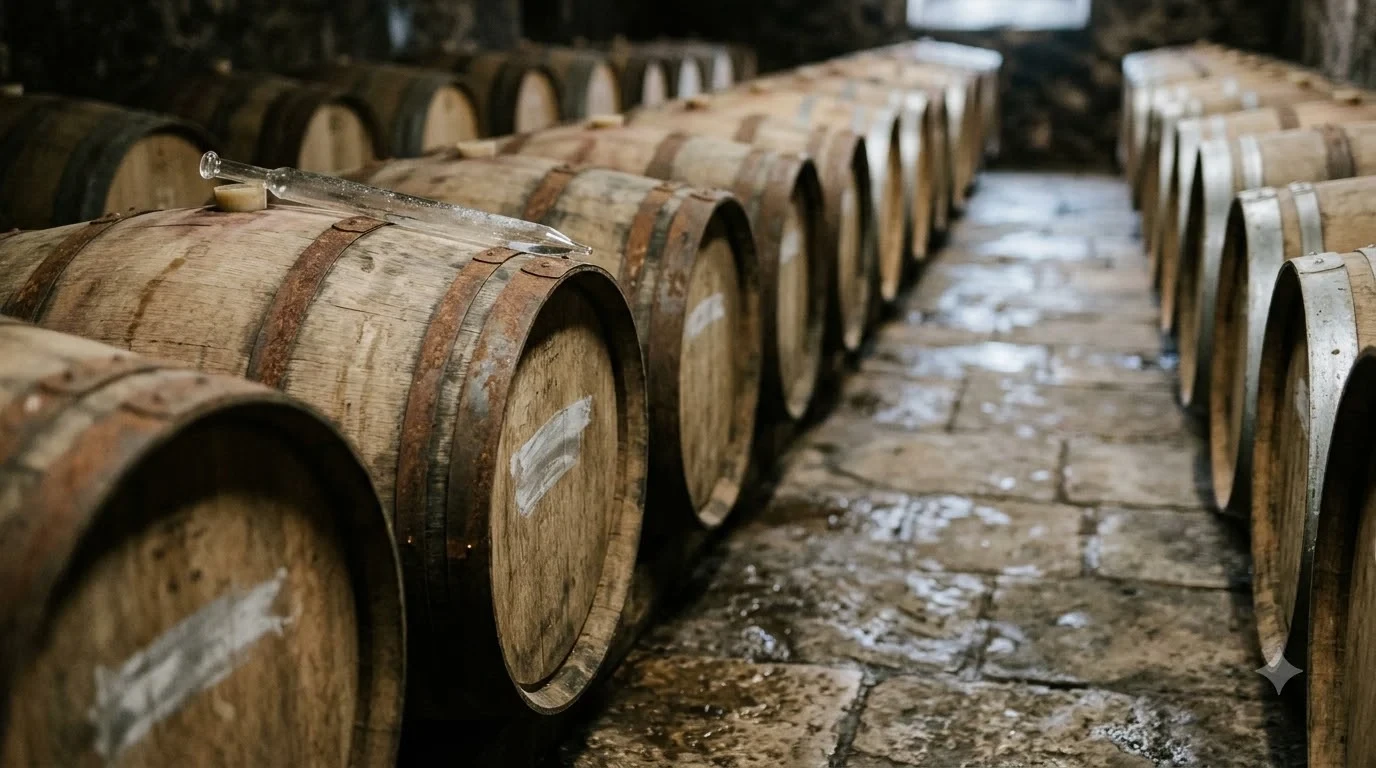
By contrast, vines grown under cooler conditions or on stressed, rocky soils produce smaller berries with a higher skin-to-juice ratio. That concentration delivers denser tannins and brighter natural acidity, which hold the wine together while oxygen slowly enters through the cork. Extended maturation in French oak barrels adds further tannin structure and subtle spice, giving top bottlings the framework needed to evolve for more than a decade without losing their core vitality.
Aging Windows by Style and Region
The clearest way to predict malbec aging potential is to look at regional style and cellar tier, ranging from unoaked table reds to high-altitude icons. While Wine by Type guides often group Malbec with other full-bodied reds, its lifespan varies dramatically between entry-level bottlings and benchmark estates.
In Argentina’s Mendoza region, vineyard altitude plays a decisive role in longevity. Accessible, fruit-driven bottles from entry-level to mid-tier producers are best enjoyed within five to nine years or sooner, emphasizing juicy fruit and soft tannins. Moving higher into established sub-regions like Maipú, Agrelo, and Vista Flores, well-crafted Malbecs maintain vibrant dark fruit, balanced acidity, and oak integration that allow them to develop over 10 to 14 years. At the top tier, Wine Folly notes that high-elevation Uco Valley and premier Luján de Cuyo bottlings can age for 15 to 25 years or more, unfolding layers of dark chocolate, mineral character, and savory depth.
Across the Atlantic in Cahors—Malbec’s ancestral home in southwestern France, where locals also call the grape Côt—the wines are built on a tighter, more rustic frame. Grown along the River Lot valley gravels and chalky limestone terraces, French Malbec typically exhibits firmer tannins, higher acidity, and lower alcohol around 12.5% to 13.5% ABV compared to Argentina’s 14% to 15% ABV. As reviewers at Wine Enthusiast point out, young Cahors wines often need at least three to five years in bottle just to soften their firm tannic core, with top estate cuvées maturing for 10 to 20 years.
| Malbec Style / Tier | Typical Aging Window | Key Structural Traits | Peak Flavor Profile |
|---|---|---|---|
| Everyday / Unoaked Malbec | 2 to 5 years | Soft tannins, moderate acidity, minimal oak | Fresh blackberry, ripe plum, violet |
| Mid-Tier Mendoza (Maipú, Agrelo) | 5 to 12 years | Medium-plus tannins, integrated oak, steady acidity | Black cherry, cocoa, baking spice |
| Traditional Cahors (France) | 5 to 15+ years | Firm, chalky tannins, higher acidity, lower ABV | Black plum, leather, tobacco, earthy herbs |
| High-Altitude Uco Valley Reserve | 15 to 25 years | Dense tannins, bright mountain acidity, French oak | Dried dark fruit, dark chocolate, graphite |
How Malbec Flavors Evolve Over Time
As Malbec matures in the cellar, its bold primary fruit steps back to reveal tertiary aromas of leather, tobacco leaf, cocoa, and forest floor. At the same time, long-chain tannin molecules bind together and fall out of suspension as harmless sediment, transforming an astringent grip into a silky mouthfeel.
In its youth—roughly the first one to three years after vintage—Malbec announces itself with an opaque, inky purple color and expressive aromatics of crushed blackberries, black plums, and signature floral notes of violet. On the palate, the fruit feels exuberant and jammy, especially in warm-climate Argentine bottlings, while young Cahors examples can feel tightly wound and drying on the gums.
Between five and ten years, the wine enters a harmonious middle phase. The purple rim shifts toward deep garnet, and oak-derived notes of vanilla, mocha, and toasted cedar meld smoothly with the dark fruit. Beyond the ten-year mark, well-stored benchmark bottles shed any remaining sweetness, taking on savory nuances of dried fig, espresso, black pepper, and damp earth. Comparing this trajectory to pinot noir aging potential highlights a clear difference: while aged Pinot Noir turns delicate, translucent, and red-fruited, mature Malbec retains a velvety weight and dark, brooding complexity.
Ideal Storage Conditions for Cellaring Malbec
Even a cellar-worthy Malbec will spoil prematurely if stored in a warm kitchen or an upright rack under bright lights. Consistent temperature, moderate humidity, and darkness are essential to keep chemical reactions moving at a slow, even pace.
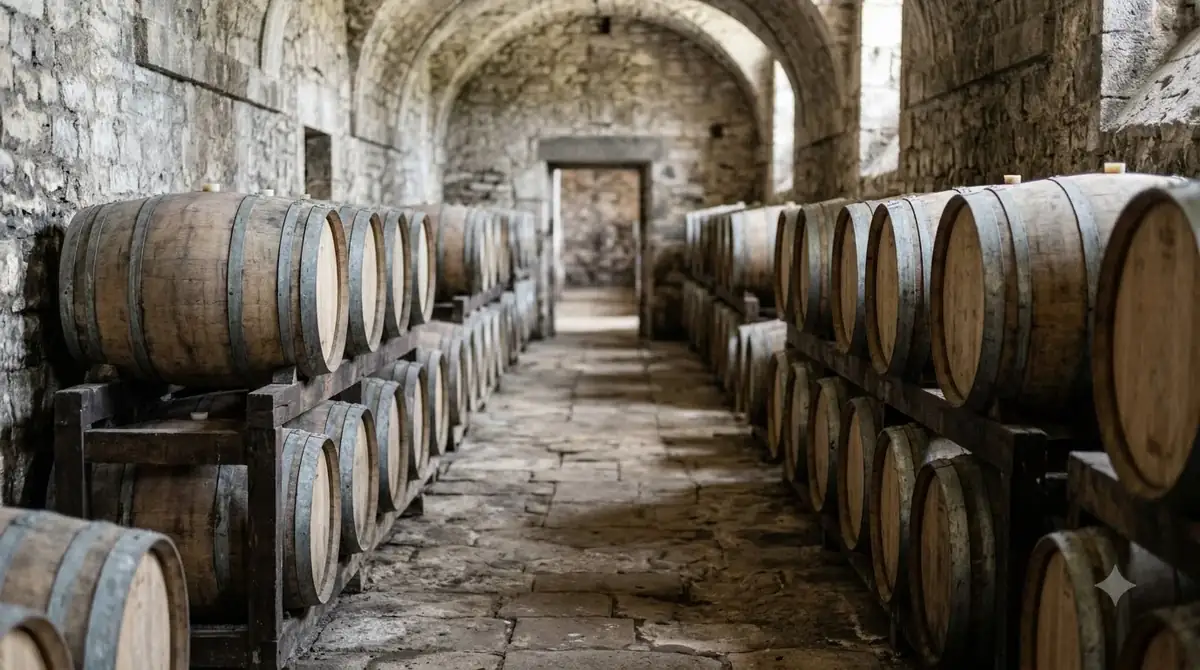
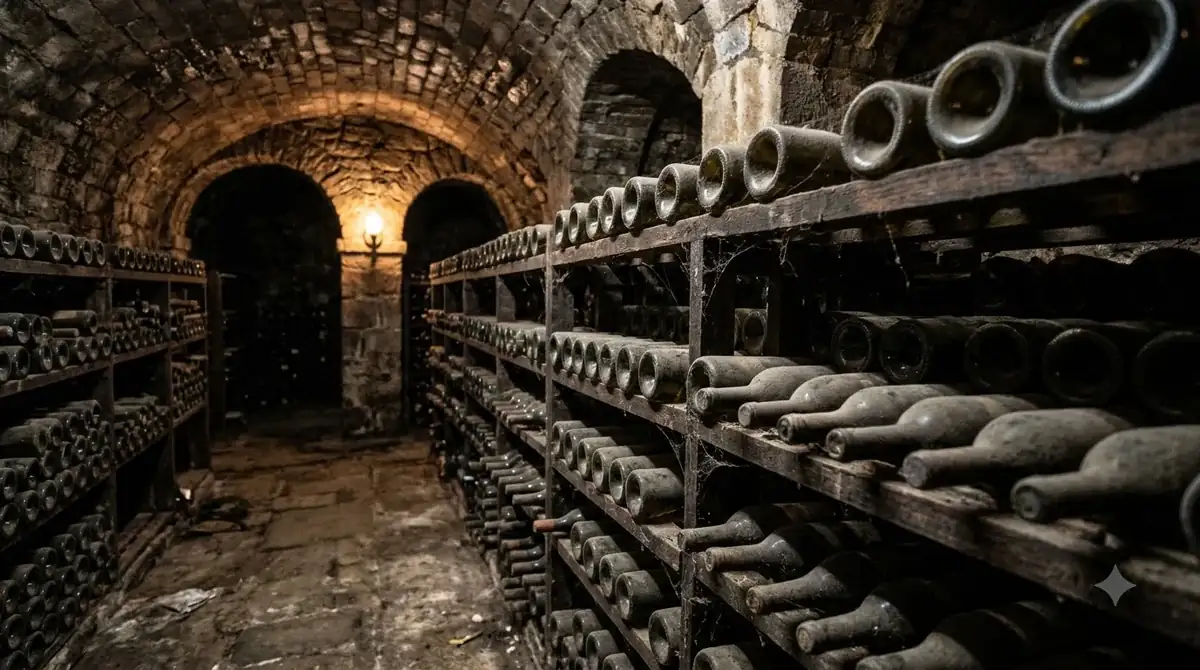
Keep unopened bottles lying horizontally at a steady temperature around 55°F (13°C), with relative humidity near 70% so natural corks stay supple and airtight. Fluctuating temperatures—such as a garage or closet that swings between winter chill and summer heat—cause the liquid inside to expand and contract, pushing wine past the cork or drawing excess oxygen into the bottle. Ultraviolet light also degrades delicate aromatic compounds, which is why dark glass and dim storage spaces protect long-term quality.
Once a bottle is opened, oxidation accelerates rapidly. Re-cork leftover Malbec tightly and store it upright in the refrigerator to slow down spoilage; most bottles will stay fresh and enjoyable for three to four days before the fruit flattens out.
Tip: When buying a young, tannic Cahors or high-elevation Uco Valley Malbec to drink tonight, decant it for 30 minutes to 2 hours before serving to mimic the softening effect of several years in the cellar.
Signs Your Bottle Is at Its Peak or Past Its Prime
Evaluating a bottle’s readiness starts before you pull the cork, using visual cues from the fill level and color alongside aromatic checks in the glass. Knowing how to spot a wine on the decline saves you from holding onto an everyday bottle long after its fruit has vanished.
Before opening, inspect the ullage—the small air gap between the bottom of the cork and the surface of the wine. A healthy bottle shows a fill level well into the neck, whereas a drop below the shoulder suggests air seepage and likely oxidation. Once poured, tilt the glass over a white napkin: a vibrant ruby or garnet hue signals active life, while a watery, brick-brown edge paired with aromas of stewed prunes, wet cardboard, or sharp vinegar means the wine has slipped past its peak.
If you prefer crisper, brighter styles over heavy aged reds, checking white wine aging potential guides can help you round out a cellar with earlier-drinking bottles while your reserve Malbecs rest.
Serving Aged Malbec at the Table
Older Malbec requires gentler handling and slightly cooler serving temperatures than a freshly released bottle to preserve its subtle bouquet. Serving it too warm exaggerates the alcohol and dulls the delicate earthy and floral notes that took years to develop.
Stand a bottle that has aged for eight years or more upright for 24 hours before dinner so fine sediment settles cleanly to the bottom. Serve Malbec slightly below room temperature, ideally between 60°F and 65°F (15°C to 18°C), in a large-bowled red wine glass that lets the aromatics gather. For bottles over a decade old, skip aggressive splashing in a wide decanter; instead, pour slowly into glasses and allow the wine 20 to 30 minutes to open naturally.
At the table, pair mature Malbec with dishes that match its softened tannins and savory depth. Roasted lamb shanks, beef stew with wild mushrooms, duck confit, and aged hard cheeses complement the leather and dried-fruit nuances without overpowering the wine’s refined finish. Those tracking meal macros alongside rich pairings can also review calories in malbec to plan portions around higher-alcohol reserve bottles.
Frequently Asked Questions
Does all Malbec get better with age?
No, the majority of Malbec sold in wine shops is made for early enjoyment within 2 to 5 years of the vintage date. Entry-level bottles rely on juicy primary fruit and soft tannins rather than heavy structure, so aging them longer simply dulls their freshness without adding complexity.
Which ages longer: Argentine Malbec or French Cahors?
On average, traditional French Malbec from Cahors has higher baseline aging potential than everyday Argentine Malbec because of its firmer tannins, higher acidity, and lower alcohol. However, top single-vineyard and high-elevation reserve bottlings from Mendoza’s Uco Valley rival Cahors, aging easily for 15 to 25 years.
How should you decant an older bottle of Malbec?
Handle bottles aged 10 years or longer gently so you do not disturb settled sediment or strip away fragile tertiary aromas. Stand the bottle upright a day ahead, pour slowly off the sediment into a narrow decanter or directly into large glasses, and let it breathe for about 20 to 30 minutes before drinking.
Can you age Malbec in a regular kitchen pantry or wine rack?
A kitchen rack is fine for holding an everyday bottle for a few months, but it is unsuitable for multi-year aging. Kitchens experience frequent temperature swings, warm cooking heat, and bright light that cook the wine and dry out the cork, so long-term bottles belong in a cool, dark space near 55°F.
Matching your drinking timeline to the style in your glass ensures you always catch Malbec at its best. Open vibrant, unoaked bottlings while their blackberry and violet character shines, and reserve cool cellar space for high-altitude Mendoza and classic Cahors releases built to reward your patience.
More in Wine Types & Grapes
 What Does Ruby Port Taste Like? Flavor Notes, Styles, and Serving TipsUpdated Nov 21, 2026
 What Does Ribolla Gialla Taste Like? Crisp White and Amber Styles ExplainedUpdated Nov 21, 2026
 What Does Semillon Taste Like? Flavor Profile, Styles & PairingsUpdated Nov 21, 2026
 What Does Scuppernong Taste Like? Flavor, Styles, and Pairing GuideUpdated Nov 21, 2026
 What Does Saperavi Taste Like? Flavors, Styles, and Pairing GuideUpdated Nov 21, 2026
 What Does Natural Wine Taste Like? Flavors, Styles, and Serving TipsUpdated Nov 21, 2026