

We may earn a commission when you buy through links on this page, at no extra cost to you. Learn more.
Does barolo need to breathe? Yes, most young Barolo benefits from breathing for 1-2 hours before serving, while older bottles usually need considerably less aeration. Made from Nebbiolo grapes, Barolo has powerful tannins, high acidity and complex aromas that can take time to develop. The right approach depends on the bottle’s age, winemaking style and condition, because too much oxygen can diminish the delicate aromas of mature wine.
Barolo is one of Italy’s most structured and age-worthy red wines, but opening a bottle does not always mean it is immediately ready to drink. A young example can seem tight, firm and restrained, even when it has considerable depth. Giving it time to breathe can make the fruit more expressive and the tannins feel better integrated. However, an older bottle may already be beautifully developed and require only a careful pour. Understanding when to decant, how long to wait and what to look for will help you serve Barolo without sacrificing its character.
Why Barolo Benefits From Breathing
Barolo often benefits from exposure to oxygen because Nebbiolo combines substantial tannin with high acidity and concentrated aromas. A little aeration can make a young bottle more expressive, allowing its fruit, floral notes and savory character to emerge.
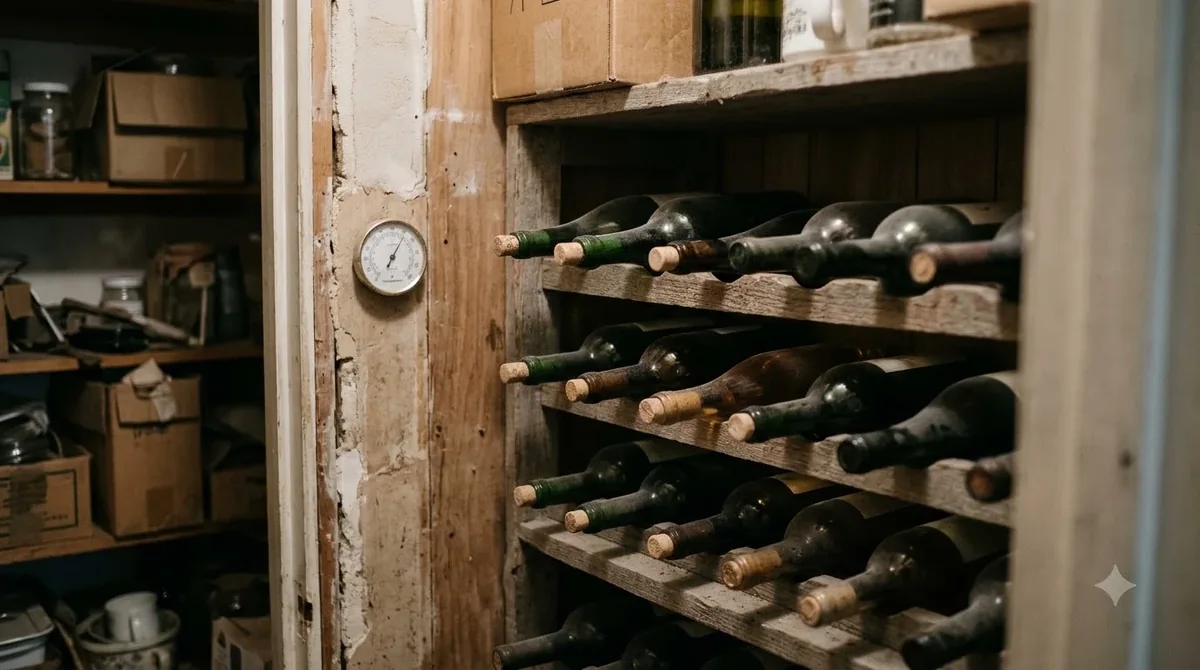
Barolo comes from the Langhe hills of Piedmont in northwestern Italy and is made from Nebbiolo. Although its color can be relatively pale compared with Cabernet Sauvignon or Syrah, its structure is considerable. Nebbiolo is famous for firm, sometimes aggressive tannins, which can make a recently opened bottle feel dry and restrictive across the gums.
Oxygen does not remove tannins from wine or instantly change its underlying composition. Instead, exposure to air can alter the way aromas develop and how the wine feels during a tasting. A young Barolo that initially seems closed may gradually reveal more red fruit, floral detail and savory complexity. Its tannins can also seem less severe as the wine opens and the different components become easier to appreciate together.
The aromatic profile is another reason to give Barolo some time. Common descriptors include dried and fresh roses, sour cherry, redcurrant, violets, licorice, tar, leather and black tea. These characteristics do not necessarily appear together in every bottle. Their intensity depends on the vintage, vineyard, producer and bottle age.
The Wine Society’s guide to Barolo describes the grape’s high acidity and powerful tannins, explaining why the wine can require bottle aging before its components become balanced. Its discussion of aromatic development also helps explain why decanting can be useful. Read its guide to Barolo and Nebbiolo’s distinctive characteristics for more regional context.
Breathing is particularly useful when the first pour seems muted or the wine feels hard and compressed. However, a bottle that already smells expressive and tastes balanced does not need to spend hours in a decanter simply because it is Barolo. The purpose is to help the wine show its existing qualities, not to make every bottle taste the same. For a broader explanation of aeration techniques and the differences between young and mature reds, see our guide to whether red wine needs to breathe.
How Long Different Ages of Barolo Should Breathe
The age of the bottle provides the best starting point for deciding how long Barolo should breathe. Young examples generally benefit from longer aeration, while mature wines need a gentler approach to protect their developed aromas.
The following timings are practical starting points rather than fixed requirements. They reflect guidance from Barolo producer Manzone Giovanni and should be adjusted according to the wine’s condition and development. Bottle age refers to the approximate time since the vintage, not the number of years since purchase.
| Barolo age | Suggested breathing time | Recommended approach |
|---|---|---|
| Under 5 years | 2-3 hours | Broad decanter; check after 1 hour |
| 5-10 years | 1-2 hours | Decant and reassess periodically |
| 10-15 years | 45-90 minutes | Gentle aeration and regular tasting |
| 15-20 years | 30-60 minutes | Begin with a small pour and assess |
| 20-30 years | Minimal aeration; often 10-30 minutes | Decant gently if needed |
| Over 30 years | Serve promptly after careful handling | Separate sediment only when necessary |
These ranges are deliberately conservative for mature bottles. A 25-year-old Barolo in excellent condition might benefit from a short period of air, but another bottle of the same age could be fragile and lose its fragrance quickly. Storage conditions, vintage characteristics and the winemaker’s approach all influence how a wine develops.
For a young Barolo, start with approximately two hours in a decanter. Particularly concentrated wines from structured vineyard sites may benefit from closer to three hours. A bottle from a warmer vintage or a more approachable modern style might be ready much sooner.
For a bottle between 10 and 20 years old, begin with approximately 30-60 minutes and taste again. Some wines need additional time, while others are already open and expressive. Manzone Giovanni’s recommendations include 30-90 minutes for many wines in this age range.
With mature Barolo, the objective changes from opening a tightly structured wine to preserving an already developed one. A short, careful decant may help remove sediment, but prolonged exposure can weaken its delicate bouquet. The wine should generally be served shortly after this process rather than left in a wide decanter for several hours.
Tip: If you are uncertain about the timing, pour a small glass as soon as the bottle is opened. Taste it again after 20-30 minutes. If the aromas become more expressive and the tannins feel more integrated, continue allowing it to breathe. If the wine already seems delicate and fully developed, serve it rather than waiting longer.
How Bottle Age and Winemaking Affect Aeration
Two Barolos from the same vintage can respond very differently to oxygen. Vineyard location, soil composition, fermentation choices and oak aging all influence the wine’s structure, making bottle age only one part of the decision.
The Barolo DOCG includes 11 communes, among them La Morra, Barolo, Monforte d’Alba, Serralunga d’Alba and Castiglione Falletto. Each location contains vineyards with distinctive exposures, elevations and soils. These differences can influence the concentration, aromatic character and firmness of the finished wine.
In broad terms, wines from areas associated with Tortonian blue-gray marl can be more aromatic and approachable when young. Other areas with greater clay and sand content can produce denser, firmer wines that often require more time to become balanced. These are regional tendencies rather than rules that apply to every individual vineyard.
The differences between traditional and modern Barolo also matter. Traditional producers have historically favored longer macerations, sometimes lasting 30 days or more, and extended aging in large, older oak vessels. These techniques can contribute to substantial tannic structure and a wine that takes time to become expressive.
Modernist producers generally favor shorter macerations and smaller oak barrels, sometimes incorporating new French oak. The results can be more immediately approachable, although there is no universal relationship between winemaking style and the amount of breathing required. A modern Barolo can still be concentrated and firm, while a traditionally made example can occasionally show beautifully from the first pour.
Decanter’s discussion of the traditional and modern approaches to Barolo highlights how fermentation length and oak choices affect the wine’s structure. Its article, Barolo, ancient and modern, provides useful context for understanding why different bottles respond differently to aeration.
Vintage conditions matter as well. A cooler growing season can produce wines with a particularly firm structure, while warmer conditions may result in more immediately accessible fruit and softer impressions of tannin. These tendencies are not guarantees, so it is better to assess the bottle than assume every wine from a particular year requires the same treatment.
How to Tell Whether Your Barolo Needs More Air
The best way to judge whether Barolo needs more breathing time is to evaluate its aroma, texture and overall balance. A closed nose and hard, compressed palate suggest that additional aeration may help, while an expressive bouquet and delicate texture indicate that the wine is ready.
Start by pouring a small amount into a large wine glass. Give it a gentle swirl and smell it before taking a sip. Young Barolo can initially show restrained fruit, firm structure and a somewhat closed aromatic profile. You may notice sour cherry or rose petals only after several minutes in the glass.
Look for the following signs when deciding whether to give the bottle more time:
- Muted aromas: The wine has little fragrance immediately after opening, despite having no obvious fault. A short period of aeration may help its floral and fruit notes emerge.
- Firm, drying tannins: The wine feels tightly structured and leaves a strong drying sensation on the gums. A young bottle may become more harmonious with additional air.
- Restrained fruit: Sour cherry, cranberry and redcurrant seem difficult to detect. More time in the glass or decanter may reveal these characteristics.
- Developing complexity: Rose, tar, licorice, leather and earthy notes become easier to distinguish as the wine opens.
- Fading fragrance: The aromas become weaker rather than more expressive. This can indicate that a mature bottle has received enough oxygen and should be served promptly.
Do not assume that powerful tannins automatically mean the wine needs hours of aeration. Barolo is naturally structured, and a firm finish can be part of its intended character. The aim is to achieve a more harmonious impression without removing the tension that makes Nebbiolo distinctive.
It is also important to distinguish a closed wine from a wine with a fault. A restrained young Barolo can become more expressive with oxygen, but a cork-tainted bottle will not become sound through decanting. Similarly, unpleasant persistent aromas should not automatically be treated as a sign that the wine needs more time.
Repeat the same assessment after 20-30 minutes. Compare the fruit, floral aromas, tannin and finish rather than focusing on a single characteristic. If the wine is becoming more balanced, continue gradually. If it is losing freshness or fragrance, there is little reason to extend the aeration period.
How to Decant Barolo Without Losing Its Character
Decanting is a straightforward way to introduce oxygen to young Barolo and separate older wine from natural sediment. The technique should match the bottle’s age: use a broader decanter for a young, firm wine and a slower, gentler pour for a mature one.
Decanting young Barolo
Choose a clean decanter with a broad base and enough room for the wine to spread across a relatively large surface. Open the bottle, pour a small taste and then transfer the remaining wine steadily into the decanter.
For a young bottle, pouring down the inside wall of the decanter is sufficient. There is no need to shake, splash or aggressively agitate the wine. Let it stand for approximately one hour before checking its development, then reassess every 20-30 minutes if it still feels closed.
A young Barolo from a particularly structured vintage might need two or three hours, while a more approachable example may be ready in less than an hour. The timing should reflect what is happening in the glass rather than a predetermined schedule.
Handling mature Barolo
Older bottles require a different technique because they can contain sediment and have delicate aromas that are easily diminished by excessive exposure to oxygen.
If possible, stand the bottle upright for at least 24 hours before opening. This gives sediment time to settle at the bottom rather than remaining suspended throughout the wine.
Open the bottle carefully and inspect the wine as you pour. A light behind the bottle’s neck can help you see when sediment begins moving toward the shoulder. Transfer the clear wine slowly into a narrow decanter or serving vessel, stopping when sediment approaches the neck.
Do not leave a mature Barolo in a broad decanter for hours. Its developed aromas may be more fragile than the primary fruit of a young bottle. If the wine is already expressive, serve it promptly after separating the sediment.
When you do not have a decanter
A decanter is helpful but not essential. Barolo can breathe in the glass, although the process is slower because less of the wine is exposed to air at one time.
For a young bottle, open it and pour a modest amount into each glass. Swirl gently and allow the wine to develop while you prepare the meal. Revisit the first glass after 20-30 minutes to see whether the aromas and texture have changed.
This approach is particularly useful if you are serving several guests over a long dinner. Instead of exposing the entire bottle to oxygen at once, you can observe the wine’s development as you pour successive servings.
Serving Temperature, Glassware and Food Pairings
Barolo should be served slightly cool, generally around 60-65°F, with enough room in the glass for its aromas to develop. Proper temperature and suitable food pairings can make the wine feel more balanced without requiring excessive aeration.
Although red wine is often served at room temperature, a warm dining room can make Barolo seem overly alcoholic and less defined. A serving range of 60-65°F is a useful target for a full-bodied red wine. The slightly cooler temperature helps maintain freshness while allowing Nebbiolo’s floral and savory aromas to remain expressive.
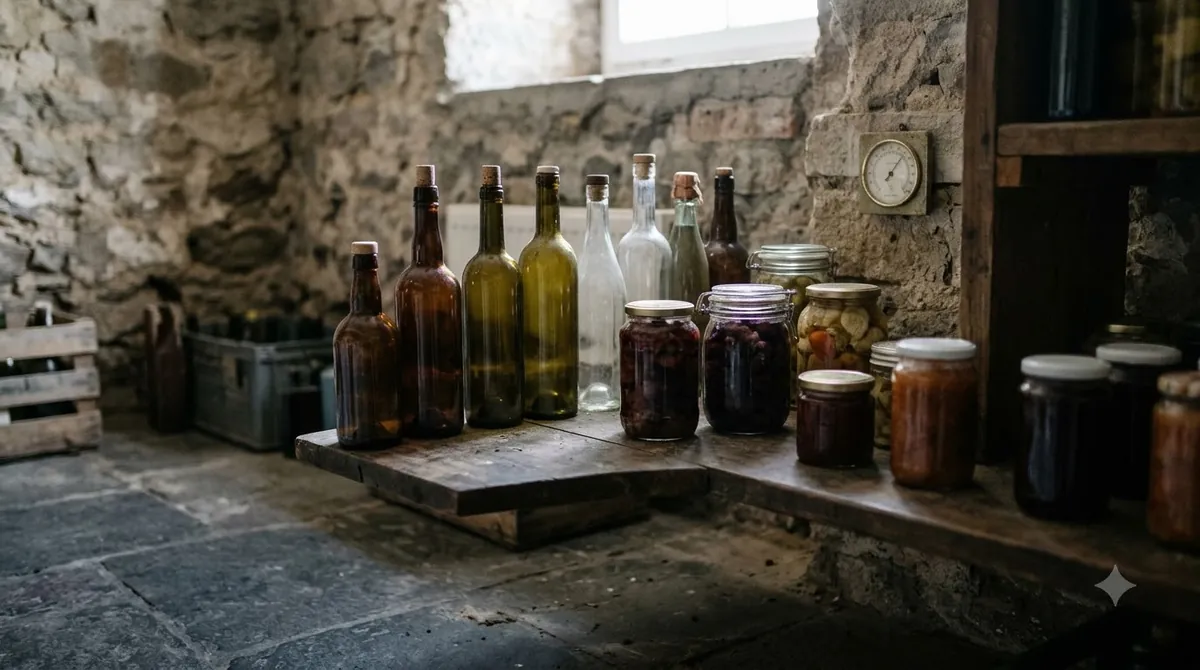
If the bottle has been stored at approximately 55°F, it may be close to serving temperature already. If it has been sitting in a warm room, place it in a cooler area briefly before pouring. Avoid serving it excessively cold, because low temperatures can make tannins seem firmer and mute the aromatic detail.
Glassware is also important. Choose a large-bowled red wine glass with enough space for the wine to move when swirled. A generous bowl allows aromas of roses, sour cherry, dried herbs and leather to gather above the wine. It also makes it easier to observe how the wine develops throughout dinner.
Food can change how you perceive Barolo’s structure. Salt and fat soften the impression of tannin, making rich dishes particularly useful companions for a young bottle. Braised beef, roasted meats and slow-cooked game are classic options because their texture and savory flavors complement Nebbiolo’s firm structure.
Mushroom dishes, especially preparations featuring porcini, are another strong choice. Truffles, earthy risotto and aged hard cheeses can complement the wine’s savory and aromatic characteristics. For a more traditional Piedmont-inspired meal, consider braised beef, mushroom risotto or a dish featuring local truffles.
Avoid assuming that every powerful dish is suitable. Very spicy food can make alcohol and tannin feel more pronounced, while delicate seafood can be overwhelmed by a young Barolo’s structure. The best pairing should provide enough richness and flavor to complement the wine without masking its more subtle characteristics.
When planning a dinner, consider opening the wine approximately one hour before serving the main course if it is young. This gives the wine an opportunity to develop while the food is being prepared. For a mature bottle, open it closer to the meal and adjust the handling according to its condition.
Other Italian reds can require quite different treatment. For example, whether Beaujolais needs to breathe depends on its lighter-bodied Gamay character and style, rather than Barolo’s substantial Nebbiolo tannins. Similarly, the richer structure of Châteauneuf-du-Pape creates a different aeration question, particularly for younger bottles.
Frequently Asked Questions
Can Barolo breathe overnight?
Leaving Barolo in a decanter overnight is generally not recommended, particularly if it is already mature. Extended exposure can cause its floral and delicate secondary aromas to fade. A young, tightly structured bottle may benefit from several hours of aeration, but it is better to reassess it periodically rather than leave it unattended overnight.
Does Barolo improve after opening the bottle?
Many young Barolos become more expressive during the first few hours after opening. Their aromas may develop from restrained fruit into more noticeable floral, herbal and earthy notes. However, opening a bottle does not guarantee improvement, and some mature examples are at their best shortly after the cork is removed.
Can you put Barolo back in the bottle after decanting?
Yes, you can return decanted wine to its original bottle if the bottle and decanter are clean. This practice is sometimes called double decanting and can be useful when preparing wine for a dinner. Use a clean funnel and avoid unnecessary splashing, especially with older Barolo.
Does Barolo develop more complexity after bottling?
Yes. Bottle aging allows Barolo’s primary fruit characteristics to evolve into more complex aromas and flavors. Depending on the vintage and producer, these can include dried flowers, tobacco, forest floor, truffle and leather. The development is gradual and depends heavily on consistent storage conditions.
How long can an unopened Barolo be stored?
Many quality Barolos can age for 10-20 years or longer, while exceptional examples may develop over several decades. Barolo Riserva wines generally have longer minimum aging requirements before release than standard Barolo. For long-term storage, a stable temperature close to 55°F, darkness and humidity around 60-70% are useful cellar conditions.
For most young bottles, giving Barolo approximately one to two hours to breathe is a sensible starting point, while concentrated examples may need longer. Mature bottles deserve more careful treatment, with minimal aeration and gentle handling to preserve their developed aromas. Taste as you go, adjust the timing to the wine in your glass, and let Barolo’s distinctive Nebbiolo character guide the final decision.
More in Wine Types & Grapes
 What Does Ruby Port Taste Like? Flavor Notes, Styles, and Serving TipsUpdated Nov 21, 2026
 What Does Ribolla Gialla Taste Like? Crisp White and Amber Styles ExplainedUpdated Nov 21, 2026
 What Does Semillon Taste Like? Flavor Profile, Styles & PairingsUpdated Nov 21, 2026
 What Does Scuppernong Taste Like? Flavor, Styles, and Pairing GuideUpdated Nov 21, 2026
 What Does Saperavi Taste Like? Flavors, Styles, and Pairing GuideUpdated Nov 21, 2026
 What Does Natural Wine Taste Like? Flavors, Styles, and Serving TipsUpdated Nov 21, 2026