

We may earn a commission when you buy through links on this page, at no extra cost to you. Learn more.
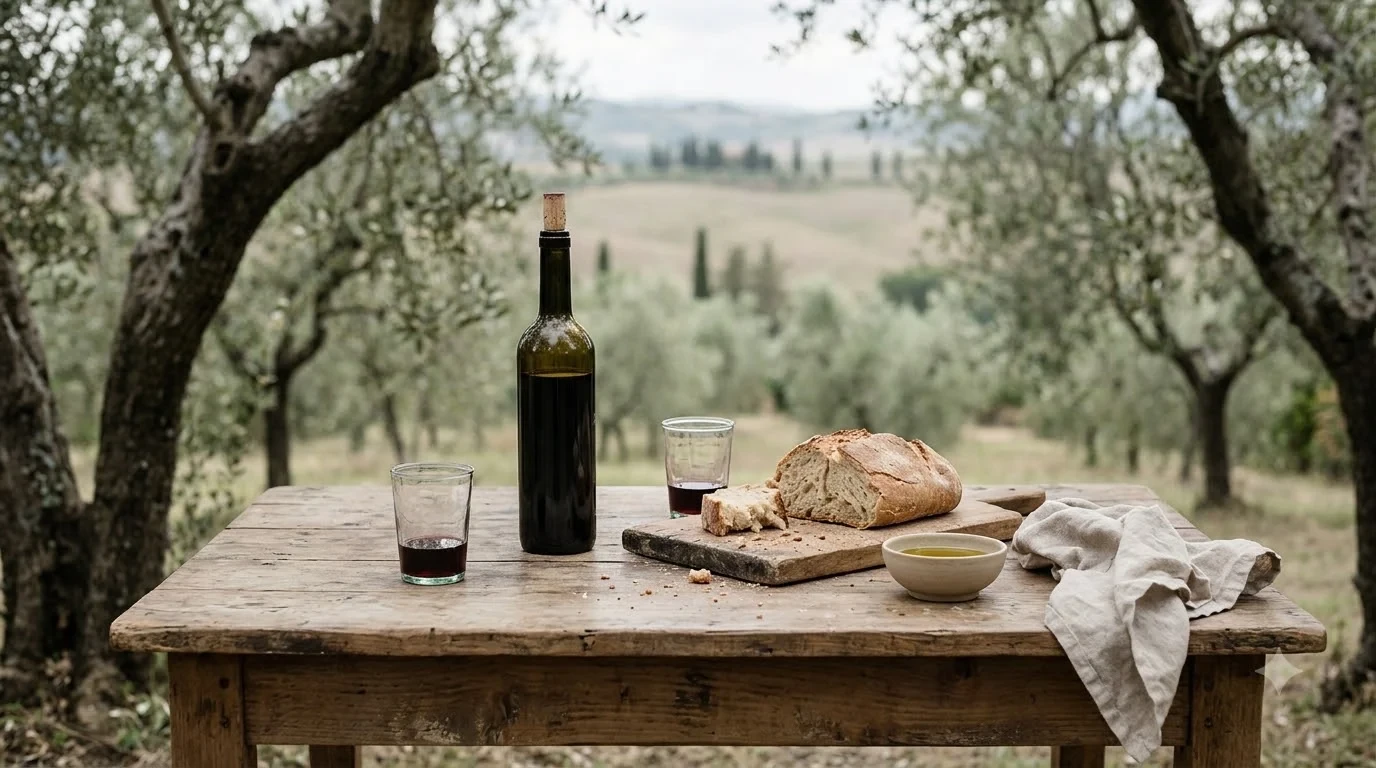
Corvina food pairing works best with Italian favorites such as tomato-based pasta, pizza, grilled chicken, roasted meats, mushrooms and aged cheeses. This northern Italian red grape produces wines with lively acidity, cherry and red berry flavors, and generally moderate tannins. Lighter Valpolicella suits everyday meals, while richer Ripasso and Amarone call for more substantial dishes such as braised beef, venison and mature cheeses.
Corvina is one of the defining grapes of Veneto, especially the hills around Verona and the Valpolicella wine region. Its food-friendly character comes from a useful combination of fruit, acidity and relatively gentle tannins. However, the right dish depends on the style in your glass. A fresh Valpolicella needs different food from a concentrated Amarone made with dried grapes. Understanding these differences makes it easier to choose satisfying combinations, whether you are preparing a simple weeknight pasta or planning a traditional Italian dinner.
Understanding Corvina’s Flavor and Structure
Corvina pairs particularly well with dishes that complement its red fruit, freshness and moderate tannins. Its characteristic cherry flavors, pleasant acidity and occasional almond-like finish make it a natural companion for tomato sauces, roasted poultry, mushrooms and savory cheeses.
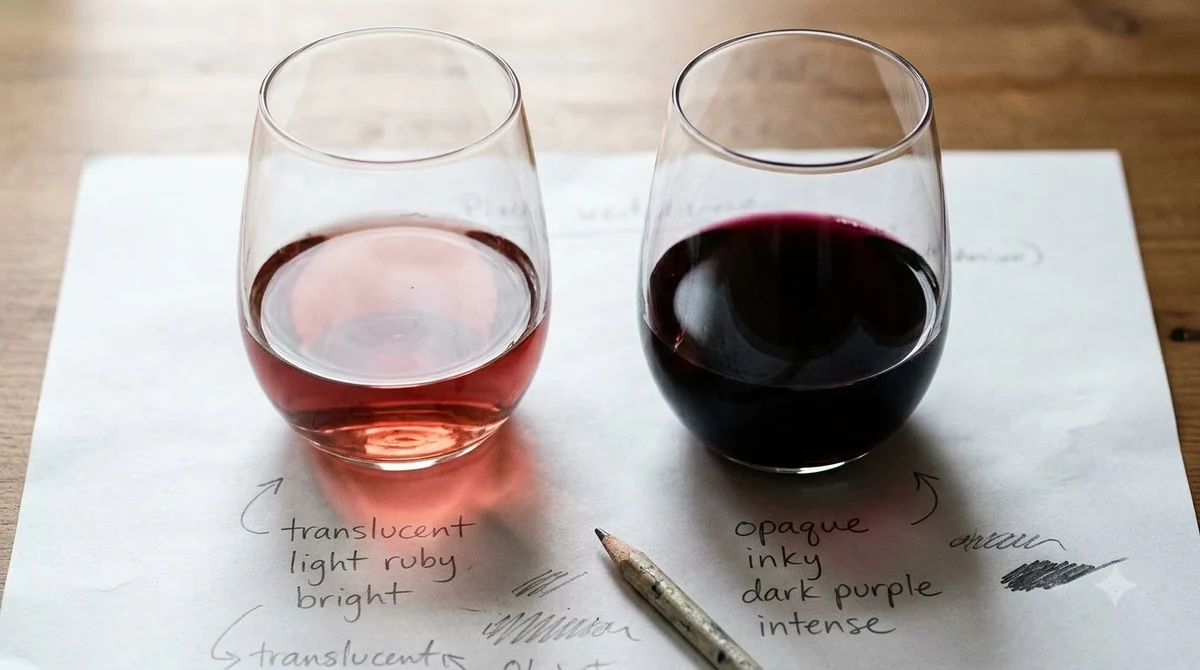
Corvina comes primarily from Veneto in northeastern Italy, particularly the vineyards around Verona and Lake Garda. It is the leading grape in Valpolicella wines and contributes structure, aromas and softness to regional blends. Although producers sometimes bottle it on its own, Corvina is commonly combined with varieties such as Rondinella and Corvinone. The Valpolicella wine consortium’s grape variety overview explains the different contributions these local varieties make to regional wines.
In a lighter wine, expect fresh red cherries, raspberries and sometimes a slightly tart character. The acidity helps refresh the palate between bites, while moderate tannins provide enough structure for meat without overwhelming delicate preparations. Some examples also have a subtle almond-like bitterness on the finish, a useful feature when matching savory dishes.
Corvina’s character changes considerably with production methods. A straightforward Valpolicella generally emphasizes fresh fruit and drinkability. Ripasso develops additional concentration and body through contact with Amarone grape pomace, while Amarone gains richness through the drying of harvested grapes. These differences influence both the weight and flavor intensity of suitable food.
A 100% Corvina Veronese IGT from Tenuta Falezza, for example, has a bright ruby color and aromas of red fruits and macerated cherries, with lightly toasted notes. Its technical specifications include 13.5% alcohol and 6.5 grams per liter of acidity. The producer recommends serving this particular wine with light meals, white meats, boiled meats and semi-seasoned cheeses.
When choosing a dish, think about three characteristics:
- Acidity: Corvina’s freshness makes it particularly compatible with tomato sauces, roasted vegetables and dishes containing herbs or moderate amounts of vinegar.
- Tannin: Its generally rounded tannins suit poultry, pork, beef and cheese without requiring extremely rich preparations.
- Fruit: Cherry and berry flavors complement grilled vegetables, mushrooms, herbs, cured meats and savory sauces.
These characteristics explain why Corvina is more versatile than some heavier Italian reds. It can accompany an entire casual meal, from antipasti and pizza to roast chicken and a plate of cheese, provided the wine’s weight matches the food.
Best Pasta, Pizza and Everyday Italian Dishes
Tomato-based pasta, pizza and traditional Italian meat sauces are among the strongest matches for young Corvina and ordinary Valpolicella. The wine’s lively acidity complements tomato, while cherry fruit and moderate tannins work naturally with herbs, cheese and savory toppings.
Start with spaghetti Bolognese. The combination of tomato, ground beef, onion and herbs provides enough savory depth for a medium-bodied red without overwhelming its fruit. Corvina’s freshness also cuts through the richness of a meat sauce, making each bite feel balanced.
Penne arrabbiata is another natural choice, particularly when the sauce has moderate rather than aggressive chili heat. Tomato acidity and garlic complement the wine, while its red-fruit flavors provide a pleasant contrast to the savory sauce. Keep the chili restrained because alcohol and tannin can make intense heat feel stronger.
For pizza, choose toppings that emphasize savory ingredients rather than excessive sweetness. Margherita, mushroom pizza, Italian sausage and roasted peppers are reliable options. A pizza topped with tomato, mozzarella and basil is particularly suitable for a youthful Valpolicella because the wine’s fruit and acidity complement the sauce and cheese.
Pasta dishes worth trying
- Spaghetti Bolognese: Ground beef, tomato and herbs create a balanced combination with cherry-driven Corvina.
- Penne arrabbiata: Tomato and garlic match the wine’s acidity, provided the chili remains moderate.
- Lasagna: Meat sauce, pasta and melted cheese provide enough richness for a medium-bodied Valpolicella or a fuller Ripasso.
- Mushroom risotto: Earthy mushrooms complement the savory side of Corvina, while the wine’s acidity balances the creamy rice.
- Tagliatelle with ragù: A particularly suitable match for richer Valpolicella styles, especially Ripasso.
Pizza deserves similar attention. A simple Margherita emphasizes freshness, whereas sausage, mushrooms and roasted vegetables create a more savory combination. If the pizza contains a generous amount of cheese, the fat softens the perception of tannin and allows the fruit to come forward.
For pasta with cream-based sauces, choose a fuller Corvina rather than the lightest Valpolicella. Mushroom cream sauce, for example, has enough richness and earthy flavor to work with a Ripasso. A very delicate cream sauce may be overwhelmed by a heavily concentrated Amarone.
Corvina also works with antipasti. Try prosciutto, salami, marinated mushrooms, grilled eggplant and bruschetta with tomato. These small dishes provide different textures and intensities without overpowering a fresh red wine.
Tip: When serving Corvina with Italian food, match the wine to the sauce rather than concentrating only on the main ingredient. Tomato-heavy pasta generally suits fresh Valpolicella, while meat-heavy ragù and baked lasagna are better candidates for Ripasso.
If you enjoy exploring other Italian-inspired red wine combinations, compare these suggestions with carignan food pairing. Carignan offers another useful example of how acidity, fruit and tannin influence the best dishes for a red wine.
Meat, Poultry and Grilled Food Pairings
Corvina pairs well with roasted chicken, pork, grilled sausages, beef and slow-cooked meat dishes. Lighter wines suit poultry and simply seasoned preparations, while Ripasso and Amarone have the concentration needed for braised beef, lamb and game.
Roast chicken is an excellent starting point. Rosemary, thyme, garlic and lemon provide aromatic flavors that complement Corvina’s cherry fruit without making the dish excessively heavy. A young Valpolicella is especially suitable for a whole roasted chicken served with potatoes and vegetables.
For pork, consider grilled tenderloin, roasted pork loin or Italian sausages. Pork has enough savory richness to complement the wine, while its relatively mild flavor allows the fruit to remain noticeable. Sausages with fennel, garlic and moderate seasoning work particularly well with a medium-bodied Ripasso.
Beef offers more options, especially with wines that have additional concentration. Grilled steak, burgers, short ribs and slow-cooked beef cheeks can all work. The preparation matters: a simple grilled steak with rosemary and salt is more suitable for an approachable Valpolicella Superiore, while braised short ribs need the depth of Ripasso or Amarone.
Matching meat to the wine style
- Roast chicken: Young Valpolicella with rosemary, garlic and roasted potatoes.
- Grilled pork tenderloin: Fresh Corvina with fennel, sage or thyme.
- Italian sausages: Valpolicella Ripasso with grilled peppers and onions.
- Beef burgers: Medium-bodied Corvina with mushrooms, caramelized onions and moderate seasoning.
- Braised short ribs: Amarone or a structured Ripasso with polenta.
- Venison stew: Amarone with mushrooms, herbs and a savory sauce.
Grilling introduces smoky and caramelized flavors that complement Corvina’s fruit. However, avoid covering the meat in an excessively sweet barbecue sauce. Too much sweetness can make a dry wine taste sharp or thin. A savory marinade with rosemary, garlic, olive oil and a little balsamic vinegar is generally a better direction.
Slow cooking also works well with richer Corvina wines. Beef cheeks braised with tomatoes, carrots, onions and stock provide concentrated savory flavors. Amarone can match this intensity, while Ripasso offers a slightly less powerful alternative.
Traditional Veneto cuisine provides further inspiration. Ossobuco, a slow-cooked veal shank preparation, is a particularly suitable match for Amarone. The meat’s texture and savory cooking liquid complement the wine’s concentrated fruit and spice. Pheasant and other game dishes also make good partners for structured examples.
Decanter highlights another interesting regional combination: pumpkin soup with roast chicken liver and traditionally styled Amarone. The sweetness of suitable pumpkin varieties and the savory depth of the liver create a more complex pairing than a simple meat dish. This example shows that Amarone does not always need a large steak to work well at the dinner table. Its Amarone food-pairing recommendations also discuss regional game dishes, handmade pasta with ragù and aged cheeses.
Cheese, Mushrooms and Vegetable Pairings
Corvina works particularly well with semi-aged and aged cheeses, mushrooms, grilled vegetables and savory vegetable preparations. Young Valpolicella suits mild cheeses and roasted vegetables, while Ripasso and Amarone can handle more mature, flavorful cheeses and concentrated mushroom dishes.
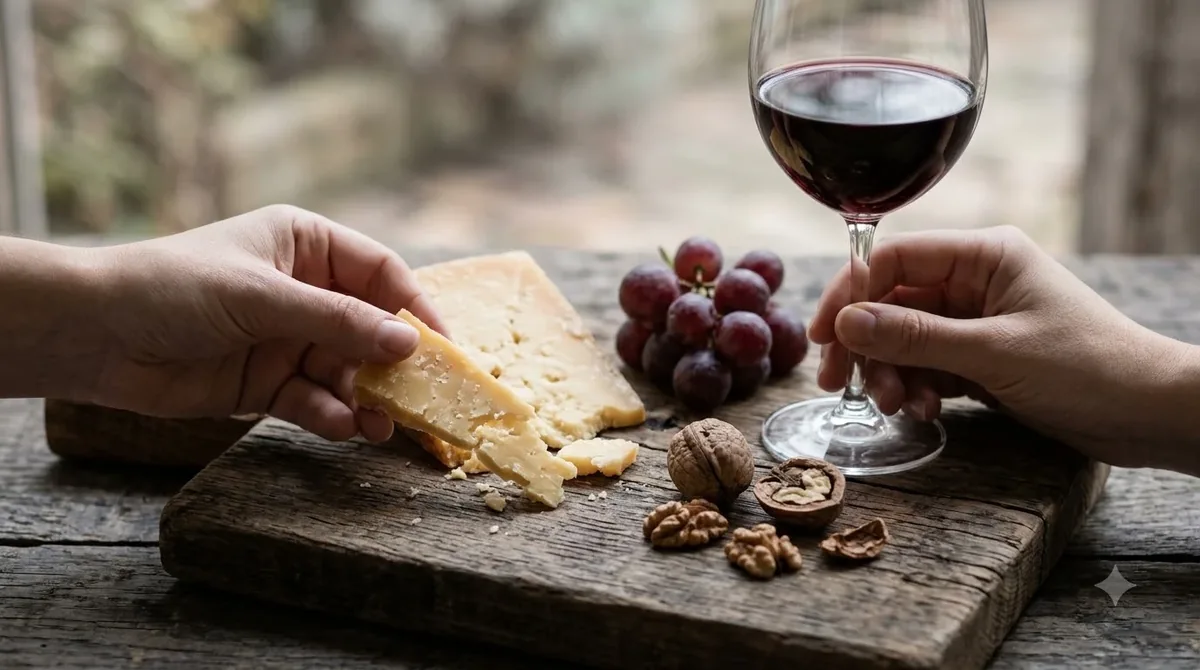
Cheese is one of the easiest ways to build a Corvina-friendly appetizer platter. For a lighter Valpolicella, try semi-aged cow’s milk cheese, mild provolone or young Asiago. These cheeses provide enough fat and savory character to balance the wine without overwhelming its fresh cherry aromas.
For Ripasso, move toward more mature cheeses. Gruyère and Appenzeller are useful examples because their deeper savory flavors complement the wine’s increased concentration. Aged Parmigiano Reggiano is another strong option, particularly with a structured Amarone.
Monte Veronese deserves special attention because it comes from the same broader region as Valpolicella. Its savory, sometimes herbaceous characteristics make it a natural partner for the concentrated fruit and complexity of Amarone. A cheese board featuring Monte Veronese, aged Parmesan and toasted bread provides a regional combination that feels coherent rather than complicated.
Vegetables and mushroom preparations
Mushrooms are especially versatile because their earthy flavors connect naturally with the savory characteristics found in many Corvina wines. Mushroom risotto, grilled portobello mushrooms and pasta with porcini are all suitable choices.
For a fresh Valpolicella, grilled zucchini, eggplant, bell peppers and tomatoes provide a lighter accompaniment. Their roasted flavors complement the wine’s fruit without requiring a substantial protein dish. Ratatouille, which combines several Mediterranean vegetables, is another good option.
Roasted root vegetables can also work, particularly when prepared with olive oil, rosemary and garlic. Carrots, onions and mushrooms create a savory side dish that suits both poultry and medium-bodied red wine.
Be careful with strongly bitter vegetables. Large portions of radicchio, charred kale or bitter greens can make a wine with noticeable acidity and almond-like bitterness seem more austere. Balance them with roasted onions, olive oil or a small amount of cheese.
Here are useful combinations for different occasions:
- Casual appetizer: Semi-aged Asiago, prosciutto and grilled eggplant with Valpolicella.
- Vegetarian main course: Porcini mushroom risotto with Ripasso.
- Cheese course: Aged Parmigiano Reggiano and Monte Veronese with Amarone.
- Weekend dinner: Roasted portobello mushrooms with rosemary and a medium-bodied Corvina.
- Simple side dish: Grilled zucchini, peppers and tomatoes with young Valpolicella.
These combinations also provide useful ideas for people who enjoy wines from different grape families. For a lighter white-wine alternative with vegetable dishes, see grenache blanc food pairing, which offers a different approach to freshness and food compatibility.
Choosing Food for Valpolicella, Ripasso and Amarone
The best Corvina food pairing depends heavily on how the grapes were processed and how concentrated the finished wine has become. Valpolicella is generally the lightest choice, Ripasso offers greater body and complexity, and Amarone delivers concentrated flavors suited to substantial dishes.
These wines share an important grape variety but do not behave identically at the table. Drying grapes for Amarone concentrates their components, producing a more powerful wine than a straightforward Valpolicella. Ripasso occupies an intermediate position, making it useful when an ordinary red seems too light but Amarone would be excessive.
Valpolicella: fresh and approachable
Standard Valpolicella is generally light to medium-bodied, with fresh cherry and red berry flavors. Its acidity and relatively soft tannins make it suitable for everyday Italian cooking, including pizza, pasta, chicken and cured meats.
Choose it for tomato sauces, grilled vegetables, light pork dishes and simple cheese boards. It is also a practical option for meals where several different foods are served together because its moderate structure does not dominate the plate.
Valpolicella Ripasso: richer and more savory
Ripasso gains additional body, alcohol and aromatic complexity through a second fermentation involving Amarone grape pomace. This production technique produces a wine with more depth than ordinary Valpolicella while retaining a useful level of freshness.
Pair Ripasso with lasagna, meat ragù, grilled sausages, mushroom risotto and mature cheeses. It is particularly effective with dishes that combine several savory elements, such as pork sausage with mushrooms and polenta.
Amarone: concentrated and powerful
Amarone is made using dried grapes, which develop concentrated flavors and produce a fuller, more powerful wine. Depending on the producer and style, alcohol can reach 15% and sometimes approach 17%, making food selection especially important.
Choose braised beef, venison, pheasant, ossobuco and aged hard cheeses. These dishes provide enough flavor intensity to stand alongside Amarone without being overwhelmed. Aged cheeses such as Parmigiano Reggiano and mature Monte Veronese are particularly suitable.
Recioto della Valpolicella deserves a separate mention because it is a sweet style rather than a dry red. Its raisin, plum and cocoa characteristics make it more suitable for chocolate desserts, dried fruit and blue cheese. For dessert, remember that the wine should be at least as sweet as the food so that it does not taste unpleasantly tart or thin.
The following comparison provides a practical starting point:
| Wine style | Typical character | Best food matches |
|---|---|---|
| Valpolicella | Light to medium-bodied, fresh cherry, lively acidity | Pizza, tomato pasta, chicken, vegetables |
| Ripasso | Medium-bodied to fuller, richer fruit, added complexity | Lasagna, sausages, mushroom risotto, mature cheese |
| Amarone | Full-bodied, concentrated dried fruit, spice | Braised beef, venison, ossobuco, aged Parmesan |
| Recioto | Sweet, concentrated raisin, plum and cocoa | Dark chocolate, Gorgonzola, dried fruit |
For another comparison of red-wine food compatibility, blaufrankisch food pairing provides a useful contrast. Blaufränkisch generally has a different balance of acidity, tannin and dark-fruit character, so its strongest matches are not always identical to those of Corvina.
Serving Temperature, Portions and Common Pairing Mistakes
Serving Corvina at an appropriate temperature helps preserve its fruit and balance. Lighter Valpolicella generally benefits from a slightly cooler serving temperature than fuller Ripasso and Amarone, while food choices should account for alcohol, acidity, sweetness and tannin.
For lighter Valpolicella, aim for approximately 55–60°F. This slightly cool temperature helps maintain freshness and keeps the red-fruit aromas lively. Fuller Corvina wines, including richer Ripasso and Amarone, generally benefit from approximately 60–65°F.
These ranges are useful starting points rather than rigid rules. A bottle served too warm can emphasize alcohol, while excessive chilling can suppress aromas and make tannins seem firmer. Avoid leaving a red wine beside a hot oven or in direct sunlight during dinner.
Pouring and serving
A standard wine pour is approximately 5 ounces, and a 750 ml bottle provides about five glasses. For a meal with several courses, this makes it easy to plan servings without filling glasses too generously.
Use a reasonably large red-wine glass to allow the aromas to develop. Young, straightforward Valpolicella usually needs little preparation beyond opening the bottle. Young, full-bodied reds may benefit from 30–60 minutes of decanting, particularly when they have noticeable concentration or firm structure.
Amarone can also benefit from breathing before serving. A little time in the glass allows its dried-fruit, spice and savory aromas to become more expressive. For a delicate older bottle, however, avoid assuming that prolonged decanting is always necessary.
Common mistakes to avoid
- Pairing every Corvina with heavy steak: A light Valpolicella can be overwhelmed by heavily marbled beef or a rich sauce. Choose a more concentrated style for substantial meat dishes.
- Serving Amarone with excessive chili: High alcohol can amplify the sensation of heat from red chili and black pepper.
- Choosing very fatty preparations: Amarone’s relatively soft tannins make extremely fatty foods more challenging despite its acidity.
- Ignoring tomato acidity: A wine with insufficient acidity can taste flat alongside a strongly acidic sauce. Corvina’s natural freshness generally makes it a suitable option.
- Serving red wine too warm: Excess warmth can emphasize alcohol and reduce the impression of freshness.
- Pairing dry wine with very sweet dessert: The dessert can make the wine seem sour or bitter. Sweet Recioto is a better choice for chocolate mousse and similar desserts.
Once opened, store leftover still Corvina in the refrigerator and aim to finish it within 3–5 days. Replace the cork or use a suitable wine stopper to limit oxygen exposure. Fuller wines may change in aroma during storage, so it is sensible to preserve them carefully rather than leave an open bottle at room temperature for several days.
For additional background on grape varieties, regional styles and other wine categories, explore Wine by Type. Understanding the relationship between grape variety, winemaking and wine structure makes choosing food considerably easier.
Frequently Asked Questions
Is Corvina the same as Valpolicella?
No. Corvina is a grape variety, whereas Valpolicella is a wine appellation and regional wine style from Veneto, Italy. Valpolicella wines are commonly made from blends of local grapes, with Corvina playing the leading role. Corvina can also appear in other wines, including Bardolino and Amarone della Valpolicella.
Can Corvina wine be made from 100% Corvina grapes?
Yes. Although Corvina is frequently blended with other regional varieties, some producers bottle varietal Corvina. Tenuta Falezza, for example, documents a Corvina Veronese IGT made with 100% Corvina. These wines offer a useful opportunity to explore the grape without the influence of other varieties in the blend.
Does Corvina wine improve with age?
Age potential depends on the wine’s production style, concentration and structure. Many straightforward Valpolicella wines are intended for relatively early drinking, while well-made Amarone can develop additional complexity over several years. The producer and individual bottling are more useful indicators than the grape name alone.
What is the difference between Corvina and Corvinone?
Corvina and Corvinone are distinct grape varieties used in Valpolicella winemaking. Corvinone can contribute spicy aromas and additional structure to blends, while Corvina is particularly valued for its characteristic cherry expression. Their separate identities are recognized by the Valpolicella wine industry.
Can Corvina be used to make rosé wine?
Yes. Corvina can be used in rosé production, particularly in the Veneto region. Short contact between grape skins and juice limits color extraction, producing a lighter-colored wine than a typical red. Its red-fruit character can make these rosé wines suitable for antipasti, seafood pasta and lighter summer meals.
Corvina is a versatile Italian grape that can accompany everything from pizza and tomato pasta to grilled meats, mushroom risotto and aged cheese. Start with lighter Valpolicella for everyday meals, choose Ripasso for richer savory dishes, and reserve Amarone for substantial meat preparations and mature cheeses. Matching the intensity of the wine to the food is the simplest way to make every Corvina bottle more enjoyable.
More in Wine Types & Grapes
 What Does Ruby Port Taste Like? Flavor Notes, Styles, and Serving TipsUpdated Nov 21, 2026
 What Does Ribolla Gialla Taste Like? Crisp White and Amber Styles ExplainedUpdated Nov 21, 2026
 What Does Semillon Taste Like? Flavor Profile, Styles & PairingsUpdated Nov 21, 2026
 What Does Scuppernong Taste Like? Flavor, Styles, and Pairing GuideUpdated Nov 21, 2026
 What Does Saperavi Taste Like? Flavors, Styles, and Pairing GuideUpdated Nov 21, 2026
 What Does Natural Wine Taste Like? Flavors, Styles, and Serving TipsUpdated Nov 21, 2026