


We may earn a commission when you buy through links on this page, at no extra cost to you. Learn more.
Lambrusco tasting notes span a lively spectrum from bright wild strawberry, hibiscus, and tart rhubarb in pale ruby bottlings to dense blackberry, plum, and violet in deeper, more structured versions. Produced primarily as a lightly sparkling red wine in northern Italy’s Emilia-Romagna region, it pairs energetic bubbles with brisk acidity, moderate tannins, and an alcohol level typically between 10% and 11.5% ABV. Depending on the sub-variety and winemaking choices, a glass can finish bone-dry with a subtle bitter almond edge or softly off-dry with juicy dark fruit.
For decades, American wine drinkers knew Lambrusco almost exclusively through mass-produced, syrupy bottles from the 1970s wine boom. Modern dry and off-dry expressions tell a completely different story, revealing an ancient family of native Italian grapes built for the dinner table rather than the punch bowl.
What Is Lambrusco?
Lambrusco is both a family of more than eight closely related indigenous Italian red grape varieties and the sparkling wine made from them. Unlike full-pressure Champagne, traditional Lambrusco is bottled as a frizzante—meaning lightly sparkling—so its gentle mousse lifts red fruit aromas without overwhelming the palate.
According to Wine Folly’s varietal guide to Lambrusco, the baseline profile combines medium-light body, medium tannins, and medium-high acidity. Most bottles sit around 10% to 11.5% ABV, though sweeter styles can drop closer to 8.5% while dry, concentrated selections occasionally reach 12%. That lower alcohol keeps the wine refreshing even when served alongside rich, slow-cooked dishes.
Winemakers produce Lambrusco using two primary methods. The vast majority relies on the Charmat (tank) method, which traps fermentation bubbles in pressurized stainless steel vats to preserve fresh, primary berry fruit. A smaller, artisanal tier uses the ancestral method—rifermentato in bottiglia—or the traditional Champagne method, creating a finer bead, slight savory yeast complexity, and a drier, more textured finish.
Flavor Profile and Major Sub-Varieties
Because “Lambrusco” covers several distinct grapes, your exact tasting experience depends heavily on which variety dominates the blend. Pale, translucent bottlings lean toward tart red berries and citrus peel, while opaque purple examples deliver dark forest fruit, earthy undertones, and firmer grip.
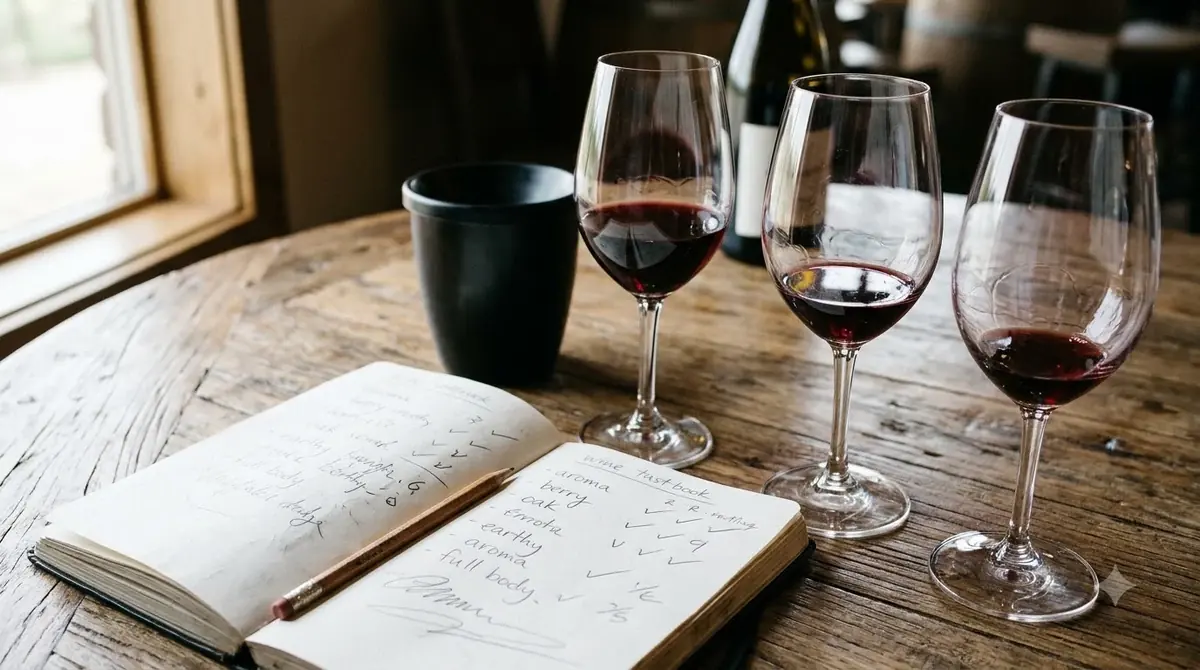
Reviewers at Wine Enthusiast’s Lambrusco tasting panel highlight how sharply the three main varieties diverge in the glass. Lambrusco di Sorbara is the lightest and most aromatic member of the family, pouring a translucent watermelon-pink or pale ruby hue. Its bouquet opens with violet, candied rose petal, wild strawberry, and green herbs, followed by electric acidity, tart lime, and a brisk saline snap.
At the opposite end of the spectrum sits Lambrusco Grasparossa, which grows in the foothills and produces deep, inky purple wines with a magenta-tinted froth. Tasting notes for Grasparossa center on blackberry, blueberry, black plum, and crushed violet, anchored by noticeable tannins and a pleasantly bitter green-almond finish. Between those two poles lies Lambrusco Salamino, named for its compact, sausage-shaped grape clusters; it balances vibrant acidity with juicy raspberry, dark cherry, sweet spice, and a hint of forest floor.
| Grape Variety | Color in the Glass | Primary Tasting Notes | Structure & Body |
|---|---|---|---|
| Lambrusco di Sorbara | Pale ruby to watermelon pink | Wild strawberry, tart cherry, violet, rose petal, citrus zest | Light-bodied, racy acidity, minimal tannin |
| Lambrusco Salamino | Medium-deep ruby | Raspberry, dark cherry, redcurrant, sweet spice, forest floor | Medium-light body, vibrant acidity, fine tannins |
| Lambrusco Grasparossa | Deep opaque purple-red | Blackberry, blueberry, black plum, violet, bitter almond | Medium-bodied, lively acidity, grippy tannins |
If you enjoy bright, red-fruited wines with lively acidity and approachable structure, comparing Lambrusco against grenache tasting notes shows how carbonation and cooler northern Italian growing conditions shift red berry flavors from plush and warming to crisp and mouthwatering.
Sweetness Levels on the Label
Italian labeling laws classify Lambrusco by residual sugar, allowing you to predict how sweet or dry a bottle will taste before pulling the cork. Even dry versions carry generous fruit aromas that can trick your nose into expecting sugar before the crisp, tart finish clears your palate.
Secco indicates a dry wine with up to 15 grams per liter of residual sugar, which reads crisp and savory on the tongue because high acidity balances every trace of fruitiness. Semisecco sits in the off-dry zone, offering a soft cushion of ripe berry juiciness that rounds out the bubbles without feeling syrupy. Amabile and Dolce mark distinctly sweet styles, amplifying candied cherry and jammy blackberry notes while lowering the alcohol content.
When tasting a dry secco bottling alongside an off-dry semisecco, notice how sugar interacts with carbonation and skin tannins. A touch of residual sweetness softens the astringency of darker varieties like Grasparossa, whereas bone-dry fermentations accentuate the floral, herbal, and mineral edge of Sorbara.
Where Lambrusco Grows
Authentic Lambrusco hails from Emilia-Romagna in northern Italy, stretching across the fertile plains and gentle Apennine foothills around Modena and Reggio Emilia. A smaller portion crosses the regional border north into the Mantua province of Lombardy, where clay-rich soils yield structured, deeply colored interpretations.
Geography directly shapes what you taste in the glass. Vines planted on the alluvial flatlands of the Po River valley—particularly around Sorbara and Santa Croce—produce lighter, higher-acid wines bursting with red fruit and floral lift. Moving south toward the rolling hills around Castelvetro, cooler nights and stony soils encourage thicker grape skins, resulting in darker color, higher extract, and firmer tannins.
The region divides these microclimates into several Denominazione di Origine Controllata (DOC) zones, including Lambrusco di Sorbara, Lambrusco Salamino di Santa Croce, Lambrusco Grasparossa di Castelvetro, and the broader Reggiano DOC. You will also encounter wider Emilia IGT labels, which give winemakers freedom to blend multiple Lambrusco sub-varieties from different vineyard sites.
How to Serve Lambrusco
Serve Lambrusco chilled between 45°F and 55°F (7°C to 13°C), roughly the temperature of a standard kitchen refrigerator after twenty minutes on the counter. Serving it too warm makes the foam feel heavy and emphasizes any residual sugar, while ice-cold temperatures mute its delicate floral aromatics.
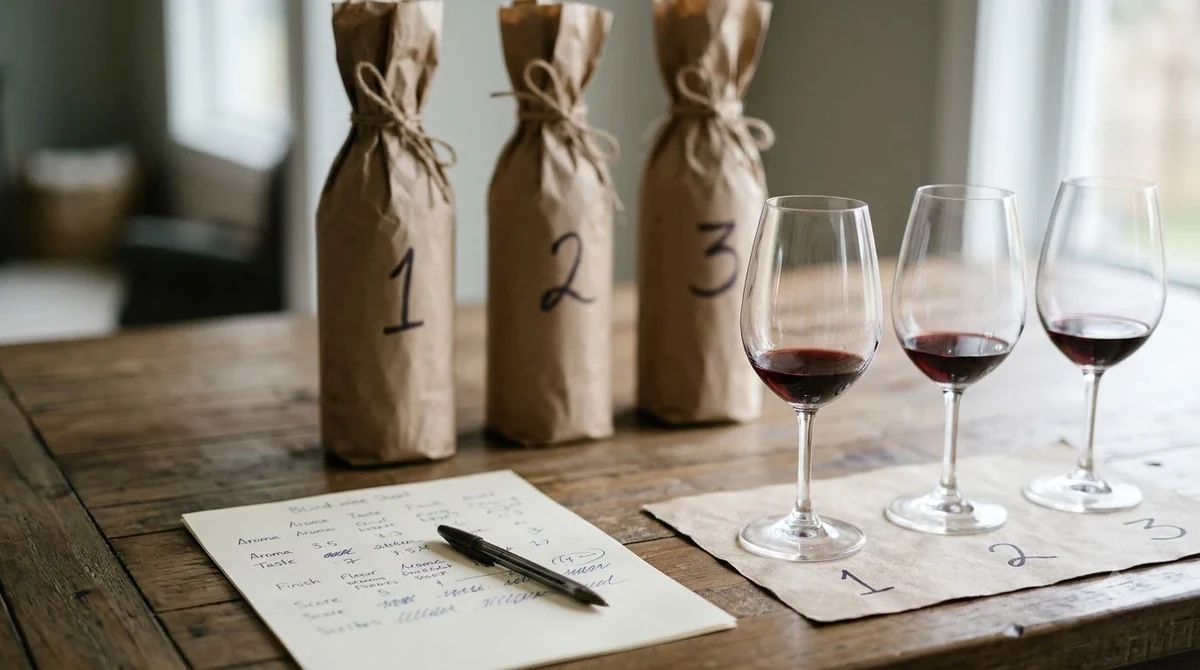
A standard universal tulip-shaped white wine glass works far better than a narrow Champagne flute. The wider bowl gives the wine’s violet, strawberry, and earthy aromas room to open up while still concentrating the gentle mousse toward your nose. Pour slowly down the side of the tilted glass at first, as Lambrusco produces a vigorous, colorful foam that subsides quickly into a delicate ring of bubbles.
Unlike age-worthy cellar reds, Lambrusco is crafted for immediate enjoyment within one to three years of its vintage date. Store unopened bottles upright or on their side in a cool, dark place, and plan to finish an opened bottle within a day or two using a sparkling wine stopper to preserve the fizz.
Tip: Chill Lambrusco to around 50°F and pour it into a standard tulip wine glass rather than a narrow flute so its violet and wild berry aromas can open up.
Food Pairing Ideas
Lambrusco evolved alongside the famously rich cuisine of Emilia-Romagna, making it one of the most versatile dinner wines in the world. Its combination of brisk acidity, scrubbing bubbles, and light-to-medium tannin cuts straight through fat, salt, and creamy sauces.
Classic regional pairings center on cured meats and aged cheeses: thinly sliced Prosciutto di Parma, mortadella, salumi boards, and chunks of crumbly Parmigiano-Reggiano. The wine’s salty-sweet fruit contrast mirrors the savory richness of cured pork, while the carbonation refreshes your palate between every bite. Hearty pasta dishes like tagliatelle al ragù Bolognese, baked lasagna, and tortellini in brodo also thrive alongside dry Lambrusco.
Outside Italian classics, Lambrusco excels with American barbecue, crispy fried chicken, and spicy takeout. A dry, floral Sorbara tames the heat of Thai curries or Sichuan dishes, while an off-dry Grasparossa matches sweet-and-smoky glazed ribs or pulled pork. If you are exploring different Wine by Type options for casual entertaining, keeping a chilled bottle of dry Lambrusco on hand solves almost any menu dilemma.
How to Choose a Quality Bottle
Reading the front and back labels carefully separates vibrant, food-friendly artisanal Lambrusco from overly sweet mass-market bottlings. Start by looking for a specific DOC appellation name—such as Lambrusco di Sorbara or Lambrusco Grasparossa di Castelvetro—rather than a generic regional designation.
Check the sweetness indicator next, targeting Secco or Brut if you want a crisp, dry table wine, or Semisecco if you prefer a hint of juicy fruit sweetness for spicy dishes. Looking at the alcohol percentage provides another useful clue: dry, fully fermented bottles typically land at 11% to 12% ABV, whereas sweeter styles stop fermentation earlier and sit closer to 8% to 9.5% ABV.
Finally, notice the closure and bottle shape. Many traditional producers seal their frizzante wines with a crown cap or string-tied cork under heavier sparkling-grade glass, signaling an authentic, gently carbonated style meant to be popped open fresh and young. If you prefer wines with higher tannins and darker concentration, compare Grasparossa against petit verdot tasting notes, whereas fans of high-acid, aromatic lift will find common ground with sancerre tasting notes.
Frequently Asked Questions
Is Lambrusco always a sweet red wine?
No, many of the highest-quality Lambrusco wines are completely dry. Look for the word Secco or Brut on the label if you want a crisp, savory style, while Amabile and Dolce indicate sweet bottlings.
What does dry Lambrusco taste like?
Dry Lambrusco delivers tart red or dark berry flavors—such as wild strawberry, sour cherry, or blackberry—paired with floral notes of violet and a subtle earthy or bitter almond finish. Its lively bubbles and brisk acidity make it taste refreshing rather than heavy.
Should you chill Lambrusco before serving?
Yes, Lambrusco should always be served chilled between 45°F and 55°F (7°C to 13°C). Chilling keeps the effervescence crisp, accentuates the bright fruit acidity, and prevents the wine from tasting overly foamy or sweet.
How long does an opened bottle of Lambrusco last?
Sealed tightly with a sparkling wine stopper and kept in the refrigerator, an opened bottle of Lambrusco stays fresh and bubbly for one to two days. Because its gentle frizzante carbonation is softer than Champagne, it loses its fizz faster than full-pressure sparkling wines.
Understanding Lambrusco tasting notes comes down to matching the grape sub-variety and sweetness level to what is on your plate. Whether you reach for a pale, floral Sorbara or a deep, blackberry-driven Grasparossa, serving it chilled in a tulip glass unlocks one of Italy’s most versatile food wines.
More in Wine Types & Grapes
 What Does Ruby Port Taste Like? Flavor Notes, Styles, and Serving TipsUpdated Nov 21, 2026
 What Does Ribolla Gialla Taste Like? Crisp White and Amber Styles ExplainedUpdated Nov 21, 2026
 What Does Semillon Taste Like? Flavor Profile, Styles & PairingsUpdated Nov 21, 2026
 What Does Scuppernong Taste Like? Flavor, Styles, and Pairing GuideUpdated Nov 21, 2026
 What Does Saperavi Taste Like? Flavors, Styles, and Pairing GuideUpdated Nov 21, 2026
 What Does Natural Wine Taste Like? Flavors, Styles, and Serving TipsUpdated Nov 21, 2026