

We may earn a commission when you buy through links on this page, at no extra cost to you. Learn more.
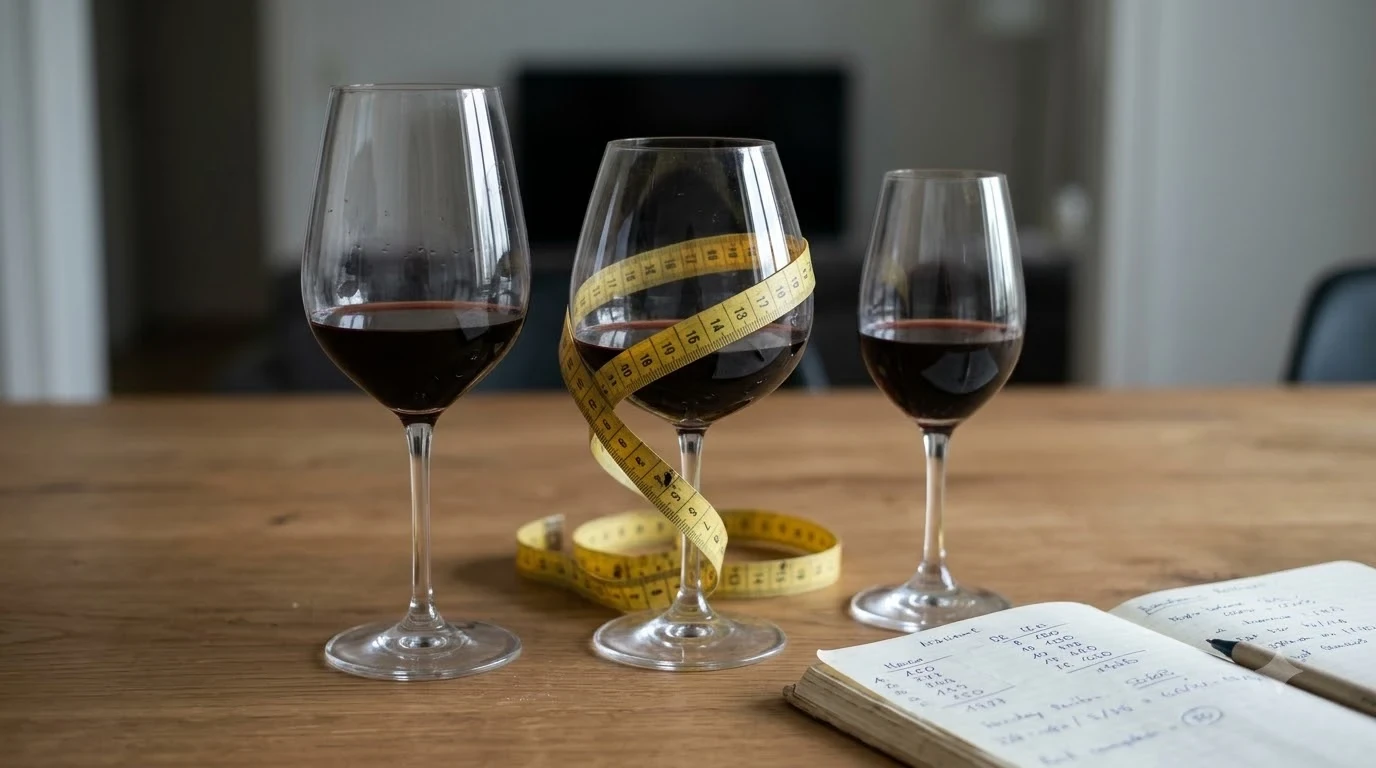
The best tulip wine glasses have a bowl that is widest in the middle and narrows toward the rim, which gathers aroma and suits most white, rosé and light red wines. That shape is the reason tulip glasses appear on so many shortlists. They are a practical middle ground between a wide balloon bowl and a narrow flute, and they work for everyday pours as well as for a more careful tasting. This guide groups the best tulip wine glasses by how you drink, so you can pick a style that fits your wine and your table.
Tulip glasses take their name from the flower because the bowl swells in the middle and tightens near the top. The idea is older than most modern glassware lines. Glassmakers have long used bowl shape to direct wine across the tongue and to hold the scent close to the nose. The result is a glass that is not fussy, yet still gives the wine room to show its smell.
Quick Comparison of Tulip and Other Wine Glass Shapes
Tulip glasses sit between several common shapes. The differences look small on a shelf, but they change how a wine smells and how fast it warms in the glass. Compare them before you buy a full set.
| Shape | Bowl profile | Aroma focus | Best wines | Good all-round |
|---|---|---|---|---|
| Tulip | Widest mid-bowl, narrower rim | Good | White, rosé, light red | Yes |
| Large round bowl | Wide, rounded | High, more air contact | Full red wines | Less so |
| Narrow flute | Tall and slim | Lower | Sparkling wine | No |
| Stemless tumbler | Short, straight | Low | Casual pours | Casual use |
The table does not declare a winner. It shows where the tulip earns its place. A tulip is rarely the best shape for one specific wine, but it does a respectable job across a wide range of bottles, which is why a set of tulips is often the most useful buy for a home that drinks several styles.
Best for Aromatic Whites and Rosé
Aromatic whites and rosés are the wines most helped by a tulip bowl. The narrower top keeps floral and citrus notes close, and the bowl is big enough to swirl without spilling. For a chilled glass of Riesling or a fresh rosé, a tulip gives a clear sense of the wine’s scent without taking up the whole counter.
Why it stands out
The taper toward the rim gathers the aroma into a small space, so the smell reaches you before the first sip. The shape also keeps a cold white from warming too quickly in a warm room. A glass with a bowl this size gives enough surface area for the wine to open a little, but not so much that the aroma disperses.
Keep in mind
Very delicate whites may show better in a narrower glass that focuses the aroma even more. A tulip is a good all-round choice, but it is not the most precise option for a single aromatic variety. If you drink mainly Riesling or sparkling wine, a narrower glass may suit you better.
Best for: people who drink crisp whites and rosé most of the week and want one glass that does the job well.

- Type
- Rosé wine / rosé champagne
- Rec. Volume
- 125 ccm / 4.2 oz
- Set Size
- Set of 2
- Care
- Dishwasher safe
Aromatic whites and rosé benefit from a bowl that concentrates scent, and this pair is built around that idea. Its diamond-shaped bowl has extreme angles meant to magnify aromas in fruit-forward wines, and it stands about 9 inches tall. The design came from sensory workshops with winemakers and sommeliers. The crystal glass is dishwasher safe and fridge safe.
Pros & ConsView
- Diamond-shaped bowl magnifies aromas
- Developed in sensory workshops
- Dishwasher and refrigerator safe
- Only two glasses per set
- Small 4.2 oz recommended pour
Best for Medium-Bodied Red Wines
Light and medium reds, such as Pinot Noir and many Italian reds, often do well in a tulip. The bowl is not as wide as a classic red glass, so the wine is not exposed to as much air, yet the shape still rounds out the scent and feel of the wine on the palate.
Why it stands out
A tulip gives a red wine enough room to breathe, while the narrow top holds the fruit and earth notes together. It is a sensible compromise for households that do not want to own separate glasses for every red. The shape also suits a relaxed dinner where a full-size bowl feels like too much glass on the table.
Keep in mind
Full-bodied reds with heavy tannin may benefit from a larger bowl that opens them more. A tulip will still work, but a broader glass may show the structure of a big Cabernet or Syrah more clearly. Consider the tulip a reliable all-rounder rather than a specialist for the boldest bottles.
Best for: everyday red drinkers who want one glass that handles lighter reds without feeling too small.

- Set Size
- 4 glasses
- Capacity
- 15 oz
- Material
- Lead-free titanium crystal
- Height
- 9.5 inches
A table set for dinner guests looks better with glasses that match. These hand-blown crystal stems have a Bordeaux-style bowl for tasting, a pulled long stem that keeps warm hands off the bowl, and a lightweight, clear finish. They arrive in a modern gift box, so they also double as an anniversary or wedding present.
Pros & ConsView
- Lead-free titanium crystal, certified in Europe
- Long stem keeps hands off the bowl
- Modern gift box for presenting
- Delicate hand-blown stems need careful handling
- Four glasses only covers a small table
Best for Home Tastings
A set of tulip glasses suits a home tasting, where the goal is to compare two or three wines side by side. The shape is neutral enough that the wines are judged on their own qualities rather than on the glass they are served in.
Why it stands out
Matching glasses make a tasting easier to read. When every wine is served in the same shape, differences in color, aroma and texture show up more clearly. Tulips also have a clear, uncolored body, so you can see the wine’s color, which matters when you compare a pale rosé with a deep red.
Keep in mind
For a formal tasting with many styles, a set of specialized glasses can go further. Glassmakers now produce grape-specific shapes, and their product pages describe how bowl shape is meant to shape aroma and flavor. A tulip is a practical starting point, but a serious taster may eventually add a few specialized pieces.
Best for: couples and friends who like to compare bottles at home without buying a full specialist collection.
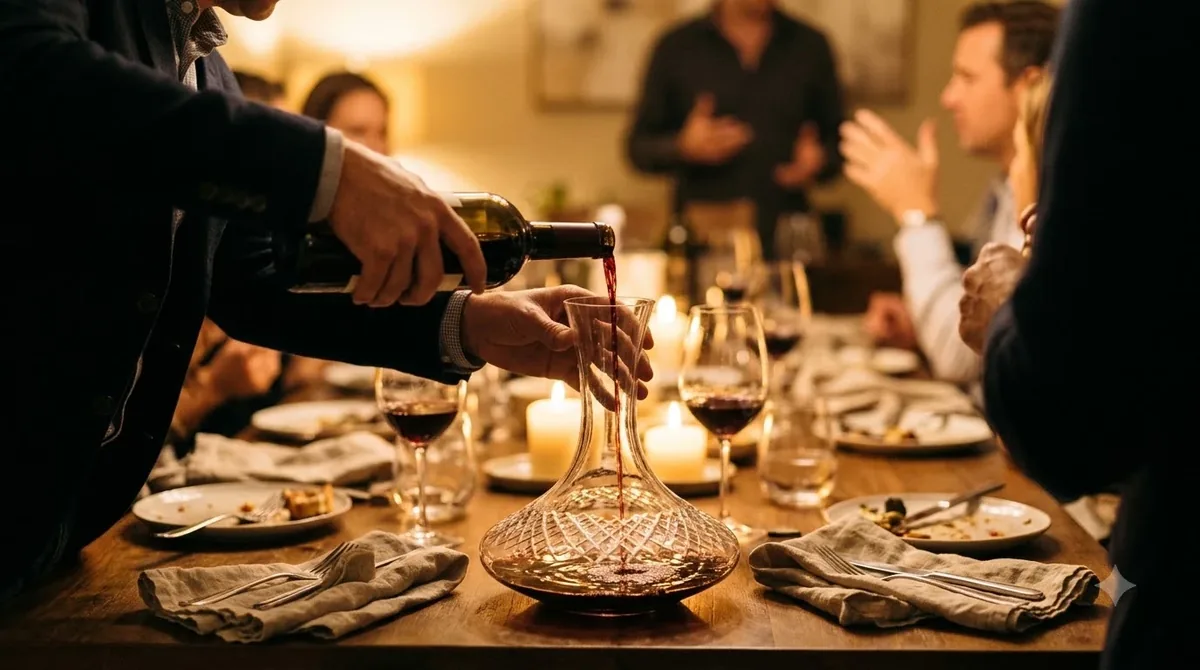
Best for Dinner Parties
When you host a dinner with several wines, a matching set of tulip glasses lets you serve a white with the starter, a light red with the main course and a sweet wine with dessert, all without a crowded table.
Why it stands out
A tulip shape reads as classic without looking formal or fragile. Guests can hold it comfortably, and the bowl is roomy enough for a generous pour. Because the glass works for several styles, you do not need to set out a different glass for each course.
Keep in mind
Fill the glass to a comfortable level rather than to the top. Tulips are shaped to gather aroma near the rim, and an overfilled glass hides that part of the bowl. Hosts should also plan for enough glasses for a second round, since the shape is easy to refill.
Best for: hosts who serve more than one wine and want a glass that fits the whole meal.
Best for a Starter Set on a Budget
If you are building a glass collection from scratch, a tulip set is one of the most sensible first purchases. It covers a wide range of wines and does not lock you into a single style before you know what you enjoy.
Why it stands out
A starter set of tulips replaces the single mismatched glasses many homes accumulate. The shape works for white, rosé and red, so the set does not sit unused. Once you know your preferences, the same glasses still make good everyday stemware for water or juice at the table.
Keep in mind
Budget glasses are often thicker at the rim, and that can change how a wine feels in the mouth. If the glass is heavy or the rim is rough, the wine may feel less refined. Check the rim and the stem before you buy, and handle the glass once in a shop if you can.
Best for: new wine drinkers and households replacing a mix of old glasses with one consistent set.

- Set Size
- 4 glasses
- Capacity
- 13.5 oz
- Material
- Crystal
- Origin
- Made in Czech Republic
A flexible choice for everyday pours at home, these four glasses have a stout bulb shape and wide rims that let wine breathe. The crystal is made in the Czech Republic, holds 13.5 ounces, and is described as durable, easy to wash and dishwasher safe. Uniform rims and a simple profile make them easy to set out for guests or restaurant-style service.
Pros & ConsView
- Wide rim and stout bowl let wine breathe
- Durable crystal made in the Czech Republic
- Set of four, 13.5 oz each
- Stout bowl is less delicate than tapered shapes
- Sold only as a set of four
How to Choose a Tulip Wine Glass
Choosing a tulip comes down to four checks. Start with the bowl shape, then look at the stem, the rim and the care label. A good tulip should feel balanced in the hand, with a rim that is thin enough to sip from without catching on the lip.
- Bowl size: a medium tulip suits most wines. A larger bowl suits full reds, and a smaller one suits sparkling or delicate whites.
- Rim: a thin rim feels cleaner on the lips. Thick rims change how the wine reaches the palate.
- Stem: a stem keeps the warmth of your hand away from the bowl, which matters for chilled whites and rosés.
- Clarity: clear, uncolored glass lets you see the wine. Colored or frosted glass hides it.
Tip: if you only buy one shape, pick the tulip. It works for most of what you will pour at home and can be replaced later with a specialist glass for a favorite grape.
A good tulip glass does not need to be expensive to be useful. What matters is the bowl shape, the clarity and the thinness of the rim. Those three things decide how much of the wine’s aroma and flavor reaches you, and they are the features to check first.
Frequently Asked Questions
Are tulip wine glasses good for red wine?
They work well for light and medium reds such as Pinot Noir. Full-bodied reds often benefit from a larger, rounder bowl that opens the wine more. A tulip is a solid all-round choice if you drink a mix of styles.
Why is it called a tulip glass?
The name comes from the bowl’s shape, which swells in the middle and narrows toward the top, much like a tulip flower. The narrower top keeps the aroma close to the nose.
Is a tulip glass better than a flute for sparkling wine?
A narrow flute is the more traditional choice for sparkling wine because it preserves bubbles. A tulip is still a good option if you want the aroma of a sparkler to be easier to smell. Either shape works for everyday drinking.
Should I fill a tulip glass to the top?
No. Fill it to a comfortable level, usually about a third to half of the bowl, so the wine can be swirled and the aroma can gather near the rim.
A set of tulip wine glasses is a sensible base for almost any home bar. Start with one shape, learn how your favorite wines behave in it, and add specialist glasses later if a single variety wins your heart. For more on how to hold the glass, see how to hold a wine glass, and browse the wider range in wine glasses.
Glassmakers’ own guides are a useful next step if you want to compare shapes in detail. The producer pages on Riedel’s stemware pages describe how different bowl shapes are meant to shape aroma and flavor, and they are a good place to see the thinking behind each design.
More in Wine Glasses
 Spiegelau Crystal Wine Glasses That Bring Clarity to Every PourUpdated Nov 21, 2026
 Zalto Crystal Wine Glasses: Are They Worth the Investment?Updated Nov 21, 2026
 Villeroy And Boch White Wine Glasses for a More Cohesive TableUpdated Nov 21, 2026
 Zalto Wine Glasses On Sale: Find the Right Denk’Art GlassUpdated Nov 21, 2026
 Zwiesel Glas Champagne Glasses: Features, Quality and Buying AdviceUpdated Nov 21, 2026
 Zwiesel Glas Decanter Review: A Durable, Elegant Choice for Wine ServiceUpdated Nov 21, 2026