

We may earn a commission when you buy through links on this page, at no extra cost to you. Learn more.
Cooking with zinfandel works best in hearty dishes that can welcome its ripe berry fruit, peppery spice, and full-bodied texture. A dry red Zinfandel can add depth to beef braises, tomato-based pasta sauces, pan sauces, and marinades for grilled meats. Its alcohol and concentrated fruit mean a little goes a long way, especially if you simmer it until the liquid reduces.
Red Zinfandel is a distinctive cooking wine, not an all-purpose substitute for every red in a recipe. Choose a bottle whose flavor suits the dish, add it at the right stage, and balance its ripe fruit with savory ingredients, fresh herbs, and enough acidity.
What Zinfandel Brings to the Pan
Red Zinfandel contributes ripe berry flavor, baking-spice notes, and body to foods with enough richness to support it. In California, many examples are full-bodied, fruit-forward, and moderately tannic, with alcohol commonly around 14 to 16 percent, according to Wine Enthusiast.

Expect aromas and flavors such as blackberry, raspberry, blueberry, black cherry, and black pepper. Depending on the producer and growing area, you may also notice plum, anise, clove, dried fruit, smoke, or a sweet impression from ripe fruit and oak. That impression does not necessarily mean the wine contains much residual sugar; most red Zinfandel intended for the table is dry.
Those characteristics become more concentrated as the wine cooks. A quick splash can add fruit and aroma to a pan; a long reduction can create a dense, dark flavor that may taste jammy, bitter, or alcoholic if the original wine was very ripe or heavily oaked. Zinfandel is often less tannic than Cabernet Sauvignon, but tannin levels vary. Some examples are firmer, particularly wines blended with Petite Sirah, so taste the wine before deciding how far to reduce it.
The grape is also made in more than one style. This article focuses on dry red Zinfandel. White Zinfandel is a rosé, usually semi-sweet, and has a different role in the kitchen; it is better considered for light fruit sauces, dressings, and other recipes built around its softer profile. For a closer look at the glass, see these Zinfandel tasting notes.
Choosing a Bottle for Cooking
Choose a dry, fruit-forward red Zinfandel with balanced freshness and moderate oak for most savory recipes. A bottle that tastes pleasant on its own is usually a better cooking choice than a harsh, very sweet, or aggressively oaky wine, because heat concentrates both attractive and unattractive traits.
Start with the style rather than a prestige label. Wine Enthusiast’s Zinfandel overview describes California examples as commonly full-bodied, fruit-forward, jammy, spicy, and 14 to 16 percent alcohol, while also noting that styles vary by region. Amador County is a useful point of reference for classic California examples; cooler parts of the Russian River Valley can produce more nuanced, peppery wines. A fresher, less heavily extracted example is often easier to use in a sauce that will reduce.
Check the wine for balance before cooking. Look for clean berry and spice aromas, and avoid bottles with vinegar, mustiness, raw alcoholic heat, or harsh bitterness. Moderate oak can complement grilled meat, mushrooms, and browned onions, but pronounced vanilla or toast may dominate a delicate pan sauce.
Match the wine to the other ingredients. A darker, structured Zinfandel can suit beef stew with stock, carrots, and rosemary; a supple, less oaky bottle is better for a quick shallot-and-mushroom sauce. For tomato-heavy recipes, favor freshness over sheer ripeness.
Where Red Zinfandel Works Best
Zinfandel is most useful with assertive ingredients: beef, pork, lamb, mushrooms, tomatoes, charred vegetables, and savory herbs. Its ripe fruit can bridge the sweetness of caramelized onions or barbecue glaze, while its spice notes complement black pepper, smoked paprika, cumin, rosemary, and thyme.
Use it in beef stew, short ribs, beef-and-mushroom ragù, meatballs, or tomato sauce for baked pasta. Wine Enthusiast lists burgers, steaks, lamb chops, and tomato-sauce pasta among foods that can suit Zinfandel. For a braise, combine wine with stock; stock supplies savory depth without making the result taste like concentrated grape.
Pork is another natural match. Add a splash to a pan sauce for seared chops, or braise shoulder with onions, garlic, and sage. For sausages or meatloaf, a Zinfandel glaze echoes smoky and peppery seasonings; keep honey, brown sugar, and sweet barbecue sauce restrained because ripe fruit already suggests sweetness.
Vegetables with assertive flavors also work: try a small amount with roasted eggplant, portobello mushrooms, charred red peppers, or lentils. Avoid using a large pour with delicate asparagus or lightly steamed zucchini, which can be overwhelmed by a full-bodied red. Zinfandel’s alcohol can amplify chile heat, so choose moderate spice rather than a very hot sauce; tannic red wine is also a poor fit for oily fish. For salmon, sardines, or delicate white fish, a white wine or suitable rosé is usually a better cooking choice than red Zinfandel.
Using Zinfandel in Sauces, Braises, and Marinades
Use Zinfandel as a flavor-building liquid: deglaze a browned pan, enrich a braising base, or add a measured portion to a marinade. The key is to give the wine enough cooking time to integrate, while avoiding an excessive reduction that magnifies its alcohol, sweetness, and tannin.
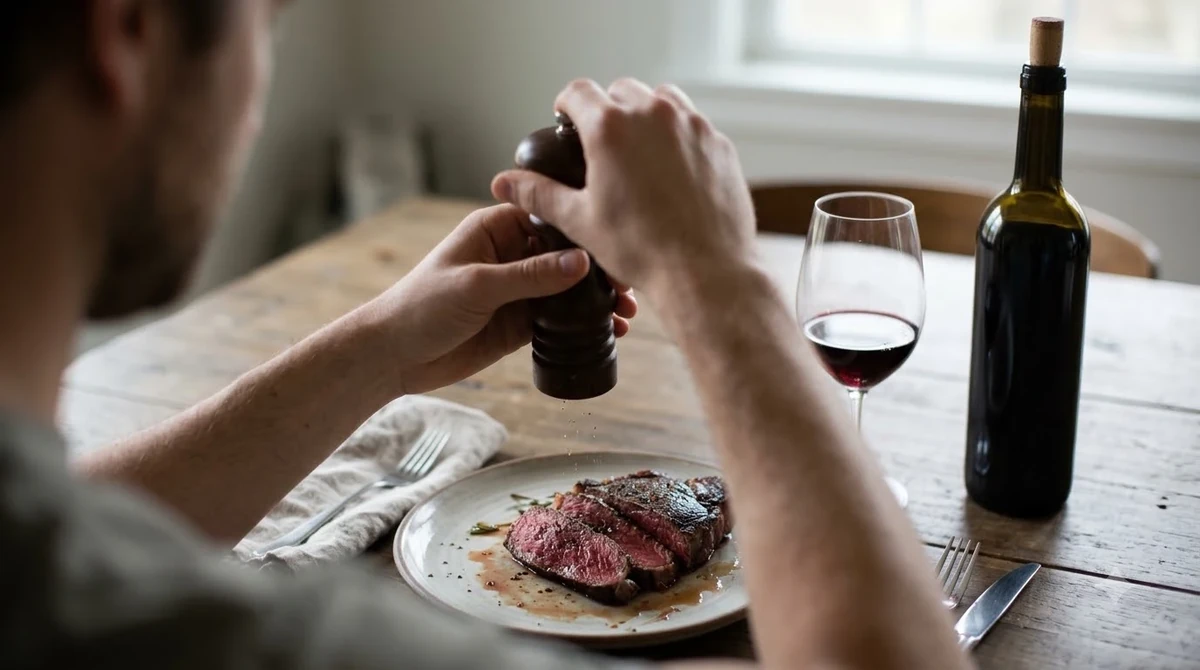
Deglazing for a quick pan sauce
After searing pork chops, steak, or mushrooms, transfer the food to a warm plate and remove excess fat, leaving the browned bits in the pan. Add a small pour of Zinfandel and scrape the base with a wooden spoon as the wine simmers. Let the raw, sharp aroma soften and allow the liquid to reduce before adding beef or chicken stock, a little mustard, or a spoonful of butter. Finish with thyme, rosemary, or cracked pepper. The method follows the basic pan-sauce sequence described by Food & Wine’s guide to cooking with wine: brown the main ingredient, deglaze, reduce, add another liquid, and finish with fat and aromatics.
Braising for depth
For short ribs, chuck roast, or pork shoulder, brown the meat first to create a flavorful foundation. Soften onions, carrots, and celery in the same pot, stir in garlic and herbs, then add Zinfandel and scrape up the browned fond. Let the wine simmer briefly before adding stock; use enough combined liquid to come partway up the meat rather than covering it completely. Cover the pot and cook gently until the meat is tender. The wine provides dark fruit and acidity, while stock and the meat’s cooking juices keep the braising liquid savory.
Try Zinfandel with beef stock, onion, rosemary, thyme, and a strip of orange peel. For pork, use sage, fennel seed, garlic, and a little apple; for mushrooms or lentils, choose vegetable stock and finish with parsley. A concentrated wine calls for a smaller pour and more stock.
Marinades and tomato sauces
Combine Zinfandel with olive oil, garlic, black pepper, rosemary, and a little vinegar or lemon juice for a beef or lamb marinade. Discard the used marinade rather than serving it uncooked. Keep the meat refrigerated while marinating; wine adds flavor but is not a shortcut for tenderizing a thick cut.
For tomato sauce, soften onion and garlic in olive oil, add a small pour of Zinfandel, and simmer before adding tomatoes. Cook the wine down enough that its raw edge disappears, then add crushed tomatoes and herbs. A bright, medium-bodied Zinfandel is preferable to an extremely ripe, high-alcohol bottle for this job. Tomatoes already bring acidity, so taste the sauce as it cooks and avoid adding more acidic ingredients automatically. A little olive oil, butter, or grated cheese can soften the sauce’s edges when appropriate.
Amounts, Timing, and Reduction
Start with less Zinfandel than you think you need, then adjust after the wine has simmered. The amounts below are practical starting points for a recipe serving four; the best quantity depends on the pan size, the wine’s intensity, and how much liquid the dish needs.
| Use | Starting amount | When to add it | How to finish |
|---|---|---|---|
| Pan sauce | 1/4 to 1/2 cup | After searing and removing the meat | Reduce, add stock, then finish with butter |
| Beef or pork braise | 1 to 2 cups | After browning meat and vegetables | Simmer briefly, add stock, then braise gently |
| Marinade for 2 pounds of meat | 1/2 cup | Mix with oil, herbs, and seasonings | Refrigerate during marinating; discard used liquid |
| Tomato sauce with one 28-ounce can of tomatoes | 1/4 to 1/2 cup | After cooking onion and garlic | Reduce before adding tomatoes |
| Mushroom gravy | 1/4 cup | After browning mushrooms and shallots | Reduce, add stock, and thicken as desired |
For a pan sauce, a few minutes of steady simmering is often enough to take away the raw wine aroma before the stock goes in. For a braise, the wine continues to cook alongside the meat for much longer, so there is no need to reduce the wine to a syrup at the beginning. Keep the heat controlled: a hard boil can make a sauce reduce too quickly and leave the fruit and tannin more prominent than the meat or vegetables.
Reduction concentrates more than alcohol: sugar, acidity, fruit, oak, and tannin all become more noticeable as water evaporates. Food & Wine explains that tannins can bind with proteins in meat and become less astringent, which helps explain why a braise can taste rounder than a quick pan sauce made from the same bottle. Taste as you go.
Tip: Set aside a little of the original wine before cooking. If the finished sauce tastes too concentrated, loosen it with stock first; if it needs a fresher wine aroma, add a small splash of the reserved wine and simmer it briefly before serving.
Do not assume that cooking removes every trace of alcohol. The amount that remains depends on the quantity of wine, the cooking method, the surface area of the pan, and the time spent simmering or baking. Cook the dish after adding the wine so its flavor has time to integrate, and do not serve a wine-based recipe on the assumption that it is alcohol-free.
Balancing Flavors, Substitutions, and Leftovers
Build the dish around Zinfandel’s fruit and body. Salt and fat can soften tannic edges, but excess sweetness or acidity can unbalance a reduced sauce.
Browned meat, stock, mushrooms, olives, anchovies, aged cheese, or a little soy sauce can add savory depth. Olive oil, butter, cream, or the meat’s own fat rounds the texture. Add salt in stages because wine and stock concentrate as they reduce; finish seasoning only when the sauce reaches its final consistency.
Acid needs attention. Zinfandel is generally less sharply acidic than Sauvignon Blanc or high-acid Riesling, so a very tart dish can make it seem soft. In tomato sauces, balance acidity with cooking time, olive oil, and savory ingredients instead of adding more vinegar or citrus. For intentionally sour or chile-heavy dishes, use less Zinfandel or choose a wine with higher acidity and less alcohol.
Dry red Zinfandel can stand in for another medium- to full-bodied red in stew, ragù, or pan sauce, but it is not identical to Cabernet Sauvignon, Pinot Noir, or Syrah. Cabernet brings firmer tannin, Pinot Noir is lighter with higher acidity, and Syrah can bring more pepper and structure. The broader Wine by Type overview can help clarify how different reds behave. Do not substitute White Zinfandel one-for-one in a long red-wine braise: its pink color, softer structure, and often off-dry taste can shift a savory recipe toward sweetness. It may suit a light fruit dressing or a sauce for grilled chicken; this guide to cooking with white zinfandel covers those uses separately. White Zinfandel also has its own place in chilled drinks, such as white Zinfandel sangria, rather than a savory red-wine sauce. Keep leftover wine tightly closed in the refrigerator and use it while its fruit still smells fresh; oxidized, vinegary, or dull wine will not improve in a reduction. You can freeze measured portions for future sauces, though the aroma may fade; label each portion with its grape and volume.
Frequently Asked Questions
The answers below cover uneven ripening in Zinfandel clusters, flavor notes in Primitivo di Manduria, and alcohol retention after a 25-minute bake. Use them as extra context when choosing a bottle or adapting a recipe.
Does Zinfandel ripen evenly on the vine?
No. Zinfandel berries within a cluster can reach different levels of ripeness, which is one reason the finished wine may show both fresh-fruit and dried-fruit characteristics. Some producers hand-select clusters to make the flavor profile more consistent.
Is Zinfandel the same grape as Primitivo?
Yes, the grape is known as Primitivo in Italy, especially in Puglia. In Croatia, related local names include Tribidrag and Crljenak Kaštelanski, reflecting the grape’s long history around the Adriatic.
What flavors can appear in Primitivo di Manduria?
Wine Enthusiast describes examples from Primitivo di Manduria as dense, with notes of fig jam and dried citrus. Those flavors can make the wine especially powerful in a long reduction, so start with a smaller pour than you would use for a lighter red.
Does baking with wine remove most of its alcohol?
Not necessarily. Virgin Wines notes that a dish baked with wine for about 25 minutes may retain around 45 percent of the alcohol originally added, although the actual amount varies with the recipe and cooking conditions. Baking time alone is not proof that the alcohol has disappeared.
How old can Zinfandel vines be?
Some Zinfandel vineyards contain vines that have matured for as long as a century. Older vines can produce smaller quantities of fruit, but vine age by itself does not guarantee that a wine will be better for cooking.
Red Zinfandel is a strong choice for cooking when the recipe calls for dark fruit, spice, and a full-bodied red, especially in beef and pork dishes. Choose a bottle you enjoy drinking, begin with a modest pour, and let the ingredients guide how far you reduce it. With that approach, Zinfandel can add character to a sauce or braise without taking over the plate.
More in Wine Types & Grapes
 What Does Ruby Port Taste Like? Flavor Notes, Styles, and Serving TipsUpdated Nov 21, 2026
 What Does Ribolla Gialla Taste Like? Crisp White and Amber Styles ExplainedUpdated Nov 21, 2026
 What Does Semillon Taste Like? Flavor Profile, Styles & PairingsUpdated Nov 21, 2026
 What Does Scuppernong Taste Like? Flavor, Styles, and Pairing GuideUpdated Nov 21, 2026
 What Does Saperavi Taste Like? Flavors, Styles, and Pairing GuideUpdated Nov 21, 2026
 What Does Natural Wine Taste Like? Flavors, Styles, and Serving TipsUpdated Nov 21, 2026