


We may earn a commission when you buy through links on this page, at no extra cost to you. Learn more.
Cooking with white zinfandel works best in recipes that benefit from gentle fruitiness and a touch of sweetness, including chicken, seafood, barbecue sauces, and mildly spicy dishes. Unlike dry white cooking wines, White Zinfandel can contribute noticeable strawberry and raspberry flavors along with residual sugar. Use modest quantities in savory sauces, balance its sweetness with savory ingredients, and avoid reducing it too aggressively. The result can be a flavorful dish with a subtle fruity character rather than an overpowering wine taste.
White Zinfandel is a pink rosé made from the Zinfandel grape, and its approachable flavor profile makes it useful in more recipes than its reputation as a casual sipping wine might suggest. However, its sweetness and relatively soft acidity require a different approach from Sauvignon Blanc, Pinot Grigio, or other dry white wines. Understanding how the wine behaves under heat, which ingredients complement it, and when to choose another cooking wine will help you use it successfully in everyday meals.
Understanding White Zinfandel Before Cooking
White Zinfandel contributes light fruit flavors, modest acidity, and varying levels of sweetness to a recipe. Its best cooking applications are dishes where those characteristics complement the other ingredients rather than compete with them.
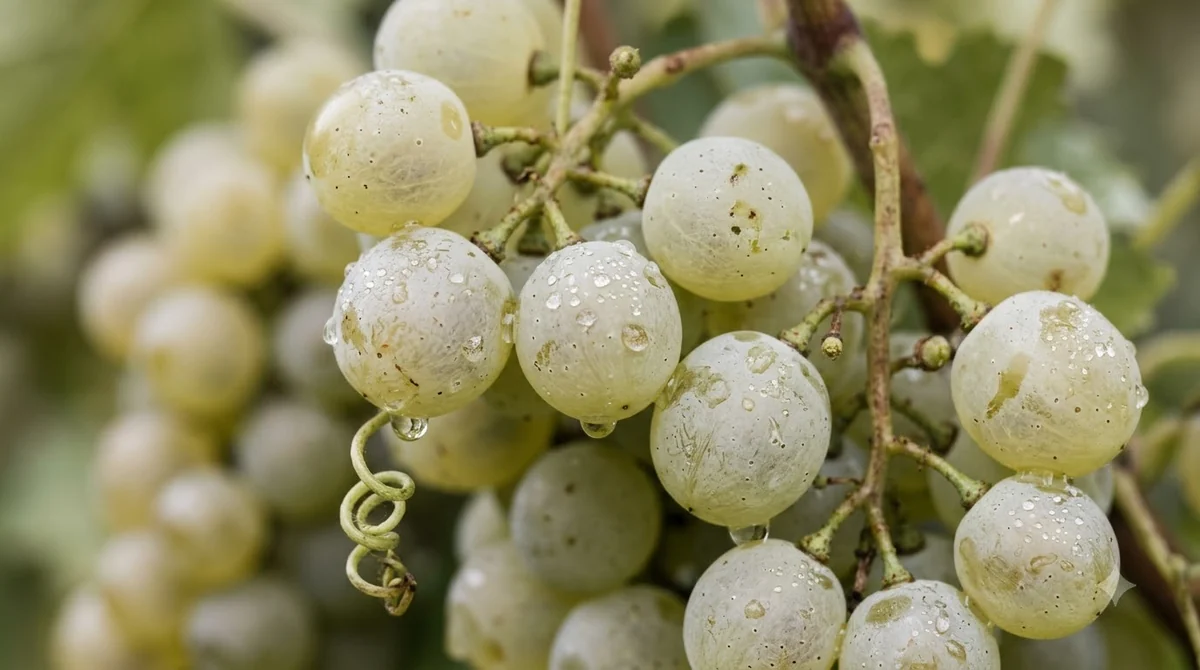
Despite its name, White Zinfandel is not made from white grapes. It is a rosé produced from red Zinfandel grapes, with limited skin contact creating its characteristic pink color. According to Total Wine’s explanation of the winemaking process, fermentation initially takes place with the grape skins before the juice is separated and continues fermenting.
Many familiar bottles have a medium-sweet profile. Strawberry, raspberry, melon, citrus, and occasional clove or nutmeg notes give the wine a recognizable fruity character. Typical examples are also relatively light in body, low in tannin, and softer in acidity than Sauvignon Blanc. Alcohol commonly falls around 8-10% ABV, although individual producers make different styles.
These characteristics matter in the kitchen. A dry white wine generally contributes acidity and wine flavor without adding much sweetness. White Zinfandel can contribute both fruitiness and sugar. That makes it useful in recipes containing naturally sweet vegetables, fruit, mild spices, or sweet-savory sauces.
For example, a small splash can complement a skillet of chicken with shallots and peaches. It can also contribute a fruity background to a barbecue glaze containing tomato, mustard, and a little brown sugar. However, the same wine may be unsuitable for a delicate cream sauce that needs a clean, crisp acidic finish.
There is also an important difference between cooking with White Zinfandel and cooking with red Zinfandel. Red Zinfandel usually has more concentrated fruit, greater body, and a more pronounced savory and spicy character. White Zinfandel is lighter and generally sweeter. Recipes designed for red Zinfandel should not automatically use the rosé version as a direct substitute.
If you want to explore the differences between the two styles before choosing a bottle, the site’s Zinfandel tasting notes provide useful background on their flavor characteristics.
For cooking, select a White Zinfandel that you would be comfortable drinking. An unpleasantly sour, oxidized, or excessively sweet bottle will not become more balanced after simmering. Its flavors become part of the finished dish, so the quality and style of the wine still matter.
Best Ways to Use White Zinfandel in Savory Recipes
White Zinfandel is most useful as a supporting ingredient in pan sauces, marinades, glazes, and selected braised dishes. Start with small amounts, especially when a recipe already contains honey, fruit, barbecue sauce, or other sweet ingredients.

Deglazing a skillet is one of the easiest applications. After cooking chicken thighs, pork tenderloin, or shrimp, remove the cooked protein and excess fat, leaving the browned particles in the pan. Add approximately 2-4 tablespoons of White Zinfandel and stir over medium heat to loosen those particles. Add chicken stock, shallots, herbs, or a small amount of butter to finish the sauce.
The browned particles provide savory depth, while the wine contributes a light fruity note. This approach works particularly well with chicken, especially when the dish includes thyme, parsley, or mild fruit ingredients. Avoid pouring in a large quantity at once because the wine’s sweetness can become more noticeable as the liquid cooks down.
Marinades are another practical application. Combine White Zinfandel with olive oil, garlic, a little Dijon mustard, and fresh herbs. The wine supplies liquid and flavor, while the other ingredients provide savory contrast. Use approximately 1/4 cup of wine in a marinade containing 1/4 cup of oil and enough seasoning for a family-sized portion of chicken.
Marinades should be used to complement rather than overwhelm the main ingredient. White Zinfandel works particularly well with chicken breasts, boneless thighs, and pork tenderloin. For seafood, use a shorter marinating period and avoid leaving delicate fish in an acidic marinade for extended periods, which can change its texture.
Sweet-savory glazes are particularly compatible with the wine. Combine a small quantity with tomato paste, mustard, vinegar, garlic, and a measured amount of honey or brown sugar. Brush the mixture onto chicken or pork during the final stage of cooking. Its fruit character can complement caramelized surfaces and smoky flavors.
Light braises can also benefit from White Zinfandel. A chicken dish with onions, carrots, herbs, and stock can accommodate a modest amount of the wine. Use it as part of the cooking liquid rather than making it the entire liquid base. This prevents the finished sauce from becoming too sweet or lacking savory depth.
According to Wine Enthusiast’s explanation of cooking techniques, wine is commonly used for deglazing, reductions, and braising. The important distinction is that White Zinfandel’s sweetness requires more attention than a conventional dry white wine. For additional information about these methods, see Wine Enthusiast’s guide to choosing wine for cooking.
Food Pairings That Complement White Zinfandel
The best ingredients to cook alongside White Zinfandel are those that complement its strawberry and melon notes without adding excessive sugar. Chicken, pork, shrimp, mild spices, aromatic herbs, and selected vegetables offer particularly useful combinations.
Chicken is one of the most adaptable choices. Boneless thighs can be browned in olive oil, then finished with shallots, chicken stock, White Zinfandel, and thyme. The wine’s fruitiness works with the mild flavor of the meat, while stock and herbs provide the savory foundation. Chicken breasts can also be served with a light pan sauce containing a little wine and butter.
Pork tenderloin is another good option. Its mild flavor accommodates fruit-based sauces, including preparations with apples, peaches, or berries. A simple pan sauce made with White Zinfandel, shallots, Dijon mustard, and stock provides a balance between sweetness and savory flavor.
Seafood requires a lighter touch. Shrimp, scallops, and mild white fish can work with a small amount of White Zinfandel in a quick sauce. Add the wine after gently cooking garlic or shallots, then combine it with stock and fresh parsley. Keep the quantity moderate so the delicate seafood remains the main flavor.
Vegetables can also benefit from a little fruity wine. Carrots, sweet potatoes, onions, and bell peppers have natural sweetness that can complement White Zinfandel. A few tablespoons added during sautéing or roasting can help create a rounded flavor, especially when paired with black pepper, thyme, or rosemary.
Spices are another area where the wine can be useful. Mild Indian curries, ginger-seasoned chicken, and lightly spiced Asian-inspired sauces can work well with its sweetness. The wine’s fruit character can soften the perception of some spices, although very hot chili dishes remain difficult because alcohol can intensify the sensation of heat.
For a more systematic approach, the Virginia Tech food and wine pairing resource explains how sweetness, acidity, and seasoning interact. Its recommendations include matching delicate wines with restrained herbs such as dill, chervil, and parsley. Read the Virginia Tech food and wine pairing principles for additional examples.
The following combinations provide a practical starting point:
| Ingredient | Suggested preparation | White Zinfandel’s role |
|---|---|---|
| Chicken thighs | Pan-seared with shallots and thyme | Fruity pan sauce |
| Pork tenderloin | Roasted with apples | Sweet-savory finishing sauce |
| Shrimp | Quick sauté with garlic | Light deglazing liquid |
| Carrots | Roasted with herbs | Subtle fruity seasoning |
| Bell peppers | Sautéed with onions | Additional aromatic flavor |
| Chicken wings | Grilled with barbecue glaze | Fruit component in the glaze |
| Peaches | Gently cooked with pork | Complementary fruit flavor |
Remember that the wine does not need to appear in every component of the recipe. Sometimes a few tablespoons in the sauce are enough to create the desired flavor connection.
Balancing Sweetness, Acidity, and Flavor
Managing sweetness is the most important part of cooking with White Zinfandel. Because the wine can contain residual sugar and relatively modest acidity, the other ingredients should provide enough savory, acidic, or aromatic contrast to keep the finished dish balanced.
Start by considering the recipe’s existing sources of sugar. Onions become sweeter as they cook, carrots contain natural sugars, and barbecue sauces often include honey, molasses, or brown sugar. Adding a generous amount of sweet rosé to these ingredients can create an excessively sugary result.
One practical approach is to reduce other sweet ingredients before increasing the wine quantity. If a barbecue glaze already contains honey and ketchup, begin with a small splash of White Zinfandel rather than adding both wine and additional sugar. Taste the mixture before adjusting its seasoning.
Acidity can help balance the wine’s sweetness. Lemon juice, a little apple cider vinegar, or Dijon mustard can provide contrast in an appropriate recipe. However, add acidic ingredients gradually. A sauce that already contains tomatoes, citrus, or vinegar may not need additional acidity.
Salt and savory ingredients also contribute to balance. Chicken stock, garlic, mushrooms, herbs, and moderate amounts of butter can help prevent a fruity sauce from tasting like dessert. These ingredients provide different dimensions of flavor rather than simply making the sauce less sweet.
Consider the following adjustments when a sauce does not taste balanced:
- Too sweet: Add a small amount of unsalted stock or an appropriate acidic ingredient.
- Too fruity: Introduce savory aromatics such as shallots, garlic, thyme, or parsley.
- Too thin: Simmer gently or use a small amount of suitable thickener rather than adding more wine.
- Too acidic: Add stock or a modest amount of butter to soften the overall flavor.
- Too concentrated: Dilute with unsalted stock and reassess the seasoning.
Virginia Tech’s pairing guidance explains that food sweetness and acidity influence how wine tastes. A very sweet dish can make a wine seem less sweet and more acidic, while strongly acidic ingredients can alter the perception of sweetness. These interactions are especially important with White Zinfandel because its natural sweetness is more noticeable than that of many dry cooking wines.
Pay attention to chili heat as well. Although a slightly sweet wine can complement mildly spicy food, alcohol may intensify the burning sensation from hot peppers. White Zinfandel can therefore work in a lightly seasoned curry or ginger sauce, but a recipe dominated by habanero or extremely hot chili may be better suited to another cooking liquid.
Tip: Before adding White Zinfandel to an entire pan of sauce, mix 1 tablespoon of wine into a small spoonful of the prepared sauce. Taste the combination, then decide whether its sweetness and fruitiness suit the recipe. This simple test can prevent an otherwise balanced dish from becoming overly sweet.
How Much White Zinfandel to Use and How to Cook It
Small quantities are generally the safest starting point for savory recipes. White Zinfandel does not need to dominate a dish; its purpose is to provide supporting fruit flavor and liquid for a sauce or marinade.
The following measurements are practical starting points rather than fixed recipe requirements. The correct amount depends on the bottle’s sweetness, the number of servings, and the other ingredients in the pan.
| Cooking application | Starting quantity | Cooking approach |
|---|---|---|
| Pan sauce | 2-4 tablespoons | Deglaze over medium heat |
| Chicken marinade | 1/4 cup | Combine with oil and seasonings |
| Barbecue glaze | 2-4 tablespoons | Simmer gently with other ingredients |
| Seafood sauce | 1-2 tablespoons | Add before the finishing ingredients |
| Light braise | 1/4-1/2 cup | Combine with stock and aromatics |
| Vegetable sauté | 1-2 tablespoons | Add after the vegetables begin browning |
For a basic chicken pan sauce serving four people, start by browning approximately 1 1/2 pounds of chicken thighs in a skillet. Remove the chicken when cooked and set it aside. Add two tablespoons of chopped shallots and cook briefly until softened.
Pour in three tablespoons of White Zinfandel and scrape the browned particles from the bottom of the skillet. Allow the wine to simmer briefly, then add approximately 1/2 cup of unsalted chicken stock and a teaspoon of Dijon mustard. Simmer until the sauce reaches the desired consistency, then finish with a small amount of butter and chopped parsley.
This method gives the wine enough presence to contribute flavor without making the sauce excessively sweet. If the bottle is particularly sweet, use less wine and increase the stock proportion. If the finished sauce tastes too fruity, a little additional mustard or an appropriate splash of lemon juice can provide balance.
Temperature and cooking time also matter. A gentle simmer is usually more appropriate than vigorous boiling, particularly for sauces containing fruit or sugar. Excessive heat can make the sauce reduce too quickly, leaving concentrated sweetness and potentially overcooked aromatics.
Wine Enthusiast notes that reducing wine concentrates its flavors, including both sweetness and acidity. This is why a wine that tastes only mildly sweet in the glass can become much more noticeable after a long reduction. White Zinfandel should therefore be added conservatively whenever a recipe requires a concentrated sauce.
Do not assume that cooking removes all the alcohol. Some alcohol can remain after simmering, and the amount depends on the cooking duration, ingredients, and preparation method. If a dish must contain no alcohol, choose a suitable nonalcoholic alternative instead of relying on heat to remove it completely.
Recipes and Dishes Worth Trying
White Zinfandel is particularly effective in straightforward recipes where its fruit flavors have room to complement the other ingredients. Chicken, pork, shrimp, vegetables, and fruit-based sauces are useful places to begin.
White Zinfandel chicken with thyme
Season four chicken thighs with salt and black pepper. Brown them in olive oil, then transfer them to a plate. Add one finely chopped shallot to the skillet and cook until softened. Deglaze with three tablespoons of White Zinfandel, scraping up the browned particles.
Add 1/2 cup chicken stock, a sprig of thyme, and a teaspoon of Dijon mustard. Return the chicken to the pan and finish cooking until the meat reaches an internal temperature of 165 F. The resulting sauce should have a gentle fruity note without tasting sweet. Serve with roasted potatoes or green beans.
White Zinfandel barbecue chicken glaze
Combine three tablespoons of White Zinfandel with two tablespoons of ketchup, one teaspoon of Dijon mustard, a teaspoon of apple cider vinegar, and a small amount of smoked paprika. Add honey only if the mixture needs more sweetness.
Simmer gently until the glaze thickens slightly. Brush it onto grilled chicken during the final few minutes of cooking, turning the pieces to coat them evenly. Adding the glaze too early can cause the sugars to darken excessively over direct heat.
Garlic shrimp with White Zinfandel
Heat olive oil in a skillet and cook two minced garlic cloves briefly without browning them. Add approximately one pound of peeled shrimp and cook until nearly done. Pour in two tablespoons of White Zinfandel and stir gently.
Finish with chopped parsley, a little lemon juice, and black pepper. The wine contributes a subtle fruit note, while garlic and lemon keep the sauce savory and fresh. Serve immediately with rice or pasta.
Roasted carrots with fruity wine glaze
Cut one pound of carrots into evenly sized pieces and toss with olive oil, salt, black pepper, and thyme. Roast at 400 F until tender and lightly browned. Meanwhile, gently simmer two tablespoons of White Zinfandel with a little vegetable stock and a small amount of butter.
Coat the cooked carrots with the reduced mixture just before serving. The carrots’ natural sweetness complements the wine, while thyme and black pepper provide an herbal and savory counterpoint.
Pork tenderloin with peach sauce
Season a pork tenderloin with salt, black pepper, and thyme. Sear it in a skillet, then finish roasting until the center reaches 145 F, followed by a three-minute rest. Prepare a separate sauce using chopped peaches, two tablespoons of White Zinfandel, a little chicken stock, and Dijon mustard.
Cook the peaches gently until softened, then spoon the sauce over the sliced pork. The fruit flavors in the wine complement the peaches, while mustard prevents the sauce from becoming overly sweet. This combination works particularly well for a meal that includes roasted vegetables or a simple grain side dish.
These recipes demonstrate the wine’s most useful role: adding a small amount of fruity complexity to a dish that already has a strong savory foundation. There is no need to use it as the principal cooking liquid in every preparation.
Substitutions, Storage, and Common Cooking Mistakes
White Zinfandel can replace some other wines in selected recipes, but it is not a universal substitute for dry white wine. Its sweetness, softer acidity, and lighter structure require adjustments to the recipe.
If a recipe calls for 1/4 cup of dry white wine, begin with approximately 2 tablespoons of White Zinfandel and replace the remaining liquid with unsalted chicken or vegetable stock. This reduces the amount of added sugar while preserving the liquid needed for cooking. Taste before adding any extra seasoning.
Dry Sauvignon Blanc or Pinot Grigio is usually a better option when a recipe depends on crisp acidity rather than fruit sweetness. White Zinfandel is more appropriate for dishes that already contain sweet vegetables, fruit, mild spices, or barbecue ingredients.
For recipes requiring a fruity rosé, White Zinfandel can sometimes serve as an alternative. However, a dry rosé will produce a less sweet result. The difference matters particularly in Mediterranean preparations, tomato-based sauces, and dishes with lemon or vinegar.
Broth is a useful replacement when you want to avoid wine sweetness. Chicken stock works with poultry and pork, while vegetable stock is appropriate for many vegetable and seafood preparations. A small amount of lemon juice or vinegar can provide additional acidity when the recipe needs it.
Storage is another consideration. Once opened, keep White Zinfandel in the refrigerator with its original closure or a suitable wine stopper. For best flavor in cooking, use opened still wine within approximately three to five days. Oxidation can make the fruit aromas less appealing, particularly in delicate sauces.
Freezing leftover wine in measured portions is also practical. Pour small quantities into a freezer-safe container or ice cube tray, freeze, and transfer the portions to a sealed freezer bag. This makes it easier to use a few tablespoons for a future pan sauce without opening another bottle.
Several common mistakes are easy to avoid:
- Using too much wine: Large quantities can overwhelm delicate ingredients and make a sauce noticeably sweet.
- Reducing it for too long: Prolonged reduction concentrates sugar and fruit flavors.
- Adding extra sugar automatically: White Zinfandel already supplies sweetness, so taste the sauce first.
- Pairing it with every seafood dish: Delicate seafood needs restrained seasoning and a light sauce.
- Using an unsuitable old bottle: Oxidized or unpleasant wine can negatively affect the finished recipe.
- Ignoring the other ingredients: Tomato, vinegar, citrus, honey, and stock all influence the final balance.
White Zinfandel is also not an ideal choice for every cream sauce. Its fruitiness may compete with subtle dairy flavors, especially when the sauce contains little seasoning. If a recipe depends on a clean, dry, acidic wine character, choose a more suitable alternative.
For readers interested in using the grape in other preparations, cooking with Zinfandel offers a useful comparison with the red style. The site’s White Zinfandel sangria ideas also show how the wine’s fruity character can work in recipes where sweetness is intended rather than something that needs to be restrained.
Frequently Asked Questions
Can you cook with White Zinfandel that has been open for several days?
Yes, provided the wine has been refrigerated, properly closed, and still smells and tastes pleasant. Opened still wine generally keeps for approximately three to five days in the refrigerator. Avoid using wine that has developed pronounced vinegar-like aromas or other unpleasant signs of deterioration.
Does White Zinfandel work in a slow cooker?
It can be used in small quantities in chicken or pork slow-cooker recipes, particularly those containing onions, carrots, and herbs. Because a slow cooker loses relatively little liquid through evaporation, excessive wine can leave the finished sauce noticeably sweet. Replace part of the wine with stock and use a modest amount for better balance.
Can White Zinfandel be used to make homemade salad dressing?
Yes. A small amount can add fruity character to a vinaigrette made with olive oil, Dijon mustard, and vinegar. Use approximately one tablespoon of wine for every three tablespoons of oil, then adjust the vinegar and seasoning. This works best with fruit salads, mild greens, and dressings that already have a slightly sweet flavor profile.
Can White Zinfandel be used in homemade fruit preserves?
It can contribute fruity flavor to cooked strawberry, raspberry, or peach preparations. However, wine should not replace the sugar, acid, or other ingredients required by a tested preservation recipe. For shelf-stable preserves, follow an established canning formula rather than improvising ingredient proportions.
Is White Zinfandel suitable for homemade pizza sauce?
It can work in a small quantity in a sweeter tomato-based sauce, particularly one intended for chicken, roasted vegetables, or barbecue-style pizza. However, conventional tomato pizza sauce usually benefits more from a dry wine or no wine at all. White Zinfandel is best reserved for recipes where its fruitiness complements the other toppings.
Cooking with White Zinfandel is most successful when its sweetness is treated as an ingredient rather than an incidental characteristic of the wine. Use modest amounts, combine it with savory aromatics, and balance its fruit flavors with suitable acidity and stock. With chicken, pork, shrimp, vegetables, and sweet-savory glazes, this approachable rosé can bring a distinctive flavor to everyday cooking.
More in Wine Types & Grapes
 What Does Ruby Port Taste Like? Flavor Notes, Styles, and Serving TipsUpdated Nov 21, 2026
 What Does Ribolla Gialla Taste Like? Crisp White and Amber Styles ExplainedUpdated Nov 21, 2026
 What Does Semillon Taste Like? Flavor Profile, Styles & PairingsUpdated Nov 21, 2026
 What Does Scuppernong Taste Like? Flavor, Styles, and Pairing GuideUpdated Nov 21, 2026
 What Does Saperavi Taste Like? Flavors, Styles, and Pairing GuideUpdated Nov 21, 2026
 What Does Natural Wine Taste Like? Flavors, Styles, and Serving TipsUpdated Nov 21, 2026