

We may earn a commission when you buy through links on this page, at no extra cost to you. Learn more.
The best dry white wine substitute is dry vermouth used cup for cup, because it delivers the same acid, aroma, and deglazing power while lasting months in the refrigerator. When alcohol is not an option, chicken or vegetable stock mixed with a teaspoon of lemon juice or white wine vinegar per cup of wine called for restores brightness and body. Straight vinegar is too sharp and must be diluted. These swaps keep pan sauces, risottos, and seafood dishes balanced without requiring an open bottle of wine.
Recipes call for dry white wine because it supplies four jobs at once: acidity that cuts richness, aromatic lift, liquid that dissolves browned fond, and savory depth as it reduces. When the bottle is empty or the table is alcohol-free, matching those jobs decides which substitute succeeds. The choices below cover everyday cooking, from quick chicken piccata to mussel broth and mushroom risotto, with concrete ratios and the varieties that work best when you do have wine on hand. Understanding the role of the wine in each dish makes the substitution process straightforward and reliable.
Dry Vermouth as the Closest Match
Dry vermouth is the substitute professional kitchens reach for first. It is white wine that has been fortified and lightly aromatized with herbs, so it already contains the acid and fruit character of a table white while holding roughly 18 percent alcohol by volume instead of the usual 12 percent. That extra alcohol and the production process make an opened bottle far more stable than ordinary wine.
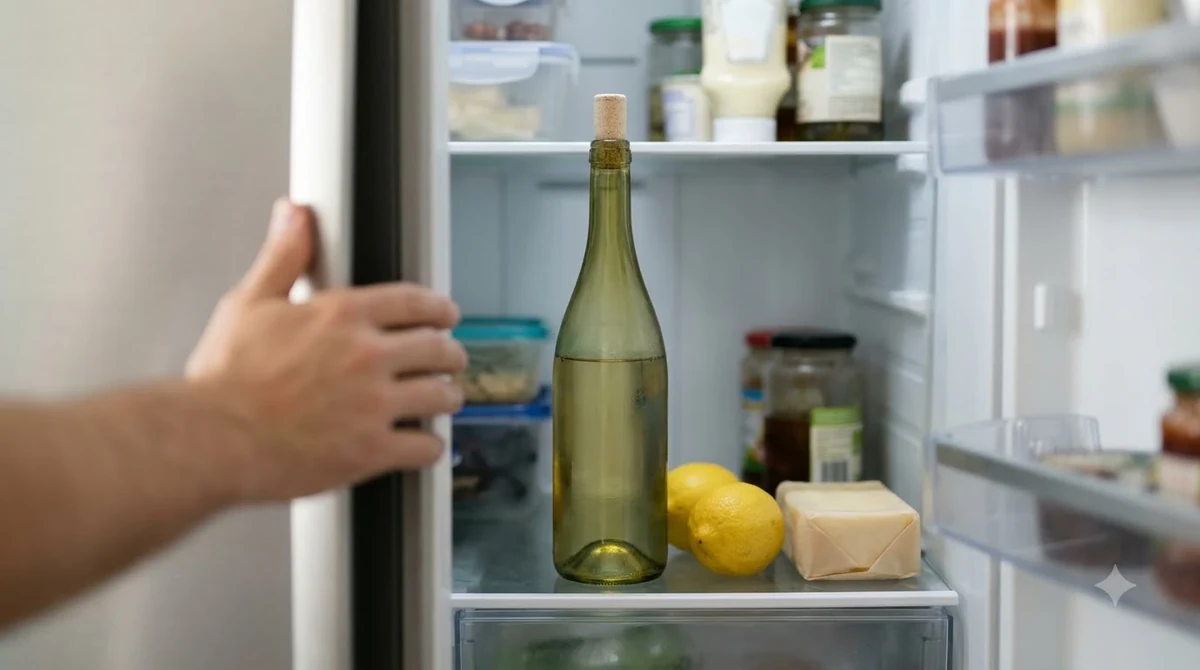
According to testing by America’s Test Kitchen, sauces made with dry vermouth for chicken, fish, and vegetables tasted only a little sweeter and more herbal than the same sauces made with white wine; the difference was subtle. Use it in a straight 1:1 ratio for deglazing, risotto, or a butter sauce. A refrigerated bottle continues to taste good for three to nine months, solving the common problem of opening a full bottle just to measure half a cup. Keep a standard dry style such as those used in martinis; sweet vermouth belongs in cocktails and desserts, not savory pans. The herbal notes in dry vermouth also pair especially well with garlic, shallots, and fresh herbs that appear in many classic French and Italian preparations.
Because vermouth is already fortified, it deglazes a hot pan cleanly and reduces into a sauce with good body. Many cooks find that an opened bottle of vermouth behaves more consistently than a half-finished bottle of table wine that has begun to oxidize in the refrigerator. Store it tightly capped and chilled for the longest useful life.
Stock Plus Acid for Alcohol-Free Cooking
When the dish must stay free of alcohol, the most reliable approach splits the work of wine between two pantry items. Chicken or vegetable stock supplies body and savory depth; a measured dose of acid restores the brightness that wine would have contributed. For every cup (about 250 ml) of dry white wine the recipe lists, use one cup of low-sodium stock plus one to two teaspoons of fresh lemon juice or white wine vinegar. Start with the smaller amount of acid and taste before adding more.
Add the stock first to lift the fond, then finish with the acid off the heat so the brightness stays lively rather than cooking away. This combination works cleanly in braises, soups, cream sauces, and risotto. Low-sodium stock is preferable because the wine being replaced contains no salt; reducing the liquid concentrates whatever sodium is present. Vegetable stock keeps seafood and light vegetable dishes cleaner, while chicken stock suits poultry and richer sauces. For more ideas on using wine itself when it is available, see cooking with dry white wine.
In a long braise the acid mellows over time and integrates with the other ingredients. In a quick pan sauce the acid is best added near the end so it remains vivid. Taste the finished sauce and adjust with an extra drop of lemon if the dish still feels flat. The stock-and-acid method is also the safest choice when cooking for guests who avoid alcohol entirely.
Diluted Vinegar and Citrus Options
White wine vinegar or lemon juice alone can cover the acidity job when a recipe needs only a bright lift rather than full body. Because both are far sharper than wine, they must be diluted. A practical starting ratio is one tablespoon of white wine vinegar or lemon juice mixed with three tablespoons of water or stock for every quarter-cup of wine. Add gradually and taste; the goal is lift, not a sharp edge.
Lemon juice shines in dishes that already lean citrus, such as chicken piccata or steamed mussels. White wine vinegar works in pan sauces and fondue, where a small amount of tang prevents richness from feeling heavy. Apple cider vinegar diluted the same way offers a slightly fruitier brightness and is useful when white wine vinegar is not on the shelf. Never pour full-strength vinegar into a pan expecting it to behave like wine; the result is one-dimensional and harsh.
Citrus also brings a fresh aromatic quality that plain vinegar lacks. A squeeze of lemon at the very end of cooking can wake up a sauce that has simmered for a long time and lost some of its original lift. Keep the total acid addition modest so the dish remains balanced rather than tart.
White Grape Juice and Verjus
White grape juice shares the grape origin of wine but arrives much sweeter. To approximate a dry style, combine three parts unsweetened white grape juice with one part water or stock, then add a teaspoon of lemon juice or white wine vinegar per half-cup of the mixture. Use this only in recipes that can tolerate a touch of sweetness, such as certain glazes or lighter fruit-forward sauces. In a classic savory reduction the residual sugar concentrates and can turn the sauce cloying.
Verjus, the tart pressed juice of unripe grapes, is a stronger alcohol-free alternative. It supplies wine-like acidity and subtle fruit without fermentation or alcohol, so it can replace dry white wine at a 1:1 ratio in sauces, risotto, and deglazing. Because it is milder than vinegar, it integrates smoothly and does not require the same dilution. Keep a bottle in the refrigerator once opened; it is a specialty item but highly effective when available. Verjus is particularly useful in cream-based sauces where a harsher acid might risk curdling or overpowering the dairy.
Both grape juice and verjus keep the grape character that stock alone cannot provide. When a recipe relies heavily on the fruity background of white wine, these two options come closer than broth-based swaps. Always taste and adjust the seasoning after reduction, because the sweetness or tartness can shift as the liquid cooks down.

Choosing the Right Dry White When You Have Wine
When the bottle is on hand, choose a crisp, unoaked dry white you would drink. Sauvignon Blanc, Pinot Grigio, Muscadet, and unoaked Chardonnay or Chablis are the most versatile. These wines stay bright under heat and do not introduce oak or butter notes that turn bitter or heavy when reduced. Avoid heavily oaked Chardonnay and any wine that tastes sweet or off-dry; residual sugar concentrates during cooking and can throw a savory dish out of balance.
A residual-sugar level of roughly 4 grams per liter or less (up to 9 grams per liter when acidity is high) defines a still wine as dry. Most everyday bottles of the varieties listed above fall in that range. Products sold as “cooking wine” almost always contain added salt and preservatives; skip them. Leftover wine freezes well in ice-cube trays for future sauces. For a broader look at styles, consult the overview of Wine by Type.
According to guidance from Wine Enthusiast, light and bright varietals such as Sauvignon Blanc, Pinot Grigio, and Chenin Blanc enhance a dish without dominating it. The same source notes that fino Sherry can stand in for richer styles in mushroom risotto, while dry vermouth pairs well with clams and chicken pan sauces. Matching the weight and flavor profile of the wine to the dish remains the simplest way to get good results when you do have a bottle available.
| Substitute | Ratio for 1 cup wine | Best uses | Notes |
|---|---|---|---|
| Dry vermouth | 1 cup | Pan sauces, risotto, seafood, chicken | Keeps 3–9 months refrigerated; subtle herbal note |
| Stock + lemon or white wine vinegar | 1 cup stock + 1–2 tsp acid | Braises, soups, cream sauces, risotto | Alcohol-free; start with less acid and taste |
| White wine vinegar diluted | ¼ cup vinegar + ¾ cup water or stock | Deglazing, light sauces | Too sharp undiluted |
| Lemon juice diluted | ¼ cup juice + ¾ cup water or stock | Piccata, mussels, citrus-forward dishes | Fresh brightness; add late |
| Verjus | 1 cup | Sauces, risotto, deglazing | Alcohol-free; milder than vinegar |
| White grape juice + acid | ¾ cup juice + ¼ cup water + 1–2 tsp acid | Glazes, dishes that accept mild sweetness | Can taste cloying in savory reductions |
Matching Substitutes to Specific Dishes
Risotto benefits from the aromatic lift of dry vermouth or the stock-and-acid blend added at the toasting stage; keep the liquid volume identical so the rice cooks on schedule. Mushroom risotto can also take a small amount of fino Sherry for nutty depth that echoes the earthiness of the mushrooms. Linguini with clams and steamed mussels respond well to dry vermouth or a Sauvignon Blanc when available; the herbal and citrus notes amplify the brine.
Chicken breasts with a white-wine pan sauce take dry vermouth cleanly, especially when finished with cream, Dijon, and tarragon. Chicken piccata leans on lemon juice for the same bright cut that balances the buttery sauce. Fondue gains needed tang from a measured splash of white wine vinegar. In each case the substitute is chosen for the dominant job the wine was meant to perform—acid for richness, aroma for shellfish, or body for long-simmered dishes. If a recipe calls for a fortified wine such as Marsala, a different set of swaps applies; see the guide to a marsala substitute for those details.
For a simple weeknight pasta or sautéed vegetables, the stock-and-lemon combination is often enough. For a special seafood dinner, dry vermouth or a crisp Muscadet produces a more aromatic broth. Matching the intensity of the substitute to the intensity of the dish prevents the sauce from tasting either flat or overpowering.
Tip: Keep a small bottle of dry vermouth in the refrigerator door. It solves the most common kitchen problem—needing only a half-cup of wine—and remains ready for weeks or months without the flavor loss that hits an opened table wine in a few days.
What to Avoid and Common Pitfalls
Skip anything labeled cooking wine; the added salt makes accurate seasoning difficult and the flavor is usually flat or chemical. Do not use sweet or off-dry whites unless the recipe specifically wants residual sugar. Straight vinegar or undiluted lemon juice overwhelms rather than balances. Broth alone supplies body but leaves the dish tasting dull; the acid component is essential. Water maintains liquid volume but contributes nothing else and is a last resort only.
Alcohol does not fully disappear during cooking. Long simmering reduces it substantially, yet a measurable amount remains. When complete absence of alcohol is required, choose the stock-and-acid blend or verjus from the start. Taste as you go: every substitute changes the finished dish slightly, and small adjustments of salt or acid at the end bring the balance back. For red-wine applications such as sangria, different fruit and spice combinations apply; explore dry red wine sangria when the recipe shifts color.
Another frequent mistake is reducing a substitute too aggressively. Wine and vermouth both lose some volume as they cook, concentrating flavor. Stock-and-acid mixtures behave similarly, so watch the pan and stop when the sauce reaches the consistency you want rather than boiling it down to a sticky glaze unless the recipe asks for that result.
Frequently Asked Questions
Does dry vermouth change the color of a light sauce?
Dry vermouth is pale and reduces clear in most applications. Any slight golden tint is comparable to that of a standard Pinot Grigio or Sauvignon Blanc and does not darken a cream or butter sauce. If absolute clarity is critical, the stock-and-lemon combination remains completely neutral in color.
Can I freeze leftover dry white wine for later cooking?
Yes. Pour leftover wine into ice-cube trays, freeze, then transfer the cubes to a sealed bag. Each cube is roughly two tablespoons and thaws quickly in a hot pan. The frozen wine loses some aromatic nuance for drinking but retains its acidity and deglazing power for sauces and braises.
Is there a difference between dry vermouth and extra-dry vermouth for cooking?
Both work. Extra-dry styles tend to be leaner and more botanical; standard dry vermouth can carry a touch more fruit. In a pan sauce or risotto the distinction is minor once the liquid reduces. Avoid sweet or bianco styles, which introduce noticeable sugar.
How much alcohol remains after simmering wine or vermouth?
After 15 minutes of simmering, roughly 40 percent of the original alcohol can remain; after an hour the figure drops closer to 25 percent, depending on surface area and temperature. Complete elimination is not realistic in home cooking, so alcohol-free substitutes are the reliable path when zero alcohol is required.
Can I use sparkling wine as a dry white wine substitute?
A dry sparkling wine such as a non-vintage Brut can work in a pinch for deglazing or light sauces, provided it is truly dry (Brut or drier). The bubbles dissipate quickly under heat. Avoid Prosecco labeled Extra Dry or Demi-Sec, which carry more residual sugar that concentrates unpleasantly in a reduction.
Matching the right dry white wine substitute to the recipe restores the brightness and depth that wine was meant to provide. Keep dry vermouth on hand for everyday convenience, rely on stock and a measured acid when alcohol is off-limits, and choose crisp unoaked whites when the bottle is available. With these options the sauce stays balanced and the dish finishes as intended, whether you are cooking a simple weeknight meal or a more elaborate seafood preparation.
More in Wine Types & Grapes
 Zinfandel Sugar Content: Dry Red vs. White Zinfandel GramsUpdated Nov 21, 2026
 Best Zinfandel Substitute Options for Sipping and CookingUpdated Nov 21, 2026
 Zweigelt Food Pairing: Best Dishes, Cheeses, and Serving TipsUpdated Nov 21, 2026
 Zinfandel Tannins Explained: How Structure Shapes Every BottleUpdated Nov 21, 2026
 Zinfandel Sweetness Level: Dry Red vs. Sweet White Zin ExplainedUpdated Nov 21, 2026
 Xinomavro Food Pairing: Best Dishes, Styles, and Serving TipsUpdated Nov 21, 2026