

We may earn a commission when you buy through links on this page, at no extra cost to you. Learn more.
Cooking with dry white wine means adding an unsweetened white wine to a dish for acidity, aroma, and depth, usually in a sauce, a pan deglaze, a marinade, or a broth. Crisp styles such as Pinot Grigio and Sauvignon Blanc suit seafood and vegetables, while richer dry whites such as Chardonnay work well with cream sauces and chicken. Cook the wine until it has reduced, and keep the bottle you would be happy to drink.
A splash of dry white wine can lift a dish that tastes flat, and it often does more work than salt or lemon juice alone. The sections below explain which styles to choose, how acidity affects the final dish, how much alcohol stays after cooking, and how to use wine in everyday recipes.
Why Dry White Wine Works in the Kitchen
Dry white wine brings acidity, fruit, and a light structure to food. The acid helps balance rich ingredients such as butter, cream, and fatty fish, and it can make savory flavors feel brighter. Because the sugar is low, the wine adds flavor without making a dish sweet, which is why it is a common choice for sauces that should stay savory.
Wine also helps dissolve and carry flavors from the pan. When you scrape up browned bits after searing meat or vegetables, the wine lifts those concentrated flavors into the sauce. That step is the reason many classic recipes call for a deglaze before the liquids are added.
Which Dry White Wine to Use for Cooking
Choosing a style matters more than choosing a famous label. Wine reviewers generally group dry whites by how they work in food. Rich dry whites suit white meat, cream sauces, and gravies. Crisp dry whites suit seafood and shellfish, and herbal dry whites suit vegetables.
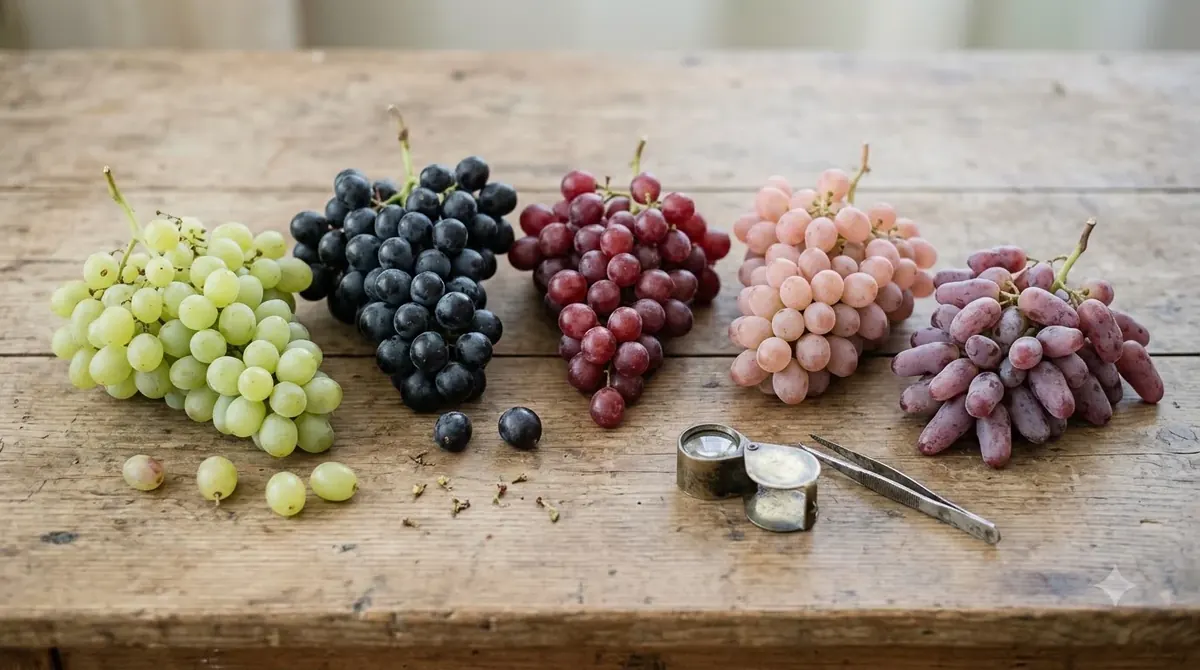
In practice, Chardonnay, Viognier, and Chenin Blanc are the usual choices for rich sauces. Pinot Gris, which is the same grape sold as Pinot Grigio, is a common pick for seafood and light pan sauces. Sauvignon Blanc and Verdejo are often used with vegetables and herbs because their herbal notes come through when the wine is reduced.
| Dish type | Wine style to try | Typical grapes |
|---|---|---|
| Cream sauce or gravy | Rich, round dry white | Chardonnay, Viognier, Chenin Blanc |
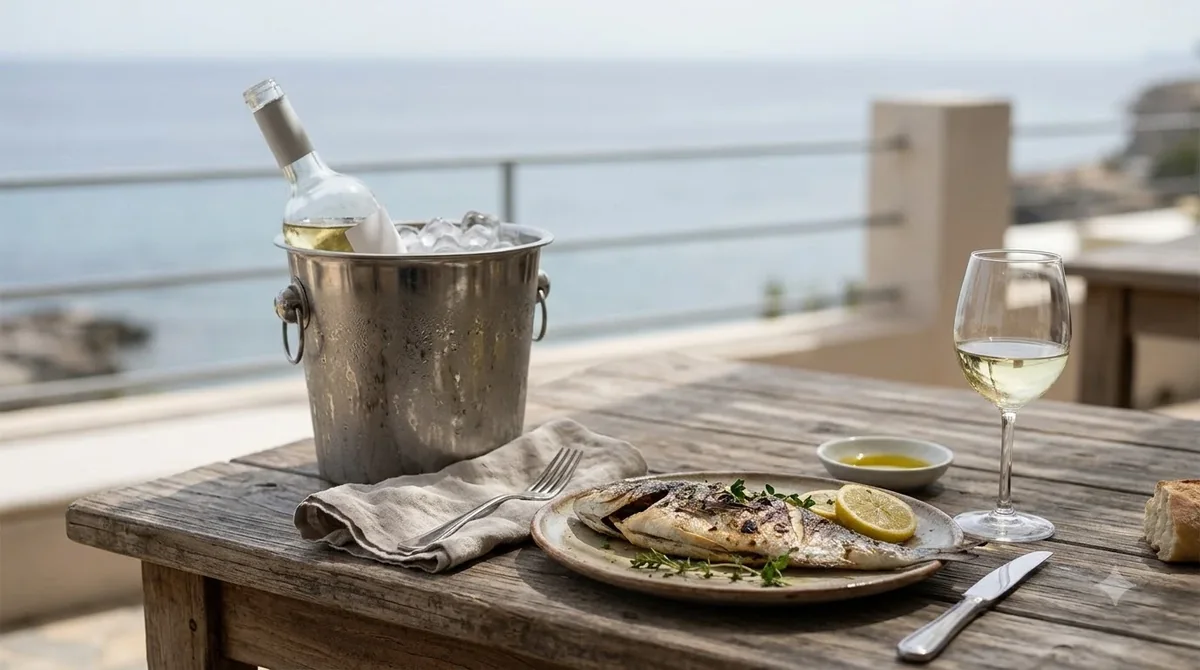
| Seafood or shellfish | Crisp, bright dry white | Pinot Gris (Pinot Grigio), Vinho Verde, Picpoul |
| Vegetables and herbs | Herbal dry white | Sauvignon Blanc, Grüner Veltliner, Verdejo |
| Poaching or steaming shellfish | Any crisp dry white | Pinot Gris, Sauvignon Blanc |
If you are curious about how one grape’s style changes between recipes, the guides on cooking with sauvignon blanc and cooking with pinot grigio go deeper into specific dishes.
How Acidity Changes the Dish
Acidity is the main reason cooks reach for dry white wine. A crisp wine can cut through the richness of fish or fried food and make the finished plate taste lighter. It can also help tenderize ingredients in marinades when they rest for a while.
Acid can also cause trouble. Cooking concentrates flavors and acidity, so a wine that tastes pleasantly sharp in the glass can become harsh in a reduced sauce. Cream sauces are the hardest to balance for this reason, because the dairy softens the wine while the acid still works on the proteins. Taste the sauce before you finish it, and adjust with a small amount of butter, cream, or a pinch of sugar if it feels sharp.
Tip: If a sauce tastes sour after reducing, add a little more fat or stock rather than more wine. Fat softens acid, and the stock adds body without making the dish heavier.
How Much Alcohol Remains After Cooking
Many cooks assume that the alcohol disappears quickly, but the amount left in a dish depends on how long it is cooked and how it is prepared. Longer cooking removes more alcohol. One guide notes that it can take as long as 2.5 hours of simmering to remove the alcohol completely, which is why a quick deglaze leaves more behind than a long braise.
That matters for guests, children, and anyone avoiding alcohol for personal or religious reasons. A short simmer or a dish added at the last minute will keep more of the wine’s alcohol, while a stew cooked slowly for hours will hold much less. Flavor and safety both depend on the method, so plan the cooking time when you decide how to use the wine.
How Much Wine to Use and How to Add It
Most recipes call for between a half cup and three quarters of a cup of wine. Cooks often use about a cup when the wine is the main liquid in a braise, and a few tablespoons when they only need to deglaze a pan after sautéing vegetables or meat. The amount you use affects flavor, so start with the lower end and adjust after tasting.
For cream sauces, many cooks reduce the wine to about half its original volume before adding cream. This concentrates the flavor and cuts the sharp edge of the acid before dairy goes into the pan. For steamed mussels, clams, or other shellfish, the wine goes into the broth at the start, where it forms the base of the liquid.
- Sauté your aromatics or protein until browned, and remove them from the pan if needed.
- Pour in the wine and scrape up the browned bits with a spoon or spatula.
- Simmer until the liquid is reduced by about half, or until the sharp smell fades.
- Add stock, cream, or other ingredients, then simmer again to blend the flavors.
- Taste and adjust salt, acid, and fat before serving.
Wine is not the only option for a pan sauce. When you have none on hand, a stock or broth with a small splash of lemon juice or white wine vinegar can supply some of the same brightness. The result will be less aromatic, so taste carefully and add the acid in small amounts. Many cooks keep a bottle of dry white wine for cooking precisely so that the sauce tastes right the first time, rather than relying on substitutes.
Storing Leftover Wine for Cooking
You do not need a special cooking wine. A drinkable bottle that is a little past its best still works in the pan, and most cooks prefer it to bottles labeled cooking wine, which often contain added salt. Oxidized or vinegary wine will taste bad after cooking, so do not use a bottle that has gone sour.
An opened white wine stays drinkable in the refrigerator for up to about a week, and many cooks keep it for cooking for about two weeks. Pour leftover wine into a clean container, keep it sealed, and use it for deglazing, sauces, or steaming within that window.
Tip: Freeze leftover wine in ice cube trays. One or two cubes are enough for most pan sauces, and you can drop them straight into the pan.
Frequently Asked Questions
Can I cook with any dry white wine?
You can, but the style matters. Crisp whites suit seafood and vegetables, and richer whites suit cream sauces and chicken. Pick a wine you would drink, because cooking concentrates its flavors.
Does cooking remove all the alcohol from white wine?
No. Cooking removes alcohol over time, but a short simmer leaves much of it behind. Some guides note that it can take as long as 2.5 hours of simmering to remove the alcohol completely.
How much dry white wine should I add to a recipe?
Most recipes use between a half cup and three quarters of a cup. For a quick pan deglaze, a few tablespoons is often enough, and sauces may need reduction before cream or stock goes in.
How long does an opened bottle of white wine last for cooking?
An opened, refrigerated white wine stays drinkable for up to about a week and works for cooking for roughly two weeks. Use it sooner if it smells sour or flat.
Dry white wine is one of the simplest ways to add depth to a weeknight dinner. Choose a crisp or rich style to match the dish, reduce it properly, and taste before you finish. For more background, the Wine by Type guide explains how white wine styles differ, and the Wine Folly guide to dry white wine for cooking offers more detail on specific grapes.
More in Wine Types & Grapes
 Zinfandel Sugar Content: Dry Red vs. White Zinfandel GramsUpdated Nov 21, 2026
 Best Zinfandel Substitute Options for Sipping and CookingUpdated Nov 21, 2026
 Zweigelt Food Pairing: Best Dishes, Cheeses, and Serving TipsUpdated Nov 21, 2026
 Zinfandel Tannins Explained: How Structure Shapes Every BottleUpdated Nov 21, 2026
 Zinfandel Sweetness Level: Dry Red vs. Sweet White Zin ExplainedUpdated Nov 21, 2026
 Xinomavro Food Pairing: Best Dishes, Styles, and Serving TipsUpdated Nov 21, 2026