

We may earn a commission when you buy through links on this page, at no extra cost to you. Learn more.
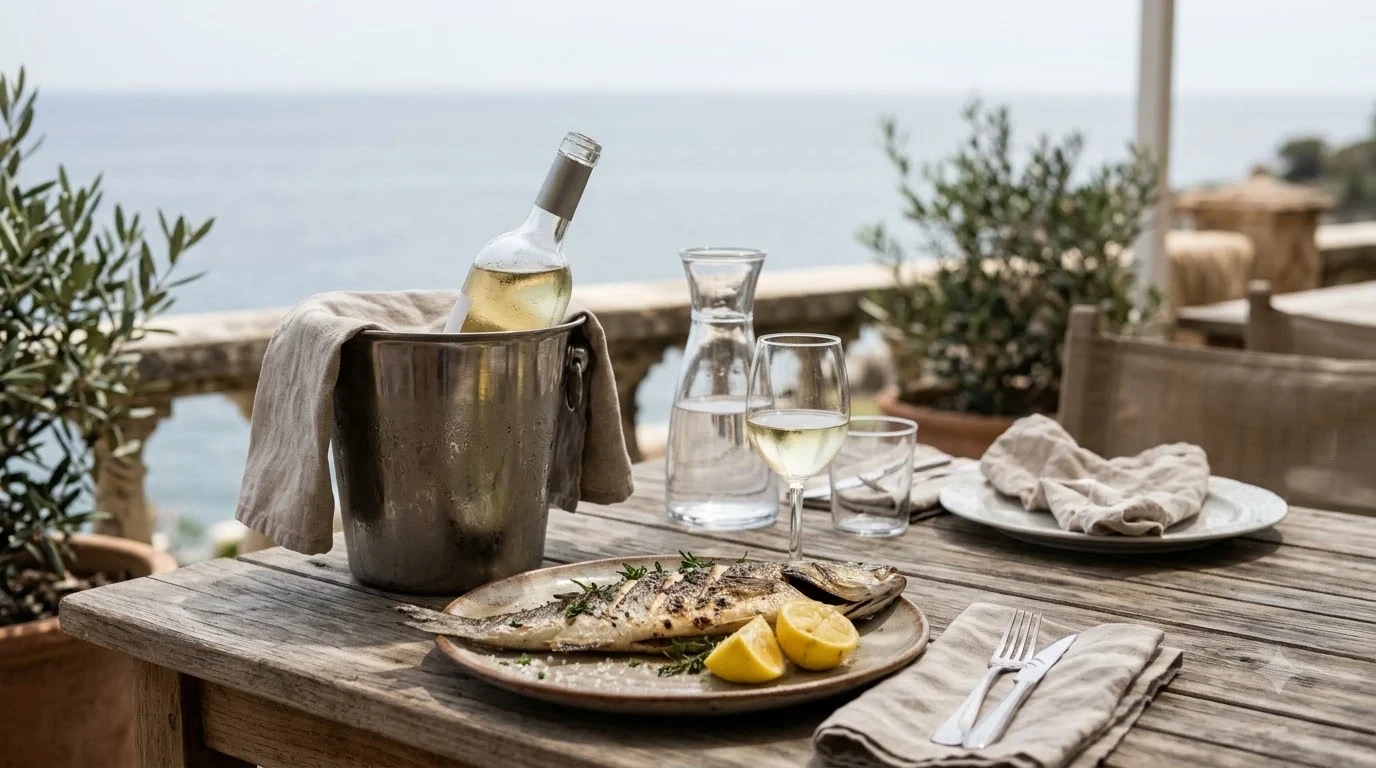
Cooking with sauvignon blanc works well because its crisp acidity brightens sauces, steams shellfish, and balances rich ingredients without adding much sweetness. A dry, unoaked bottle is the usual choice, since oak can turn toasty or vanilla-like once the wine reduces in the pan. The goal is a clean, citrusy lift in the dish rather than a taste that reads as wine on its own.
This guide explains why cooking with sauvignon blanc suits so many seafood, poultry, and vegetable dishes, which style of bottle belongs in the pan, and which techniques get the most from it. It also covers the mistakes that waste a good bottle. For the broader family of styles, see Wine by Type.
Why Sauvignon Blanc Works in the Pan
Sauvignon blanc is a naturally high-acid white wine, and acidity is the main reason cooks reach for it. Acid is a practical tool in the kitchen. It cuts through butter and cream, sharpens salt and fat, and makes a sauce taste brighter and more finished.
The flavors of the grape also carry into cooked food. Sauvignon blanc often shows green herb, citrus, and gooseberry notes with a clean, sharp finish. Those notes survive a short reduction, which is why the wine suits herb-forward and seafood dishes so well. According to the Sauvignon blanc entry on Wikipedia, cooler climates give more noticeable acidity and grassy green notes, while warmer climates push the fruit toward tropical flavors. That difference matters in the pan, because a grassy wine and a tropical wine can taste quite different once they are boiled down.
A sweet wine behaves differently. Residual sugar thickens as the liquid reduces and can darken a sauce or make a savory dish taste heavy. A dry wine keeps the sauce balanced, which is the reason most recipes that call for white wine specify a dry style.
Choose a Dry, Unoaked Bottle for Cooking
A dry, unoaked sauvignon blanc is the most reliable style for cooking because it adds acidity without bringing oak or sweetness into the dish. According to Wine Folly’s sauvignon blanc guide, unoaked wines are lean, crisp, and aromatic, which is exactly the profile you want in a sauce.
Oak aging adds vanilla, toast, and a rounder texture. Those notes can become heavy once the wine reduces, so an oaked bottle usually needs to be used with care. The name Fumé Blanc was given to barrel-aged versions by Robert Mondavi, and those wines are generally rounder with soft melon notes. They can work in cream or roast chicken dishes, but a plain unoaked bottle is simpler to manage in most recipes.
| Style | What it adds to cooking | Best use |
|---|---|---|
| Dry, unoaked | Sharp citrus and herb lift | Pan sauces, mussels, white fish |
| Oaked or Fumé Blanc | Rounder body and soft melon notes | Cream sauces, roast chicken |
| Off-dry or sweet | Sugar that thickens and darkens sauces | Generally avoided for savory cooking |
A costly bottle is not a better cooking wine. The subtle aromas of a fine wine fade as the liquid boils down, so most of the expense disappears into the sauce. Choose a clean, dry bottle you would be happy to drink with the meal, and save the finer bottles for the glass.
Techniques That Get the Most From the Wine
Deglazing, steaming, and finishing are the three techniques where sauvignon blanc performs best. Each one uses the wine’s acidity in a different way, and each works with a common home kitchen tool.
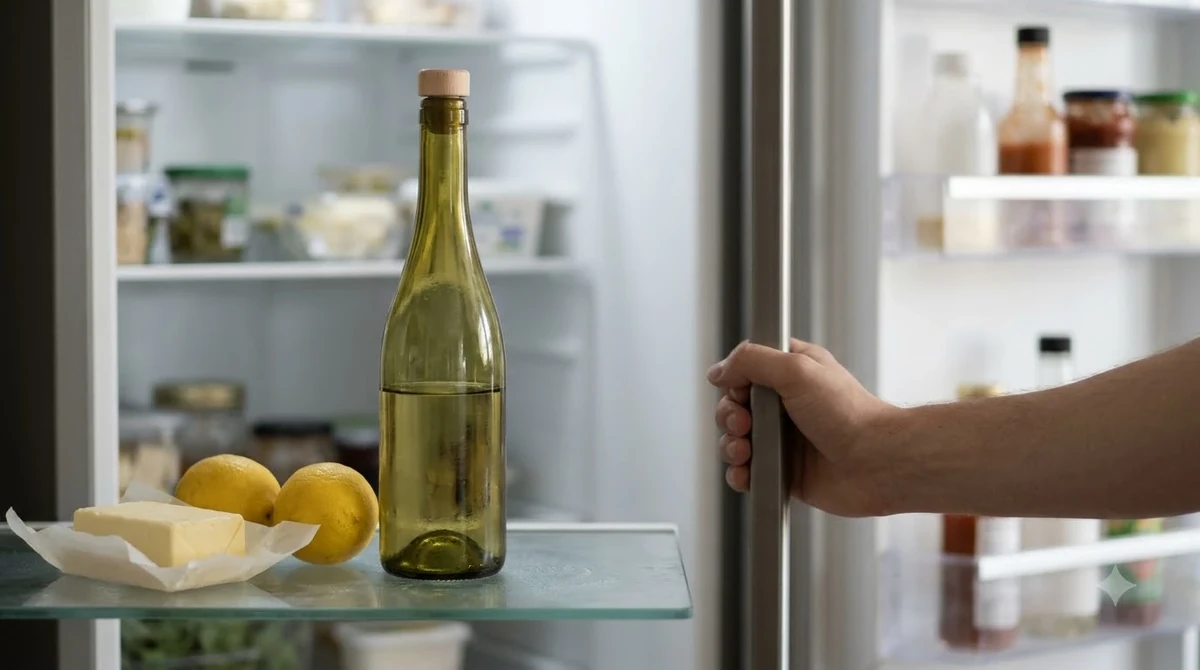
Deglazing is the most common method. After searing chicken, pork, or vegetables, pour the wine into the hot pan and scrape up the browned bits. Those bits, called fond, dissolve into the liquid and give the sauce depth. Let the wine bubble until the volume drops and the sharp smell of alcohol fades. Heat removes much of the alcohol while the flavor concentrates, though a long simmer removes more than a quick splash.
Steaming is the classic method for mussels and clams. Add a splash of wine with garlic, shallot, and a little butter to a covered pan, and the shells open as the liquid turns to steam. The same liquid can then be spooned over the shellfish or used as the base for a light broth. Discard any shells that stay closed after cooking.
Finishing is useful at the end of cooking. Stirring a small amount of wine into a cream or butter sauce just before serving keeps the acidity sharp. If the wine goes in too early and boils for a long time, the bright notes fade. Decide before you start whether the dish needs a reduced sauce or a fresh, lively finish, because each one calls for a different timing.
Dishes That Pair Well With Sauvignon Blanc
Seafood, herb-driven sauces, and lighter poultry and vegetable dishes give sauvignon blanc the best match in the kitchen. The same pairings that work in the glass usually work in the pan, which makes the bottle easy to plan around.
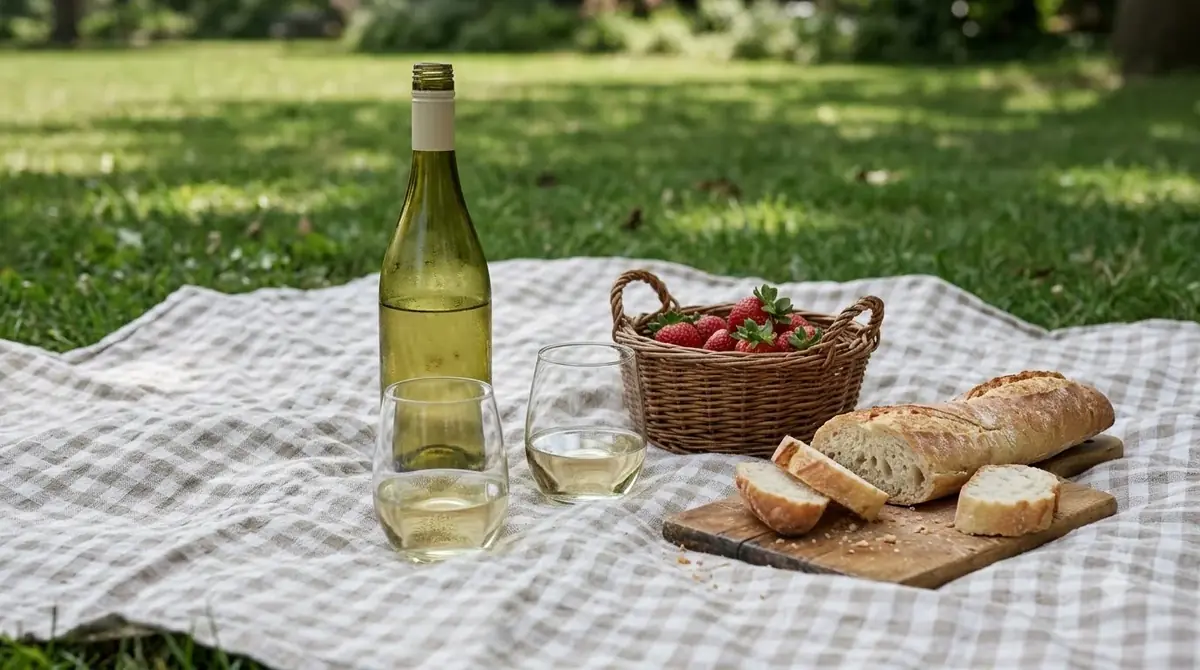
Seafood is the strongest match. Mussels, shrimp, scallops, and white fish all take on a bright lift from wine, and cooks often use it for garlic butter or shellfish broths. The Wikipedia entry also notes that the grape suits lobster, squid, and chicken or turkey, which makes it a flexible choice for a mixed meal.
Herb and vegetable dishes come next. Sauvignon blanc suits zucchini, eggplant, and asparagus, especially when thyme or bay leaves are in the pan. Pesto and other herb sauces also benefit, because the wine’s green notes echo the herbs rather than competing with them.
Soft cheeses such as feta and fresh mozzarella can share the same meal. Use the wine in a salad dressing or a warm dish, then serve the same bottle at the table so the flavors match from the stove to the glass.
| Dish | Role of the wine | Practical tip |
|---|---|---|
| Mussels or clams | Steams the shells open and forms the base of the broth | Cover the pan and discard any shells that stay closed |
| Chicken or turkey | Deglazes the pan and lifts the gravy | Reduce until the alcohol smell fades before adding stock |
| Shrimp or scallops | Brightens garlic and butter | Add near the end and cook briefly |
| Zucchini or eggplant | Balances oil and char | Season with thyme or bay leaves |
Tip: Use the same dry bottle in the pan and in the glass, so the sauce tastes like the wine you are serving.
Mistakes to Avoid When Cooking With Sauvignon Blanc
Heavy sauces, thin broths, and boiling the wine too long are the main ways a good bottle goes to waste. Most of these problems come from the wine being asked to do a job it is not built for.
Heavy, rich sauces can overwhelm the wine’s delicate aromas. A cream sauce with a long, sweet reduction may bury the citrus and herb notes that made the wine useful in the first place. In that case, add the wine early for depth and finish with a small splash at the end to keep the sauce fresh.
A thin broth with little else in it can taste sharp instead of balanced. Add vegetables, pasta, beans, or rice so the wine has something to balance. The same goes for simple stocks used alone, where the wine can dominate the taste.
Do not cook with a bottle that has already gone off. Wine that has oxidized or turned flat will not improve in a pan, and heat can make those flaws stronger. If you would not drink it, leave it out. Cooking wine sold with added salt is a separate product, so a regular dry bottle is usually the better choice because it gives you full control over the seasoning.
Frequently Asked Questions
Can I use any sauvignon blanc for cooking?
Most dry bottles work, but a dry, unoaked style gives the cleanest results. Sweet or heavily oaked wines can change the balance of a savory dish, so they are usually better left for drinking.
Does the alcohol cook out of the wine?
Heat removes much of the alcohol, but not all of it. How much remains depends on the cooking time and method. A long simmer removes more than a quick deglaze, so match the method to the dish and to how strong a flavor you want.
What if the recipe calls for a different white wine?
Other dry white wines with similar acidity, such as pinot grigio or an unoaked chardonnay, can stand in. The result will taste a little different, because sauvignon blanc brings more herb and citrus notes than most alternatives.
Should I cook with the same wine I plan to serve?
Using the same wine keeps the flavors consistent from the stove to the table. You do not need a fine bottle for this. A clean, dry wine that you enjoy drinking is the right choice for both the pan and the glass.
Keep a dry, unoaked bottle on hand for cooking, and start with a simple dish such as steamed mussels or a pan sauce for chicken. For more on the grape itself, read about sauvignon blanc wine, and for other white wines that work in the kitchen, see cooking with dry white wine.
More in Wine Types & Grapes
 Zinfandel Sugar Content: Dry Red vs. White Zinfandel GramsUpdated Nov 21, 2026
 Best Zinfandel Substitute Options for Sipping and CookingUpdated Nov 21, 2026
 Zweigelt Food Pairing: Best Dishes, Cheeses, and Serving TipsUpdated Nov 21, 2026
 Zinfandel Tannins Explained: How Structure Shapes Every BottleUpdated Nov 21, 2026
 Zinfandel Sweetness Level: Dry Red vs. Sweet White Zin ExplainedUpdated Nov 21, 2026
 Xinomavro Food Pairing: Best Dishes, Styles, and Serving TipsUpdated Nov 21, 2026