

We may earn a commission when you buy through links on this page, at no extra cost to you. Learn more.
Dry red wine sangria is a chilled red wine punch with fruit, citrus, and a splash of spirit, made with a wine that tastes fruity but not sweet. Medium-bodied Spanish reds such as Garnacha, Tempranillo, and young Rioja are the usual picks, because their red fruit flavor holds up once the drink is mixed. Low to moderate tannin keeps the glass smooth rather than bitter.
Sangria is easy to make, and the wine you start with decides most of the result. This guide explains what makes a red wine suitable for a dry sangria, which bottles are the usual choices, and how to build the drink so the fruit and the wine stay in balance.
What makes a red wine work in sangria
A good sangria base is fruity, medium-bodied, and not heavily oaked. Those qualities let the wine carry chopped fruit, citrus juice, and a liqueur without turning muddy or harsh. Reviewers who write about Spanish drinks often describe the traditional base as a young, simple red rather than an aged bottle meant for sipping on its own.
Think of the wine as the foundation. Fruit, juice, and spirit will add flavor and sweetness, so the wine itself should not be jammy or syrupy to begin with.
Dry red wine sangria also depends on the finished drink being refreshing. A wine with bright acidity and soft red fruit makes a lighter pitcher that works well over ice on a warm afternoon.

Best dry red wines for sangria
Most sangria guides start with Spanish grapes. Tempranillo is widely cited as a top choice because it offers bright red and dark fruit, moderate structure, and a price that stays reasonable for a pitcher-sized batch. Garnacha, known as Grenache in France, is another frequent pick, with rich red fruit and lower acidity that blends well with orange and berry flavors.
Young Rioja, often labeled Joven, is the traditional choice in Spain. It is usually a blend built around Tempranillo, and its gentle oak character fits the fruit-forward style of the drink. Pinot Noir and Gamay, the grape behind Beaujolais, also appear on lists of workable options because they are light and fruity with low tannin. The sommelier team at Armchair Sommelier names Tempranillo as the best red for sangria and lists Garnacha as a close second, which matches what most Spanish-focused guides recommend.
If you are shopping for a pitcher on a budget, a basic bottle from one of these styles is enough. You do not need a reserve or a single-vineyard wine, because the fruit and spirit will do most of the work.
| Wine style | Typical flavor | Why it suits sangria |
|---|---|---|
| Tempranillo | Red cherry, plum, dark fruit | Balanced structure that pairs with citrus and brandy |
| Garnacha (Grenache) | Strawberry, raspberry, soft spice | Low acidity and rich red fruit for a rounder pitcher |
| Young Rioja (Joven) | Red fruit with light oak | Traditional Spanish style with a gentle, smooth finish |
| Beaujolais (Gamay) | Cherry, cranberry, bright acidity | Light body and fresh fruit for a crisp drink |
| Pinot Noir | Red berry, cherry, earthy notes | Low tannin and bright fruit that mix without bitterness |
Tip: Choose a bottle you would happily drink on its own. If the wine tastes flat in the glass, it will taste flatter once fruit and juice are added.
Why sweet red wines cause problems
Sangria already gets sweetness from fruit, orange juice, sugar, and liqueur, so starting with a sweet red adds too much sugar. Sweet bases make the drink cloying and can hide the fresh fruit and citrus that give sangria its character.
For a dry style, read the label for words such as “sweet” or “dessert” and avoid them. Heavily oaked wines and bold, high-tannin reds such as Cabernet Sauvignon also tend to taste bitter after mixing, so they are usually a poor match for a pitcher drink.
How alcohol and tannin change the drink
Alcohol level matters as much as sweetness. One guide that covers sangria suggests that red wines with about 12.5 to 13.5 percent alcohol by volume tend to work best. Stronger wines can taste hot and heavy once fruit and brandy are added, especially after the pitcher chills.
Tannin is the other factor. Tannin gives red wine its drying grip. In a mixed drink, it can become harsh, so lower-tannin reds keep the sangria smooth. Medium-bodied styles from Spain and Beaujolais sit comfortably in this range. A wine-focused guide from Flight Wine Bar advises against heavily oaked or tannic reds for the same reason, and its suggestions for affordable bottles follow the same Spanish and Beaujolais styles.
Because the numbers in different guides do not always match, treat the alcohol range as a guide rather than a rule. What matters most is that the wine tastes fresh, fruity, and balanced when you pour a small glass on its own.
How to make a dry red wine sangria
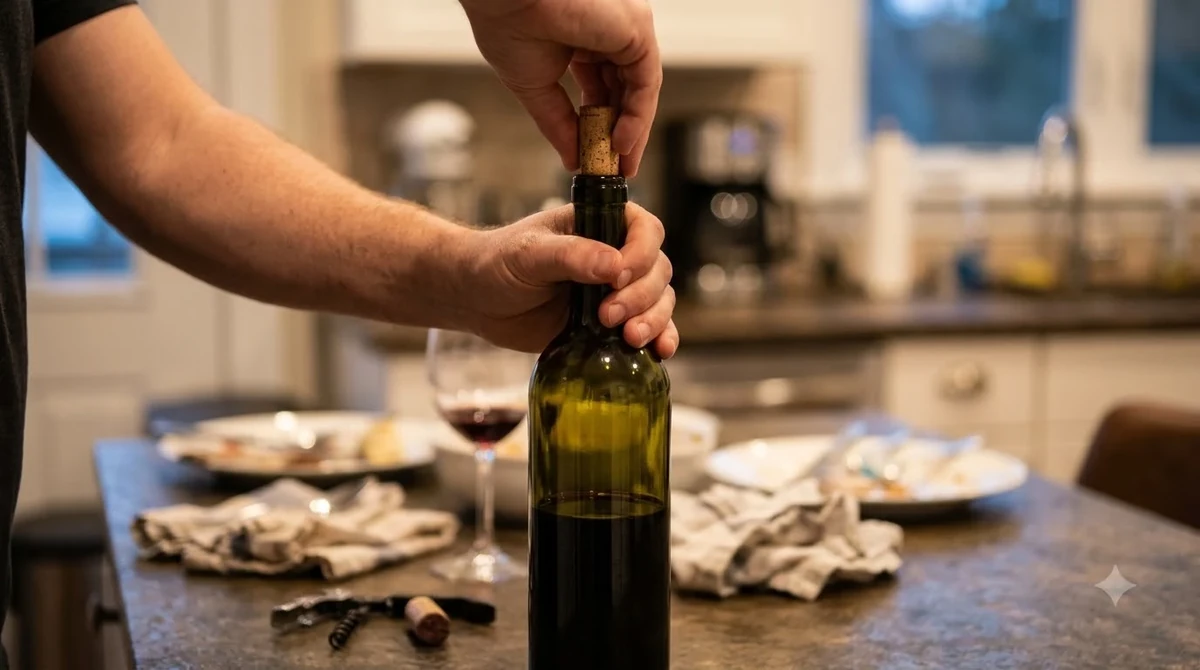
A simple method keeps the flavors clean. Start with one bottle of dry red wine, then add cut fruit and a small amount of orange juice. Chill the mixture before serving so the fruit can soften and release its juice into the wine.
- Pour one bottle of dry red wine into a large pitcher.
- Add sliced citrus or berries, such as orange, lemon, or strawberries, and about one cup of orange juice.
- Add a measured amount of orange liqueur or brandy, starting small and adding more only if the drink needs it.
- Refrigerate for at least three hours so the fruit can infuse the wine.
- Serve over ice in a glass, and add fresh fruit as a garnish.
Some recipes add soda water just before serving for a lighter, fizzier finish. Add it at the table rather than in the pitcher so the bubbles stay lively.
Serving and storing dry red wine sangria
Serve sangria cold. A pitcher that has rested in the refrigerator for a few hours will taste balanced, and the fruit will have softened enough to spoon into each glass. Ice keeps the drink cool, but it also dilutes the wine, so pour over ice in individual glasses rather than adding cubes to the whole pitcher.
Use a large glass with room for ice and fruit. A wide bowl lets you smell the fruit and citrus as you drink, which helps show off the wine underneath the spirit and juice.
Store leftover sangria covered in the refrigerator. The flavor is best within a day, after which the fruit can turn soft and the wine can lose its freshness. If the pitcher has tasted dull, add a fresh slice of citrus and a splash of soda water before serving rather than making a new batch from scratch.
Frequently Asked Questions
What is the best dry red wine for sangria?
Spanish Tempranillo is one of the most often recommended choices, followed by Garnacha and young Rioja. These wines are fruity, medium-bodied, and low to moderate in tannin, so they mix well with fruit and citrus.
Can I use a cheap red wine for sangria?
Yes, as long as the wine is dry and fruity. Sangria is a mixed drink, so you do not need an expensive bottle. Avoid wines that taste sweet or flat on their own, because those flaws become more noticeable once the drink is mixed.
Should dry red sangria be sweet?
A dry red sangria gets its sweetness from the fruit, juice, and liqueur rather than from the wine. You can add a little sugar if you like it sweeter, but start with less than you think you need and taste before adding more.
How long does dry red wine sangria last?
Sangria is best within about a day, once the fruit has softened and the flavors have blended. After a longer rest, the fruit can turn mushy and the drink can taste dull, so make a fresh batch for later servings.
Dry red wine sangria rewards a simple approach: pick a fruity, low-tannin wine, keep sweeteners modest, and chill the pitcher long enough for the flavors to join. For more background on the drink itself, see what is sangria, or browse wine by type to compare other red styles before you buy.
More in Wine Types & Grapes
 Zinfandel Sugar Content: Dry Red vs. White Zinfandel GramsUpdated Nov 21, 2026
 Best Zinfandel Substitute Options for Sipping and CookingUpdated Nov 21, 2026
 Zweigelt Food Pairing: Best Dishes, Cheeses, and Serving TipsUpdated Nov 21, 2026
 Zinfandel Tannins Explained: How Structure Shapes Every BottleUpdated Nov 21, 2026
 Zinfandel Sweetness Level: Dry Red vs. Sweet White Zin ExplainedUpdated Nov 21, 2026
 Xinomavro Food Pairing: Best Dishes, Styles, and Serving TipsUpdated Nov 21, 2026