

We may earn a commission when you buy through links on this page, at no extra cost to you. Learn more.
Lambrusco history spans more than three millennia, beginning with the domestication of wild vines in northern Italy’s Po Valley before Greek colonization in the 10th century BC. Roman authors including Virgil, Cato, and Pliny the Elder documented these untamed vines as Labrusca vitis, and winemakers in Emilia-Romagna refined sparkling production techniques over centuries. After a late-twentieth-century export boom flooded the American market with mass-produced sweet bottles, the region reclaimed its heritage through strict denomination laws and artisanal dry styles.
Few wines have experienced as dramatic a public image shift as Italy’s signature sparkling red. Long before it became a staple of 1970s American backyard barbecues, this ancient grape family shaped the agricultural and culinary culture of central-northern Italy. Tracing its journey from Roman vineyards to modern dining tables reveals how terroir, technology, and shifting consumer tastes transformed one of the world’s oldest wine traditions.
Ancient Roots in the Po Valley
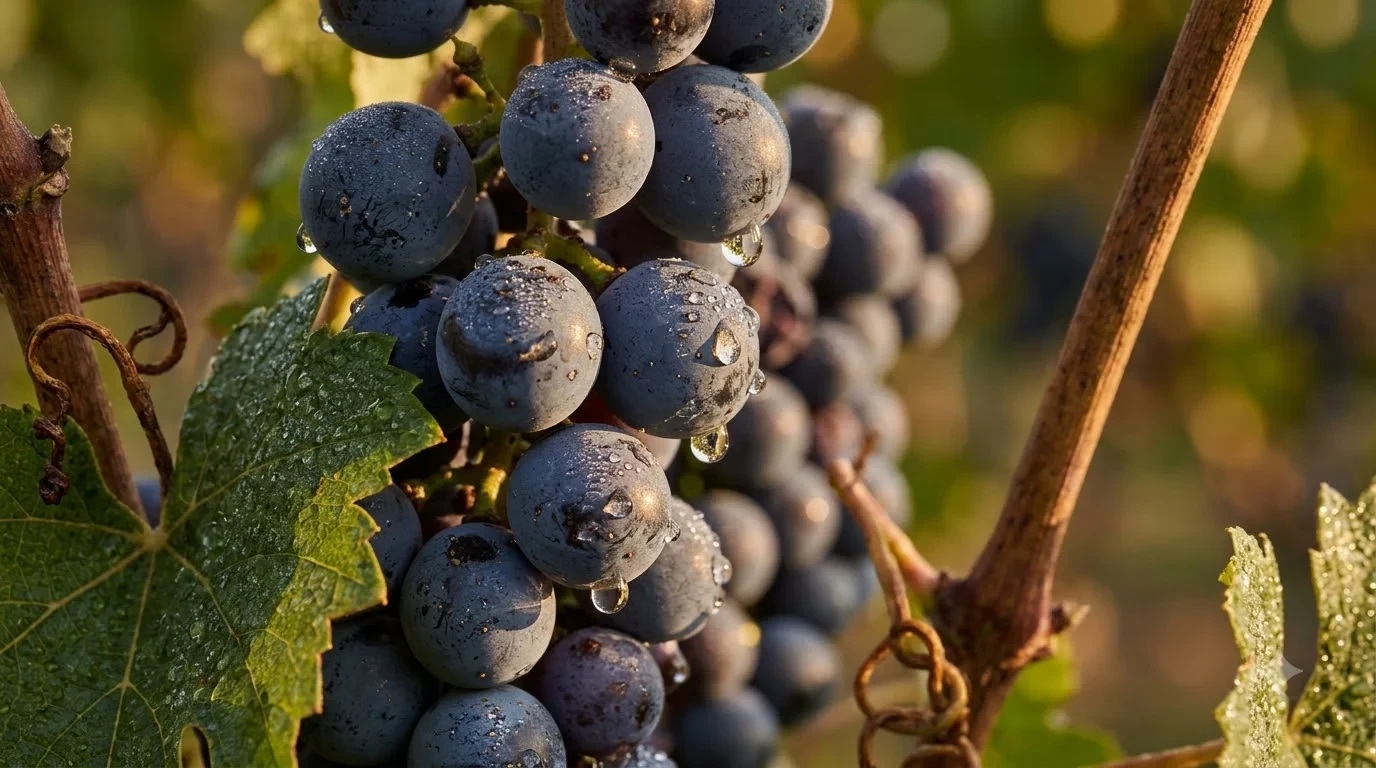
The earliest chapters of Lambrusco’s story unfold in the fertile plains of Emilia-Romagna, where ancient inhabitants began domesticating wild grapevines well before the 10th century BC. Rather than a single uniform cultivar, early viticulture in the Po Valley gave rise to a genetically diverse family of closely related red grapes adapted to local soils.
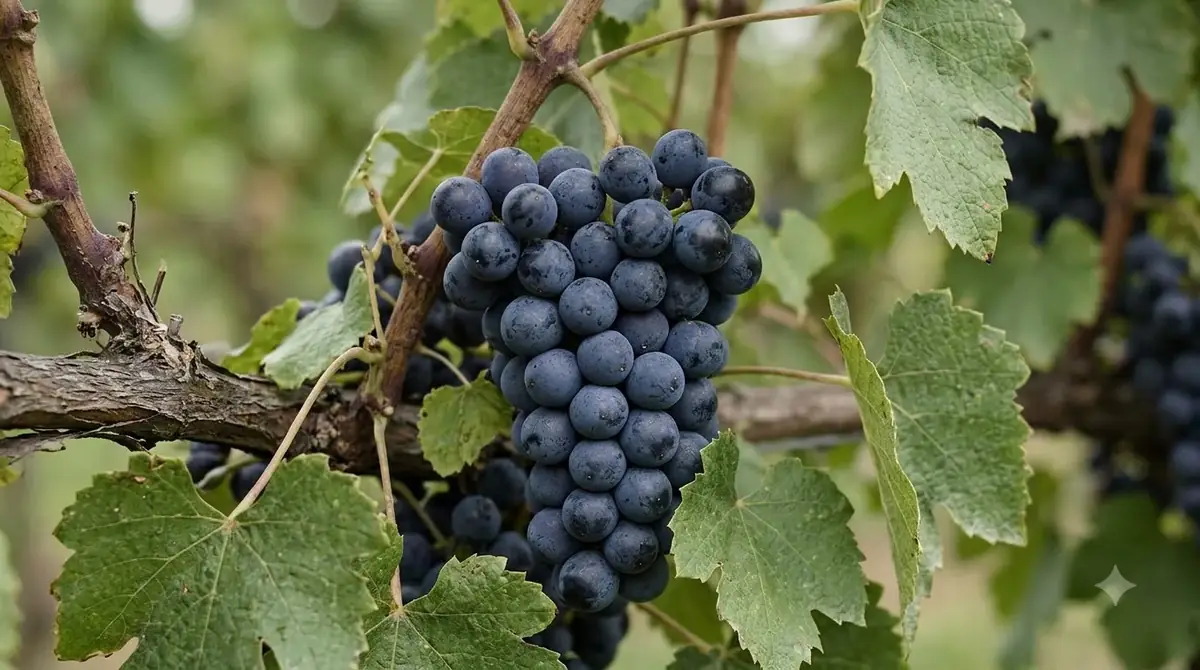
According to the Consorzio Tutela Lambrusco DOC, Roman agricultural writers and poets took keen notice of these native vines. In the first century BC, Virgil, Cato, and Varro all referenced a wild, vigorous plant known as Labrusca vitis—a Latin term translating roughly to “wild vine” or “vine growing at the edge of the fields.” By 78 AD, Pliny the Elder noted in his Naturalis Historia that the lands surrounding the Po River were renowned for vines whose leaves turned a striking blood-red hue before autumn leaf fall.
Archaeological and historical records from the Modena and Fontanellato areas show that Iron Age growers trained these vigorous vines up living trees such as elms, poplars, and maples. Known as the vite maritata (“married vine”) system, this elevated training method kept grapes off damp valley floors and maximized sun exposure across flat alluvial plains. Remarkably, variations of this traditional trellising survived across Emilia-Romagna for millennia, shaping both vineyard landscapes and local winemaking identity.
Medieval Battles and Renaissance Praise
Throughout the Middle Ages and the Renaissance, sparkling red wines from the Modena and Parma countryside earned a reputation across European courts for their lively froth and aromatic charm. Local chronicles even credit the wine with influencing medieval military history near Modena.
On July 2, 1084, forces loyal to Countess Matilda of Canossa clashed near Sorbara with the besieging army of Holy Roman Emperor Henry IV. According to regional historical accounts, Matilda’s defenders ensured that large quantities of local Lambrusco and Emilian provisions fell into the hands of the imperial troops. After feasting and drinking heavily, the exhausted soldiers were caught off guard and defeated, cementing Sorbara’s place in regional lore.
By the sixteenth century, medical and culinary authorities were actively praising the region’s effervescent wines. In 1597, Andrea Bacci, physician to Pope Sixtus V, celebrated the vineyards stretching between Modena and Parma for producing white and red wines that foamed with golden bubbles when poured. At a time when most still wines spoiled quickly in warm weather, naturally sparkling reds prized for their freshness stood out as regional specialties.
The 19th-Century Bottling Breakthrough
For centuries, capturing bubbles safely inside a vessel remained the greatest technical hurdle for Emilian winemakers. The nineteenth century brought crucial scientific and packaging advances that allowed producers to stabilize fermentation and ship sparkling Lambrusco without spoilage.
Before thick glass bottles and sturdy corks became widely available, secondary fermentation often occurred unpredictably in barrels or fragile containers. In 1814, Count Vincenzo Dandolo published a landmark treatise in Modena outlining precise instructions for producing, stabilizing, and bottling sparkling wines. His work gave local growers a repeatable framework for preserving natural carbonation and aromatic freshness.
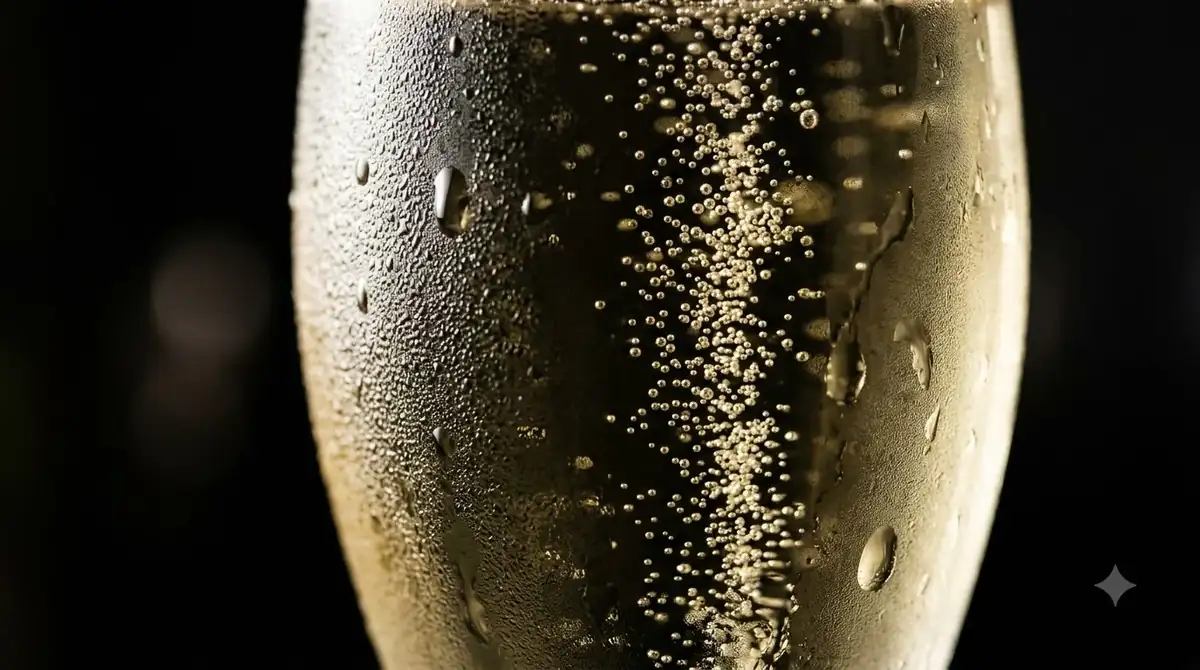
As glass manufacturing improved across Europe, producers could finally trap carbon dioxide safely under pressure. Traditionally, winemakers achieved effervescence through the metodo ancestrale (ancestral method), bottling wine before primary fermentation finished so yeast could complete its work under cork. Later, the adoption of pressurized stainless-steel tanks—known as the Charmat or Martinotti method—enabled cleaner, more consistent secondary fermentation while preserving vibrant fruit aromas.
The 1970s American Export Boom
During the late 1960s and 1970s, Lambrusco transitioned from a regional Italian table staple into an international commercial phenomenon. Driven by cooperative wineries and aggressive marketing, sweet, low-alcohol red fizz became one of Italy’s most exported wines.
As VinePair’s history of Lambrusco explains, cooperative producer Riunite introduced its semi-sweet amabile style to the United States in 1969, tapping directly into American preferences for approachable, lightly sweet beverages. Advertised as an everyday picnic and backyard wine, Riunite doubled production within six years and grew into one of the largest wine groups in the world through the 1970s and 1980s. Industry reports from the era note that full cargo ships departed Italy weekly bound for the US East Coast.
To meet skyrocketing global demand, many plains growers prioritized volume over concentration. Planting densities dropped from historical highs of up to 10,000 vines per hectare to fewer than 3,000, while heavy irrigation on fertile flatlands pushed yields past 200 hectoliters per hectare. Winemakers routinely halted Charmat fermentation early to leave substantial residual sugar, masking diluted fruit and aggressive tannins while creating the soda-like profile that defined American perceptions for decades.
Key Milestones in Lambrusco Evolution
Understanding how this ancient grape family shifted from Roman wild vines to modern Protected Designations of Origin (DOP) helps clarify why bottles on retail shelves vary so widely today. The timeline below summarizes the major turning points that shaped modern production.
| Era / Year | Historical Milestone | Impact on Wine Style |
|---|---|---|
| Before 10th Century BC | Domestication of wild vines in Italy’s Po Valley | Established native grape varieties adapted to alluvial soils |
| 1st Century BC – 78 AD | Virgil, Cato, and Pliny the Elder document Labrusca vitis | Recorded early viticulture and distinctive red autumn foliage |
| 1597 | Pope Sixtus V’s physician praises foaming Modena wines | Recognized natural effervescence as a prized regional trait |
| 1814 | Count Vincenzo Dandolo publishes sparkling bottling guide | Standardized stabilization and reduced spoilage in bottle |
| 1969 – 1980s | Riunite launches amabile Lambrusco in the US market | Sparked massive global exports of sweet, high-yield styles |
| 1961 – 2021 | Regional consortia form and unite under Consorzio Tutela Lambrusco DOC | Enforced stricter yield limits and championed dry, terroir-driven wines |
Each regulatory and technical shift gradually separated mass-market export wines from authentic Emilian expressions. While everyday sweet bottlings remain widely available, official appellation rules now protect specific grape varieties and hillside microclimates.
Modern Revival and the Return to Dry Styles
Over the past two decades, a dedicated generation of Emilian growers has restored Lambrusco’s reputation among sommeliers and fine wine drinkers. By lowering vineyard yields and embracing dry fermentation, producers have highlighted the grape’s natural acidity, savory structure, and food-friendly versatility.
Reviewers at Decanter note that modern artisanal producers treat Lambrusco with the same precision applied to top European sparkling wines, limiting yields and fermenting bottles to dry (secco) levels with up to 15 grams per liter of residual sugar to balance brisk acidity. Alongside traditional Charmat tank fermentation, boutique estates increasingly produce bottle-fermented Metodo Classico and unfiltered ancestrale cuvées that showcase earthy, floral complexity.
In 2021, multiple historic producer groups officially merged to form the Consorzio Tutela Lambrusco DOC, uniting governance across Modena and Reggio Emilia. Today, wine drinkers exploring Wine by Type will find distinct single-variety expressions ranging from pale, violet-scented Lambrusco di Sorbara to deep, tannic Lambrusco Grasparossa di Castelvetro. If you are curious about how these different sweetness levels affect flavor, our guide to what does lambrusco taste like breaks down each variety’s profile in detail.
Tip: Check the back label for the words Secco (dry) or Semisecco (off-dry) alongside specific DOC names like Sorbara or Grasparossa di Castelvetro when shopping for traditional, food-friendly bottles.
Frequently Asked Questions
Where did Lambrusco originally come from?
Lambrusco originated in the Po Valley of northern Italy’s Emilia-Romagna region, where wild vines were domesticated before Greek colonization in the 10th century BC. Roman authors including Virgil and Pliny the Elder documented these native vines under the Latin name Labrusca vitis.
Why did Lambrusco get a reputation as a cheap, sweet wine in America?
In 1969, Italian cooperative Riunite introduced a semi-sweet amabile Lambrusco to the United States that became a massive commercial hit through the 1970s and 1980s. To meet soaring export demand, large producers maximized yields and halted fermentation early, leaving high residual sugar that overshadowed traditional dry styles.
Is Lambrusco a single grape variety or a family of grapes?
Lambrusco is actually a family of closely related native Italian grape varieties rather than a single cultivar. Major varieties include Lambrusco di Sorbara, Lambrusco Grasparossa, Lambrusco Salamino, and Lambrusco Maestri, each producing distinct color, tannin, and aromatic profiles.
How is traditional Lambrusco made bubbly?
Most modern Lambrusco receives its sparkle through the Charmat method, where secondary fermentation occurs in pressurized stainless-steel tanks to preserve fresh fruit aromas. However, a growing number of artisanal producers also use bottle fermentation via the ancestral method or Metodo Classico for finer bubbles and deeper complexity.
From ancient tree-trained vines in Roman Emilia to crisp, dry bottles poured at modern pizzerias and trattorias, Lambrusco’s evolution reflects centuries of agricultural adaptation. Exploring bottles beyond the sweet export styles of the past reveals a vibrant, food-driven sparkling red tradition—and if you are tracking nutrition across different sweetness levels, check out our breakdown of calories in lambrusco before your next pour.
More in Wine Types & Grapes
 What Does Ruby Port Taste Like? Flavor Notes, Styles, and Serving TipsUpdated Nov 21, 2026
 What Does Ribolla Gialla Taste Like? Crisp White and Amber Styles ExplainedUpdated Nov 21, 2026
 What Does Semillon Taste Like? Flavor Profile, Styles & PairingsUpdated Nov 21, 2026
 What Does Scuppernong Taste Like? Flavor, Styles, and Pairing GuideUpdated Nov 21, 2026
 What Does Saperavi Taste Like? Flavors, Styles, and Pairing GuideUpdated Nov 21, 2026
 What Does Natural Wine Taste Like? Flavors, Styles, and Serving TipsUpdated Nov 21, 2026