

We may earn a commission when you buy through links on this page, at no extra cost to you. Learn more.
Riunite wine is a Lambrusco-focused brand made by a wine cooperative in Italy’s Emilia-Romagna region. It is known for light, lightly sparkling red wine that is easy to drink chilled, and it has been a familiar name on American shelves for decades. Today the range also includes sangria-style wines, blended reds and whites, and fruit-flavored options, so there is a Riunite style for most casual occasions.
This guide covers where Riunite comes from, how the main styles taste, how to serve and pair them, and how to choose the right bottle. If you are comparing it with other easy-drinking brands, the links below will help you narrow the choice.
Who Makes Riunite and Where It Comes From
The brand is produced by Cantina Cooperativa Riunite, a cooperative that the producer says is still owned by about 1,700 families of grape growers. A cooperative means the growers pool their fruit and resources rather than selling to a single private company, which gives the brand a long-running supply base and a clear sense of who makes the wine.
The wines come from Emilia-Romagna, the region in northern Italy that is the traditional home of Lambrusco. According to the producer’s own website, the brand has been made there for about 70 years. The cooperative was formed by a group of local wine producers in the 1950s to improve their wines and share costs, and that origin remains central to how the brand presents itself.
You can read the producer’s own description of the range on the official Riunite website, which also names the brand’s U.S. importer, Frederick Wildman and Sons of New York.
What Lambrusco Is and Why Riunite Built Its Name on It
Lambrusco is a family of red Italian grapes and the wines made from them. Many traditional versions are dry and sparkling, but the style that found a large audience in the United States was softer and sweeter. That is the niche Riunite filled, and its flagship Lambrusco is still the best-known product in the range.
The result is a wine with bright red-fruit aromas, gentle bubbles, and a touch of sweetness. It is not meant to be a complex dinner wine. It is meant to be served cold, shared easily, and enjoyed without much fuss, which explains why it is so often bought for casual gatherings and game nights.
If you want to compare the Lambrusco with other easy-drinking Italian bottles, our guide to La Marca Prosecco shows how a sparkling Italian wine can differ in dryness and aroma. The contrast helps explain why some drinkers reach for Lambrusco and others prefer a drier fizz.
The Riunite Range Beyond Lambrusco
Over time the brand has added a broad set of fruit-forward and sangria-style wines. The producer’s current lineup includes flavors such as blackberry merlot, raspberry, peach moscato, white sangria, red sangria, rosato, and a zero-alcohol semi-sparkling red. The website also lists several other flavored options, so the exact lineup changes with the market and it is worth checking the label on the bottle you pick up.
These styles share one goal: a wine that tastes fruity, stays light, and does not require much knowledge to enjoy. If you are new to wine, the sweeter styles are usually the easiest starting point. If you prefer drier wine, the Lambrusco or the rosato may suit you better than the sangrias.
Fruit-flavored wines from other brands follow a similar pattern. For a sense of how a sweeter, easy-going red can differ from a more structured one, see our guide to Barefoot wine, which covers a range built around approachable flavors as well.
| Style | Typical character | Good for |
|---|---|---|
| Lambrusco | Red, lightly sparkling, sweet-leaning | Casual sipping, parties, pairing with pizza |
| Blackberry merlot | Soft, fruity red | Easy evening drinking |
| Peach moscato | Light, sweet white with peach notes | Warm weather and brunch |
| Sangria styles | Fruit-forward and lightly sweet | Batch cocktails and picnics |
| Zero semi-sparkling red | Low-alcohol, fruity, lightly fizzy | Drinkers who want a lighter option |
Because the range is broad, the table above is a starting point rather than a full catalog. Compare the label of each bottle with the style you have in mind, and ask the shop staff which flavors are currently on the shelf, since seasonal and limited releases come and go.
How to Serve Riunite and What to Pair It With
Serve the sparkling and sweeter styles well chilled, which keeps the fruit flavors fresh and the sweetness in balance. Standard wine glasses work fine. A slightly larger glass lets the aromas come through, but there is no need for special stemware.
Once opened, a still wine such as the blackberry merlot is usually best finished within a few days when kept in the refrigerator with the cork or stopper replaced. Sparkling styles lose their fizz faster, so a stopper designed for sparkling wine helps keep the bubbles lively for the next glass.
Lambrusco pairs well with salty and fatty foods, which is why it is often served with pizza, cured meats, and fried snacks. The sweeter fruit styles go well with spicy takeout, barbecue, and fresh fruit desserts. Sangria-style bottles can also be poured over ice with sliced fruit for an easy party drink.
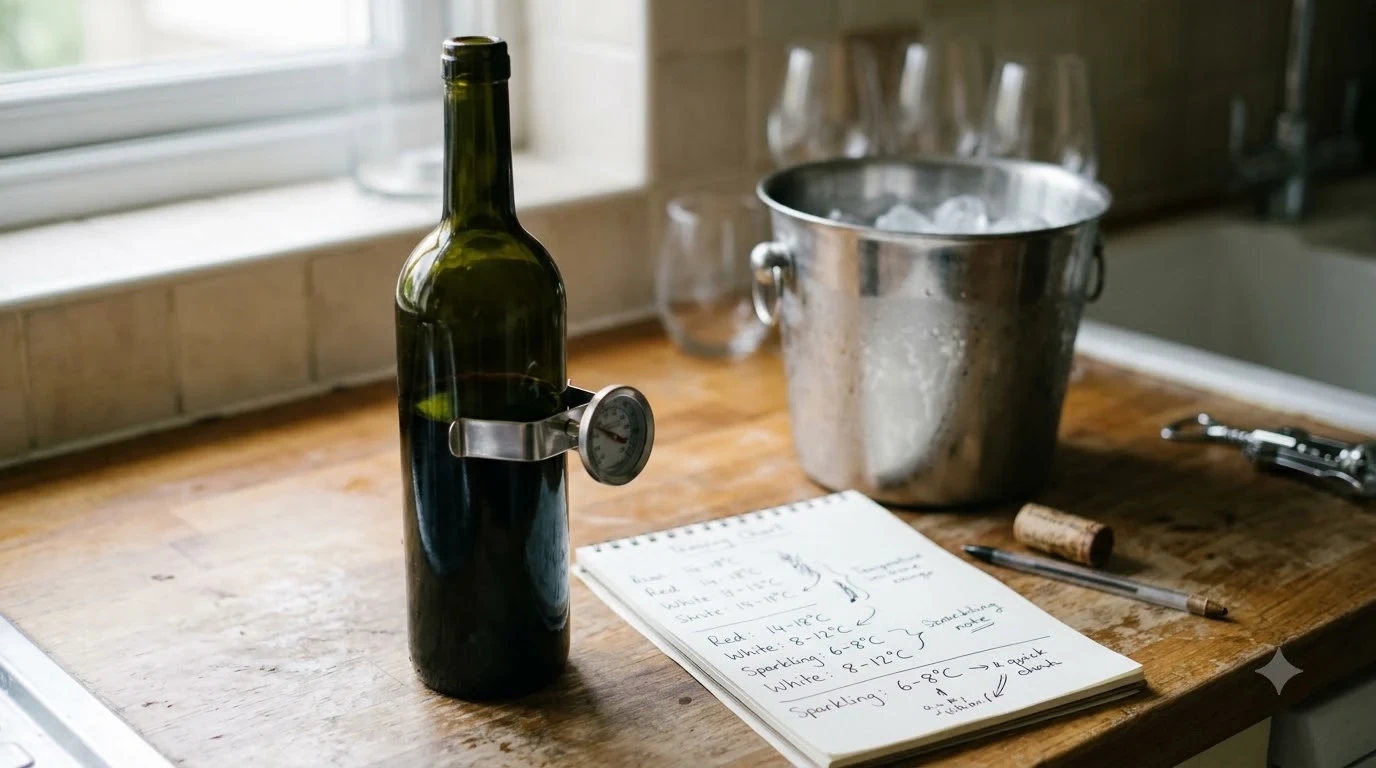
Tip: Chill the bottle for about an hour before serving. Cold temperatures keep the sweetness tasting clean rather than syrupy.
How to Choose a Riunite Bottle
Start with what you want from the glass. If you want something sparkling and red, pick the Lambrusco. If you want a light, fruit-forward white for warm weather, the peach moscato is a natural choice. If you are hosting and want something to pour from a pitcher, one of the sangria-style wines is usually the simplest option.
Read the label for the style name and alcohol level, since flavored and zero-alcohol versions can taste quite different from the classic Lambrusco. When in doubt, buy one bottle of each style you are curious about rather than a full case of a single flavor. Our wine brands guide is a useful place to compare other popular labels before you decide.
Price is another useful guide, though it should not be the only one. Compare bottles of the same style side by side, and consider how many glasses you expect to pour. A larger pack of a single flavor often makes more sense for a party, while a mixed selection suits a family that wants variety.
Finally, think about who will drink it. A sweeter wine may please guests who are new to wine, while a drier pick may suit a dinner table with more experienced drinkers. Matching the wine to the people, not just the price, usually leads to a better result.
Frequently Asked Questions
Is Riunite wine sweet?
Most of the brand’s best-known styles are sweet or lightly sweet, especially the Lambrusco and the fruit-flavored options. The range is generally aimed at people who enjoy a fruitier, softer taste rather than a dry, structured wine.
Is Riunite sparkling?
The Lambrusco is lightly sparkling, with gentle bubbles rather than the intense fizz of Champagne. Other Riunite styles are still wines, so check the label to see which kind you are buying.
Where is Riunite made?
Riunite is made by a cooperative in Italy’s Emilia-Romagna region, the traditional home of Lambrusco. The brand is imported into the United States by Frederick Wildman and Sons of New York.
What should I serve Riunite with?
Lambrusco is a good match for pizza, cured meats, and fried foods. The sweeter fruit styles pair well with spicy dishes, barbecue, and fresh fruit desserts.

If you like the style of Riunite, explore our guide to Riunite Lambrusco for a closer look at the flagship bottle. A well-chilled wine matched to the right food is usually all it takes to enjoy this style.
More in Wine Brands
 Underwood Wine Price: Compare Bottles, Cans, and Pack SizesUpdated Nov 21, 2026
 Zenato Wine Price: Compare Styles and Choose the Right BottleUpdated Nov 21, 2026
 Zuccardi Wine Price: Compare Bottles and Find the Right RangeUpdated Nov 21, 2026
 Yellow Tail Moscato Review: Taste, Sweetness and Serving TipsUpdated Nov 21, 2026
 Wolf Blass Yellow Label Review: Choose Your Best StyleUpdated Nov 21, 2026
 Wolffer Estate Rose Review: Choose the Right Bottle for Your TableUpdated Nov 21, 2026