


We may earn a commission when you buy through links on this page, at no extra cost to you. Learn more.
Riunite Lambrusco is a semi-sweet, lightly sparkling red from the Italian Lambrusco grape, made by the Riunite cooperative in Emilia-Romagna and sold in the United States since the 1960s. The style was shaped for American tastes, which is why it tastes softer and fruitier than the dry Lambrusco found in Italy. It is a light, easy-drinking wine meant to be served cool with casual food.
Riunite is one of the most recognized Italian wine brands in the United States, and many people who search for “Riunite Lambrusco” are trying to understand what the bottle tastes like, how it differs from other Lambrusco, and how to serve it. This guide covers the brand’s history, the style of the wine, how to serve it and what to pair with it.
The Story Behind Riunite
Riunite began in 1950, when nine wine producers from Emilia-Romagna formed a cooperative to share ideas and know-how and improve their wines and incomes. Lambrusco was the cooperative’s main grape, and the region’s wines were already popular locally. Over time the cooperative became a large producer, and Riunite grew into a brand that could be found in grocery stores across the country.
The brand’s American success began in 1967 with an amabile, or semi-sweet, style suited to the tastes of American drinkers. In 1973 Riunite was the top-selling wine import in the United States, helped by advertising that made the brand a household name. The slogan “Riunite on ice, that’s nice” became one of the best-known lines in American wine advertising. Sales peaked in 1985 at 11.5 million cases, a level the brand’s history says still stood as a record in 2012. Sales later fell to a low of 1.77 million cases in 2001, and the bottle and label were redesigned in 2006 as the brand worked to rebuild its appeal.
What Lambrusco Is and Why Riunite Tastes Different
Lambrusco is not one grape but a family of eight closely related varieties native to Italy. They produce wines that range from delicately colored rosés to deeply colored reds, and the wines are typically fizzy and low in alcohol. The best-known Lambrusco wines are dry and savory, with a light body and a refreshing acidity that suits food.
Riunite leans in a different direction. Its American style is semi-sweet, with the sugar balancing the wine’s acidity and making it easy to drink on its own. That is why people who expect a dry Italian sparkling wine can be surprised by the first sip. The difference is a matter of style rather than quality. If you want to explore the drier end of the category, the Wine Folly Lambrusco guide describes the classic dry style and its typical flavors.
What Riunite Lambrusco Tastes Like
Riunite Lambrusco is light and fruity, with sweet red berry flavors, a soft fizz and a refreshing finish. The sweetness is noticeable on the palate but usually balanced by enough acidity to keep the wine from feeling heavy. It is a wine that works well in a relaxed setting and does not demand much attention.
In general, Lambrusco shows strawberry, blackberry, rhubarb and hibiscus notes, with a light to medium body and moderate acidity, according to the Wine Folly guide. Riunite is softer and sweeter than the dry style, so it leans toward the red fruit side of that profile. The table below sums up the main traits.
| Feature | What to expect |
|---|---|
| Style | Semi-sweet, lightly sparkling red |
| Main flavors | Sweet red berry, strawberry and cherry-like fruit |
| Body | Light |
| Acidity | Moderate, balancing the sweetness |
| Alcohol | Low, in the range typical of Lambrusco |
How to Serve Riunite Lambrusco
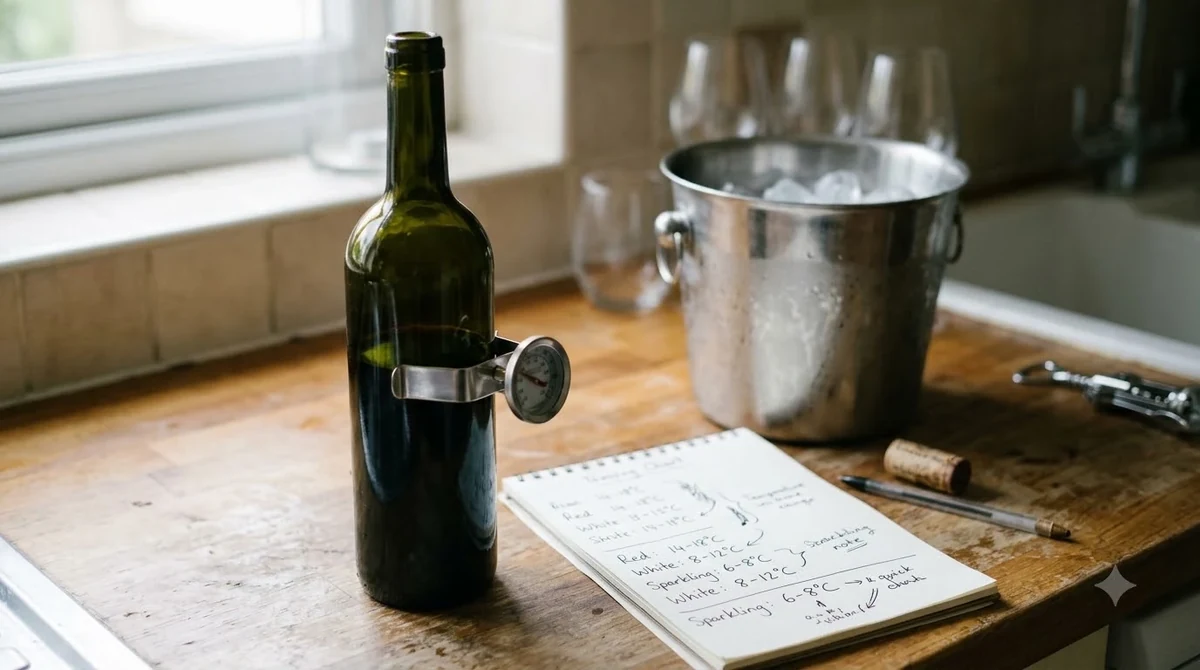
Serve Riunite cold, which is how it is most often enjoyed. A temperature of about 45 to 55 degrees Fahrenheit keeps the fizz lively and the fruit crisp. Chill the bottle in the refrigerator for a few hours before serving, or set it in an ice bucket at a picnic or party.

Decanting is not needed. A simple wine glass or a universal glass works well, and there is no need for a special glass to enjoy it. Once opened, a bottle should be kept cold and used within a day or two, because the bubbles fade over time.
Food Pairings for Riunite Lambrusco
Riunite is a relaxed wine for casual food. It works well with pizza, burgers and barbecue, because the sweetness and fizz complement salty, fatty and smoky flavors. Fried chicken and spicy dishes are also good matches, since the sweetness softens the heat.
For a more traditional Italian meal, try cured meats such as prosciutto and a hard cheese such as Parmigiano-Reggiano. The wine’s bright fizz and fruit cut through the richness of these foods. Desserts with berries or a light vanilla flavor can also make a pleasant pairing, especially for guests who prefer a sweeter wine.
How Riunite Has Changed Over Time
The Riunite brand has gone through several phases. In 2012 the company introduced Riunite Sweet Red and Riunite Sweet White, reflecting demand for sweeter wines, and the brand ran a campaign aimed at younger women under the line “Just Chill.” In 2015 Riunite redesigned its label, launched new advertising and a website, and won gold medals at the San Diego International Wine Competition and the Winemaker Challenge.
The brand’s relationship with its American importer has also changed. After more than 50 years, Banfi Vintners and Riunite agreed to part ways in 2019, which marked another shift in how the brand is marketed and distributed. For the broader history of Italian wines in the American market, the wine brands guide covers how other producers have approached the same market.
Riunite Lambrusco Compared With Other Italian Wines
Riunite is often compared with other Italian sparkling and light red wines. Prosecco is usually drier and more delicate, with a crisp, apple-and-pear profile. Riunite is sweeter and more red-fruited. Compared with a mass-market sparkling wine such as La Marca Prosecco, Riunite offers a softer, more playful flavor, and it appeals to people who like a sweeter glass.
Lambrusco also differs from heavier Italian reds such as Chianti, which have firmer tannins and a more serious structure. If you want a lighter, more fizzy red, Riunite is in a different category. The choice depends on whether you want a crisp dry glass or a sweeter, fruitier one for a casual evening.
Who Riunite Lambrusco Suits
Riunite is a good choice for people who want an easy, sweet, lightly sparkling red for a casual meal, a backyard gathering or a holiday table with mixed guests. It is also a practical bottle for people who are new to wine and want something approachable. Anyone who prefers dry wines may find it too sweet, and in that case a drier Lambrusco or a dry Prosecco may be a better fit.
The wine is best enjoyed young and cold, without much expectation of aging. Buy it for the occasion and serve it chilled.
Frequently Asked Questions
Is Riunite Lambrusco sweet?
Yes. The Riunite style was built as a semi-sweet wine for American tastes, so it is noticeably sweeter than dry Italian Lambrusco.
Is Riunite Lambrusco sparkling?
Yes, it is lightly sparkling. The fizz is soft and adds to the fresh, easy-drinking character of the wine.
How should you serve Riunite Lambrusco?
Serve it cold, around 45 to 55 degrees Fahrenheit, in a regular wine glass. It does not need decanting, and an opened bottle should be finished within a day or two.
What food goes with Riunite Lambrusco?
Pizza, burgers, barbecue and fried chicken are all good matches. Cured meats and hard cheeses also work well, especially for an Italian-style spread.
Riunite Lambrusco is a simple, friendly wine with a long history in American homes. If you enjoy a sweeter, fizzy red served cold, it is a good bottle to keep on hand for casual meals. For a drier alternative, compare it with other Italian options in the wine brands guide.
More in Wine Brands
 Underwood Wine Price: Compare Bottles, Cans, and Pack SizesUpdated Nov 21, 2026
 Zenato Wine Price: Compare Styles and Choose the Right BottleUpdated Nov 21, 2026
 Zuccardi Wine Price: Compare Bottles and Find the Right RangeUpdated Nov 21, 2026
 Yellow Tail Moscato Review: Taste, Sweetness and Serving TipsUpdated Nov 21, 2026
 Wolf Blass Yellow Label Review: Choose Your Best StyleUpdated Nov 21, 2026
 Wolffer Estate Rose Review: Choose the Right Bottle for Your TableUpdated Nov 21, 2026