

We may earn a commission when you buy through links on this page, at no extra cost to you. Learn more.
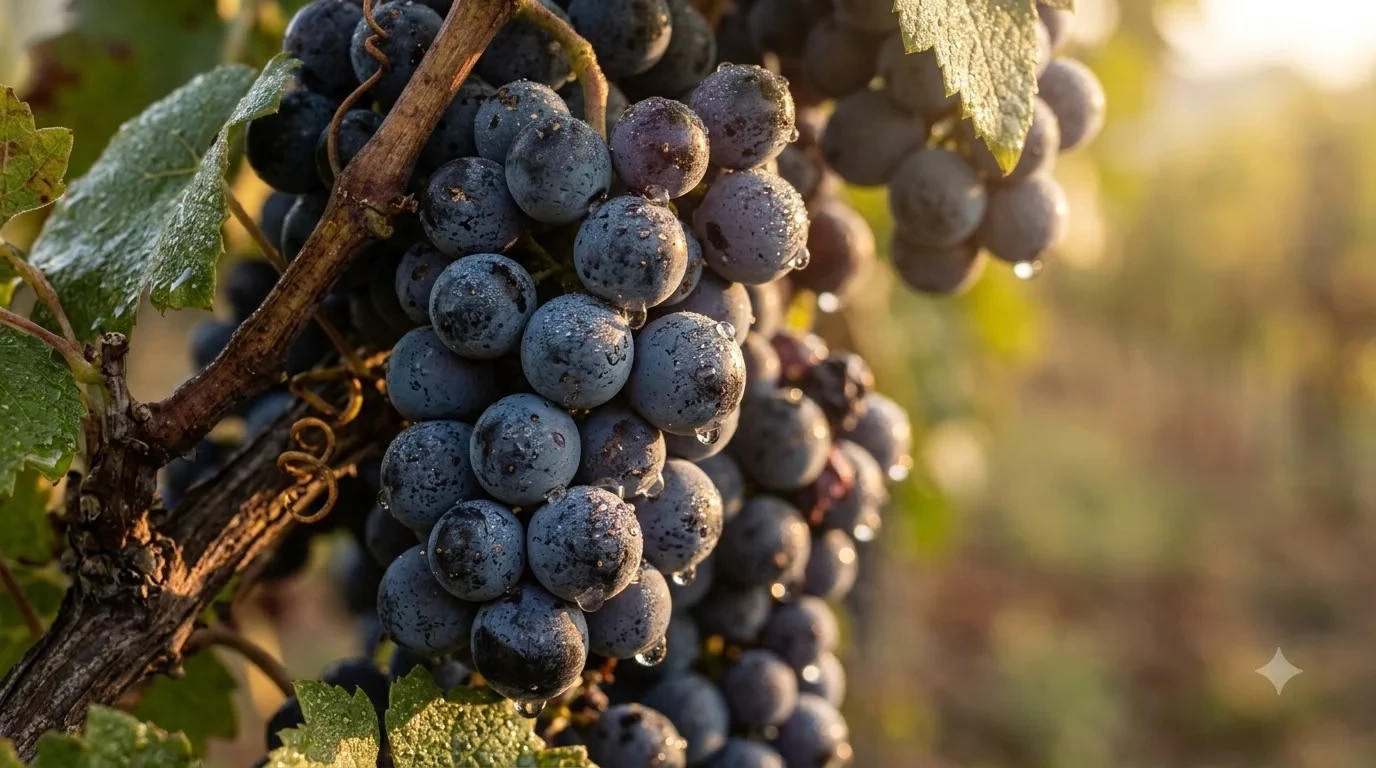
The kadarka grape is a thin-skinned, late-ripening red wine variety native to the Balkan-Pannonian region that produces pale, light- to medium-bodied wines defined by bright red fruit and warm spice. Grown primarily in Hungary—alongside plantings in Romania, Bulgaria, Serbia, and Slovakia—it is prized for its lively acidity, low tannins, and signature notes of raspberry, sour cherry, clove, and paprika. Winemakers bottle it both as an aromatic, Pinot Noir-like single-varietal red and as a traditional blending partner in Hungary’s famous Egri Bikavér (“Bull’s Blood”) wines.
Long overlooked outside Central and Eastern Europe, this historic cultivar has earned renewed attention from sommeliers and adventurous drinkers looking for lighter, food-friendly reds. Understanding how the vine behaves in the vineyard and cellar makes it much easier to pick a standout bottle and serve it at its best.
What It Is
Kadarka is an ancient black-berried Vitis vinifera variety whose exact birthplace lies somewhere in the Balkan-Pannonian basin, though its precise parentage remains unconfirmed. Ampelographers and wine historians frequently note that Serbian refugees fleeing the Ottoman Empire introduced the vine into Hungary during the 16th century, where it thrived for generations before international grapes reshaped Eastern European vineyards.
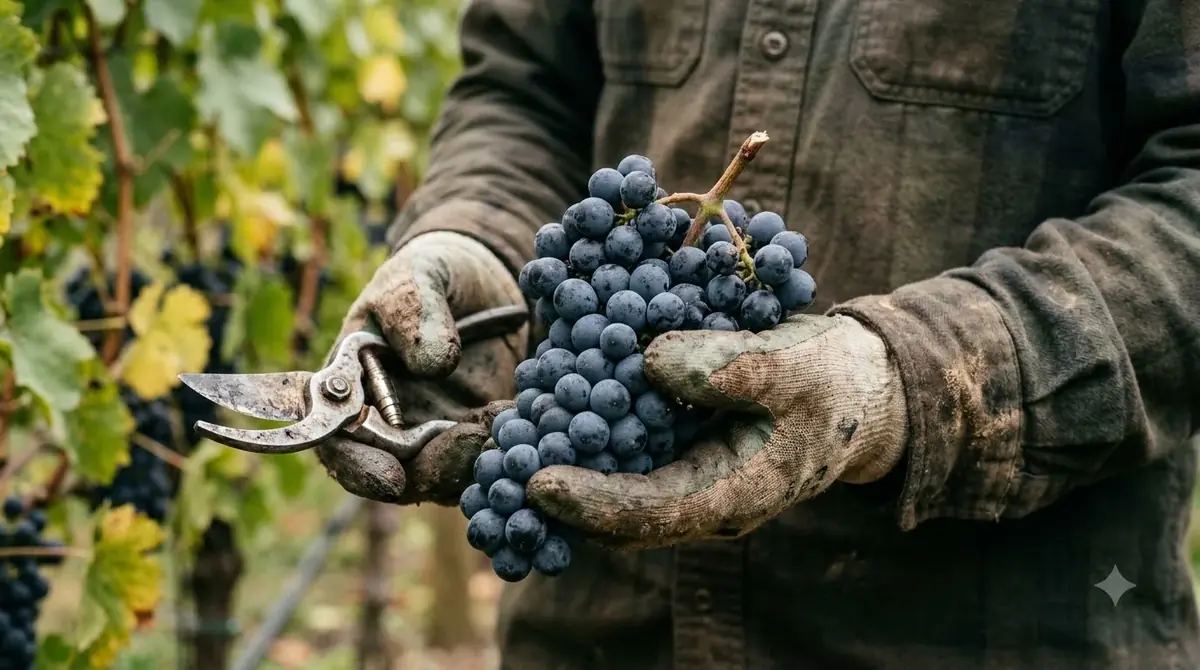
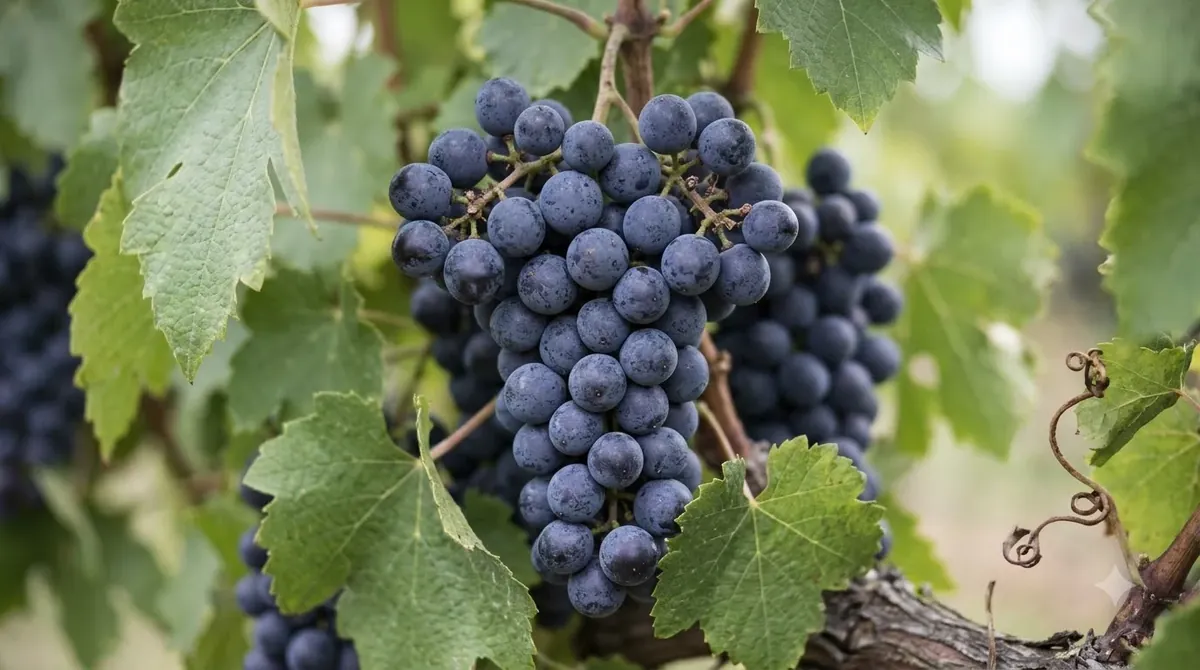
According to Wine Folly’s Hungary wine guide, Kadarka was once the dominant red grape across Hungary until demanding vineyard requirements pushed growers toward sturdier alternatives. The vine buds and ripens late, produces compact clusters of medium-sized, thin-skinned berries, and ripens unevenly across the bunch. Because those thin skins leave the fruit vulnerable to winter frost and gray rot in damp autumns, growers must prune the vines short and limit yields carefully to achieve concentrated flavor.
Despite its finicky reputation, Kadarka carries an extensive family tree and a long list of regional aliases. Across neighboring borders, the exact same grape appears on labels as Gamza in Bulgaria, Cadarcă or Cadarcă Neagră in Romania, and Skadarka in Serbia and Croatia. Hungarian breeders also used Kadarka to create several modern crossings, including Bíbor Kadarka, Rubintos, and Probus, designed to capture its aromatics with thicker skins and earlier ripening.
Flavor and Styles
In the glass, varietal Kadarka pours a translucent ruby or pale garnet hue that looks closer to cool-climate Pinot Noir or Gamay than to a heavy Cabernet. Its bouquet leans heavily toward crunchy red berries—think wild strawberry, raspberry, cranberry, and tart cherry—layered with floral hints of rose petal and distinct culinary spices such as white pepper, ginger, clove, and sweet paprika.
On the palate, the grape’s defining structural traits are crisp, mouthwatering acidity and notably low, silky tannins. Most dry single-varietal bottlings clock in around 11.5% to 12.5% alcohol by volume, giving them an effortless, refreshing lift rather than weighty warmth. Depending on how a vintner handles fermentation and aging, the grape spans several distinct expressions across the broader spectrum of wine by type:
- Fresh, Unoaked Varietal Red (Siller or Light Red): Fermented in stainless steel at cool temperatures and bottled early, this style emphasizes snappy cranberry, red currant, and floral aromatics with almost zero tannic grip.
- Old-Vine, Barrel-Aged Kadarka: Harvested from low-yielding bush vines—some more than a century old—and matured partially in large neutral oak casks, these bottles develop deeper sour cherry fruit, dried herbs, leather, and earthy complexity.
- Traditional Bikavér Blends: In Eger and Szekszárd, Kadarka serves as a traditional aromatic component alongside Kékfrankos and other local or Bordeaux varieties, contributing perfume, spice, and acidity to fuller-bodied red blends.
- White and Rosé Interpretations: Because its juice is pale and its skins release pigment gently, a handful of Hungarian cellars press Kadarka immediately to make crisp white “blanc de noirs” bottlings or pale, savory rosés.
| Style | Typical ABV | Aging Vessel | Core Tasting Notes | Body & Tannin |
|---|---|---|---|---|
| Young / Fresh Kadarka | 11.5%–12.5% | Stainless steel | Cranberry, raspberry, rose petal, white pepper | Light body, very low tannin |
| Old-Vine Reserve Kadarka | 12.0%–13.0% | Large neutral oak (500L+) | Sour cherry, clove, paprika, forest floor, leather | Light-medium body, silky tannin |
| Bikavér Blend (with Kékfrankos) | 12.5%–13.5% | Oak barrels | Dark plum, red currant, black pepper, baking spice | Medium-full body, moderate tannin |
| White / Rosé Kadarka | 11.5%–12.0% | Stainless steel | Red currant, citrus zest, ginger, wet stone | Light body, zero tannin |
Where It Grows
Hungary remains the spiritual and commercial home of the kadarka grape, accounting for roughly two-thirds of global plantings according to Wine-Searcher’s grape profile. Within Hungary, the warm, loess-rich hills of Szekszárd in the south and the cooler, volcanic slopes of Eger in the north produce the country’s most celebrated examples, with additional pockets thriving on the sandy plains of Hajós-Baja and Kunság.
Loess—a windblown, mineral-rich silt soil—plays an especially important role in Szekszárd, where it retains just enough moisture during dry summers while encouraging fine aromatics and supple texture. Traditional bush-vine training (known locally as bakművelés) is still prized on older parcels because keeping the fruiting zone close to the ground moderates heat spikes and promotes more even ripening across stubborn clusters.
Outside Hungary, meaningful plantings persist across the former Ottoman and Habsburg wine corridors of Southeastern Europe. Romania accounts for roughly 12% of the world’s acreage—centered in the Miniș-Măderat hills near the Hungarian border, where the grape is bottled as Cadarcă—while Bulgaria holds around 11% under the name Gamza, particularly along the Danubian Plain. Smaller, historically significant vineyards also survive in Serbia’s Fruška Gora and Subotica-Horgoš sands, as well as in southern Slovakia.
How to Serve
Serving Kadarka slightly cooler than a standard full-bodied red brings its brisk acidity and floral spice into sharp focus. Aim for a cellar-cool temperature between 54°F and 60°F (12°C to 15°C) for light, unoaked bottlings, and 60°F to 64°F (16°C to 18°C) for richer, barrel-matured reserve styles.
A standard tulip-shaped Burgundy or Pinot Noir glass works wonderfully, as the wide bowl captures delicate rose, ginger, and berry aromatics while directing the wine toward the center of the palate. Young, fresh styles need no decanting—simply uncork, give the glass a gentle swirl, and pour. If you open an older, single-vineyard bottling from old vines, 20 to 30 minutes in a carafe allows earthy and leathery secondary notes to unfurl cleanly.
Tip: Put a bottle of young, stainless-steel Kadarka in the refrigerator for 25 to 30 minutes before dinner; a light chill sharpens its crunchy cranberry fruit and tames any volatile spice.
Food Pairing
High natural acidity, low astringency, and built-in peppery spice make Kadarka one of the most versatile dinner-table reds in Central Europe. Unlike tannic reds that clash with heat or turn metallic next to sweet-savory sauces, Kadarka glides effortlessly alongside dishes seasoned with smoked or sweet paprika, garlic, and roasted peppers.
Traditional Hungarian comfort dishes are natural partners, including pork pörkölt (slow-simmered stew), chicken paprikás finished with sour cream, and rich Danube fish soup flavored with mild red pepper. Beyond regional classics, its bright fruit and gentle grip pair smoothly with duck confit, herb-roasted turkey, pork tenderloin with cherry glaze, and grilled salmon or tuna.
Vegetarian plates also shine next to a lightly chilled glass. Try pairing Kadarka with ratatouille, roasted beet and goat cheese salads, mushroom risotto, or charred eggplant topped with tahini and pomegranate seeds, where the wine’s tart berry core echoes the dish’s brightness.
How to Choose a Bottle
Because Kadarka demands careful vineyard work, producer selection matters more than vintage prestige when shopping for a bottle. Look for estates in Szekszárd, Eger, or Miniș that explicitly mention low yields, hand harvesting, or old bush vines (often labeled öregtőkés in Hungarian) on the back label, as high-yielding industrial bottlings can taste thin or overly tart.
Checking the alcohol percentage on the front label offers a quick clue to the wine’s personality. Bottles listed at 11.5% to 12% ABV almost always reflect an early-picked, crunchy, chillable style meant for immediate enjoyment within two to three years of harvest, whereas bottlings around 12.5% to 13% ABV signal riper fruit and partial oak aging capable of cellaring for five to eight years.
If you already enjoy lighter, aromatic reds such as dornfelder grape wines for their deep fruit without harsh tannins, or appreciate delicate, fragrant varieties like the brachetto grape on the sweeter end of the spectrum (or even crisp, high-acid whites like the airen grape for warm-weather refreshment), start with a classic Szekszárd Kadarka before exploring old-vine single-parcel bottlings.
Frequently Asked Questions
Is Kadarka a sweet or dry red wine?
Modern Kadarka is almost exclusively made as a crisp, bone-dry red wine. While historical winemakers occasionally produced sweet styles from late-harvested or raisined berries, today’s bottlings rely on vibrant red-berry fruit and sweet baking spices rather than residual sugar for their charm.
How does Kadarka compare to Pinot Noir?
Reviewers frequently compare Kadarka to Pinot Noir because both are thin-skinned varieties that yield pale ruby wines with high acidity, silky tannins, and red-cherry aromatics. Kadarka sets itself apart with a distinctly spicier profile—often showing notes of paprika, ginger, and clove—and generally carries a slightly lighter body.
What is the difference between Kadarka and Kékfrankos?
Although both grapes are cornerstone red varieties in Hungary and frequently blended together in Egri Bikavér and Szekszárdi Bikavér, they are distinct cultivars. Kékfrankos (also known as Blaufränkisch) has thicker skins, darker color, firmer tannins, and blackberry-driven fruit, whereas Kadarka is paler, lighter-bodied, softer in tannin, and more overtly spicy.
Can Kadarka age in the cellar?
Fresh, unoaked Kadarka is best enjoyed young within two to four years of the vintage while its bright raspberry and floral notes are at their peak. However, structured examples made from low-yielding old bush vines and aged in neutral oak can evolve gracefully for five to eight years, developing savory notes of dried cherry, leather, and forest floor.
Whether poured lightly chilled alongside weeknight roast chicken or uncorked next to a simmering pot of paprika stew, the kadarka grape rewards drinkers who value fragrance, brightness, and nuance over sheer power. Exploring bottlings from Szekszárd, Eger, or neighboring Romanian and Bulgarian appellations offers an approachable window into Central Europe’s oldest winemaking traditions.
More in Wine Types & Grapes
 What Does Ruby Port Taste Like? Flavor Notes, Styles, and Serving TipsUpdated Nov 21, 2026
 What Does Ribolla Gialla Taste Like? Crisp White and Amber Styles ExplainedUpdated Nov 21, 2026
 What Does Semillon Taste Like? Flavor Profile, Styles & PairingsUpdated Nov 21, 2026
 What Does Scuppernong Taste Like? Flavor, Styles, and Pairing GuideUpdated Nov 21, 2026
 What Does Saperavi Taste Like? Flavors, Styles, and Pairing GuideUpdated Nov 21, 2026
 What Does Natural Wine Taste Like? Flavors, Styles, and Serving TipsUpdated Nov 21, 2026