

We may earn a commission when you buy through links on this page, at no extra cost to you. Learn more.
Chateauneuf du pape alcohol content typically ranges from 13.5% to 15.5% ABV, with approximately 14% to 14.5% being common for many bottles. This Southern Rhône appellation has a legal minimum natural alcohol requirement of 12.5% ABV, while warm growing conditions and ripe Grenache grapes often produce considerably stronger wines. Both red and white versions can have substantial alcohol, although the precise percentage depends on the producer, grape blend, vintage, and winemaking decisions.
Châteauneuf-du-Pape is one of France’s best-known full-bodied wines, recognized for ripe fruit, savory herbs, layered aromas, and a generous texture. Its alcohol level is an important part of that character, affecting the wine’s weight, warmth, food compatibility, and serving temperature. Understanding the difference between the legal minimum and the typical alcohol percentage makes it easier to choose a bottle that suits your preferences.
Typical Alcohol Percentage in Châteauneuf-du-Pape
Most Châteauneuf-du-Pape wines fall between 13.5% and 15.5% ABV, although individual bottles can fall outside this range. A practical expectation is approximately 14% to 14.5% ABV, particularly for traditional red blends dominated by Grenache.
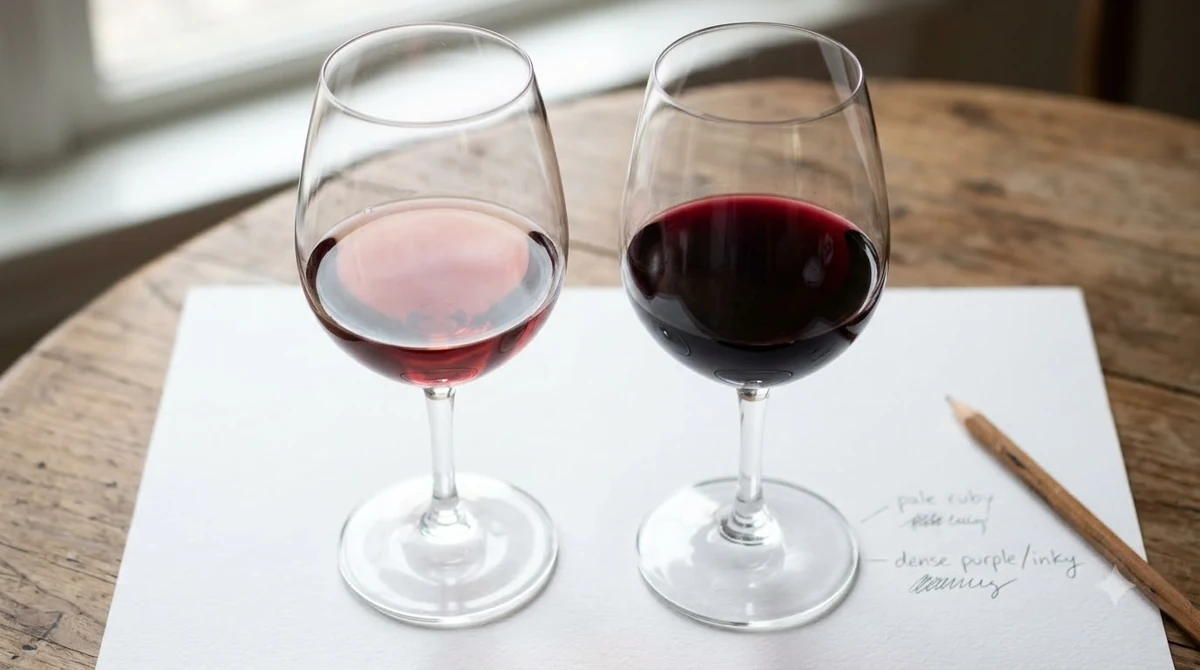
ABV means alcohol by volume. It describes the percentage of a wine’s total volume that consists of pure alcohol. A wine marked 14.5% ABV contains approximately 14.5 milliliters of alcohol in every 100 milliliters of wine. This measurement helps compare bottles regardless of their grape varieties, color, or producer.
The appellation’s legal minimum is 12.5% natural alcohol. This is a regulatory threshold rather than a prediction of what every bottle will contain. Producers commonly harvest sufficiently ripe grapes to create wines with higher potential alcohol, particularly in warm vintages when Grenache reaches substantial sugar concentrations.
Actual figures vary among producers. For example, André Brunel’s Les Cailloux 2022 red reports 14.5% ABV, while its blend contains 70% Grenache, 20% Mourvèdre, and 10% Syrah. A technical sheet for a Famille Gonnet red also reports 14.5% ABV, although its blend uses 80% Grenache and 20% Syrah. These examples illustrate how a similar alcohol percentage can come from different blending decisions.
Not every bottle reaches 15% or more, and a higher number does not automatically indicate better quality. Balance matters more than strength alone. Acidity, tannin, fruit concentration, alcohol, and the wine’s overall structure should work together.
Tip: Look for bottles around 14% ABV if you want a representative starting point. Choose a 14.5% or 15% example if you enjoy particularly generous, warm, full-bodied Rhône wines.
Why the Southern Rhône Produces High-Alcohol Wines
The Southern Rhône’s warm Mediterranean climate encourages grapes to ripen fully, accumulate sugar, and develop concentrated fruit flavors. Châteauneuf-du-Pape also benefits from long sunny growing periods and the regional mistral wind, creating conditions that support the production of naturally powerful wines.
Grape sugar is the central factor behind alcohol production. During fermentation, yeast converts fermentable sugars into alcohol and carbon dioxide. The more sugar available in ripe grape juice, the greater the potential alcohol, assuming fermentation proceeds normally and finishes without substantial residual sugar.
Châteauneuf-du-Pape lies in southeastern France, near Avignon, in the Southern Rhône Valley. The appellation extends across five communes: Châteauneuf-du-Pape, Bédarrides, Courthézon, Orange, and Sorgues. According to the appellation’s official organization, its vineyards cover approximately 3,200 hectares and benefit from diverse terroirs.
The famous rounded stones, known as galets roulés, are among the area’s recognizable vineyard features. These stones absorb heat during sunny days and release some of it later, influencing the conditions around the vines. However, the appellation also includes limestone, clay, gravel, and sandy soils, so not every vineyard has the same characteristics.
The mistral is another important influence. This strong regional wind can help dry vineyards after rain and contribute to healthier growing conditions. Combined with abundant sunshine, it supports grape maturation, although individual vineyard exposure, elevation, water availability, and soil composition still influence the final result.
Warm conditions do not guarantee that every wine will have the same alcohol percentage. Growers make decisions about harvest timing, and producers make further choices during fermentation and blending. A producer seeking freshness may harvest earlier than one aiming for particularly concentrated, ripe fruit.
Wine Folly also describes the Southern Rhône as a hot region where long summer days encourage ripe fruit flavors and relatively high alcohol levels. Its explanation of the region’s climate and wine style provides useful additional context in its Châteauneuf-du-Pape wine overview.
How Grenache and Other Grapes Influence Alcohol Levels
Grenache is a major contributor to Châteauneuf-du-Pape’s naturally generous alcohol levels. It ripens well in the Southern Rhône’s warm conditions and can accumulate considerable sugar, while Syrah and Mourvèdre contribute color, structure, tannin, and additional aromatic complexity.
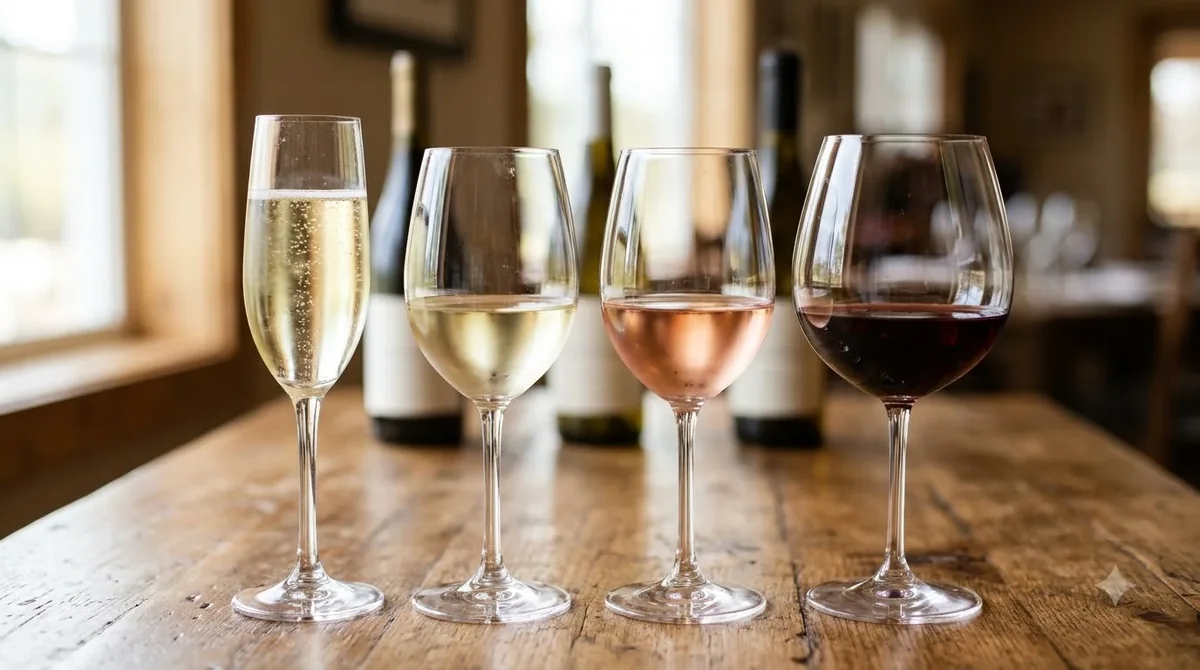
The appellation permits 13 principal grape varieties. Although traditional red wines are commonly associated with Grenache, Syrah, and Mourvèdre, producers can incorporate other authorized varieties to create their preferred blend. The proportions differ considerably between estates and individual cuvées.
Grenache
Grenache is frequently the dominant variety in red Châteauneuf-du-Pape. It contributes ripe strawberry, raspberry, cherry, and sometimes darker fruit characteristics. Its ability to ripen fully in a hot climate makes it particularly important in wines with alcohol levels around 14% to 15% ABV.
Grenache also contributes a relatively generous palate and can create an impression of warmth. Its tannins are generally less aggressive than those found in Cabernet Sauvignon, although the finished wine’s structure depends on the blend and winemaking method.
Syrah
Syrah contributes darker fruit, pepper, and savory characteristics. It can provide more color and firmer tannin to a Grenache-led blend. Its contribution is not limited to alcohol percentage: it also changes the wine’s aromatic profile and structure.
Mourvèdre
Mourvèdre adds darker fruit, earthy notes, and substantial tannic structure. It can help balance Grenache’s generous fruit character and provide a firmer framework. The finished alcohol percentage depends on the ripeness of the individual grapes and the proportions used.
White varieties
White Châteauneuf-du-Pape uses varieties such as Grenache Blanc, Clairette, Roussanne, Bourboulenc, Picpoul, and Picardan. These grapes create a different style, often with floral, citrus, stone-fruit, and herbal characteristics. Grenache Blanc can contribute body and richness, while Clairette and Bourboulenc can bring additional aromatic freshness.
White wines should not automatically be assumed to have lower alcohol than reds. A 2022 white Châteauneuf-du-Pape technical sheet from Domaine de la Janasse reports 14% ABV, demonstrating that white examples can also be relatively strong.
Red Versus White Châteauneuf-du-Pape Alcohol Content
Red Châteauneuf-du-Pape is generally the more familiar style and commonly contains approximately 13.5% to 15.5% ABV. White Châteauneuf-du-Pape can also reach 13% to 14.5% ABV or higher, depending on grape ripeness, blending, and production choices.
According to the appellation organization, approximately 93% of its production is red wine and 7% is white wine. This difference in production volume means that red bottles are much more common in shops and restaurant wine lists.
Red wines typically feature Grenache-led blends with Syrah and Mourvèdre. Their flavor profiles can include ripe cherry, raspberry, plum, black pepper, dried herbs, leather, and earthy notes. Alcohol warmth often accompanies concentrated fruit and a relatively broad palate.
White versions are generally less common but offer a different interpretation of the region. Depending on the blend, aromas can include white flowers, citrus, peach, pear, herbs, and mineral notes. Their texture can be rich and rounded, particularly when Grenache Blanc and Roussanne play significant roles.
Neither color has a fixed alcohol advantage. A carefully produced white wine at 14% ABV may feel just as substantial as a red at the same percentage, although tannin, acidity, body, and serving temperature change the overall impression.
| Wine style or example | Alcohol content | General character |
|---|---|---|
| Appellation legal minimum | 12.5% ABV | Minimum natural alcohol requirement |
| Typical red | 13.5–15.5% ABV | Full-bodied, ripe fruit, savory structure |
| Typical white | 13–14.5% ABV | Rich texture, floral and fruit aromas |
| Common reference point | 14% ABV | Generous, moderately powerful style |
| André Brunel Les Cailloux 2022 | 14.5% ABV | Grenache-led red blend |
| Famille Gonnet red example | 14.5% ABV | Grenache and Syrah blend |
| Domaine de la Janasse white example | 14% ABV | White Rhône blend |
These figures are reference points rather than guaranteed limits for every bottle. Producer information and individual technical specifications demonstrate the variation between wines. For a more detailed look at the differences between red and white styles, explore our chateauneuf du pape tasting notes.
How Alcohol Content Changes Taste and Body
Alcohol contributes warmth, texture, and perceived weight to Châteauneuf-du-Pape. At approximately 14% to 15% ABV, a wine can feel broad and generous, particularly when concentrated Grenache fruit and moderate acidity accompany the alcohol.
Alcohol is not the same as sweetness. Fermentation converts grape sugar into alcohol, and a dry wine can therefore have a high ABV without tasting sugary. Some wines retain small amounts of residual sugar, but ripe fruit aromas can also create an impression of sweetness even when the wine is technically dry.
In a typical red Châteauneuf-du-Pape, aromas of ripe cherry, raspberry, plum, blackcurrant, and Mediterranean herbs can accompany a warm, rounded palate. Depending on the producer, additional notes may include pepper, tobacco, leather, licorice, and earthy characteristics.
Tannin is another important part of the experience. Grenache generally contributes softer tannins, while Syrah and Mourvèdre can provide additional structure. This combination can make a wine feel powerful without necessarily becoming excessively drying or harsh.
Acidity helps balance richness. A wine with sufficient acidity can retain freshness even when it has relatively high alcohol. If alcohol warmth dominates the finish and fruit feels heavy, the overall balance may be less appealing, regardless of the wine’s reputation or appellation.
Serving temperature can change how these characteristics are perceived. Excessive warmth can make alcohol seem more prominent, while excessive chilling can suppress aromas and make tannins feel harder. Red Châteauneuf-du-Pape generally benefits from a temperature around 60–65°F.
For additional practical guidance, see our article about chateauneuf du pape serving temperature, which explains how to serve the wine while preserving its aromatic character.
Alcohol Content, Glass Sizes, and Food Pairing
A standard 750 ml bottle of Châteauneuf-du-Pape provides approximately five 5-ounce glasses. At 14.5% ABV, each 5-ounce serving contains approximately 0.725 fluid ounces of pure alcohol, making serving size an important consideration when comparing wines.
The following calculations show how alcohol percentage changes the amount of pure alcohol in a typical 5-ounce pour. They use the US fluid-ounce measurement and assume that the bottle’s stated ABV accurately represents its contents.
| Wine ABV | Pure alcohol per 5 oz glass | Pure alcohol per 750 ml bottle |
|---|---|---|
| 12.5% | 0.625 fl oz | 93.75 ml |
| 13.5% | 0.675 fl oz | 101.25 ml |
| 14% | 0.700 fl oz | 105 ml |
| 14.5% | 0.725 fl oz | 108.75 ml |
| 15% | 0.750 fl oz | 112.5 ml |
| 15.5% | 0.775 fl oz | 116.25 ml |
These measurements help explain why a high-alcohol wine can feel more substantial than a lighter red at the same serving size. A 14.5% wine contains more alcohol per glass than a 12.5% wine, even though both may be served in identical glasses.
Food pairings for high-alcohol reds
Rich red Châteauneuf-du-Pape works particularly well with foods that can stand up to ripe fruit, alcohol warmth, and savory complexity. Roast lamb, grilled beef, slow-cooked short ribs, venison, and herb-seasoned duck are strong choices.
Fat and salt can soften the perception of tannin, making dishes such as roasted lamb with potatoes or a seasoned beef stew particularly suitable. Aged hard cheeses also provide a satisfying match for the wine’s fruit and savory character.
Mediterranean herbs are another natural connection. Rosemary, thyme, garlic, and black olives complement the herbal notes often found in Southern Rhône wines. A roast leg of lamb with rosemary and garlic is a particularly appropriate pairing.
Pairing white Châteauneuf-du-Pape
White examples can accompany roasted chicken, grilled seafood, creamy vegetable dishes, and richer fish preparations. Their texture and alcohol level make them suitable for dishes with more weight than those typically paired with delicate, high-acid whites.
Acidity remains important when choosing food. Acidic dishes need wine with equal or higher acidity to maintain balance. Very spicy dishes can also make alcohol and tannin feel more pronounced, so strongly alcoholic Châteauneuf-du-Pape is generally less suitable for chili-heavy meals.
For readers comparing regional alternatives, our guide to cotes du rhone alcohol content explains how broader Southern Rhône wines can differ in strength and style from this prestigious appellation.
How to Choose, Serve, and Store High-Alcohol Bottles
Choosing Châteauneuf-du-Pape is easier when you consider alcohol percentage alongside grape composition, producer style, and intended drinking occasion. A bottle around 14% ABV can provide generous fruit and body, while one at 15% or above may suit drinkers who prefer a particularly concentrated and powerful red.
Start by identifying whether you want red or white wine. Red blends dominated by Grenache generally offer ripe red and dark fruit, savory herbs, and a broad palate. White blends offer floral and stone-fruit characteristics, often with a rich texture and considerable weight.
Next, consider the producer’s technical information. A bottle’s ABV is a useful starting point, but it does not tell the entire story. Two wines at 14.5% can taste quite different because of differences in acidity, tannin, grape composition, extraction, and maturation.
Vintage conditions also matter. A hot, sunny growing season can encourage faster ripening and greater sugar accumulation. Cooler conditions or earlier harvesting may produce a different balance between freshness and alcohol, although vineyard location and producer decisions remain important.
Serving temperature
Serve full-bodied red Châteauneuf-du-Pape at approximately 60–65°F. This temperature range allows its aromas to develop while helping prevent excessive alcohol warmth. White examples generally benefit from a cooler temperature of approximately 50–55°F when they are full-bodied.
Avoid serving a powerful red directly from a warm room if the temperature is significantly above the recommended range. A short period of chilling can bring the wine closer to its ideal serving temperature. Allowing the wine to warm slightly in the glass can then reveal additional aromatic complexity.
Decanting and storage
Young, full-bodied red Châteauneuf-du-Pape may benefit from 30–60 minutes of decanting. This gives the wine time to interact with oxygen and can help reveal its fruit, spice, and savory aromas. Older bottles may require more careful handling because extended exposure to oxygen can diminish delicate characteristics.
Store unopened bottles on their sides in a cool, dark place near 55°F. Consistent temperatures are preferable to repeated fluctuations, and bottles should be kept away from direct sunlight and unnecessary vibration.
Once opened, reseal the bottle and keep it in the refrigerator. Most still wines retain their best qualities for approximately 3–5 days under suitable storage conditions. Before serving again, allow red wine to approach its recommended temperature rather than pouring it directly from the refrigerator.
For broader information about grape varieties, wine styles, and regional classifications, visit our Wine by Type resource.
Frequently Asked Questions
Is Châteauneuf-du-Pape stronger than ordinary table wine?
Many Châteauneuf-du-Pape wines have more alcohol than lighter table wines, particularly bottles around 14.5% ABV. However, alcohol percentages vary across wine categories, and some everyday reds can reach similar levels. The difference is most noticeable when comparing a powerful Southern Rhône red with a lighter wine around 12% ABV.
Does Châteauneuf-du-Pape contain added alcohol?
Traditional Châteauneuf-du-Pape gets its alcohol primarily through the natural fermentation of grape sugars. Its appellation rules establish a minimum natural alcohol requirement rather than requiring producers to reach a particular percentage through the addition of spirits. This distinguishes ordinary table wine production from fortified wine styles such as Port.
Can Châteauneuf-du-Pape age after bottling?
Yes. Many quality red examples can develop additional complexity over several years, with some exceptional bottles capable of aging for considerably longer. André Brunel recommends that its Les Cailloux 2022 red can reach its peak at around 10 years. Aging potential depends on the producer, vintage, storage conditions, and individual wine structure.
Is Châteauneuf-du-Pape always a Grenache blend?
No. Grenache is an important regional grape, but the appellation allows 13 principal varieties. Producers can use different proportions of authorized grapes, and some wines emphasize Syrah or Mourvèdre more strongly. The final blend reflects the producer’s preferred style and the characteristics of the vineyard parcels.
Why can two bottles from the same vintage have different ABV?
Different vineyard locations can experience different sunlight exposure, soil conditions, and water availability. Producers may also harvest at different stages of ripeness and use different grape proportions. Consequently, two wines from the same appellation and vintage can have noticeably different alcohol percentages even when both meet the appellation’s production requirements.
Châteauneuf-du-Pape is generally a relatively high-alcohol wine, with approximately 14% to 14.5% ABV providing a useful starting expectation and 12.5% serving as the legal minimum natural alcohol requirement. Understanding the relationship between Grenache, regional climate, grape ripeness, and serving temperature makes it easier to appreciate the different styles available. Whether choosing a powerful red blend or a richly textured white, the best bottle is one in which alcohol, fruit, acidity, and structure work together.
More in Wine Types & Grapes
 What Does Ruby Port Taste Like? Flavor Notes, Styles, and Serving TipsUpdated Nov 21, 2026
 What Does Ribolla Gialla Taste Like? Crisp White and Amber Styles ExplainedUpdated Nov 21, 2026
 What Does Semillon Taste Like? Flavor Profile, Styles & PairingsUpdated Nov 21, 2026
 What Does Scuppernong Taste Like? Flavor, Styles, and Pairing GuideUpdated Nov 21, 2026
 What Does Saperavi Taste Like? Flavors, Styles, and Pairing GuideUpdated Nov 21, 2026
 What Does Natural Wine Taste Like? Flavors, Styles, and Serving TipsUpdated Nov 21, 2026