


We may earn a commission when you buy through links on this page, at no extra cost to you. Learn more.
Chateauneuf du pape tasting notes typically describe rich, full-bodied wines with ripe red and dark fruit, Mediterranean herbs, black pepper, licorice, and a firm but rounded structure. Red versions are usually Grenache-led blends, with Syrah and Mourvèdre contributing additional color, spice, and tannin. White Châteauneuf-du-Pape offers a different experience, emphasizing flowers, citrus, orchard fruit, stone fruit, and a generous, textured palate.
Produced in France’s southern Rhône Valley, Châteauneuf-du-Pape is one of the region’s most recognizable appellations. Its wines combine Mediterranean ripeness with varied vineyard soils and blending traditions, creating considerable differences between producers and individual bottles. Understanding the grapes, aromas, texture, and finish makes it easier to recognize the style, compare vintages, and choose an appropriate food pairing.
Red Châteauneuf-du-Pape: The Core Flavor Profile
Red Châteauneuf-du-Pape is generally powerful, generous, and aromatic, with layers of ripe fruit, savory herbs, and warm spices. Grenache provides much of the wine’s richness, while Syrah and Mourvèdre contribute darker flavors, additional structure, and complexity.
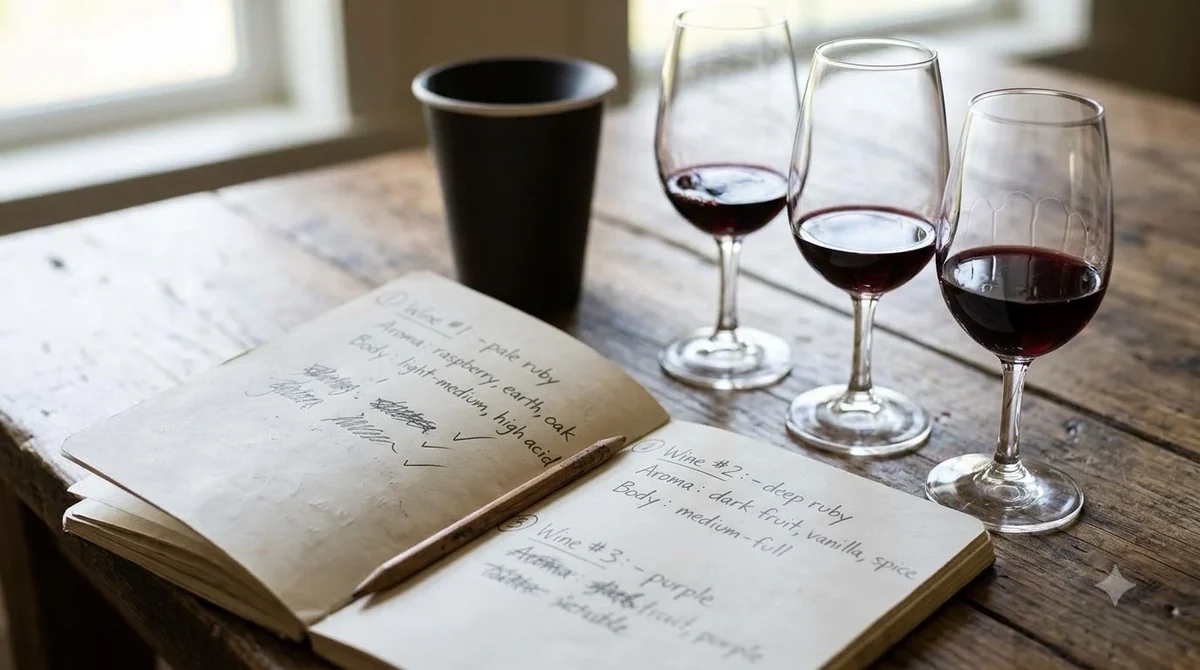
The first aromas commonly include ripe cherry, raspberry, strawberry, blackberry, and plum. Depending on the blend and growing conditions, blackcurrant and cooked fruit can become more prominent. These flavors give the wine its recognizable Southern Rhône character, combining generous fruit with savory elements rather than relying on fruit alone.
As the wine develops in the glass, secondary aromas can include dried thyme, rosemary, lavender, black pepper, licorice, and earthy forest-floor notes. Some bottles also show leather, tobacco, mushrooms, or truffle, particularly as they mature. These savory characteristics create a contrast with the ripe fruit and prevent the wine from seeming one-dimensional.
On the palate, expect a full-bodied wine with noticeable alcohol warmth, medium-plus to high tannin depending on the blend, and moderate to good acidity. Grenache-led examples often feel rounded and generous, while wines containing substantial Mourvèdre or Syrah can have a firmer grip. The finish is frequently long, carrying fruit, pepper, herbs, and earthy flavors beyond the initial sip.
The appellation’s diversity means there is no single flavor formula. A fruit-forward bottle may emphasize raspberry, cherry, and plum, while a more savory example may show black olive, dried herbs, leather, and tobacco. Both can be authentic expressions of Châteauneuf-du-Pape.
Grenache, Syrah, and Mourvèdre: Understanding the Blend
Grenache, Syrah, and Mourvèdre form the familiar foundation of many red Châteauneuf-du-Pape wines. Each grape contributes a different combination of aromas, body, color, and structure, explaining why two bottles from the same appellation can taste quite different.
Grenache Noir is the dominant variety in most red blends. According to Decanter’s regional profile, it accounts for approximately 80% of the appellation’s plantings. Its relatively generous fruit character includes strawberry, raspberry, cherry, red plum, blackberry, and blackcurrant. Pepper, lavender, thyme, and licorice add aromatic complexity.
Grenache generally creates a broad, warm palate rather than a particularly sharp or aggressively tannic one. Its ripe fruit and relatively high potential alcohol give the wine much of its recognizable fullness. In warmer growing conditions, the fruit can move toward cooked berries, preserves, and plum compote.
Syrah brings darker fruit, deeper color, and additional structure. Typical aromas include blackberry, blackcurrant, smoky bacon, chocolate, and sometimes violet. Its tannins can make the blend feel firmer and more compact, while its savory character adds contrast to Grenache’s sweeter-smelling fruit.
Mourvèdre contributes substantial structure and savory complexity. Black fruit, clove, tobacco, leather, and earthy, meaty notes are common descriptors. Its tannins can be more pronounced, particularly in blends with a significant Mourvèdre proportion, and it can help create wines suited to extended bottle aging.
These grapes are not required to appear in fixed proportions. The appellation allows considerable freedom in blending, including wines made from individual authorized varieties. Other grapes, such as Cinsault and Counoise, can contribute freshness, aromatic lift, and additional nuances.
| Grape | Main Aromas | Contribution to the Wine |
|---|---|---|
| Grenache Noir | Strawberry, cherry, raspberry, plum, licorice | Richness, warmth, generous fruit |
| Syrah | Blackberry, blackcurrant, violet, smoke, chocolate | Color, darker fruit, structure |
| Mourvèdre | Blackberry, clove, tobacco, leather | Tannin, savory depth, aging structure |
| Cinsault | Red berries and floral notes | Aromatic freshness and lighter fruit |
| Counoise | Fresh red fruit and spice | Freshness and aromatic complexity |
A useful example comes from Domaine des Sénéchaux’s 2023 red, which contains 59% Grenache Noir, 23% Syrah, and 18% Mourvèdre. Its published tasting notes describe fresh dark fruit, cherry, blackcurrant, licorice, pepper, and dense tannins. The combination illustrates how a Grenache-led wine can retain generous fruit while developing considerable structure from its supporting grapes.
How Terroir Shapes Aroma, Texture, and Finish
Châteauneuf-du-Pape’s flavor differences are closely connected to its varied soils and warm Mediterranean climate. Rounded pebbles, red clay, sand, sandstone, and limestone influence vineyard conditions, while sunlight and the mistral wind help define grape development.
The famous rounded stones, known as galets roulés, are among the appellation’s most recognizable landscape features. They absorb heat during the day and release it at night, helping vines and grapes maintain warmth. This contributes to the ripe fruit character frequently associated with the region.
However, not every vineyard has the same soil composition. Sandy sites can produce wines with a more delicate aromatic profile and relatively lighter structure. Clay-rich soils can contribute to fuller, denser expressions, with pronounced plum, dark fruit, and savory notes. Limestone and sandstone add further variation between individual vineyard sites.
The warm, dry Mediterranean climate encourages ripeness, while the mistral wind helps protect vineyards from disease. These conditions contribute to wines that often combine concentrated fruit with herbal and earthy complexity. The balance between ripeness and freshness depends on the vineyard, grape varieties, harvest decisions, and winemaking choices.
Decanter describes the appellation as a broad landscape containing large pebbles, sand, sandstone, and limestone. Its regional profile also identifies 134 named vineyard sites, known as lieux-dits, illustrating the scale of its internal diversity. This helps explain why a bottle from one producer can taste noticeably different from another, even when both carry the same appellation.
For additional regional context, comparing these wines with Côtes du Rhône tasting notes is useful. Both belong to the Rhône Valley, but Châteauneuf-du-Pape generally offers a more concentrated and structured expression, with greater emphasis on layered fruit and developed savory aromas.
White Châteauneuf-du-Pape: Floral, Citrusy, and Textured
White Châteauneuf-du-Pape is less common than the red version but offers a distinctive combination of ripe orchard fruit, floral aromas, citrus, and generous texture. Its character is often rounded and expressive, with freshness supplied by the grape varieties and the winemaker’s blending choices.
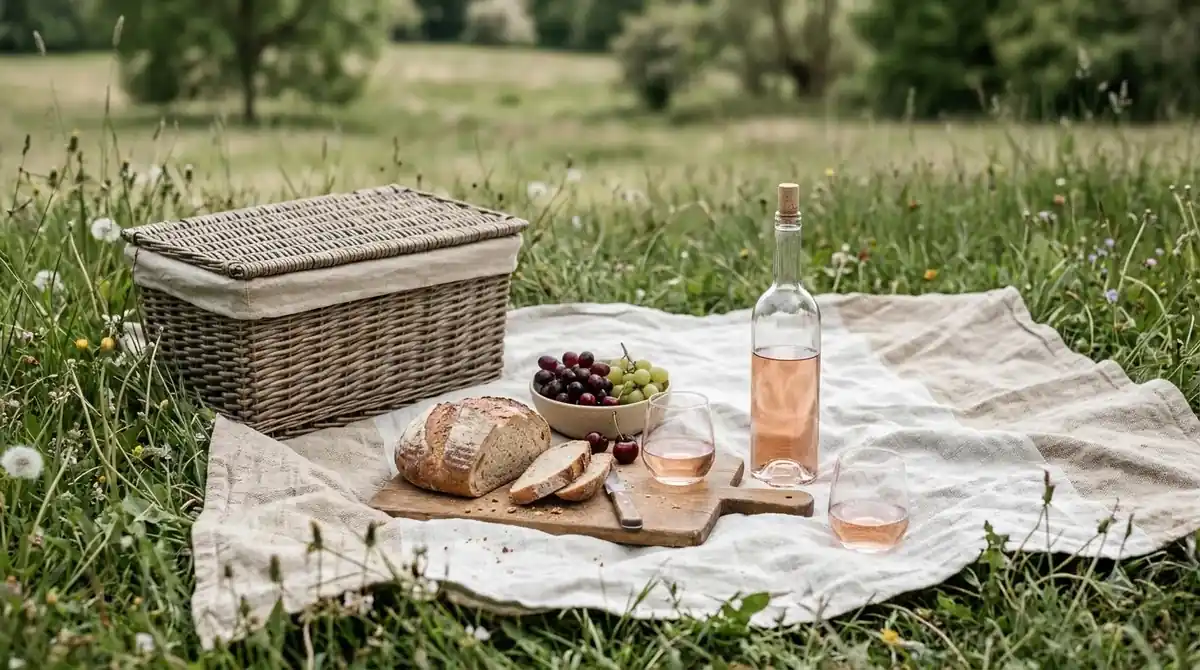
White blends can include Grenache Blanc, Roussanne, Clairette, and Bourboulenc, among other authorized varieties. These grapes create a different aromatic profile from the red wines, replacing dark berries and pepper with white flowers, pear, apple, peach, and citrus.
Roussanne often contributes richness and a silky texture. Its aromas can include peach, pear, fresh flowers, herbs, roasted nuts, and spice. In a fuller-bodied example, the palate can feel broad and slightly oily, with a lingering impression of stone fruit and subtle savory notes.
Clairette brings finesse and freshness, with apple, lime, white peach, and floral characteristics. Grenache Blanc adds body and generosity, often showing pear, green apple, peach, honeysuckle, baked apple, and lemon curd. Bourboulenc helps balance richer components through citrus, floral aromas, minerality, and natural acidity.
On the palate, white Châteauneuf-du-Pape can be medium to full-bodied, with a rounded texture and a combination of orchard fruit and citrus. Some examples are relatively fresh and floral, while others are richer, with ripe peach, baked apple, and roasted-nut characteristics. The exact balance depends on the grape varieties, vineyard conditions, and maturation method.
Age can also change the character of white examples. Younger bottles tend to emphasize flowers, citrus, pear, and fresh stone fruit. With bottle development, some wines reveal honeyed, nutty, and more complex savory notes.
White Châteauneuf-du-Pape works particularly well with crab, lobster, grilled fish, and white meats. A citrus-seasoned seafood dish can complement its acidity, while richer preparations can match the wine’s generous texture.
How to Taste Châteauneuf-du-Pape Step by Step
A structured tasting helps separate the wine’s fruit, herbal aromas, tannins, acidity, and alcohol warmth. Evaluating appearance, nose, palate, and finish in that order makes it easier to recognize differences between producers and vintages.
1. Examine the color
Start by looking at the wine against a white background. Young red Châteauneuf-du-Pape commonly displays an intense ruby or deep crimson color. Depending on the blend and extraction, the shade can range from medium ruby to dark garnet.
Older reds can develop orange or brick-colored edges. This change is a normal part of maturation and often accompanies the development of dried fruit, leather, mushroom, and earthy aromas. White wines generally range from pale yellow to deeper golden shades.
2. Identify the primary aromas
Swirl the glass gently and smell before taking a sip. Look first for the dominant fruit category: red berries, black berries, plum, or cooked fruit. Then identify additional aromas, such as lavender, thyme, rosemary, pepper, or licorice.
Try to distinguish fresh fruit from dried or cooked fruit. Fresh cherry suggests a brighter, more youthful expression, while stewed plum or cooked berries can indicate a riper style. Dried herbs, leather, and forest-floor aromas may become more noticeable as the wine develops.
3. Assess the palate
Take a small sip and pay attention to the wine’s weight, acidity, tannin, and alcohol warmth. Full-bodied Châteauneuf-du-Pape typically feels substantial across the palate. Its tannins may be rounded and polished or firmer and more noticeable, depending on the grape blend and winemaking.
Notice whether the fruit remains fresh or moves toward a jammy character. Also consider how the acidity balances the richness. A successful example should have enough freshness and structure to prevent its ripe fruit and alcohol from dominating every other sensation.
4. Evaluate the finish
After swallowing, consider how long the flavors remain. A persistent finish may reveal additional pepper, licorice, herbs, tobacco, or earthy notes after the initial fruit has faded.
Think about whether the finish feels balanced. A long finish with integrated tannins and recognizable fruit is a positive characteristic. Excessive alcohol warmth or drying tannins can make the ending feel less harmonious.
Tip: Taste the wine before pairing it with food, then take another sip with your meal. This makes it easier to identify how salt, fat, protein, and seasoning change the perception of tannin, acidity, and fruit.
Food Pairings That Complement the Wine
Châteauneuf-du-Pape’s ripe fruit, herbal aromas, and substantial body make it particularly suitable for rich, savory dishes. Red versions work well with grilled meat, lamb, game, mushrooms, and slow-cooked casseroles, while white examples complement seafood and poultry.
For red wine, roasted lamb is a classic choice. The meat’s savory character matches the wine’s thyme, rosemary, pepper, and dark fruit aromas. Lamb shoulder with Mediterranean herbs is especially suitable because the seasoning reflects the wine’s aromatic profile.
Beef stew, braised short ribs, grilled steak, and game birds are also strong options. Their protein and fat help soften the perception of tannin, while their concentrated flavors stand up to the wine’s full body. Mushroom-based dishes offer another excellent match, particularly when they include garlic, thyme, and other savory herbs.
Hard and aged cheeses can complement red Châteauneuf-du-Pape as well. Try aged Comté or firm sheep’s milk cheese with a mature bottle. Their savory and sometimes nutty qualities work well with the wine’s developed fruit, earthy notes, and structured finish.
White Châteauneuf-du-Pape calls for a different approach. Crab, lobster, grilled sea bass, roasted chicken, and creamy poultry preparations can all work well. The wine’s texture provides enough weight for richer seafood dishes, while its floral and citrus aromas complement lighter seasoning.
Acidity matters when selecting sauces and accompaniments. A dish with strong lemon or vinegar flavors can make a wine with insufficient acidity seem flat. For red Châteauneuf-du-Pape, herb-based sauces, roasted vegetables, and moderate seasoning are often safer choices than highly acidic preparations.
Spicy dishes require some care. Alcohol and tannin can amplify chili heat, so heavily spiced food may make a powerful red taste hotter and more aggressive. Choose dishes with moderate seasoning rather than intense chili sauces.
For a practical pairing, try roast lamb with rosemary potatoes, sautéed mushrooms, and a young red Châteauneuf-du-Pape. For a white version, grilled lobster with herbs and a light citrus butter sauce offers a complementary combination.
Serving Temperature, Decanting, and Aging Potential
Serving temperature and aeration can change how Châteauneuf-du-Pape expresses its aromas and structure. Red examples generally benefit from a slight chill below typical room temperature, while white wines should be served cool enough to preserve freshness without suppressing their aromas.
For red Châteauneuf-du-Pape, a practical serving range is 60–65°F. Taste France recommends 16–18°C, approximately 61–64°F. This range allows the wine’s fruit, herbal complexity, and tannins to remain expressive without excessive alcohol warmth.
White Châteauneuf-du-Pape is generally best served around 45–50°F, depending on its body and richness. A fuller-bodied Roussanne-led example can benefit from being served slightly warmer than a lighter, fresher white blend. Avoid serving it so cold that the aromas become difficult to recognize.
Young, full-bodied red wines can benefit from 30–60 minutes of decanting. This gives the wine time to interact with oxygen and can help soften the initial impression of firm tannins. Older bottles require more caution because extended aeration can diminish delicate aromas.
Use a large wine glass with enough room to swirl the wine. Pouring approximately 5 ounces into a standard glass allows space for aromatic development. If serving a full 750 ml bottle, expect approximately five standard pours.
For a more detailed explanation of temperature choices, see this guide to Châteauneuf-du-Pape serving temperature. Proper service helps preserve the distinction between ripe fruit, savory aromas, and alcohol warmth.
Many red examples can develop over several years. Taste France gives a typical storage potential of 5–20 years for red Châteauneuf-du-Pape and 1–10 years for white versions. These are broad ranges rather than guarantees; producer, vintage, vineyard conditions, and storage quality all affect how a particular bottle evolves.
As red wine matures, fresh berry aromas can become less prominent, making room for dried fruit, leather, tobacco, mushroom, and forest-floor notes. Tannins may become more integrated, and the palate can feel smoother and more complex. Mature white wines can develop honeyed, roasted-nut, and baked-fruit characteristics.
Store bottles in a dark, stable environment near 55°F, ideally with consistent humidity and minimal temperature fluctuation. Keep cork-sealed bottles on their sides to maintain contact between the wine and cork. For additional information about strength and alcohol warmth, consult the guide to Châteauneuf-du-Pape alcohol content.
For an independent regional overview, Decanter’s Châteauneuf-du-Pape regional profile examines the appellation’s grape varieties, vineyard sites, soils, and changing winemaking styles.
Frequently Asked Questions
Is Châteauneuf-du-Pape always made with 13 grape varieties?
No. Thirteen grape varieties are authorized, but a producer does not have to use all of them in one wine. Some wines rely primarily on Grenache, while others combine several varieties or use a single authorized grape. The appellation permits considerable freedom in blending proportions.
Why does Châteauneuf-du-Pape sometimes have a papal coat of arms on its bottle?
The distinctive embossed papal insignia reflects the region’s historical connection to the Avignon papacy. Pope John XXII established a residence near the village in the 14th century, helping raise the reputation of its wines. The recognizable bottle design became closely associated with the appellation’s identity.
Is Châteauneuf-du-Pape produced in both red and white styles?
Yes. The appellation produces both colors, although red wine accounts for approximately 93% of production and white wine about 7%. White versions use authorized white grapes such as Roussanne, Clairette, Grenache Blanc, and Bourboulenc.
What is the difference between Châteauneuf-du-Pape and Gigondas?
Both appellations are located in the southern Rhône and commonly feature Grenache-led red blends. Gigondas is associated with the foothills of the Dentelles de Montmirail, while Châteauneuf-du-Pape has its own varied terraces and famous rounded-pebble soils. Their wines can overlap in flavor, but individual vineyard conditions and producer choices create different expressions.
What does the name Châteauneuf-du-Pape mean in English?
The French name translates to New Castle of the Pope. It refers to the papal residence established near Avignon during the 14th century. The name reflects the village’s historical connection to the papacy rather than a particular grape variety or winemaking technique.
Châteauneuf-du-Pape offers a broad range of expressions, from fruit-forward Grenache-led reds to savory, structured blends and aromatic, full-bodied whites. Understanding its grapes, terroir, tasting profile, and serving requirements makes it easier to appreciate the differences between bottles. Whether enjoyed young with roast lamb or aged alongside a carefully prepared meal, these wines reward attention to their fruit, herbs, structure, and finish.
More in Wine Types & Grapes
 What Does Mourvèdre Taste Like? Flavor Profile, Regions, and PairingsUpdated Nov 20, 2026
 What Does Marsanne Taste Like? Flavors, Styles, and Food PairingsUpdated Nov 20, 2026
 What Does Malvasia Taste Like? Styles, Flavors, and Food PairingsUpdated Nov 20, 2026
 What Does Grenache Blanc Taste Like? Flavor Profile, Styles, and PairingsUpdated Nov 20, 2026
 What Does Garnacha Taste Like? Key Flavors, Styles, and Pairing TipsUpdated Nov 20, 2026
 What Does Fruit Wine Taste Like? A Complete Flavor and Style BreakdownUpdated Nov 20, 2026