

We may earn a commission when you buy through links on this page, at no extra cost to you. Learn more.
Cotes du rhone alcohol content typically falls around 13% to 14.5% ABV for many red bottles, although individual wines can range outside that window. The exact strength depends on grape ripeness, regional conditions, blending choices, and winemaking decisions. White and rosé versions can have different alcohol levels, while Côtes du Rhône Villages wines often show slightly higher strength than basic regional bottlings. Understanding these differences makes it easier to choose a bottle that suits your preferred wine style and meal.
Côtes du Rhône is one of France’s best-known regional wine appellations, producing approachable reds alongside distinctive whites and rosés. Its Mediterranean climate, diverse soils, and varieties such as Grenache, Syrah, and Mourvèdre contribute to wines that can be fruity, spicy, structured, and relatively generous in alcohol. However, the name on the label does not indicate one fixed ABV. The following guide explains typical alcohol levels, why they vary, how to interpret wine labels, and what to expect when comparing different Rhône bottles.
Typical Cotes du Rhone Alcohol Content and ABV Range
Many Côtes du Rhône red wines contain approximately 13% to 14.5% alcohol by volume, with some bottles reaching 15%. The official regional organization gives a broader range of 8% to 15% ABV for Côtes du Rhône wines, so the individual bottle remains the most useful reference when determining actual strength. Its official Côtes du Rhône appellation information also describes the region’s production, climate, and geographical characteristics.
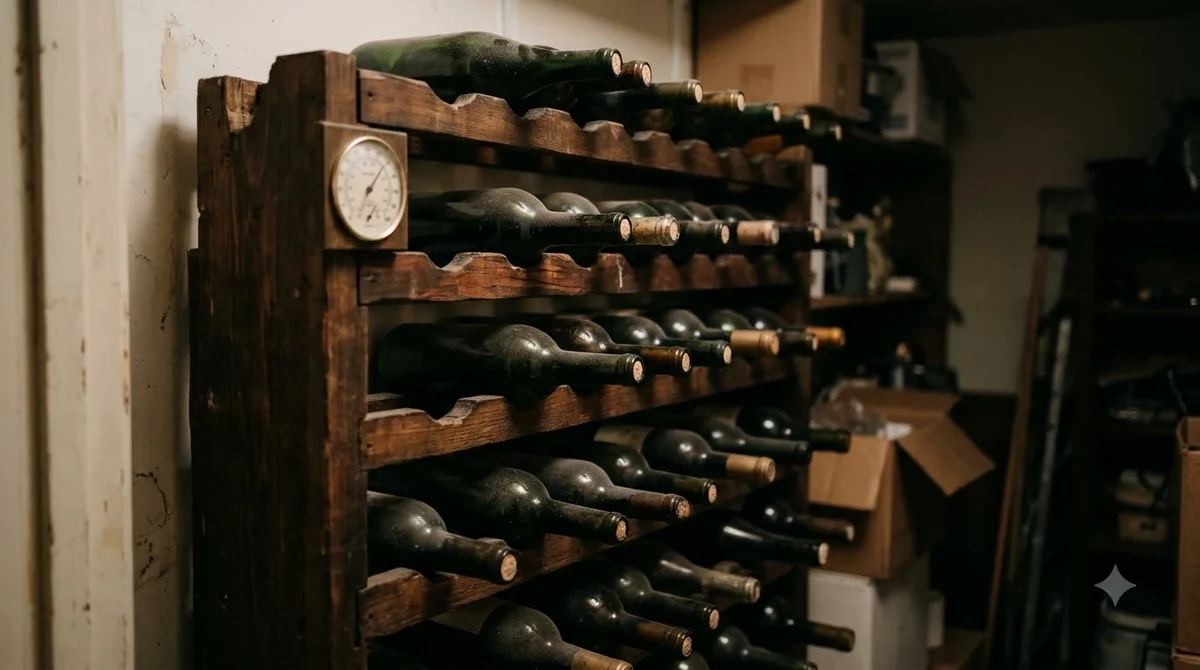
For everyday shopping, 13.5% and 14% are useful reference points. These figures are common on commercial red wine labels and help explain why Côtes du Rhône can feel fuller and warmer than lighter-bodied wines. A 14% bottle is not unusual, particularly among ripe southern Rhône blends built around Grenache.
It is important to distinguish the broad regional range from a typical red wine. The official regional figure covers the wider range of wines and should not be interpreted as meaning that most bottles contain 8% alcohol. Likewise, a 15% bottle is possible without representing the standard strength of the entire appellation.
The following table provides practical reference points for understanding the different figures. These are comparison categories rather than guarantees for every wine style.
| Alcohol by volume | General strength | What to expect |
|---|---|---|
| 8%–10.5% | Lower alcohol | Uncommon among traditional full-bodied red examples |
| 11%–12.5% | Moderate | Relatively lighter alcohol expression |
| 13%–13.5% | Moderately high | A familiar range for many regional reds |
| 14%–14.5% | High | Often associated with ripe, generous red blends |
| 15% | Very high | A stronger example within the published regional range |
These figures are percentages of the wine’s total volume represented by pure alcohol. A wine labeled 14% ABV contains approximately 14 ml of pure alcohol per 100 ml of wine. This measurement makes it possible to compare different bottles even when their grape varieties, colors, and regional origins differ.
For example, a 750 ml bottle at 13.5% ABV contains approximately 101.25 ml of pure alcohol. At 14.5%, the same bottle contains approximately 108.75 ml. The difference is 7.5 ml of pure alcohol across the bottle, which illustrates why two wines that appear similar can have noticeably different alcohol strengths.
Why Grenache, Syrah, and Mourvèdre Influence Alcohol Levels
The three major red grapes of the southern Rhône help explain why Côtes du Rhône frequently produces relatively high-alcohol wines. Grenache is particularly important because it thrives in warm, dry conditions and can accumulate substantial sugar as its grapes ripen.
During fermentation, yeast converts grape sugar into alcohol. Grapes harvested with higher sugar concentrations generally have the potential to produce wines with higher ABV, provided fermentation proceeds accordingly. This relationship is particularly relevant in the Mediterranean-influenced southern Rhône, where abundant sunshine encourages grape maturity.
Grenache and ripe fruit concentration
Grenache is often the dominant variety in southern Rhône red blends. It contributes ripe strawberry, raspberry, black cherry, and sometimes blackberry characteristics. Its suitability for hot summers and dry conditions makes it particularly important in the region.
Because Grenache can reach substantial ripeness, wines containing a large proportion of this grape may develop a relatively high alcohol level. Its generous fruit character can also make the alcohol seem less obvious initially, especially when balanced by freshness, acidity, and appropriate tannin.
Syrah and structure
Syrah brings a different personality to the blend. It contributes darker fruit, black pepper, violet, and sometimes smoky or savory notes. The official regional organization particularly associates Syrah with the northern Rhône, although it is also an important blending variety in the south.
Syrah generally contributes more tannic structure than Grenache. This structure can make a wine feel firmer and more substantial, although tannin does not directly determine ABV. A structured wine can have moderate alcohol, just as a softer wine can contain 14% or more.
Mourvèdre and richness
Mourvèdre is another important southern Rhône variety. It is adapted to intense Mediterranean heat and contributes dark fruit, pepper, herbal characteristics, and substantial structure. In mature wines, additional earthy, leathery, and savory aromas may emerge.
Blending these three grapes gives winemakers several ways to balance fruit concentration, structure, and freshness. Their proportions can influence the impression of body and warmth even when two bottles display exactly the same ABV.
How Climate, Soil, and Harvest Decisions Affect Alcohol
The southern Rhône’s Mediterranean climate is an important reason many Côtes du Rhône wines have generous alcohol levels. Warm growing conditions encourage ripening, while local soils, water availability, vineyard exposure, and harvest timing influence the concentration of sugar in the grapes.
The official appellation organization identifies several soil types, including sand, limestone, clay, and rocky ground. These different environments influence vine growth and the character of the resulting grapes. The Mistral wind is another important feature of the regional climate.
In warm growing seasons, grapes may reach high sugar concentrations before harvest. If the winemaker allows the grapes to mature further to achieve a desired flavor profile, their potential alcohol can increase. This is one reason bottles from the same appellation can differ substantially in strength.
Harvest timing involves balancing several considerations. Picking too early can produce less ripe fruit and a different balance of acidity and flavor. Waiting longer can increase sugar concentration, but it can also affect freshness and the character of the finished wine.
Winemakers must therefore consider more than the potential ABV when deciding when to harvest. They also assess grape maturity, acidity, tannins, aromatic development, and the style they want to produce.
Regional differences within the Rhône
The Rhône Valley extends through different landscapes and climatic conditions. The northern sector is generally cooler than the southern sector, and Syrah plays a particularly important role in its red wines. The southern sector is warmer and has a stronger association with Grenache-based blends.
This distinction helps explain why southern Rhône reds often have a ripe, generous character. However, it does not mean every southern bottle has higher alcohol than every northern wine. Individual vineyard sites, grape proportions, harvest choices, and cellar techniques all matter.
The official regional website describes the southern Rhône as having limestone, sandy, and rounded-stone terroirs. Sandy soils can contribute to lighter, fruit-forward wine styles, while rounded stones on certain terraces absorb daytime heat and release it at night. These differences add further variation within the appellation.
Tip: When comparing two Côtes du Rhône wines, consider both their ABV and their grape composition. A 13.5% Grenache-led red can feel quite different from a 13.5% blend with more Syrah and Mourvèdre because fruit concentration, tannin, and acidity influence the overall impression.
Alcohol Differences Between Red, White, and Rosé Côtes du Rhône
Red Côtes du Rhône is the most familiar style and commonly appears at approximately 13% to 14.5% ABV. White and rosé versions are also produced, and their alcohol levels depend on grape varieties, growing conditions, and winemaking choices rather than color alone.
According to the official appellation organization, its published production breakdown is 83% red, 9% rosé, and 8% white. These figures illustrate why red wines dominate the reputation of the appellation, even though the other styles offer different drinking experiences.
Red Côtes du Rhône
Traditional red blends commonly feature Grenache, Syrah, and Mourvèdre. They can show ripe red and dark fruits, pepper, herbs, and a medium to full-bodied structure. Many examples fall between 13% and 14.5% ABV, although some are lower or higher.
A 14% red is a reasonable example of the style. The alcohol can contribute to a broad, warm impression, while fruit, acidity, and tannin determine how balanced the wine feels.
White Côtes du Rhône
White wines use varieties such as Grenache Blanc, Clairette, Marsanne, Roussanne, Bourboulenc, and Viognier. These grapes can produce floral, citrus, stone-fruit, and sometimes richer textured wines.
White Côtes du Rhône should not automatically be assumed to have lower ABV than red wine. A ripe Viognier-based white, for example, can be relatively generous in alcohol, while another white blend may emphasize freshness and a lighter profile.
Rosé Côtes du Rhône
Rosé wines generally emphasize freshness, red berries, and approachable fruit. Grenache and other permitted red varieties contribute to their character. Their alcohol content varies according to ripeness and production choices.
The color of a wine does not provide a reliable indication of its ABV. A rosé can contain more alcohol than a particular red, just as a white wine can be stronger than a lighter red. Comparing the actual percentages is more useful than relying on color.
Côtes du Rhône Versus Villages and Châteauneuf-du-Pape
Côtes du Rhône is the regional appellation at the base of the Rhône wine classification, while Côtes du Rhône Villages represents a more geographically specific category. The distinction matters because Villages wines generally have more demanding production requirements and can show slightly higher alcohol levels.
Wine Enthusiast explains that the Villages category involves lower vineyard yields and slightly higher alcohol than basic Côtes du Rhône wines. Its overview of Côtes du Rhône classifications also explains the distinction between regional wines, named Villages, and Crus.
Basic Côtes du Rhône
The basic appellation covers a broad geographical area and allows producers considerable flexibility in creating blends. Many wines are designed for relatively early enjoyment, with accessible fruit and balanced structure.
A red at 13.5% or 14% ABV is a useful reference when shopping in this category. The wines can be excellent examples of southern Rhône character without requiring the concentration or aging potential associated with more specific appellations.
Côtes du Rhône Villages
Villages wines generally come from more specifically defined production areas and have stricter requirements. Their lower permitted yields can contribute to greater concentration, although yield alone does not determine the final alcohol percentage.
The category includes named villages that have earned the right to identify their geographical origin on the label. These wines can be particularly interesting for drinkers who enjoy richer fruit, greater structure, and more distinctive expressions of individual locations.
Châteauneuf-du-Pape
Châteauneuf-du-Pape is a separate and prestigious southern Rhône appellation associated with rich, concentrated wines. Its red wines commonly feature Grenache alongside varieties such as Syrah and Mourvèdre, and bottles frequently show alcohol levels around 14% to 15% or higher in particularly powerful examples.
That makes it useful to compare chateauneuf du pape alcohol content with basic Côtes du Rhône. The two appellations share regional influences and grape varieties, but their vineyard origins, production requirements, and wine styles are not identical.
A stronger ABV does not automatically mean a wine is better. A balanced 13.5% Côtes du Rhône can be more appealing than a heavier 15% wine if the drinker prefers freshness and moderate body.
How to Calculate Alcohol in a Glass or Bottle
Understanding ABV makes it easier to compare different Côtes du Rhône bottles and calculate how much pure alcohol a serving contains. A standard 5-ounce wine pour provides a convenient reference for comparing wines with different strengths.
The calculation is straightforward: multiply the serving volume by the ABV expressed as a decimal. For a 5-ounce serving of 14% wine, the calculation is 5 multiplied by 0.14, producing 0.7 fluid ounces of pure alcohol.
Here are some examples using a standard 5-ounce pour.
| Wine ABV | Pure alcohol in 5 oz | Pure alcohol in 750 ml bottle |
|---|---|---|
| 12% | 0.60 fl oz | 90 ml |
| 13% | 0.65 fl oz | 97.5 ml |
| 13.5% | 0.675 fl oz | 101.25 ml |
| 14% | 0.70 fl oz | 105 ml |
| 14.5% | 0.725 fl oz | 108.75 ml |
| 15% | 0.75 fl oz | 112.5 ml |
A standard 750 ml bottle contains approximately five 5-ounce glasses. At 14% ABV, the entire bottle contains 105 ml of pure alcohol. The same bottle at 13% contains 97.5 ml, a difference of 7.5 ml.
This calculation also explains why serving size matters when comparing wines. A generous 8-ounce pour contains substantially more wine than a 5-ounce serving, even though both come from the same bottle.
Restaurant pours can vary, and some wine glasses are designed to accommodate much more than a standard serving. The size of the glass itself does not indicate how much wine it contains.
When looking at labels, remember that ABV is a percentage rather than a measurement of the total alcohol in a bottle. A 14% wine in a 750 ml bottle contains a different total quantity of alcohol from a 14% wine in a smaller bottle, even though their concentrations are identical.
How Alcohol Content Affects Flavor, Serving Temperature, and Food Pairing
Alcohol contributes to the warmth, body, and texture of Côtes du Rhône wines. Higher-ABV examples can feel fuller and more warming, while fruit concentration, acidity, and tannins influence whether that sensation feels integrated or pronounced.
For a fuller red around 14% to 15% ABV, serving temperature makes a noticeable difference. A slightly cooler serving temperature can help preserve freshness and prevent the alcohol from becoming too prominent in the aroma and on the palate.
Choose the right serving temperature
Full-bodied red wines are generally best served between 60°F and 65°F. This range allows their fruit and structure to show without making them feel excessively warm.
Many people serve red wine too close to a warm indoor room temperature. A bottle stored in a warm kitchen may taste hotter and less balanced than intended. A short period of chilling can help bring it into a more suitable range.
White Côtes du Rhône wines usually benefit from a cooler temperature, particularly when their style emphasizes freshness and floral or citrus aromas. Their serving temperature should reflect their body rather than simply following the same approach used for red wines.
For more detailed advice, see our guide to cotes du rhone serving temperature.
Pair higher-alcohol reds with suitable food
Traditional southern Rhône reds pair well with grilled lamb, roast beef, sausages, and hearty stews. Their ripe fruit and tannic structure can complement the savory flavors and richness of these dishes.
Salt and fat can soften the perception of tannin, making rich dishes particularly suitable for structured reds containing Syrah or Mourvèdre. Roasted vegetables, mushrooms, and hard cheeses also provide useful pairing options.
However, very spicy dishes can make high-alcohol wines feel hotter. Chili heat is amplified by alcohol and tannin, so a strongly alcoholic red may be less comfortable alongside heavily spiced food.
Oily fish can also clash with tannic red wines. For salmon or other richer seafood, a white Côtes du Rhône may provide a better match, especially when its acidity complements the dish.
Understand the role of balance
A wine’s ABV should never be the only measure of its quality or perceived weight. A 14% red with fresh acidity and well-integrated tannins can feel more balanced than a 13% wine that lacks freshness and has a noticeably hot finish.
Fruit ripeness, acidity, tannin, alcohol, and winemaking choices work together to determine the final experience. The best way to compare two wines is to consider their full structure rather than focusing on one number.
For additional information about the aromas and characteristics of different regional bottles, explore our cotes du rhone tasting notes.
Frequently Asked Questions
Is Côtes du Rhône stronger than Pinot Noir?
Many Côtes du Rhône reds have higher ABV than lighter Pinot Noir examples, although the comparison depends on the individual bottles. Pinot Noir commonly has lower to medium tannin and high acidity, while southern Rhône blends often have more generous fruit and body. The actual label percentages provide the most reliable comparison.
Does Côtes du Rhône contain residual sugar?
Traditional Côtes du Rhône wines are generally dry rather than sweet. The appellation specification describes still dry wines with fermentable sugar content not exceeding 4 grams per liter. Ripe fruit aromas can make a wine seem sweet even when it has little residual sugar.
Can Côtes du Rhône reach 15% ABV?
Yes. The official regional website publishes a broad alcohol range of 8% to 15% for Côtes du Rhône wines. A 15% bottle is therefore possible, although it should not be treated as the standard strength of the appellation. Individual production requirements and applicable wine regulations determine which wines can carry the designation.
Does barrel aging increase the alcohol percentage?
Barrel aging does not normally increase a wine’s alcohol concentration in the way fermentation does. Fermentation is the principal process that converts grape sugar into alcohol. Oak aging mainly influences texture, aroma, and flavor, potentially contributing notes of vanilla, spice, toast, and additional complexity.
How many grape varieties are permitted in Côtes du Rhône?
The official regional website identifies 27 grape varieties cultivated across the appellation, while Wine Enthusiast describes the basic Côtes du Rhône appellation as allowing a selection of 21 varieties. These figures reflect different descriptions and classifications, so they should not be treated as interchangeable lists of permitted grapes. The three principal red blending varieties are Grenache, Syrah, and Mourvèdre.
Côtes du Rhône alcohol content is best understood as a range rather than a fixed number, with many red bottles falling between 13% and 14.5% ABV. Climate, grape variety, harvest maturity, and appellation classification all influence the final strength. Comparing ABV alongside body, acidity, tannin, and serving temperature will help you select a Rhône wine that matches your preferences and the food on your table.
More in Wine Types & Grapes
 What Does Ruby Port Taste Like? Flavor Notes, Styles, and Serving TipsUpdated Nov 21, 2026
 What Does Ribolla Gialla Taste Like? Crisp White and Amber Styles ExplainedUpdated Nov 21, 2026
 What Does Semillon Taste Like? Flavor Profile, Styles & PairingsUpdated Nov 21, 2026
 What Does Scuppernong Taste Like? Flavor, Styles, and Pairing GuideUpdated Nov 21, 2026
 What Does Saperavi Taste Like? Flavors, Styles, and Pairing GuideUpdated Nov 21, 2026
 What Does Natural Wine Taste Like? Flavors, Styles, and Serving TipsUpdated Nov 21, 2026